
U-6 is 11.1%, it adds in "marginally attached" (discouraged workers & would take a job if it came along) and involuntary part-time.
I've gotten questions about whether to emphasize U-6 as the "true unemployment rate". It is currently 11.1%.
I don't because I think the concept doesn't add much, it misses how unusually bad the labor market is now, is analytically flawed, and can be misleading.
Thread:
U-6 is 11.1%, it adds in "marginally attached" (discouraged workers & would take a job if it came along) and involuntary part-time.
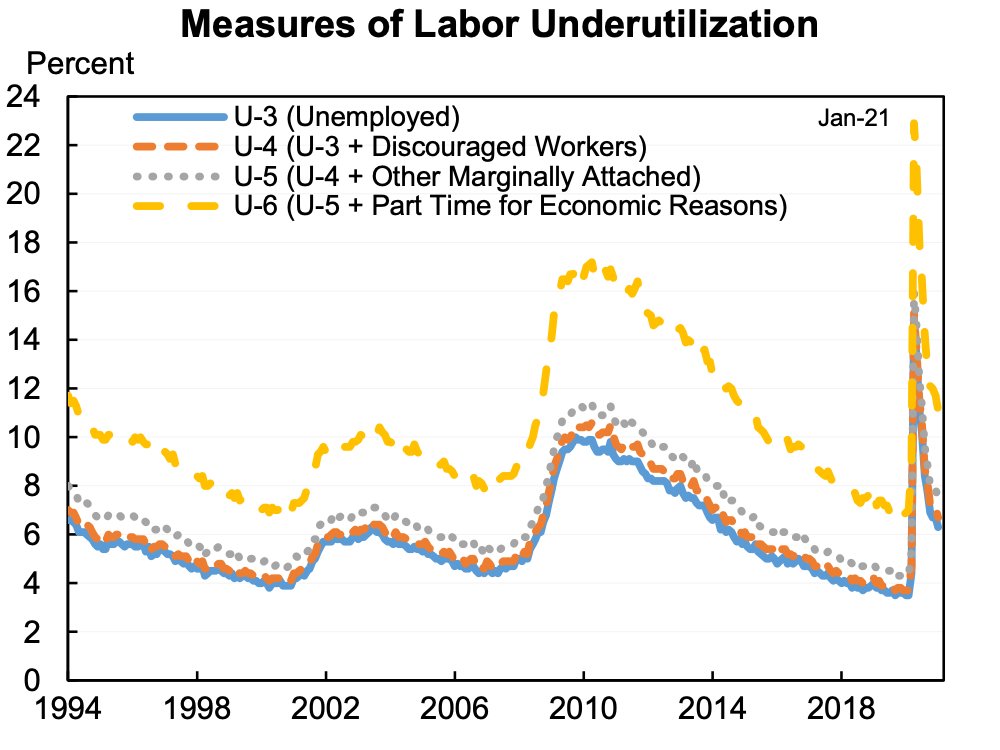
Also shift based on convenience (e.g., Trump shifted from Obama economy bad using U-6 to his good with U-3).
Jay Powell cited an unemployment rate of 10% adjusted for participation. Willie Powell & I have been using 8.3% as the "realistic unemployment rate". Both are correct, both are useful, I won't be offended if you use his instead of mind, but a technical note on the differences.
— Jason Furman (@jasonfurman) February 10, 2021
More from Society


Okay, let's do this summary again since there seems to be a collective amnesia relating to Christian Abolitionism in America.
Here again is a summary of the Christian Abolitionists’ arguments against enslavers’ appeals to the Scripture: Thread
Here again is a summary of the Christian Abolitionists’ arguments against enslavers’ appeals to the Scripture: Thread
Slavery is not a sin. It is never outlawed by the Bible. Manstealing is but not slavery.
— micah (@laborersarefew) February 20, 2021
Murdering babies and sodomy are sins according the the Bible. YOU don't get to make up things as you go Dolly, neither do I or Malachi.
You May Also Like





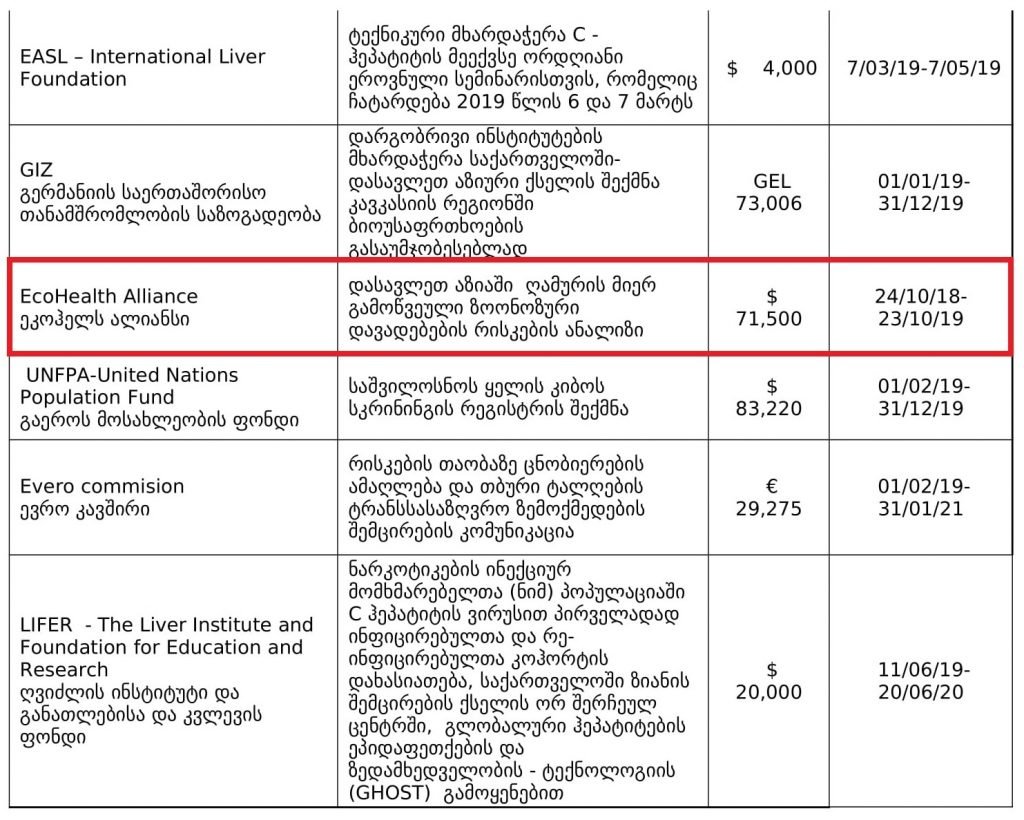
1. Project 1742 (EcoHealth/DTRA)
Risks of bat-borne zoonotic diseases in Western Asia
Duration: 24/10/2018-23 /10/2019
Funding: $71,500
@dgaytandzhieva
https://t.co/680CdD8uug
2. Bat Virus Database
Access to the database is limited only to those scientists participating in our ‘Bats and Coronaviruses’ project
Our intention is to eventually open up this database to the larger scientific community
https://t.co/mPn7b9HM48
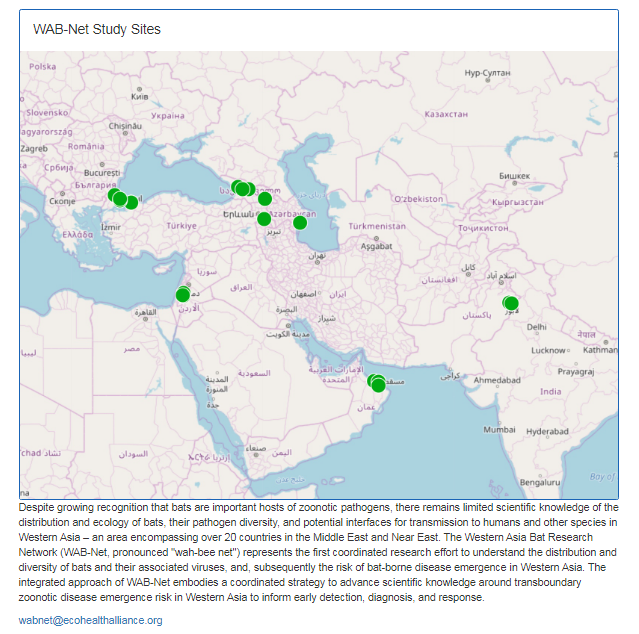
3. EcoHealth Alliance & DTRA Asking for Trouble
One Health research project focused on characterizing bat diversity, bat coronavirus diversity and the risk of bat-borne zoonotic disease emergence in the region.
https://t.co/u6aUeWBGEN

4. Phelps, Olival, Epstein, Karesh - EcoHealth/DTRA
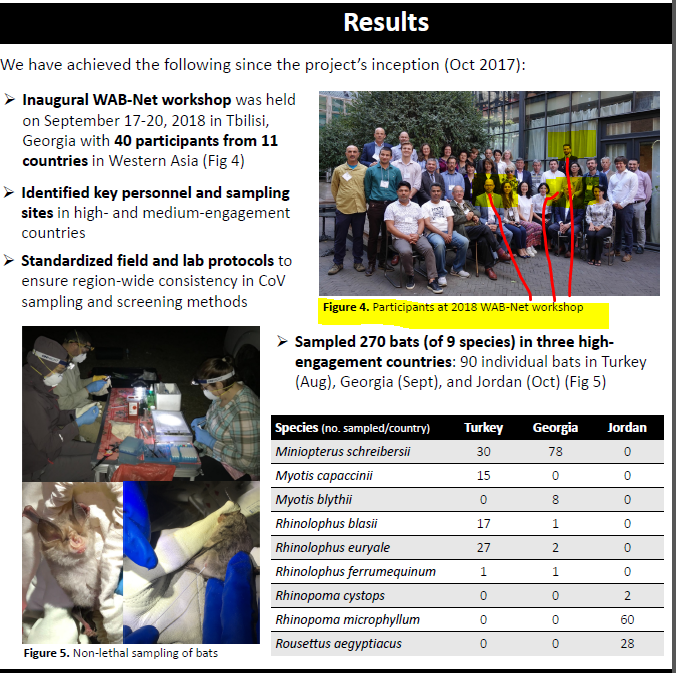
5, Methods and Expected Outcomes
(Unexpected Outcome = New Coronavirus Pandemic)
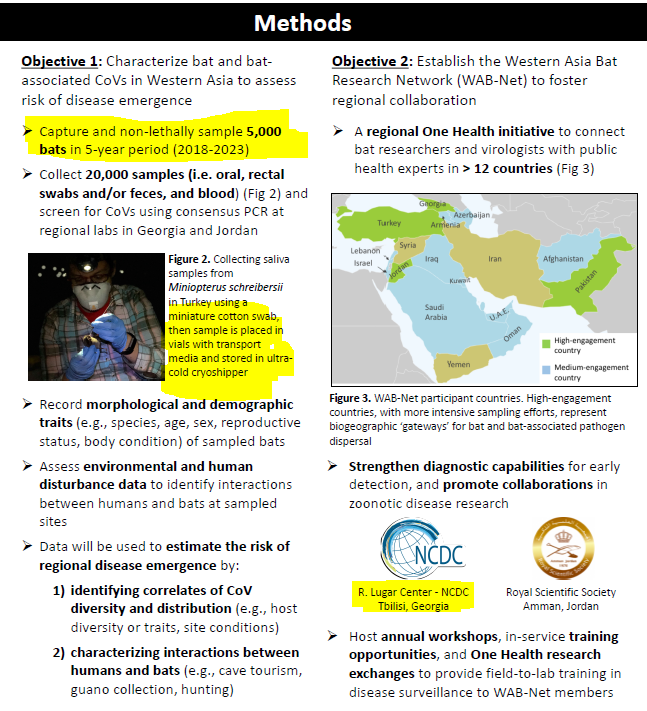
Risks of bat-borne zoonotic diseases in Western Asia
Duration: 24/10/2018-23 /10/2019
Funding: $71,500
@dgaytandzhieva
https://t.co/680CdD8uug
2. Bat Virus Database
Access to the database is limited only to those scientists participating in our ‘Bats and Coronaviruses’ project
Our intention is to eventually open up this database to the larger scientific community
https://t.co/mPn7b9HM48
3. EcoHealth Alliance & DTRA Asking for Trouble
One Health research project focused on characterizing bat diversity, bat coronavirus diversity and the risk of bat-borne zoonotic disease emergence in the region.
https://t.co/u6aUeWBGEN
4. Phelps, Olival, Epstein, Karesh - EcoHealth/DTRA
5, Methods and Expected Outcomes
(Unexpected Outcome = New Coronavirus Pandemic)


On the occasion of youtube 20k and Twitter 70k members
A small tribute/gift to members
Screeners
technical screeners - intraday and positional both
before proceeding - i have helped you , can i ask you so that it can help someone else too
thank you
positional one
run - find #stock - draw chart - find levels
1- Stocks closing daily 2% up from 5 days
https://t.co/gTZrYY3Nht
2- Weekly breakout
https://t.co/1f4ahEolYB
3- Breakouts in short term
https://t.co/BI4h0CdgO2
4- Bullish from last 5
intraday screeners
5- 15 minute Stock Breakouts
https://t.co/9eAo82iuNv
6- Intraday Buying seen in the past 15 minutes
https://t.co/XqAJKhLB5G
7- Stocks trading near day's high on 5 min chart with volume BO intraday
https://t.co/flHmm6QXmo
Thank you
A small tribute/gift to members
Screeners
technical screeners - intraday and positional both
before proceeding - i have helped you , can i ask you so that it can help someone else too
thank you
positional one
run - find #stock - draw chart - find levels
1- Stocks closing daily 2% up from 5 days
https://t.co/gTZrYY3Nht
2- Weekly breakout
https://t.co/1f4ahEolYB
3- Breakouts in short term
https://t.co/BI4h0CdgO2
4- Bullish from last 5
intraday screeners
5- 15 minute Stock Breakouts
https://t.co/9eAo82iuNv
6- Intraday Buying seen in the past 15 minutes
https://t.co/XqAJKhLB5G
7- Stocks trading near day's high on 5 min chart with volume BO intraday
https://t.co/flHmm6QXmo
Thank you