And since today is International Day of Women and Girls in Science, let's highlight a few of them - just a few women among thousands of others who helped shape the world we live in today.

Thread.

Dorothy Hodgkin discovered the structure of insulin after 36 years of work.

"I was captured for life by chemistry and by crystals."
Sophia Jex-Blake fought for women's rights to study medicine. She was involved in founding two medical schools for women.

"It seemed discreditable to Great Britain that all her daughters who desired a University education should be driven abroad to seek it."
Alice Augusta Ball developed the "Ball Method", the most effective treatment for leprosy during the early 20th century. She was 23.
Ada Lovelace is regarded as the first to recognize the full potential of computers and as one of the first computer programmers.

“That brain of mine is something more than merely mortal; as time will show.”
Valentina Tereshkova was (and remains) the first and youngest woman to have flown in space with a solo mission.

"I would enjoy flying to Mars. This was the dream of the first cosmonauts. I wish I could realize it! I am ready to fly without coming back."
Mary Anning is credited with the discovery of several dinosaur specimens that assisted in the early development of paleontology.

“It is large and heavy but… it is the first and only one discovered in Europe.”
Caroline Herschel was the first woman to discover a comet (she would spot seven more). She also detected three nebulae, in 1783.
Flossie Wong-Staal was the first scientist to clone HIV and determine the function of its genes, which was a major step in proving that HIV is the cause of AIDS.
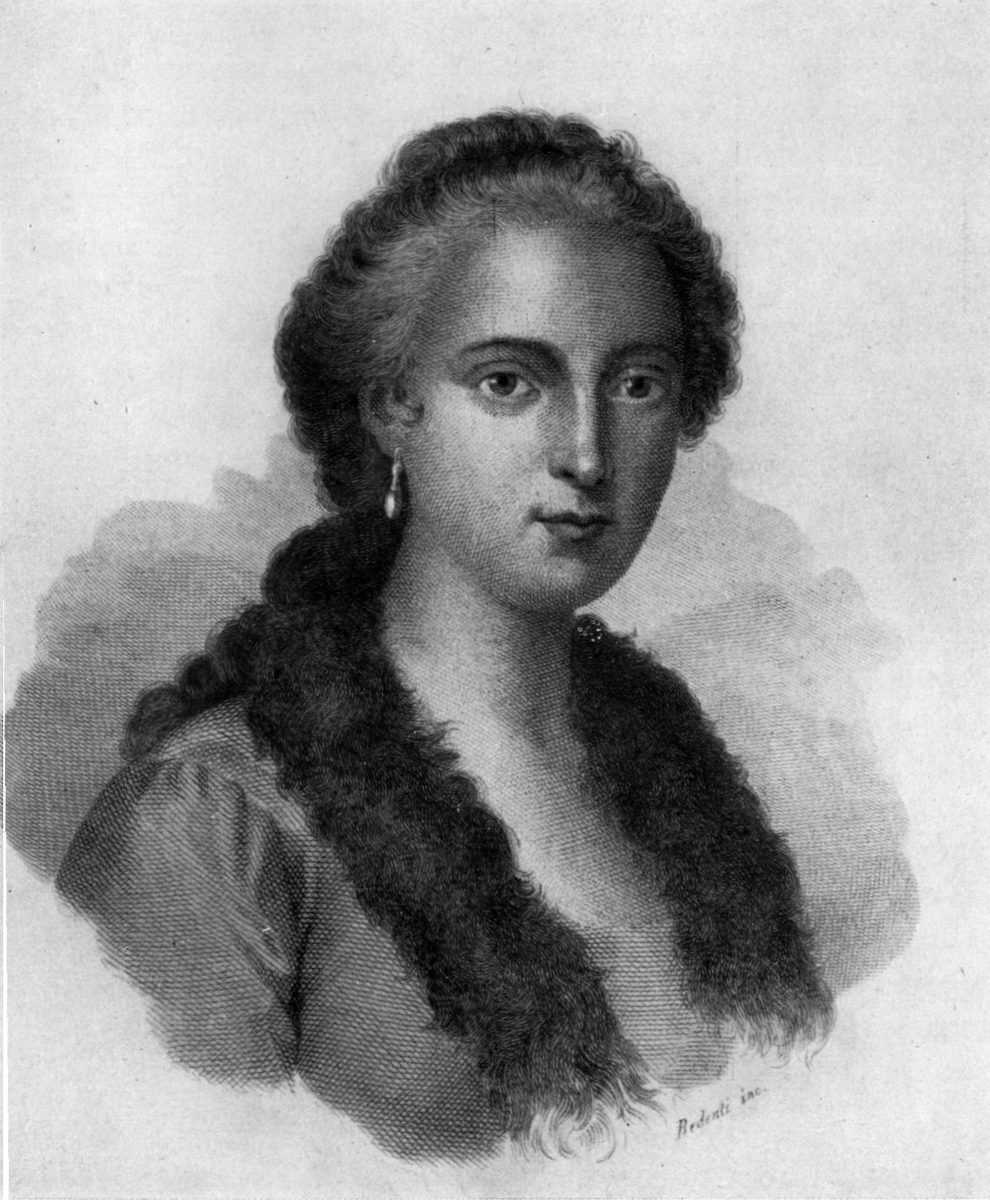
Maria Gaetana Agnesi was the first woman to write a mathematics handbook and the first woman appointed as a mathematics professor at a university.
Nettie Stevens discovered the XY sex-determination system.
Rosalind Franklin made a crucial contribution to the discovery of the double-helix structure of DNA.

"Science and everyday life cannot and should not be separated."
Katherine Johnson performed the calculations that enabled humans to successfully achieve space flight.

“Let me do it. You tell me when you want it and where you want it to land, and I’ll do it backwards and tell you when to take off.”

More from Marina Amaral

More from Society

You May Also Like

1/“What would need to be true for you to….X”

Why is this the most powerful question you can ask when attempting to reach an agreement with another human being or organization?

A thread, co-written by @deanmbrody:


2/ First, “X” could be lots of things. Examples: What would need to be true for you to

- “Feel it's in our best interest for me to be CMO"
- “Feel that we’re in a good place as a company”
- “Feel that we’re on the same page”
- “Feel that we both got what we wanted from this deal

3/ Normally, we aren’t that direct. Example from startup/VC land:

Founders leave VC meetings thinking that every VC will invest, but they rarely do.

Worse over, the founders don’t know what they need to do in order to be fundable.

4/ So why should you ask the magic Q?

To get clarity.

You want to know where you stand, and what it takes to get what you want in a way that also gets them what they want.

It also holds them (mentally) accountable once the thing they need becomes true.

5/ Staying in the context of soliciting investors, the question is “what would need to be true for you to want to invest (or partner with us on this journey, etc)?”

Multiple responses to this question are likely to deliver a positive result.