
He was planning to go to ANDAL Sannidhi later for MangaLAsAsanam.
Origin of the GodhA Sthuthi
******************************
The first slOkam of GodhA sthuthi arose from Swami Desikan spontaneously as he stood on a side street at SrivilliputthUr on a PradhOsham evening to find out the origin of fast approaching sounds of the mangaLa vaadhyams.
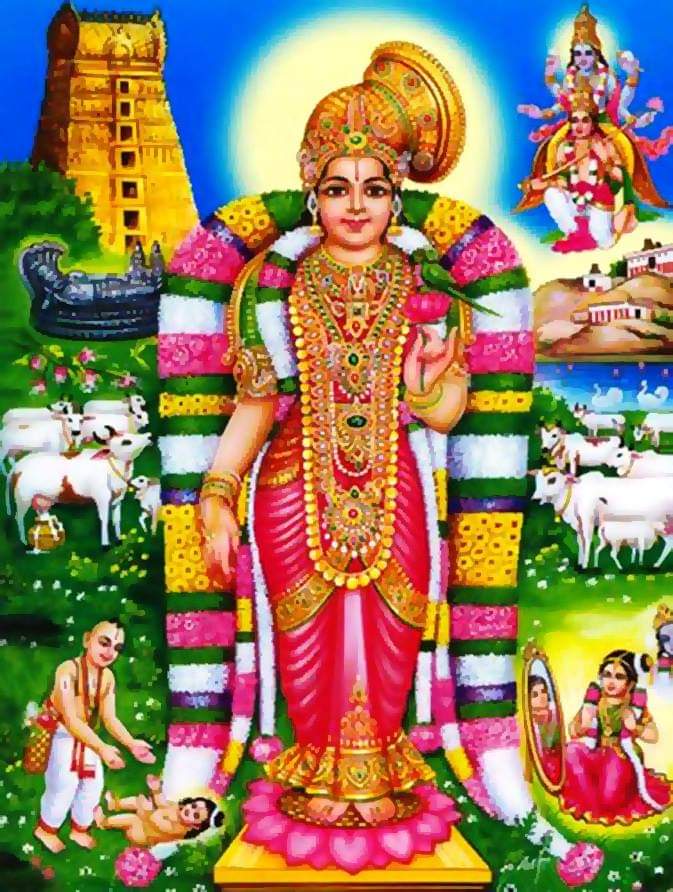
He was planning to go to ANDAL Sannidhi later for MangaLAsAsanam.
ANDAL's normal processional route did not include the street , where Swami Desikan was staying.
**************************************************
Sri VishNu chittha kula nandhana kalpavallIm
Sri RangarAja harichandhana yOga dhrusyAm
SaakshAth KshamAm karuNayA KamalAmivAnyAm
GodhAm ananyasaraNa; SaraNam prapadhyE ll 1 ll
Oh GodhE! adiyEn performs prapatthi at Your sacred feet as one, who has no other recourse!
adiyEn has no one else for my protection.
In Your limitless patience with the aparAdhis, who transgress Your Lord's commands,
You appear verily like BhUmi Devi;
AdiyEn offers my prapatthi at Your sacred feet as the one, who has no other means.
Thus Swamy Desikan offers his prayers like this:
She is most beautiful as She gives us Her darsanam as the Karpaka creeper united with Her Lord Sri Rangarajan standing majestically as the Harichandana tree in that Nanda vanam
indeed ,Godhai is the embodiment of forbearance;
When it comes to the quality of Her Mercy, Godhai is a veritable MahA Lakshmi (KamalA).
More from sriram





More from Religion


🌿𝑻𝒉𝒆 𝒔𝒕𝒐𝒓𝒚 𝒐𝒇 𝒂 𝑺𝒕𝒂𝒓 : 𝑫𝒉𝒓𝒖𝒗𝒂 & 𝑽𝒊𝒔𝒉𝒏𝒖
Once upon a time there was a Raja named Uttānapāda born of Svayambhuva Manu,1st man on earth.He had 2 beautiful wives - Suniti & Suruchi & two sons were born of them Dhruva & Uttama respectively.
#talesofkrishna https://t.co/E85MTPkF9W
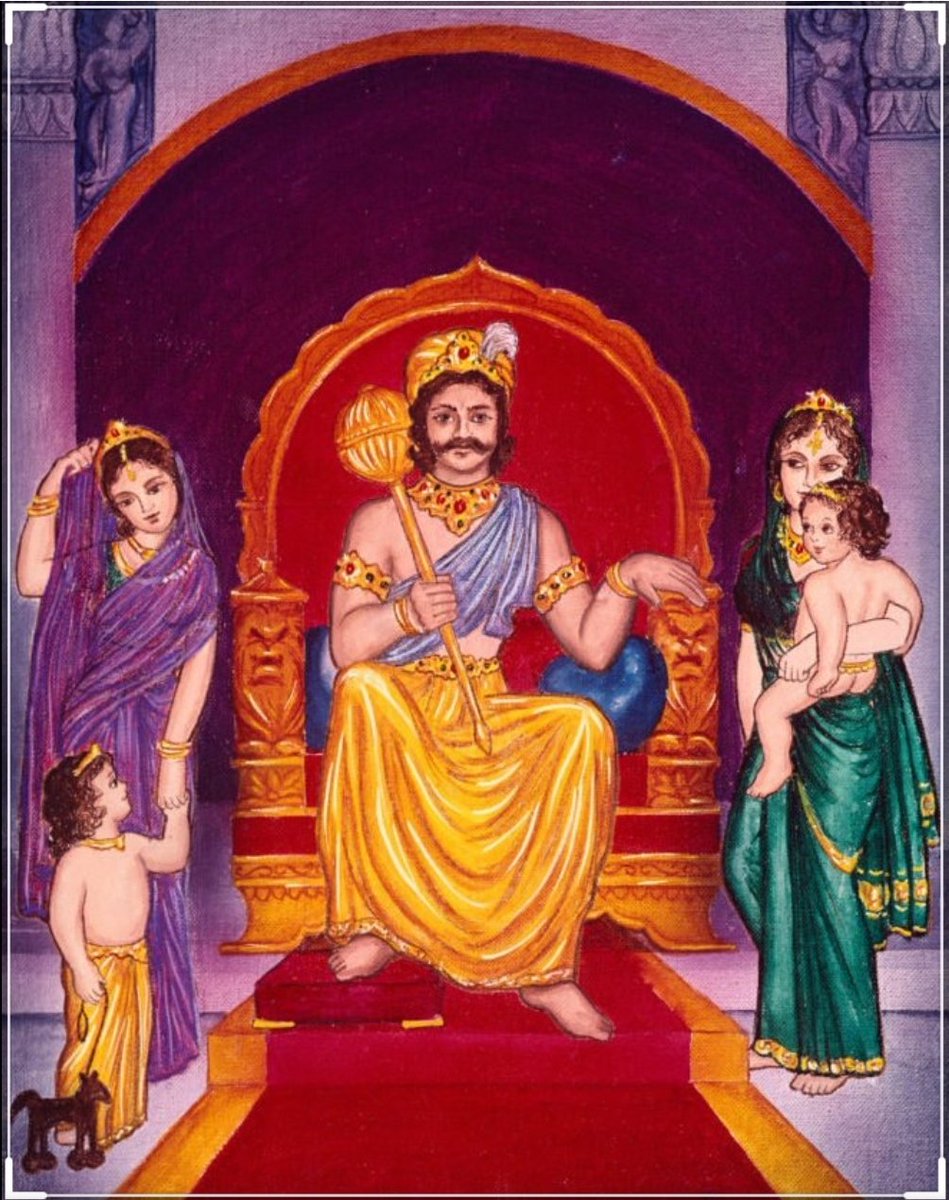
Now Suniti was the daughter of a tribal chief while Suruchi was the daughter of a rich king. Hence Suruchi was always favored the most by Raja while Suniti was ignored. But while Suniti was gentle & kind hearted by nature Suruchi was venomous inside.
#KrishnaLeela
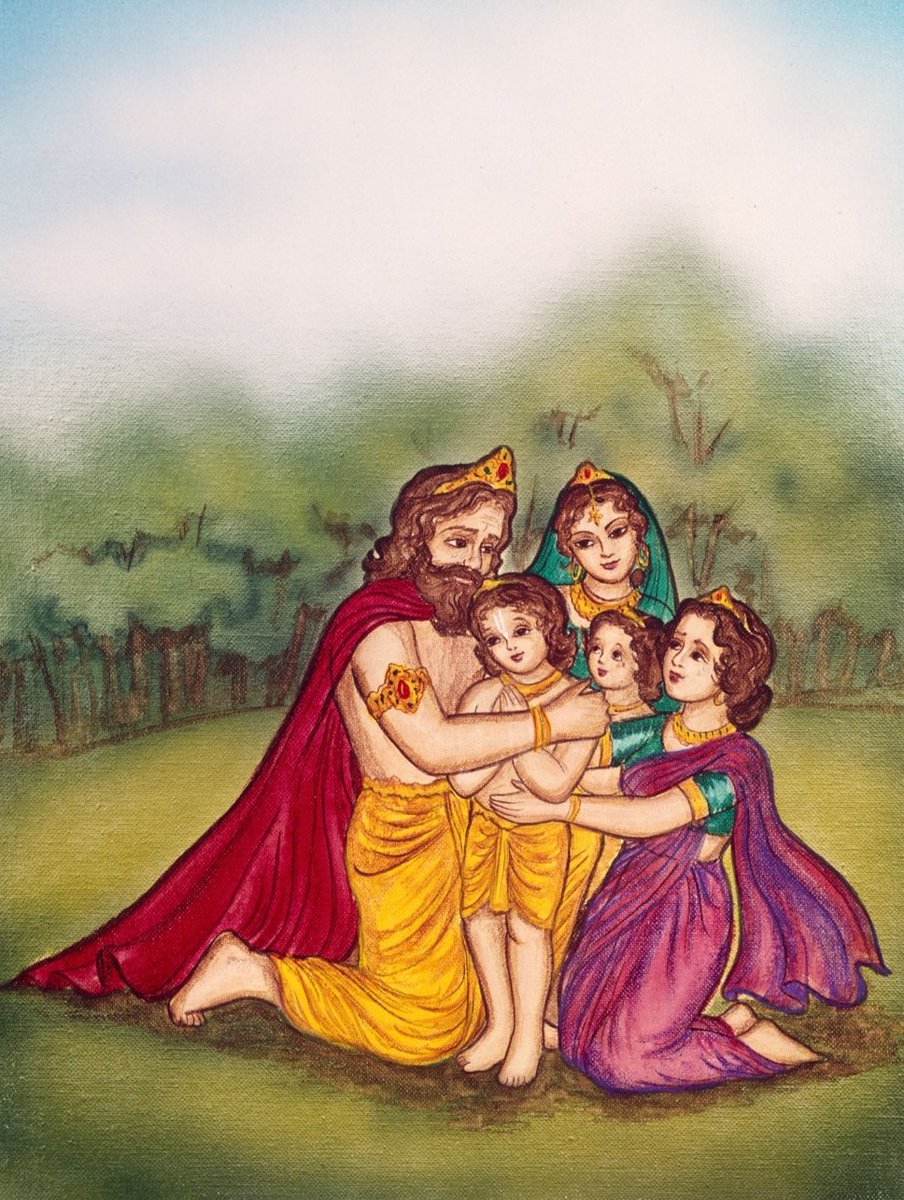
The story is of a time when ideally the eldest son of the king becomes the heir to the throne. Hence the sinhasan of the Raja belonged to Dhruva.This is why Suruchi who was the 2nd wife nourished poison in her heart for Dhruva as she knew her son will never get the throne.
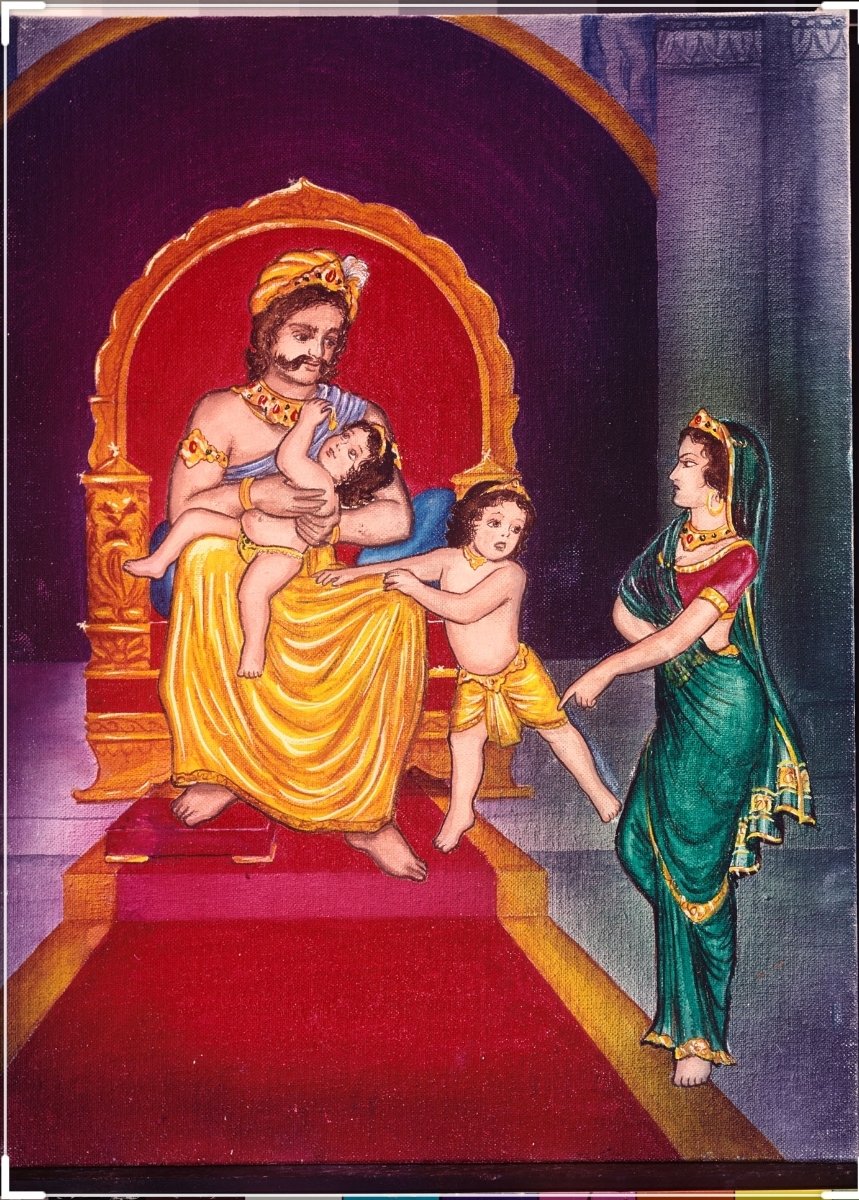
One day when Dhruva was just 5 years old he went on to sit on his father's lap. Suruchi, the jealous queen, got enraged and shoved him away from Raja as she never wanted Raja to shower Dhruva with his fatherly affection.
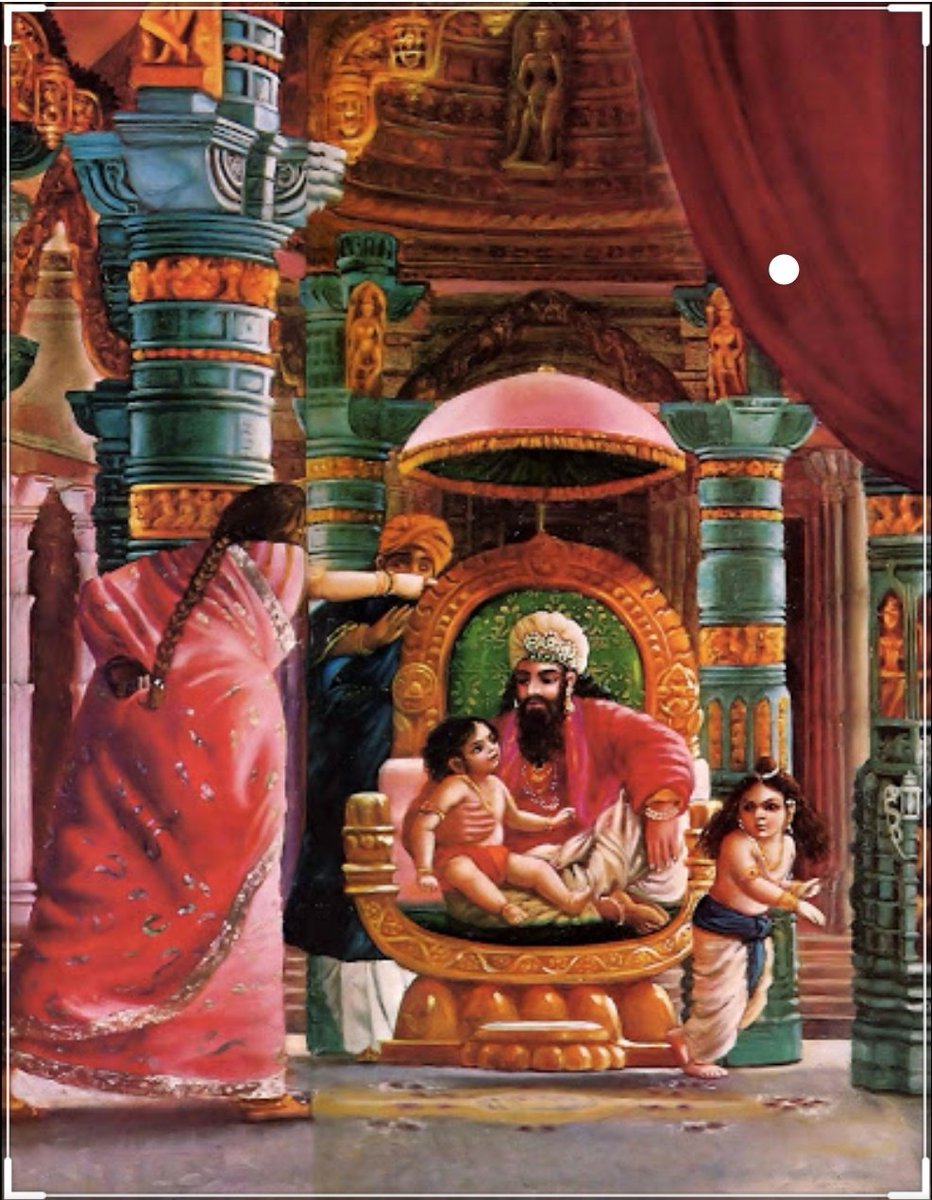
Dhruva protested questioning his step mother "why can't i sit on my own father's lap?" A furious Suruchi berated him saying "only God can allow him that privilege. Go ask him"
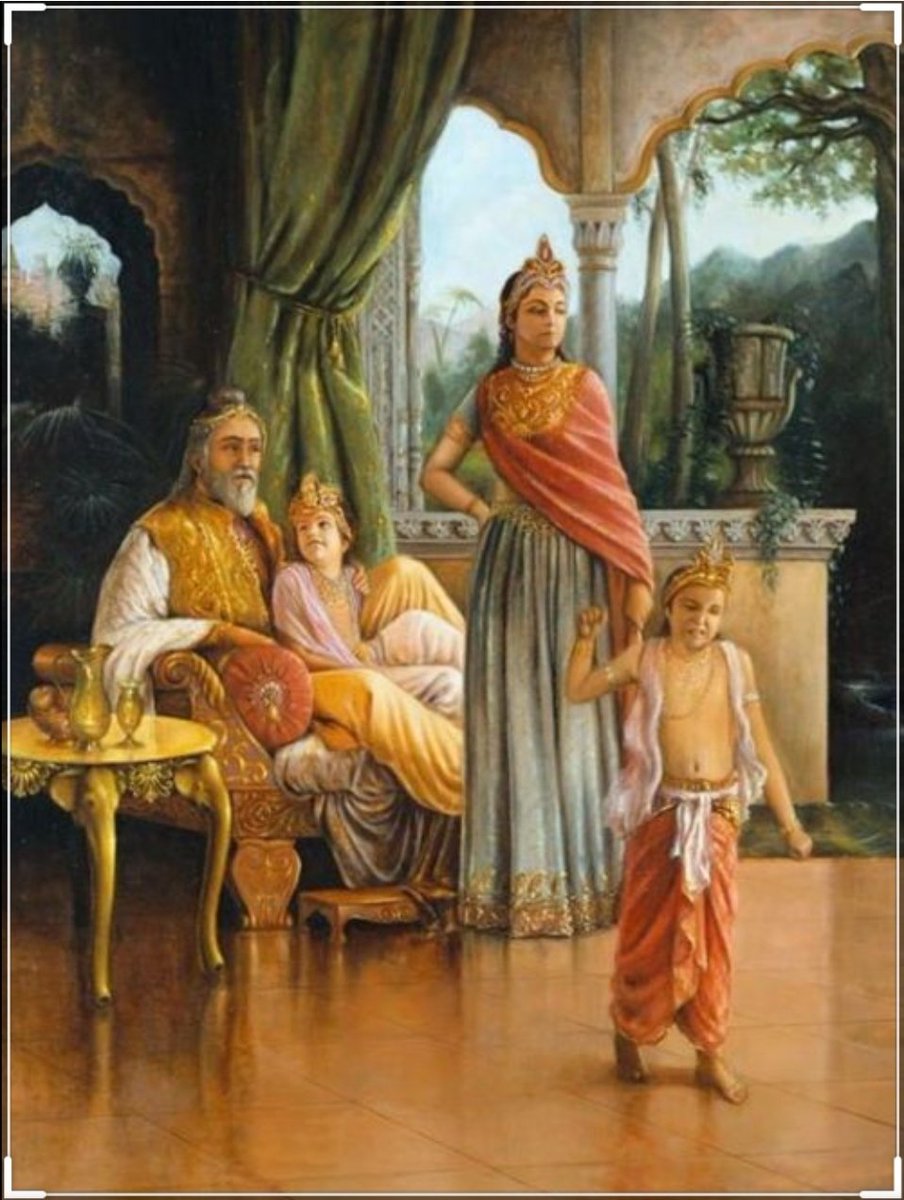
Once upon a time there was a Raja named Uttānapāda born of Svayambhuva Manu,1st man on earth.He had 2 beautiful wives - Suniti & Suruchi & two sons were born of them Dhruva & Uttama respectively.
#talesofkrishna https://t.co/E85MTPkF9W
Prabhu says i reside in the heart of my bhakt.
— Right Singh (@rightwingchora) December 21, 2020
Guess the event. pic.twitter.com/yFUmbfe5KL
Now Suniti was the daughter of a tribal chief while Suruchi was the daughter of a rich king. Hence Suruchi was always favored the most by Raja while Suniti was ignored. But while Suniti was gentle & kind hearted by nature Suruchi was venomous inside.
#KrishnaLeela
The story is of a time when ideally the eldest son of the king becomes the heir to the throne. Hence the sinhasan of the Raja belonged to Dhruva.This is why Suruchi who was the 2nd wife nourished poison in her heart for Dhruva as she knew her son will never get the throne.
One day when Dhruva was just 5 years old he went on to sit on his father's lap. Suruchi, the jealous queen, got enraged and shoved him away from Raja as she never wanted Raja to shower Dhruva with his fatherly affection.
Dhruva protested questioning his step mother "why can't i sit on my own father's lap?" A furious Suruchi berated him saying "only God can allow him that privilege. Go ask him"

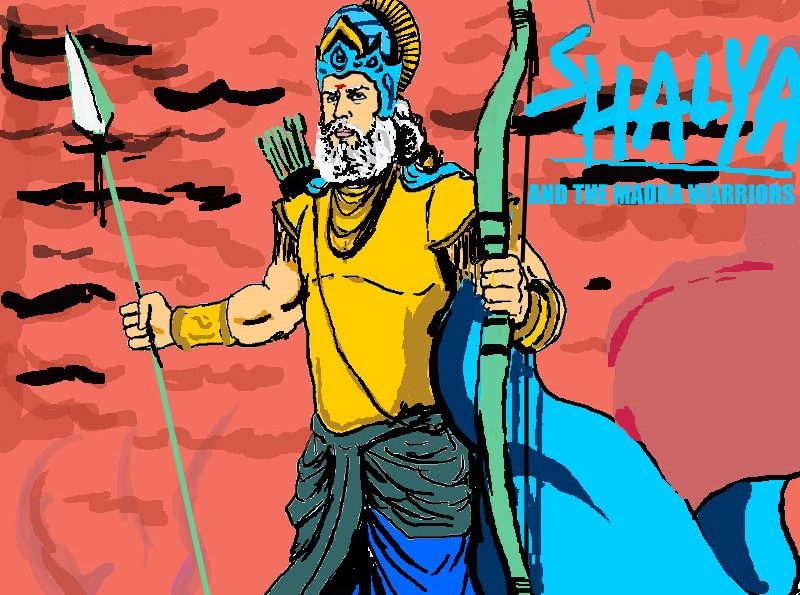

Chandeshwara gave importance to Shiva Puja&protection of cows.
His bhakti for Bhagwan Shiva elevated him as one of foremost among 64 Nayanmars.
He is regarded as custodian of Shiva Temple's wealth& most of Shiva temples in South India has separate sannathi for him
#Thread 👇
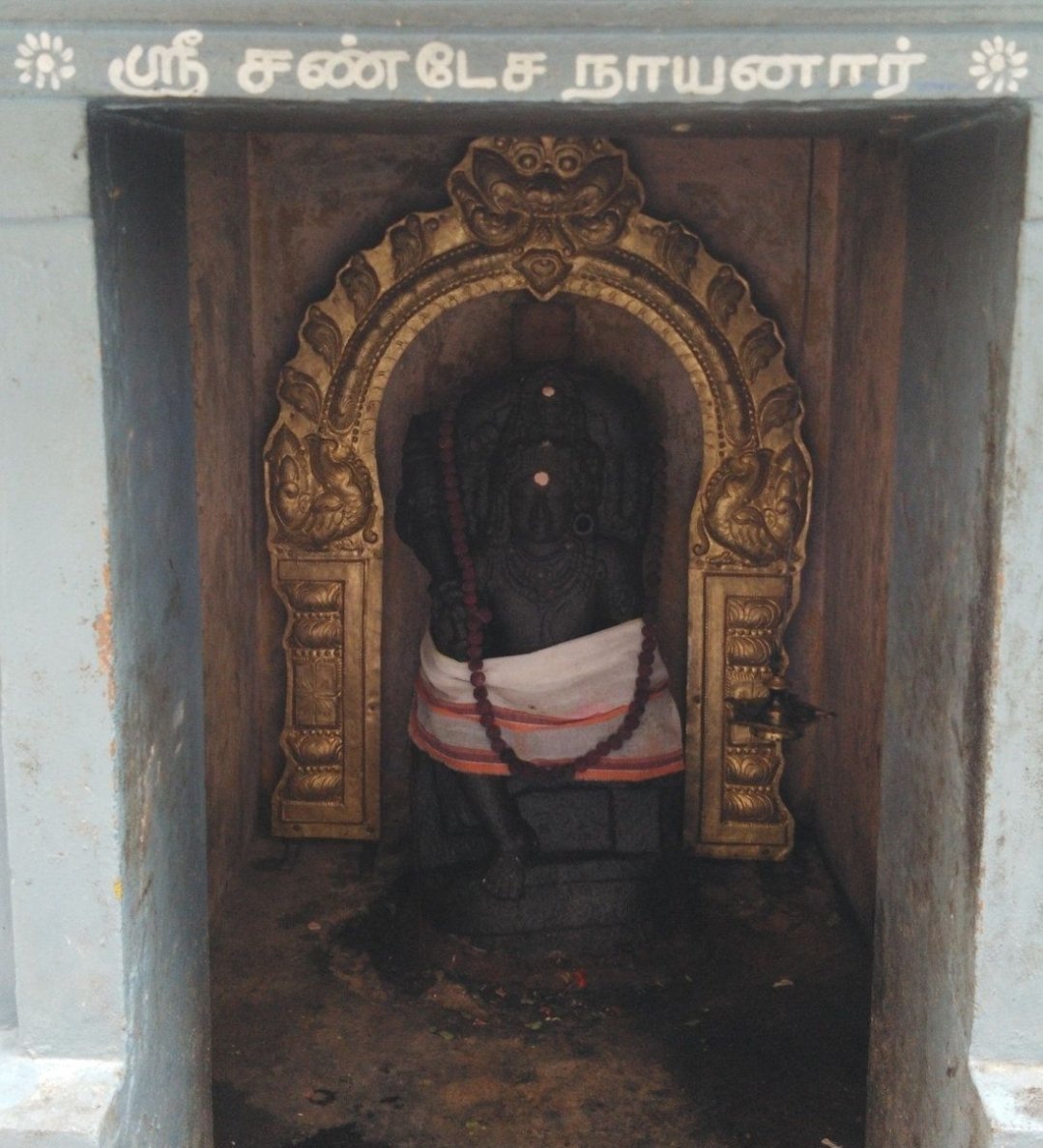
There are series of paintings, illustrating the #story of Chandikeshwar in the premises of
Sri Sathiyagireeswarar #Temple - Seinganur,near Kumbakonam,TN
Chandikeshwara's birth name
is Vichara sarman.He was born in the village Seinganur on the banks of River Manni.
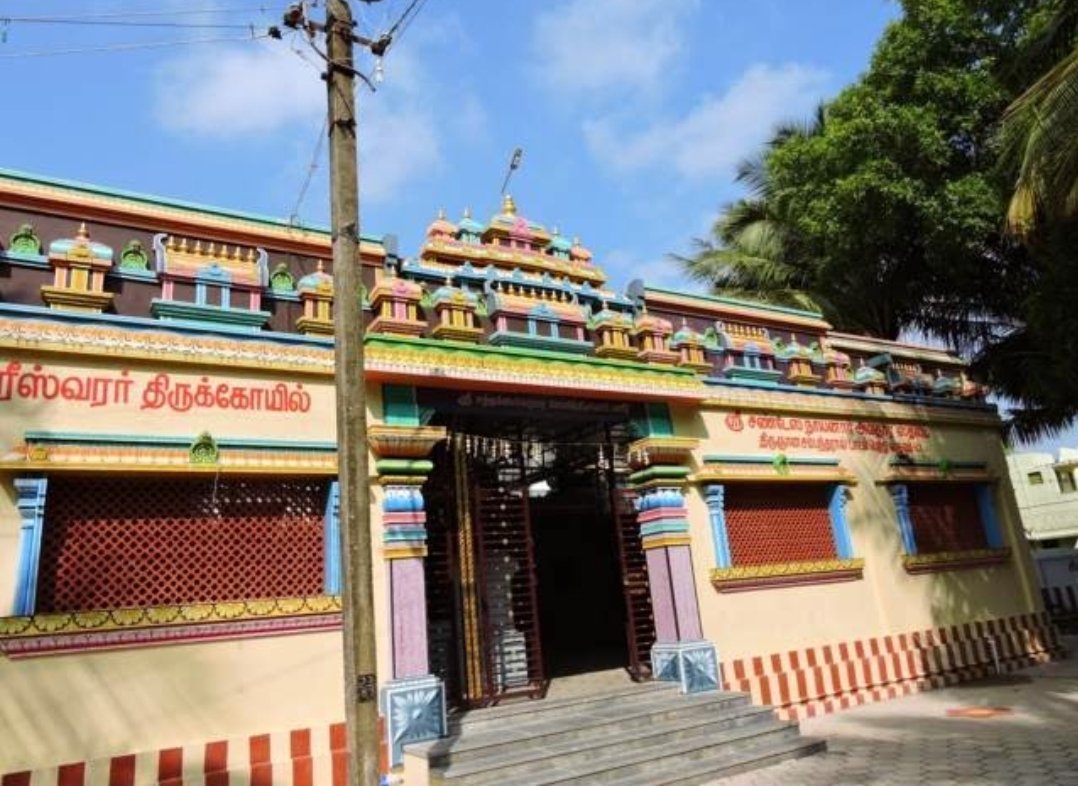
His Parent names were Yajna Thatan and Pavithrai.
Vichara Sarmar was gifted child and he learnt the Vedas and agamas at a very young age.
He was very devout and would always think about Bhagwan Shiva.
One day he saw a cowherd brutally assaulting a cow,Vichara Sarmar could not tolerate this. He spoke to cowherd: ‘Do you not know that the cow is worshipful and divine? All gods & devas reside in https://t.co/ElLcI5ppsK it is our duty to protect cows,not to harm them.
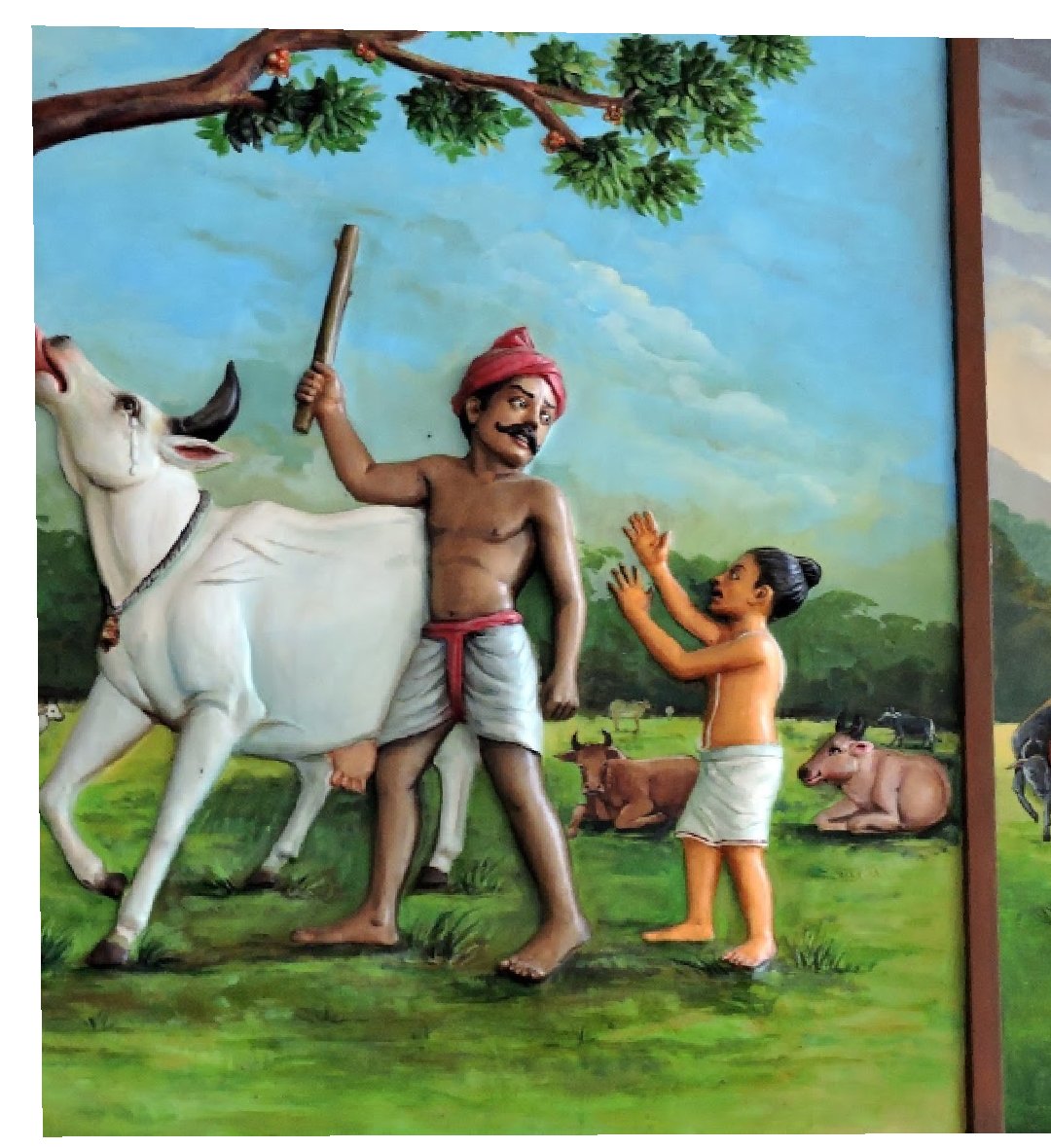
He was very angry on seeing the rude behaviour of the cowherd, Vichara sarma took up the duty of tending the cows himself.From that day onwards,the cows looked happier and yielded more milk.Cows grew healthier due to care showered by him on them.
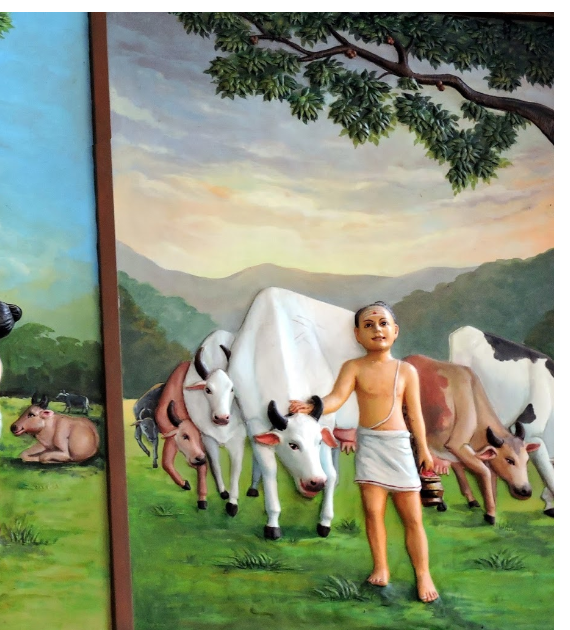
His bhakti for Bhagwan Shiva elevated him as one of foremost among 64 Nayanmars.
He is regarded as custodian of Shiva Temple's wealth& most of Shiva temples in South India has separate sannathi for him
#Thread 👇
There are series of paintings, illustrating the #story of Chandikeshwar in the premises of
Sri Sathiyagireeswarar #Temple - Seinganur,near Kumbakonam,TN
Chandikeshwara's birth name
is Vichara sarman.He was born in the village Seinganur on the banks of River Manni.
His Parent names were Yajna Thatan and Pavithrai.
Vichara Sarmar was gifted child and he learnt the Vedas and agamas at a very young age.
He was very devout and would always think about Bhagwan Shiva.
One day he saw a cowherd brutally assaulting a cow,Vichara Sarmar could not tolerate this. He spoke to cowherd: ‘Do you not know that the cow is worshipful and divine? All gods & devas reside in https://t.co/ElLcI5ppsK it is our duty to protect cows,not to harm them.
He was very angry on seeing the rude behaviour of the cowherd, Vichara sarma took up the duty of tending the cows himself.From that day onwards,the cows looked happier and yielded more milk.Cows grew healthier due to care showered by him on them.
You May Also Like





H was always unseen in S2NL :)
Those who exited at 1500 needed money. They can always come back near 969. Those who exited at 230 also needed money. They can come back near 95.
Those who sold L @ 660 can always come back at 360. Those who sold S last week can be back @ 301
Those who exited at 1500 needed money. They can always come back near 969. Those who exited at 230 also needed money. They can come back near 95.
Those who sold L @ 660 can always come back at 360. Those who sold S last week can be back @ 301
Sir, Log yahan.. 13 days patience nhi rakh sakte aur aap 2013 ki baat kar rahe ho. Even Aap Ready made portfolio banakar bhi de do to bhi wo 1 month me hi EXIT kar denge \U0001f602
— BhavinKhengarSuratGujarat (@IntradayWithBRK) September 19, 2021
Neuland 2700 se 1500 & Sequent 330 to 230 kya huwa.. 99% retailers/investors twitter par charcha n EXIT\U0001f602


