Travelogue: Of Abacha, Okpa & Other Things I Saw On A Road Trip From Anambra To Enugu
I believe two things give people great exposure- reading and travelling. I love both. Anytime I get into a new or unfamiliar environment, I like to explore the place.
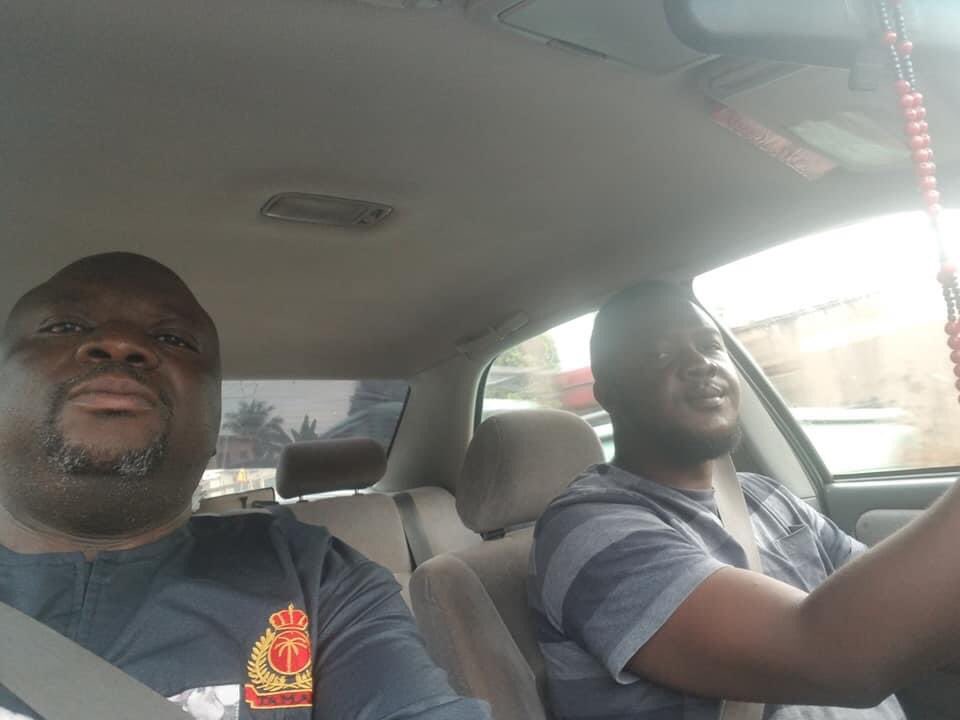

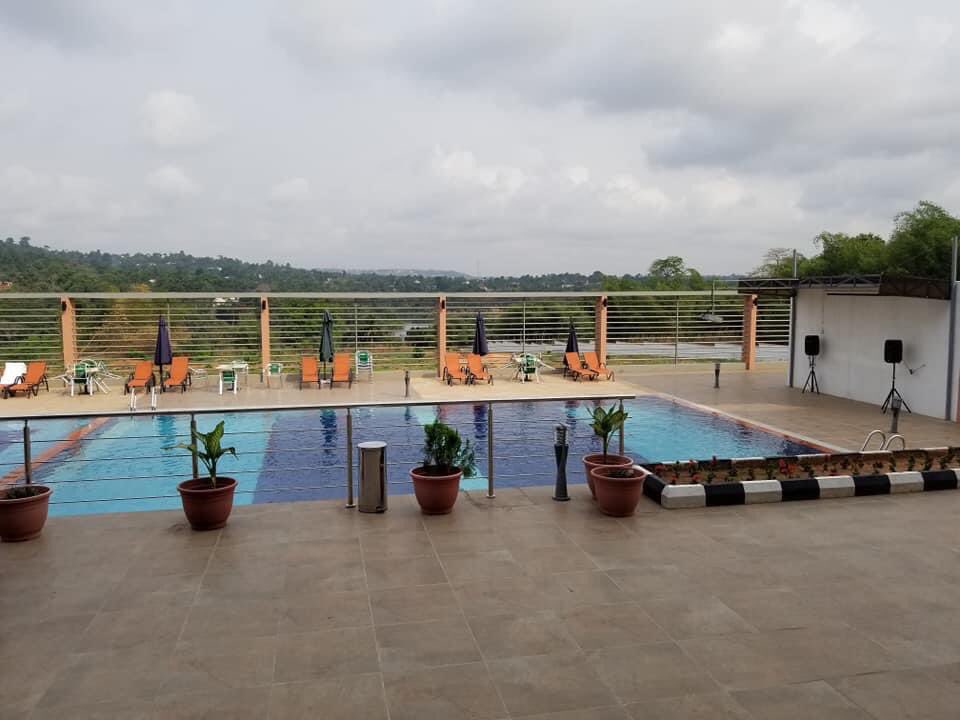

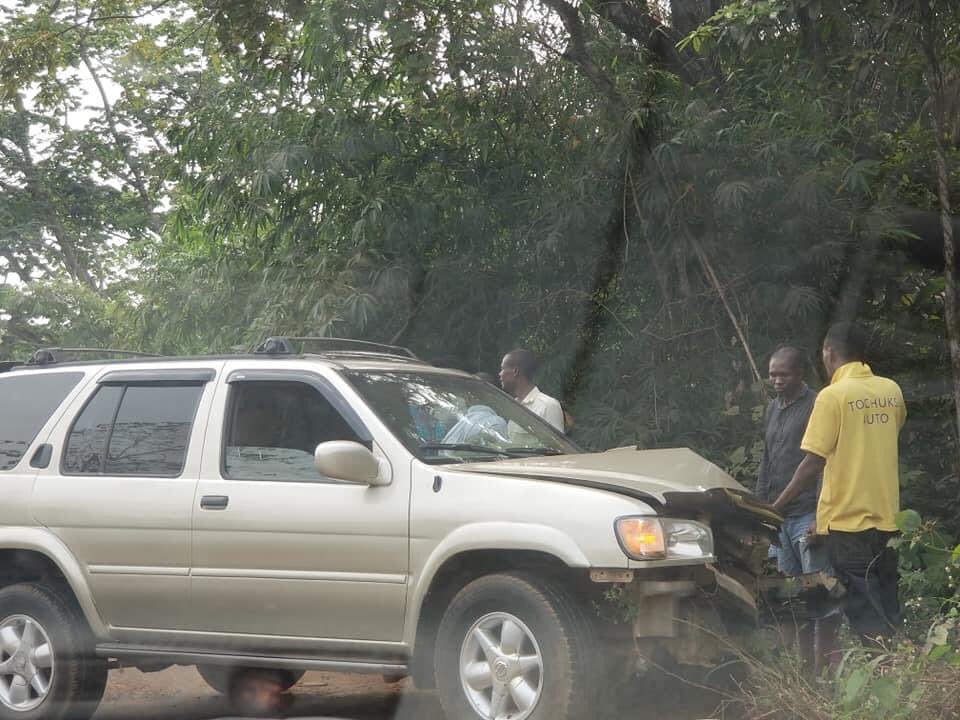

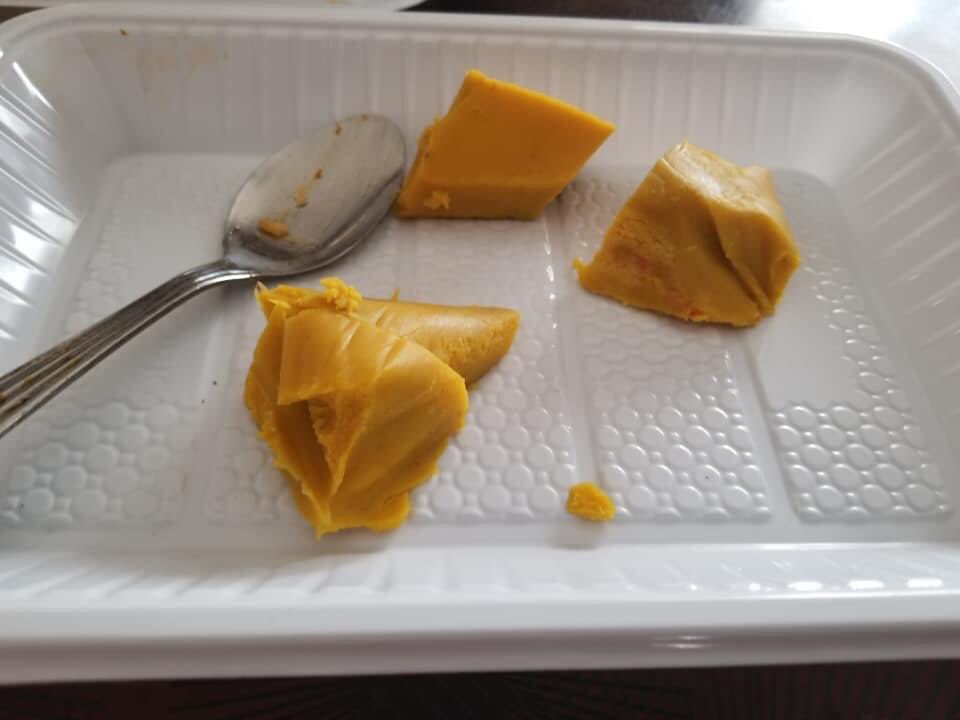

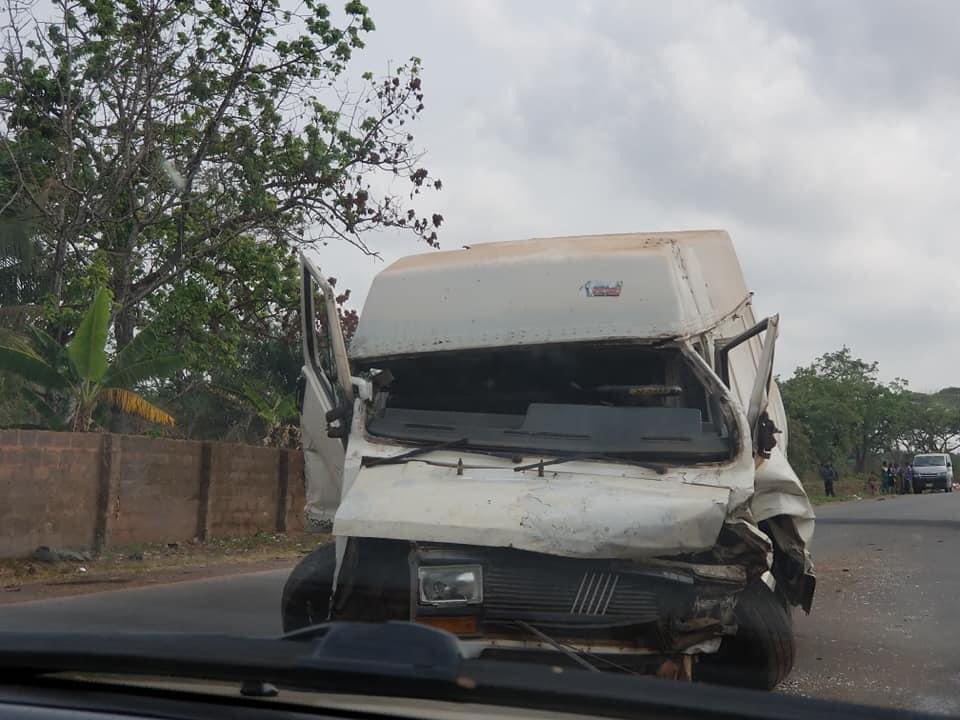
We passed through Agbudu Kingdom and got to Udi hills - a road that is very slopy and windy. One had to slow down on this portion of the road. Udi hills road is risky at night.

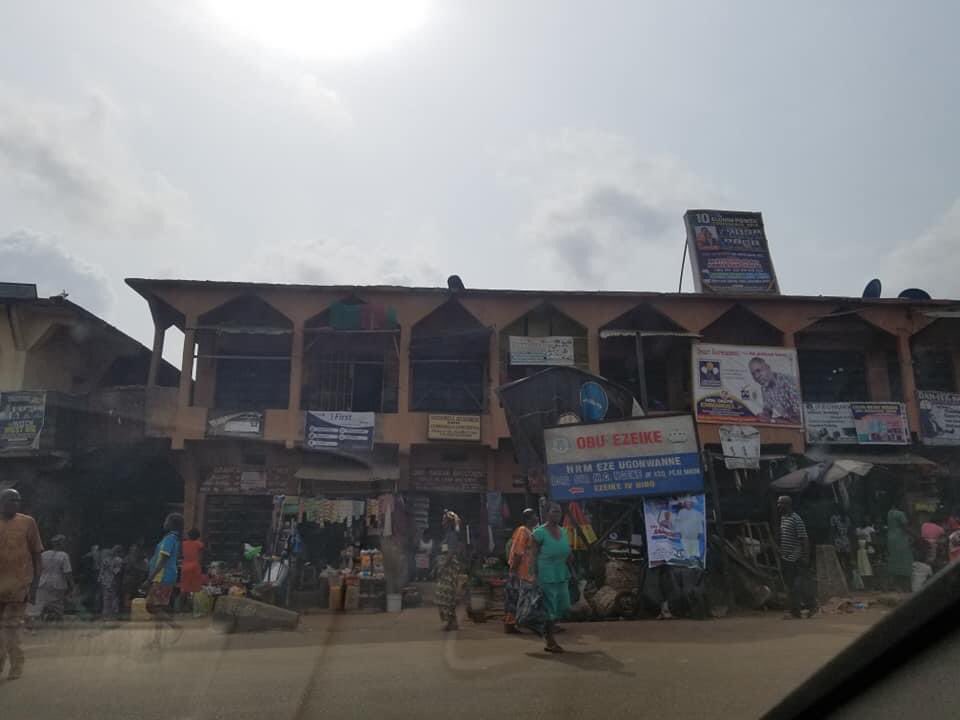
(All pictures taken by me)
Written Feb 2, 2019
Bayo Adeyinka
@threadreaderapp unroll

More from Bayo Adeyinka
More from Life


TW: suicidal ideation.
At the darkest days of the abuse I was being subjected to I decided to attend a conference for women in Los Angeles. I convinced my mother in law to pay for it because I couldn’t afford it. @ChristineCaine was preaching. I was desperate...
1/
I wanted to die, I didn’t see a way out and I had tried everything. I imagined many ways to die daily. The most recurring one was throwing my car down a bridge I had to drive over every day. I never did it because my kids were in the car and I was afraid one of them would...
2/
survive or I’d kill someone on the way down.
Christine spoke about honoring your pastors even when they weren’t great, she spoke of us expecting too much of pastors and how wrong that was. She said God would use our testimony if we submitted to our pastors.
3/
She said “honor your pastors, God will honor you.” She said more about having disagreed with her pastors but she submitted and God honored her and now she’s blessed. How if they are faithfully serving God, we need to support them and not forfeit what God has for us.
4/
I felt my heart drop into my stomach. I got up and went to the bathroom because I couldn’t breath and I felt like I was going to faint if I didn’t scream. I now know I was having a panic attack. I sat on the toilet w/my head between my legs, breathed and wept..
5/
At the darkest days of the abuse I was being subjected to I decided to attend a conference for women in Los Angeles. I convinced my mother in law to pay for it because I couldn’t afford it. @ChristineCaine was preaching. I was desperate...
1/
There are many reasons why the unfolding news of Ravi Zacharias\u2019 abuse is enraging. But for me, there\u2019s one other piece. The women he chose to abuse were young, massage therapists, ethnic minorities, likely women who were not in positions of power or education.
— Devi Abraham (@devi_writes) February 12, 2021
I wanted to die, I didn’t see a way out and I had tried everything. I imagined many ways to die daily. The most recurring one was throwing my car down a bridge I had to drive over every day. I never did it because my kids were in the car and I was afraid one of them would...
2/
survive or I’d kill someone on the way down.
Christine spoke about honoring your pastors even when they weren’t great, she spoke of us expecting too much of pastors and how wrong that was. She said God would use our testimony if we submitted to our pastors.
3/
She said “honor your pastors, God will honor you.” She said more about having disagreed with her pastors but she submitted and God honored her and now she’s blessed. How if they are faithfully serving God, we need to support them and not forfeit what God has for us.
4/
I felt my heart drop into my stomach. I got up and went to the bathroom because I couldn’t breath and I felt like I was going to faint if I didn’t scream. I now know I was having a panic attack. I sat on the toilet w/my head between my legs, breathed and wept..
5/


You May Also Like

Took me 5 years to get the best Chartink scanners for Stock Market, but you’ll get it in 5 mminutes here ⏰
Do Share the above tweet 👆
These are going to be very simple yet effective pure price action based scanners, no fancy indicators nothing - hope you liked it.
https://t.co/JU0MJIbpRV
52 Week High
One of the classic scanners very you will get strong stocks to Bet on.
https://t.co/V69th0jwBr
Hourly Breakout
This scanner will give you short term bet breakouts like hourly or 2Hr breakout
Volume shocker
Volume spurt in a stock with massive X times
Do Share the above tweet 👆
These are going to be very simple yet effective pure price action based scanners, no fancy indicators nothing - hope you liked it.
https://t.co/JU0MJIbpRV
52 Week High
One of the classic scanners very you will get strong stocks to Bet on.
https://t.co/V69th0jwBr
Hourly Breakout
This scanner will give you short term bet breakouts like hourly or 2Hr breakout
Volume shocker
Volume spurt in a stock with massive X times




Tip from the Monkey
Pangolins, September 2019 and PLA are the key to this mystery
Stay Tuned!
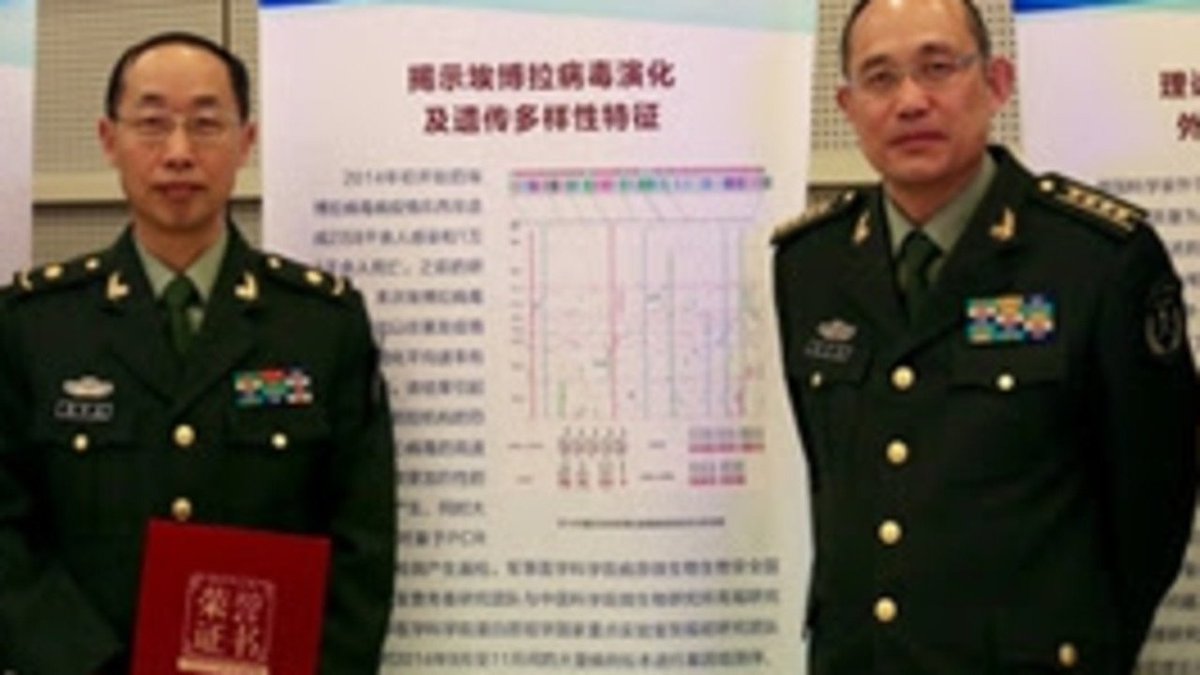
1. Yang
2. A jacobin capuchin dangling a flagellin pangolin on a javelin while playing a mandolin and strangling a mannequin on a paladin's palanquin, said Saladin
More to come tomorrow!

3. Yigang Tong
https://t.co/CYtqYorhzH
Archived: https://t.co/ncz5ruwE2W

4. YT Interview
Some bats & pangolins carry viruses related with SARS-CoV-2, found in SE Asia and in Yunnan, & the pangolins carrying SARS-CoV-2 related viruses were smuggled from SE Asia, so there is a possibility that SARS-CoV-2 were coming from
Pangolins, September 2019 and PLA are the key to this mystery
Stay Tuned!
1. Yang
Meet Yang Ruifu, CCP's biological weapons expert https://t.co/JjB9TLEO95 via @Gnews202064
— Billy Bostickson \U0001f3f4\U0001f441&\U0001f441 \U0001f193 (@BillyBostickson) October 11, 2020
Interesting expose of China's top bioweapons expert who oversaw fake pangolin research
Paper 1: https://t.co/TrXESKLYmJ
Paper 2:https://t.co/9LSJTNCn3l
Pangolinhttps://t.co/2FUAzWyOcv pic.twitter.com/I2QMXgnkBJ
2. A jacobin capuchin dangling a flagellin pangolin on a javelin while playing a mandolin and strangling a mannequin on a paladin's palanquin, said Saladin
More to come tomorrow!
3. Yigang Tong
https://t.co/CYtqYorhzH
Archived: https://t.co/ncz5ruwE2W
4. YT Interview
Some bats & pangolins carry viruses related with SARS-CoV-2, found in SE Asia and in Yunnan, & the pangolins carrying SARS-CoV-2 related viruses were smuggled from SE Asia, so there is a possibility that SARS-CoV-2 were coming from