Categories Health
7 days
30 days
All time
Recent
Popular


@ChaunceyGardner 1/10. Several clinical trials have shown that the mean nasal mucociliary clearance is negatively and significantly affected by cigarette smoking (PMIDs: 24669080, 3787531, 23615315,
2/10. Ciliary beat frequency is also significantly affected by smoking habit. A reduced nasal ciliary beat frequency was observed among smoking individuals in a cohort study performed in a British urban population (PMID: 9669071).
3/10. In vitro, using human 3D epithelial cultures, cigarette smoke affects the cilia beat frequency in nasal and bronchial tissue cultures (PMIDs: 33220401, 30090531). In vivo, smoke exposure also affects cilia beat frequency in mice (PMID: 20042711).
4/10. Given the consistency of these observations, and the dose response (e.g. PMID: 23615315), these mucociliary clearance-related endpoints are translational between human clinical, human in vitro and in vivo animal studies.
5/10. Smoking cessation leads to an improvement of mucociliary clearance (PMIDs: 21545372, 24863424, https://t.co/BmFu2AnabI). Hence, the cilia function recovers over time following smoking cessation (as you wrote in your Tweet).
2/10. Ciliary beat frequency is also significantly affected by smoking habit. A reduced nasal ciliary beat frequency was observed among smoking individuals in a cohort study performed in a British urban population (PMID: 9669071).
3/10. In vitro, using human 3D epithelial cultures, cigarette smoke affects the cilia beat frequency in nasal and bronchial tissue cultures (PMIDs: 33220401, 30090531). In vivo, smoke exposure also affects cilia beat frequency in mice (PMID: 20042711).
4/10. Given the consistency of these observations, and the dose response (e.g. PMID: 23615315), these mucociliary clearance-related endpoints are translational between human clinical, human in vitro and in vivo animal studies.
5/10. Smoking cessation leads to an improvement of mucociliary clearance (PMIDs: 21545372, 24863424, https://t.co/BmFu2AnabI). Hence, the cilia function recovers over time following smoking cessation (as you wrote in your Tweet).


Sarcomeres in cardiac myocytes (heart muscle cells) are mechanically coupled to focal adhesions through dorsal stress fiber-like structures. #cardiotwitter #CellBiology
1/13
A thread based on Figure 1
A mature adult cardiac myocyte is packed with sarcomeres, whose contractile forces are coupled to the extracellular environment. With sarcomeres so close to the plasma membrane, how can we study the nature of this coupling?
2/13
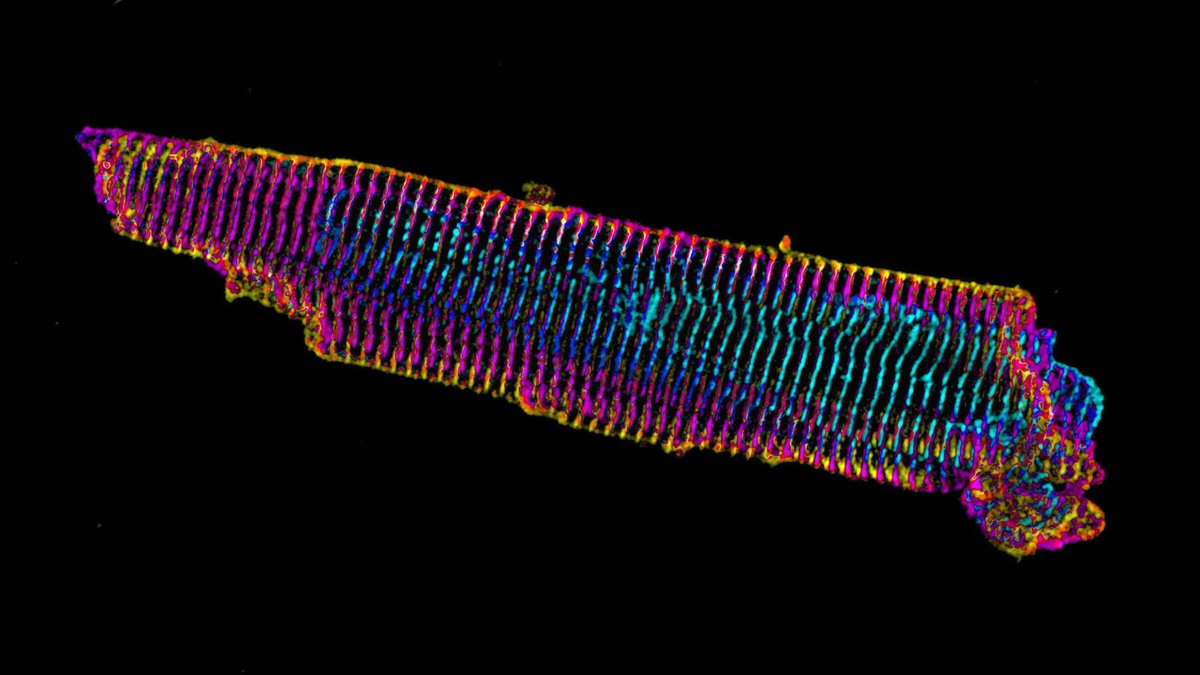
Short answer: find a model system where the sarcomeres are not so close to what the cardiac myocyte is attached to. Enter, iPS cell-derived cardiac myocytes. These are “immature” in culture as they resemble fetal or neonatal cardiac myocytes.
3/13
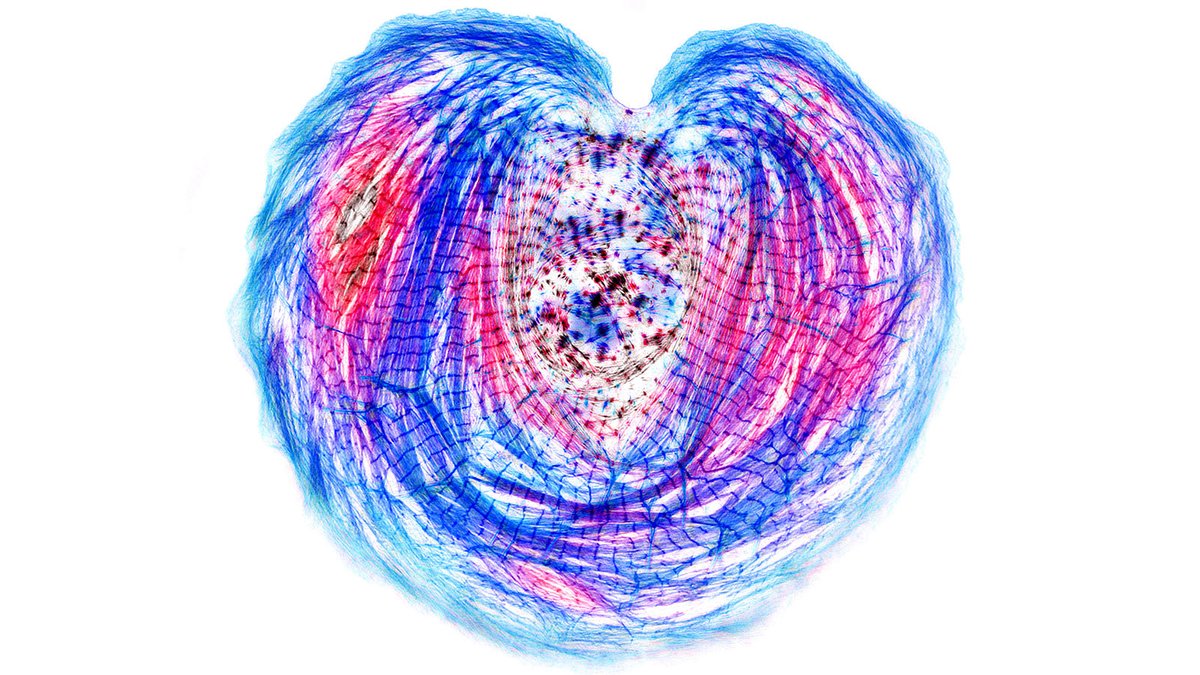
Our previous work on iPS cardiac myocytes reported that sarcomere containing myofibrils assembled on the top surface of the myocyte.
https://t.co/xIBCu3hG1W
4/13
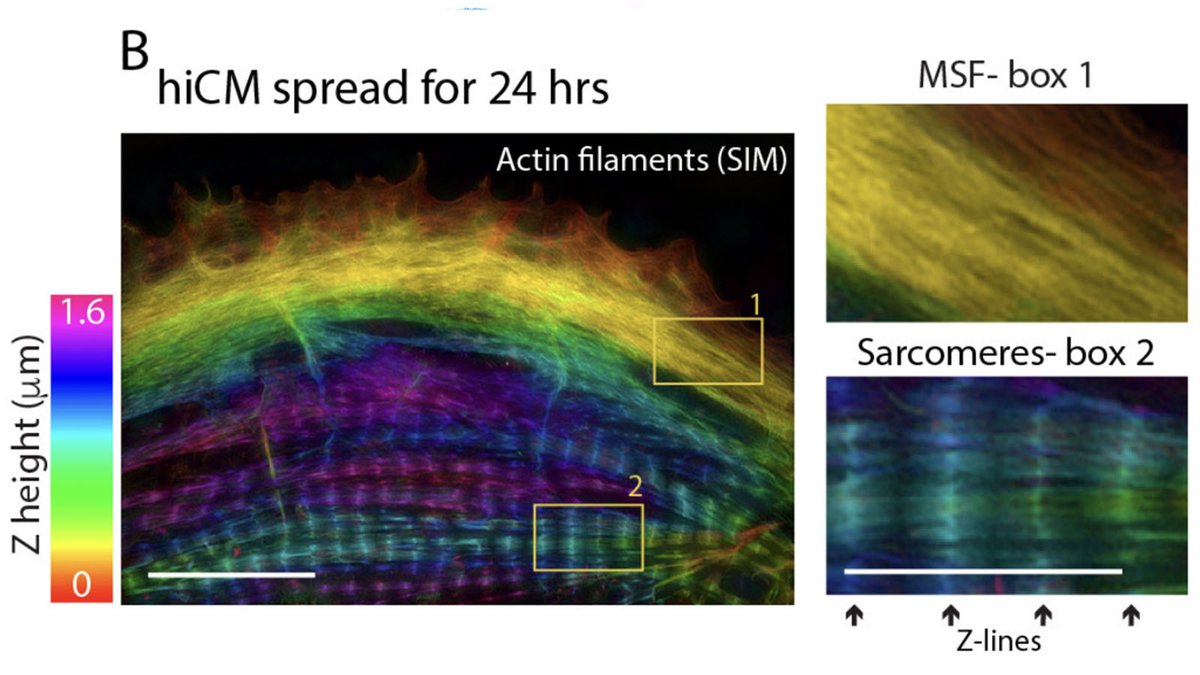
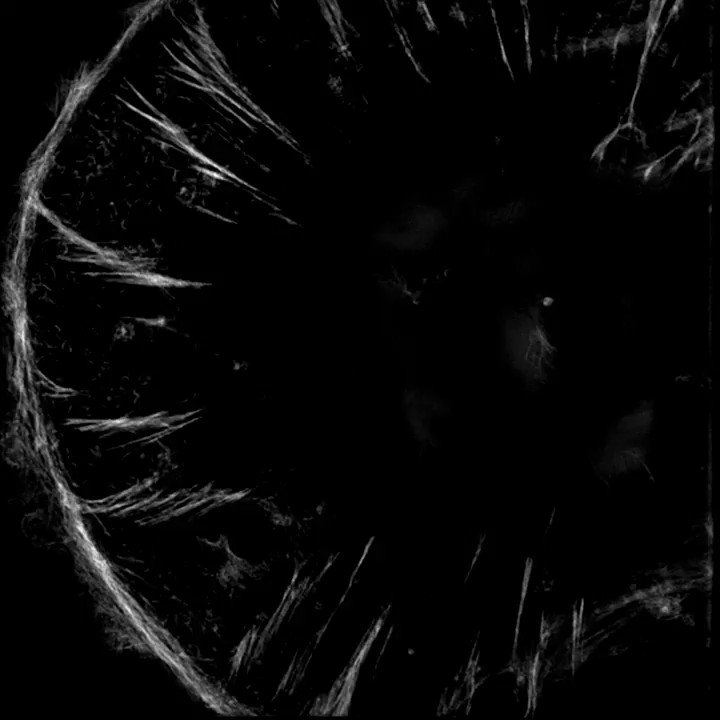
The sarcomeres seemed to be connected to focal adhesions on the bottom of the cell by thin actin bundles that resembled the dorsal stress fibers (DSF) commonly found in non-muscle cells. This movie steps through a Z stack of a myocyte starting at the bottom of the cell.
5/13
1/13
A thread based on Figure 1
A mature adult cardiac myocyte is packed with sarcomeres, whose contractile forces are coupled to the extracellular environment. With sarcomeres so close to the plasma membrane, how can we study the nature of this coupling?
2/13
Short answer: find a model system where the sarcomeres are not so close to what the cardiac myocyte is attached to. Enter, iPS cell-derived cardiac myocytes. These are “immature” in culture as they resemble fetal or neonatal cardiac myocytes.
3/13
Our previous work on iPS cardiac myocytes reported that sarcomere containing myofibrils assembled on the top surface of the myocyte.
https://t.co/xIBCu3hG1W
4/13
The sarcomeres seemed to be connected to focal adhesions on the bottom of the cell by thin actin bundles that resembled the dorsal stress fibers (DSF) commonly found in non-muscle cells. This movie steps through a Z stack of a myocyte starting at the bottom of the cell.
5/13


As if they didn't know this before or conclude CONSISTENTLY after systematic review + meta analysis of randomized controlled trials that masks do not mitigate communicable viral spread?
But TRASH "health" agencies & experts continue w/their Wear A Mask campaign & suppress niacin
https://t.co/1DRUO9L3ap
But TRASH "health" agencies & experts continue w/their Wear A Mask campaign & suppress niacin
Bacterial Pneumonia and Other Health Risks of Wearing Masks Alarm Doctors https://t.co/8eKmIaxeMQ
— Toni (@Landau_18901) January 3, 2021
https://t.co/1DRUO9L3ap
And remember, @CDCgov already concluded in systematic review of 14 RCTs that masks don't mitigate influenza spread, and a meta analysis further evidenced that even N95 masks make no difference vs cloth masks, meaning that no masks - not even N95 - workhttps://t.co/mSwdz7U6tM
— 3PIDEMIOLOGY (@3PIDEMIOLOGY) December 31, 2020

I disagree with you, Alastair. I believe @PanData19 is filling in the gaps that governments have failed to fill. I encourage you to have an open mind and listen intently to what we have to say. 1/n
Here’s how @PanData19 is approaching this crisis differently from governments:
We believe that "health is a state of complete physical, mental and social well-being and not merely the absence of disease or infirmity."- @WHO 2/n
To tackle the problem holistically, we have formed a multidisciplinary team made up of immunologist, microbiologist, geneticists, data scientists, physicians, economist, psychologists, educators, public health professionals and business owners. 3/n
We have also backed ourselves with a scientific advisory board made up of prominent experts in their fields.
@MartinKulldorff
@SunetraGupta
@MLevitt_NP2013
@MichaelYeadon3
#JayBhattacharya
#SucharitBhakdi
They are supporting us every step of the way. 4/n
We believe that "the right to health is one of a set of internationally agreed human rights standards, and is inseparable or ‘indivisible’ from these other rights.” @WHO 5/n
It\u2019s disappointing that you would join an organization comprised of non-experts, spreading harmful misinformation about a pandemic.
— Alastair \u2018Wear a Mask\u2019 McAlpine (@AlastairMcA30) December 11, 2020
I would urge you to reconsider.
Here’s how @PanData19 is approaching this crisis differently from governments:
We believe that "health is a state of complete physical, mental and social well-being and not merely the absence of disease or infirmity."- @WHO 2/n
To tackle the problem holistically, we have formed a multidisciplinary team made up of immunologist, microbiologist, geneticists, data scientists, physicians, economist, psychologists, educators, public health professionals and business owners. 3/n
We have also backed ourselves with a scientific advisory board made up of prominent experts in their fields.
@MartinKulldorff
@SunetraGupta
@MLevitt_NP2013
@MichaelYeadon3
#JayBhattacharya
#SucharitBhakdi
They are supporting us every step of the way. 4/n
We believe that "the right to health is one of a set of internationally agreed human rights standards, and is inseparable or ‘indivisible’ from these other rights.” @WHO 5/n




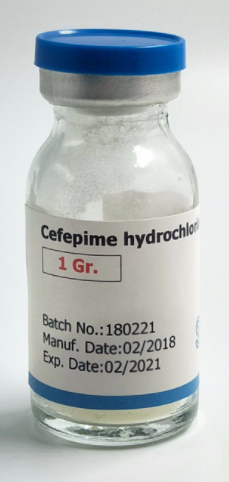
1/15
Why can cefepime cause neurological toxicity?
And why is renal failure the main risk factor for this complication?
The answer requires us to learn about cefepime's structure and why it unexpectedly binds to a certain CNS receptor.
#MedTwitter #Tweetorial
2/
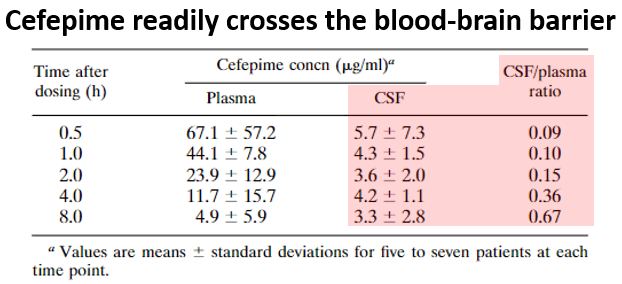
Let's establish a few facts about cefepime:
🔺4th generation cephalosporin antibiotic
🔺Excretion = exclusively in the urine (mostly as unchanged drug)
🔺Readily crosses the blood-brain barrier (so it easily accesses the brain)
https://t.co/rjYG1BfGPR
3/
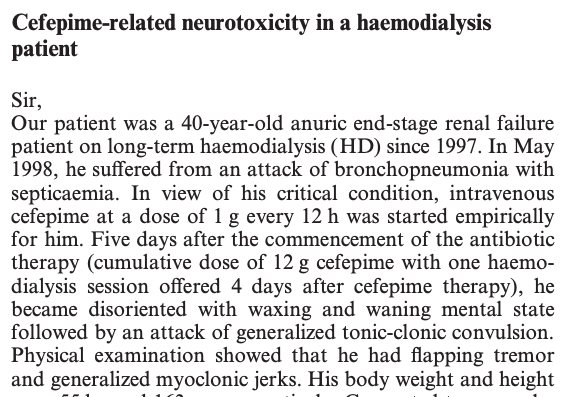
The first report of cefepime neurotoxicity was in 1999.
A patient w/ renal failure received high doses of cefepime and then developed encephalopathy, tremors, myoclonic jerks, and tonic-clonic seizures.
✅All symptoms resolved after hemodialysis.
https://t.co/u7JLVitQpp
4/
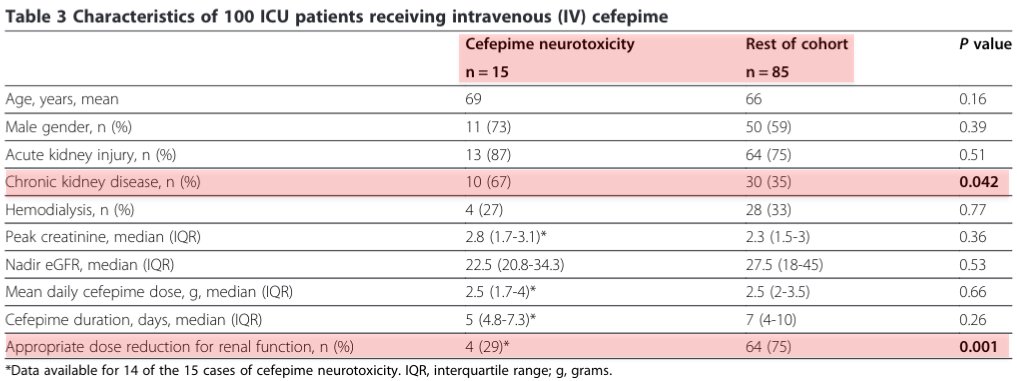
Cefepime neurotoxicity is surprisingly common, occurring in up to 15% of treated critically ill patients (w/ symptoms varying from encephalopathy to seizures).
💡The main risk factors = renal failure and lack of dose adjustment for renal function.
https://t.co/nxbnzSq8AR
5/
What about cefepime induces neurotoxicity?
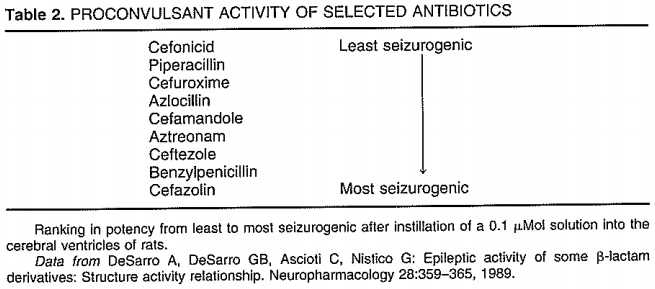
One clue is that it's not the only antibiotic that causes neurotoxicity, particularly seizures.
This actually is a class effect w/ other beta-lactam antibiotics (including penicillins and carbapenems).
https://t.co/Lf4BhON9IY
Why can cefepime cause neurological toxicity?
And why is renal failure the main risk factor for this complication?
The answer requires us to learn about cefepime's structure and why it unexpectedly binds to a certain CNS receptor.
#MedTwitter #Tweetorial
2/
Let's establish a few facts about cefepime:
🔺4th generation cephalosporin antibiotic
🔺Excretion = exclusively in the urine (mostly as unchanged drug)
🔺Readily crosses the blood-brain barrier (so it easily accesses the brain)
https://t.co/rjYG1BfGPR
3/
The first report of cefepime neurotoxicity was in 1999.
A patient w/ renal failure received high doses of cefepime and then developed encephalopathy, tremors, myoclonic jerks, and tonic-clonic seizures.
✅All symptoms resolved after hemodialysis.
https://t.co/u7JLVitQpp
4/
Cefepime neurotoxicity is surprisingly common, occurring in up to 15% of treated critically ill patients (w/ symptoms varying from encephalopathy to seizures).
💡The main risk factors = renal failure and lack of dose adjustment for renal function.
https://t.co/nxbnzSq8AR
5/
What about cefepime induces neurotoxicity?
One clue is that it's not the only antibiotic that causes neurotoxicity, particularly seizures.
This actually is a class effect w/ other beta-lactam antibiotics (including penicillins and carbapenems).
https://t.co/Lf4BhON9IY