
That first $1,200 check was obviously based on gross income from US federal minimum wage of $7.25/hr, for 40 hours a week, for a month: $1,160
What is this $600 amount based on?
Which is close enough that it *could* be what this number was based on
People on SSI are expected to live off a bit more than two weeks of minimum wage income each month.
https://t.co/NBoxyTDkVk
More from Anosognosiogenesis


So I've mentioned the sharpie test and the tueller drill.
Another reason you are dead within 1.5 seconds of encountering your first fast zombie, is adrenaline.
Most people who get attacked with a knife and survive to talk about it, say they never even knew a knife was there.
Or that they'd been stabbed, until after the fact.
In many cases, they think they'd just been punched, and are completely surprised
One reason the adage is "the winner is the one who dies in the ambulance, not the gutter," is because it's entirely possible to receive a fatal wound, not realize it, and then inflict a fatal wound on the other guy without *him* realizing it.
A dozen times within 30 seconds.
The marker drill teaches how you *will* get cut, fatally, without realizing it.
In full adrenaline freakout, this is even more pronounced.
Another reason you are dead within 1.5 seconds of encountering your first fast zombie, is adrenaline.
The Tueller Drill is interesting.https://t.co/D6p3zRRV52
— Anosognosiogenesis (@pookleblinky) December 20, 2020
Most people who get attacked with a knife and survive to talk about it, say they never even knew a knife was there.
Or that they'd been stabbed, until after the fact.
In many cases, they think they'd just been punched, and are completely surprised
One reason the adage is "the winner is the one who dies in the ambulance, not the gutter," is because it's entirely possible to receive a fatal wound, not realize it, and then inflict a fatal wound on the other guy without *him* realizing it.
A dozen times within 30 seconds.
The marker drill teaches how you *will* get cut, fatally, without realizing it.
In full adrenaline freakout, this is even more pronounced.
More from Government




You May Also Like






BREAKING: @CommonsCMS @DamianCollins just released previously sealed #Six4Three @Facebook documents:
Some random interesting tidbits:
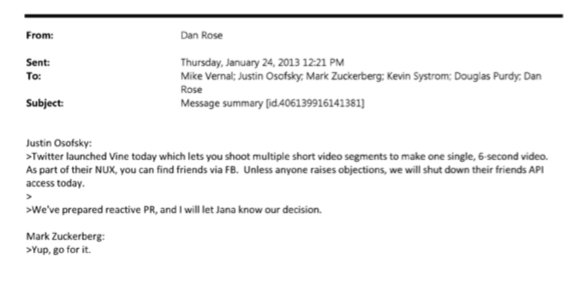
1) Zuck approves shutting down platform API access for Twitter's when Vine is released #competition
2) Facebook engineered ways to access user's call history w/o alerting users:
Team considered access to call history considered 'high PR risk' but 'growth team will charge ahead'. @Facebook created upgrade path to access data w/o subjecting users to Android permissions dialogue.
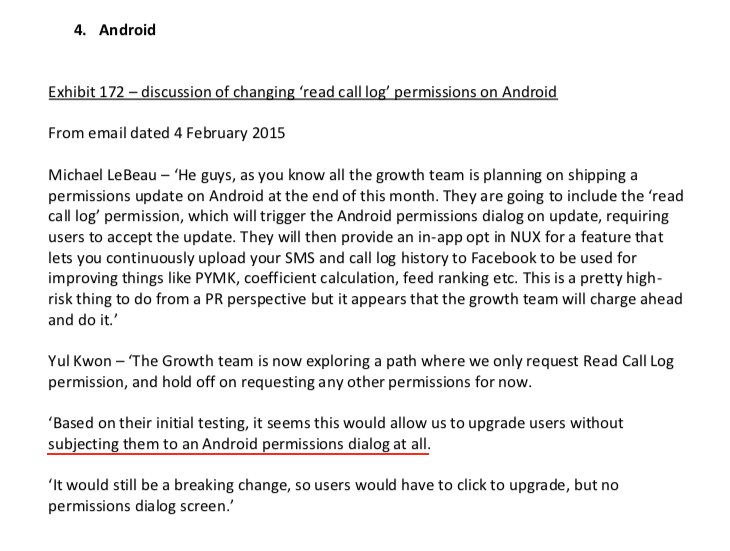
3) The above also confirms @kashhill and other's suspicion that call history was used to improve PYMK (People You May Know) suggestions and newsfeed rankings.
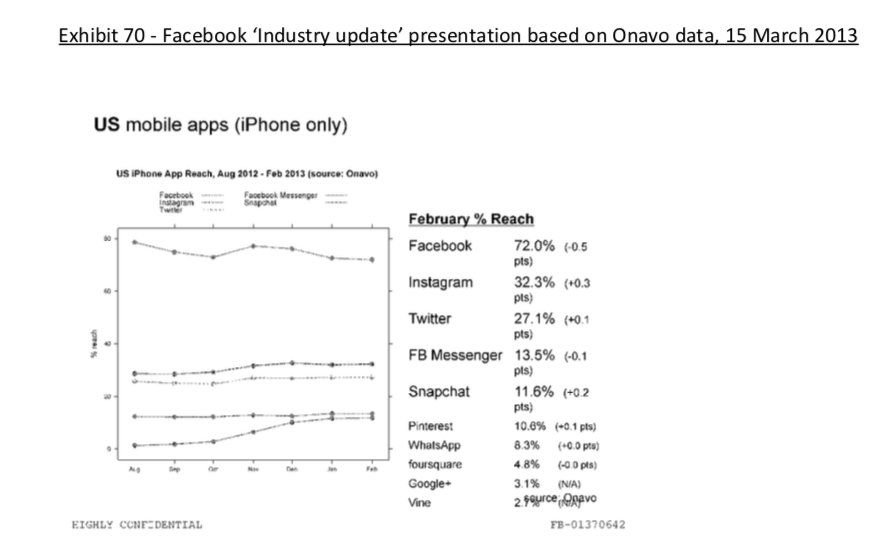
4) Docs also shed more light into @dseetharaman's story on @Facebook monitoring users' @Onavo VPN activity to determine what competitors to mimic or acquire in 2013.
https://t.co/PwiRIL3v9x
Some random interesting tidbits:
1) Zuck approves shutting down platform API access for Twitter's when Vine is released #competition
2) Facebook engineered ways to access user's call history w/o alerting users:
Team considered access to call history considered 'high PR risk' but 'growth team will charge ahead'. @Facebook created upgrade path to access data w/o subjecting users to Android permissions dialogue.
3) The above also confirms @kashhill and other's suspicion that call history was used to improve PYMK (People You May Know) suggestions and newsfeed rankings.
4) Docs also shed more light into @dseetharaman's story on @Facebook monitoring users' @Onavo VPN activity to determine what competitors to mimic or acquire in 2013.
https://t.co/PwiRIL3v9x