Maina Files No Case Submission as EFCC Closes Case
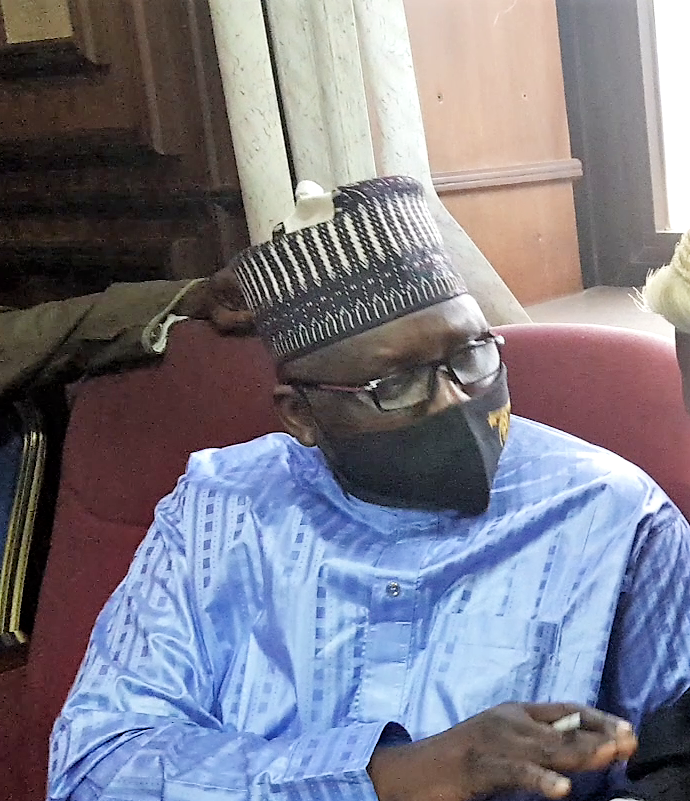
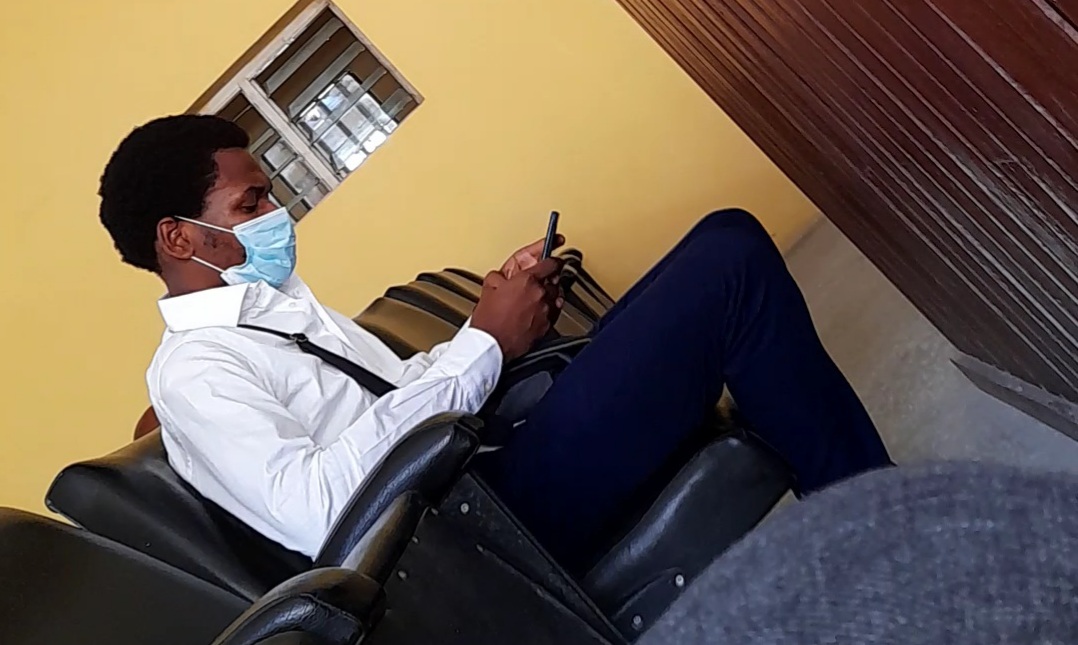
As the ninth prosecution witness, Rouqayya Ibrahim rounded off her evidence-in-chief in the ongoing corruption trial of Abdulrasheed Maina, former Chairman of the Pension Reform Task Team,...
More from EFCC Nigeria

More from Fraud




A thread on attempted election fraud in Canada: First, most breaches of election law here are related to financing, not illegal voting or ballot-box stuffing. And most are minor. That’s because our elxn finance laws are extremely tight and contribution/spending limits low. 1/
I covered two of the best-known cases in recent years: “robocalls” in 2011 election and the “in-and-out” affair of 2006. You probably heard a lot about the former and maybe nothing of the latter. Both were important for different reasons. 2/
In robocalls, the Conservative party’s voter-tracking database, CIMS, was used to make fraudulent automated calls to about 7,000 identified Liberal voters in Guelph, Ontario, directing them to the wrong polling location. The scheme didn’t work. The Liberals won the riding. 3/
Elections Canada caught on to the scheme on the day the calls were made, election day, and began investigating almost immediately. The long and complex investigation found the calls originated with someone working for the Conservative candidate in Guelph. 4/
After a trial, a lone campaign staffer was found guilty. He served jail time. The judge said it appeared to him others were likely involved but no one else was charged. Throughout, the CPC denied any knowledge of the scheme. 5/
Hey Canada, can we talk about how Conservatives are fundraising based on dangerous lies & how it needs to stop immediately? #cdnpoli pic.twitter.com/2LSHcJtsMf
— \U0001f142\U0001f130\U0001f13c\U0001f138 (@samifouad) January 8, 2021
I covered two of the best-known cases in recent years: “robocalls” in 2011 election and the “in-and-out” affair of 2006. You probably heard a lot about the former and maybe nothing of the latter. Both were important for different reasons. 2/
In robocalls, the Conservative party’s voter-tracking database, CIMS, was used to make fraudulent automated calls to about 7,000 identified Liberal voters in Guelph, Ontario, directing them to the wrong polling location. The scheme didn’t work. The Liberals won the riding. 3/
Elections Canada caught on to the scheme on the day the calls were made, election day, and began investigating almost immediately. The long and complex investigation found the calls originated with someone working for the Conservative candidate in Guelph. 4/
After a trial, a lone campaign staffer was found guilty. He served jail time. The judge said it appeared to him others were likely involved but no one else was charged. Throughout, the CPC denied any knowledge of the scheme. 5/



You May Also Like

First thread of the year because I have time during MCO. As requested, a thread on the gods and spirits of Malay folk religion. Some are indigenous, some are of Indian origin, some have Islamic
Before I begin, it might be worth explaining the Malay conception of the spirit world. At its deepest level, Malay religious belief is animist. All living beings and even certain objects are said to have a soul. Natural phenomena are either controlled by or personified as spirits
Although these beings had to be respected, not all of them were powerful enough to be considered gods. Offerings would be made to the spirits that had greater influence on human life. Spells and incantations would invoke their
Two known examples of such elemental spirits that had god-like status are Raja Angin (king of the wind) and Mambang Tali Arus (spirit of river currents). There were undoubtedly many more which have been lost to time
Contact with ancient India brought the influence of Hinduism and Buddhism to SEA. What we now call Hinduism similarly developed in India out of native animism and the more formal Vedic tradition. This can be seen in the multitude of sacred animals and location-specific Hindu gods
i wonder if you can make a thread bout witchcraft in malaysia.. or list of our own local gods/deites..
— r a y a \U0001f319 (@lcvelylilith) February 20, 2020
Before I begin, it might be worth explaining the Malay conception of the spirit world. At its deepest level, Malay religious belief is animist. All living beings and even certain objects are said to have a soul. Natural phenomena are either controlled by or personified as spirits
Although these beings had to be respected, not all of them were powerful enough to be considered gods. Offerings would be made to the spirits that had greater influence on human life. Spells and incantations would invoke their
Animist ceremonies of a religious or magical nature were normally held for the purpose of divination or making a request. This would either be done at a keramat or at a shrine similar to the Thai spirit houses or Chinese roadside shrines pic.twitter.com/I1hliyi0x3
— \u2745\u1710\u170b\u1713\u170e (@uglyluhan) June 16, 2019
Two known examples of such elemental spirits that had god-like status are Raja Angin (king of the wind) and Mambang Tali Arus (spirit of river currents). There were undoubtedly many more which have been lost to time
Contact with ancient India brought the influence of Hinduism and Buddhism to SEA. What we now call Hinduism similarly developed in India out of native animism and the more formal Vedic tradition. This can be seen in the multitude of sacred animals and location-specific Hindu gods