After the 9/11 attacks, airlines and public buildings adopted a flurry of "security" measures, like taking away pen-knives from fliers or requiring visitors to office buildings to be photographed or present a driver's license.

1/

Bruce Schneier's seminal 2003 "Beyond Fear" called these measures: #securitytheater.

Schneier pointed out that these measures would be easy to circumvent, and were thus providing only the comforting appearance of security - not security itself.

https://t.co/5amHz6YAeN

2/
Security theater is worse than nothing. Security theater gives people the false impression that their risks have been mitigated, when actually things are just as dangerous.

After al, if you know that danger exists, you can take some steps to mitigate or avoid it.

3/
But if you have the false impression that you've been made safer, you might unwittingly engage in risky behavior.

4/
Like, if you know your car's brakes are flaky, you might nurse the car along to the mechanic at low speed on side-streets.

But if you don't know about the brakes, you're apt to discover their flaws at 75mph on the freeway.

5/
Despite the harms of security theater, it became a bipartisan consensus. Every attack begat more theater - taking off shoes, surrendering liquids, subjecting ourselves to facial recognition at the gate.

6/
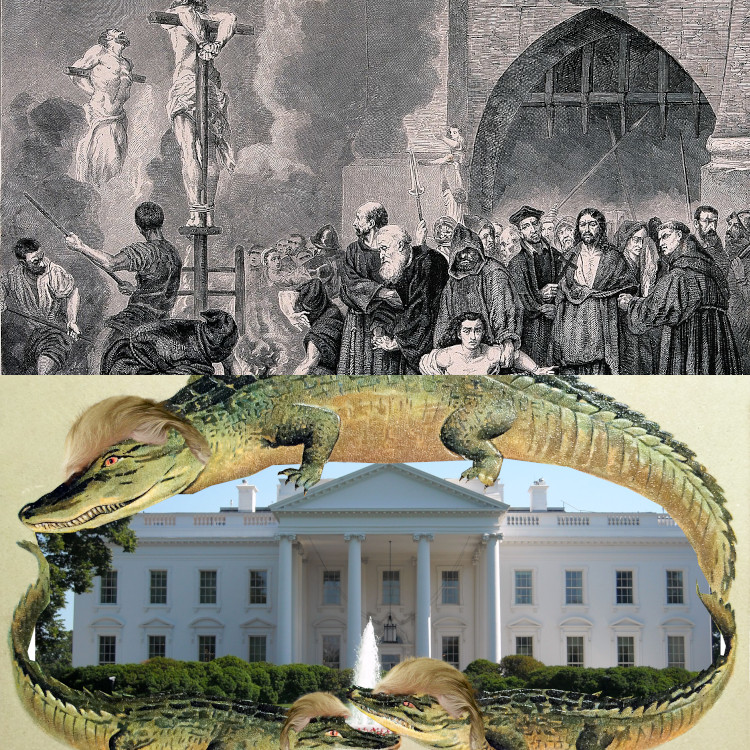
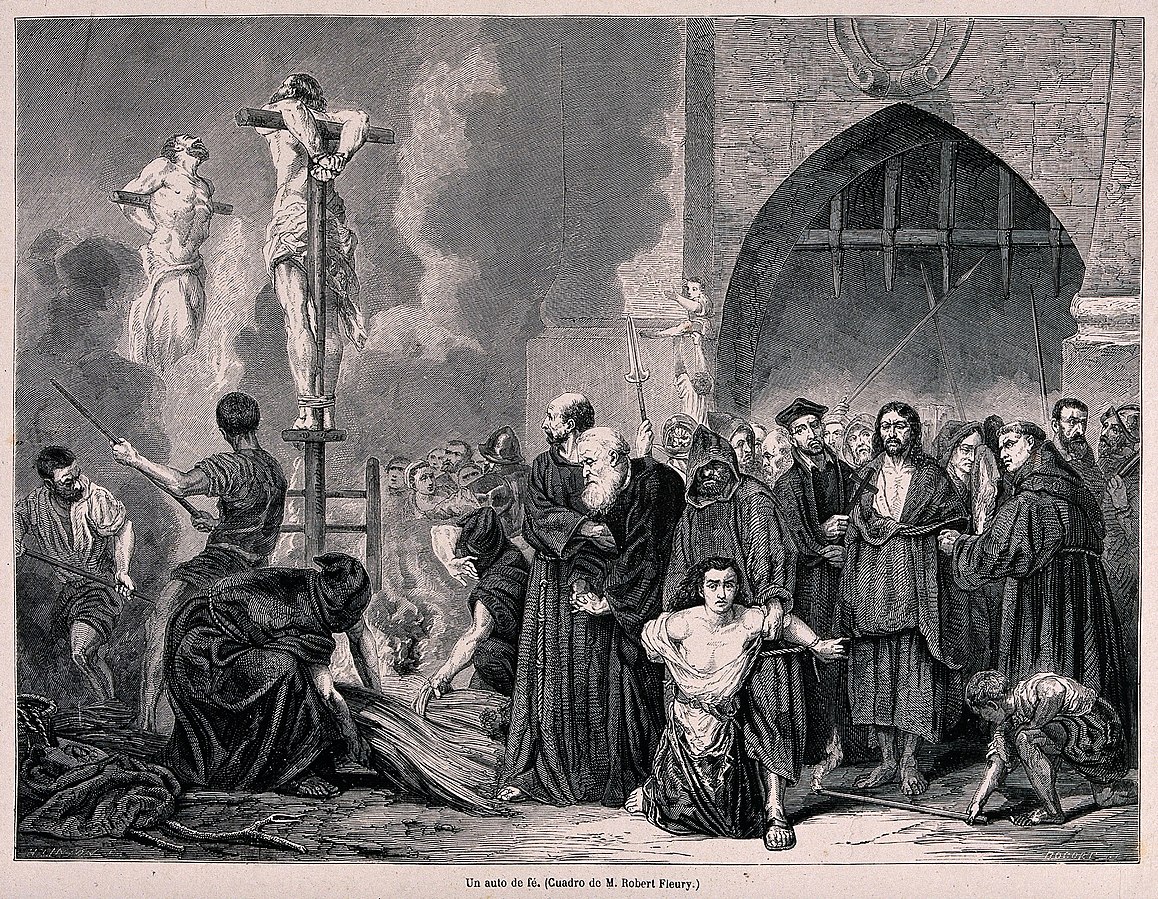
Not just airports, of course. Public buildings were increasingly turned into a kind of state-run Broadway, with every employee a performer in a longrunning, terrible epic play called "Security Theater."

7/
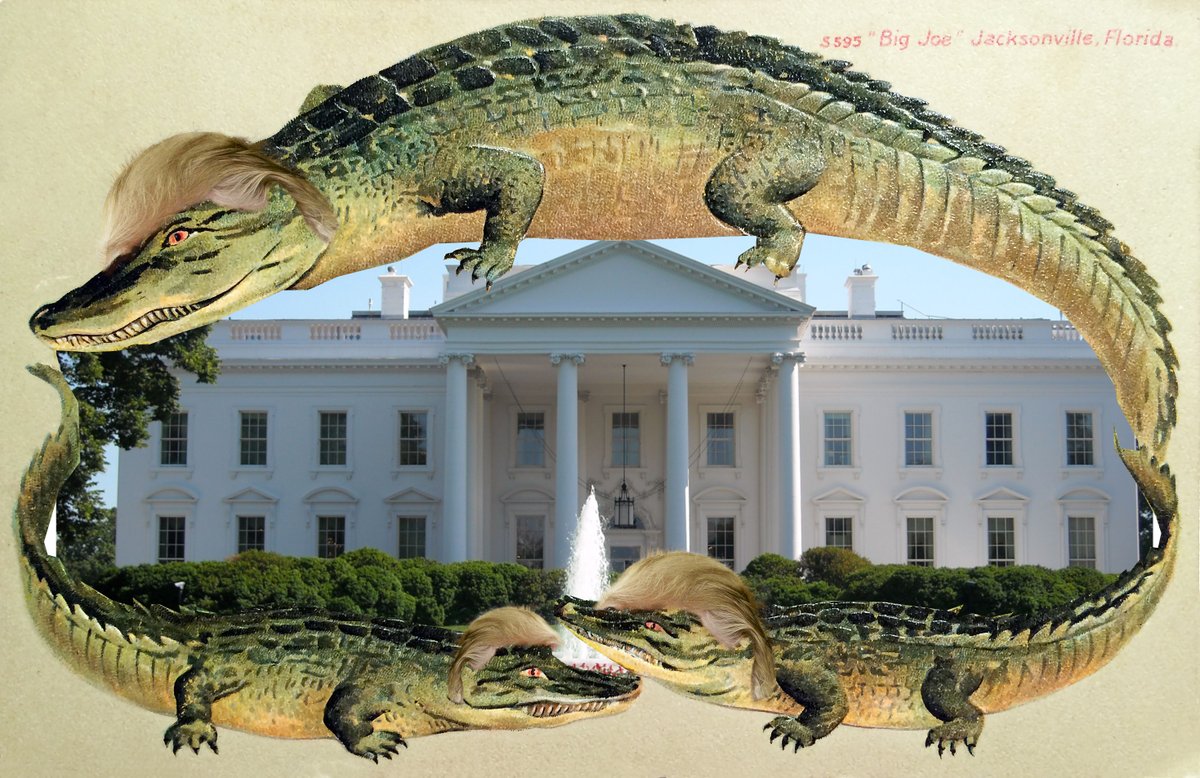
Nowhere was this more apparent than in Washington DC, where you can't go out for a pint of milk without passing a dozen high-security government buildings, each under the directorship of a different auteur hoping to score a security theater Tony Award.

8/
As @sharrowsDC writes in @Slate, Washingtonians have been the involuntary audience at ground zero for security theater's participatory drama show, living in "the most overtly armored public spaces in the world."

https://t.co/T2LxU24rFw

9/
20 years of shouting at bike-commuters, threatening to arrest people for sledding down Capitol Hill and barking orders at lost tourists did not, in fact, make the nation's capitol secure from an actual terror threat.

10/
If history is any guide, the response will be MORE security theater, from "unscalable fences" (cheered on by the same people who told trumpists, "show me a 20-foot wall and I'll show you a 21 foot-ladder"), more forever-closed streets, more ID checks and facial recognition.

11/
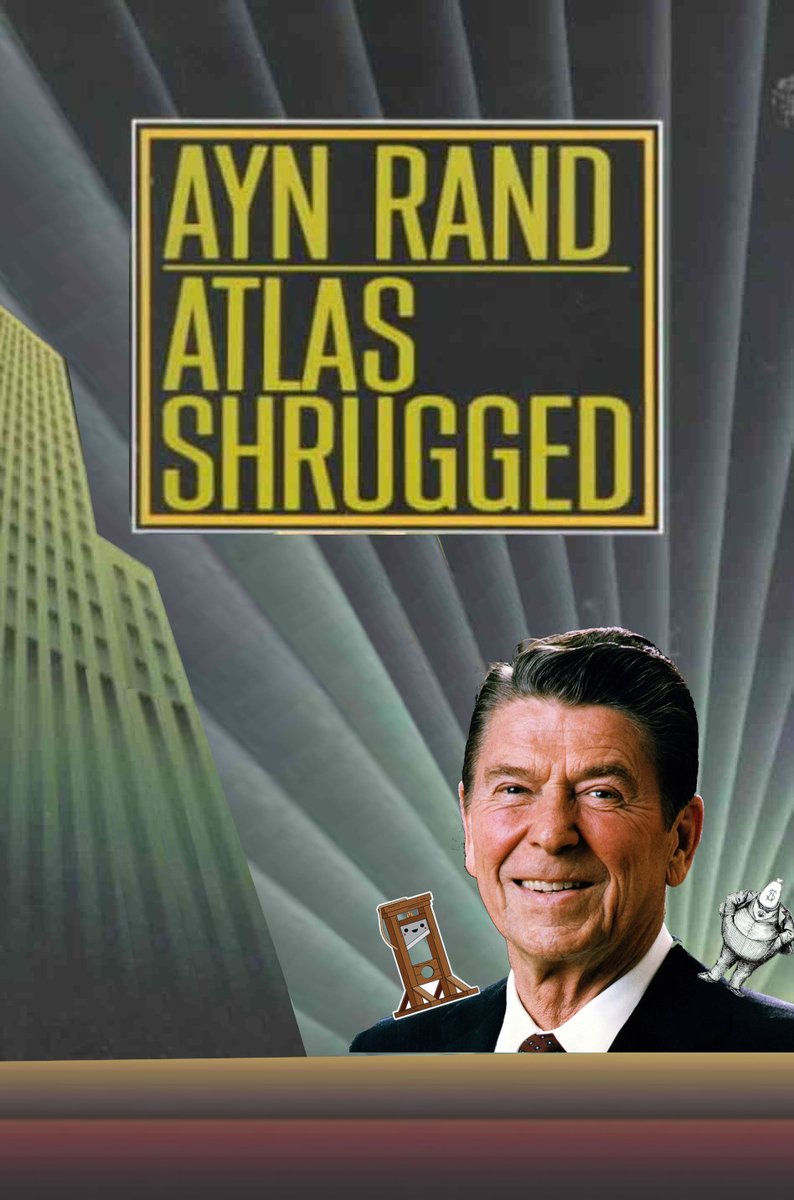
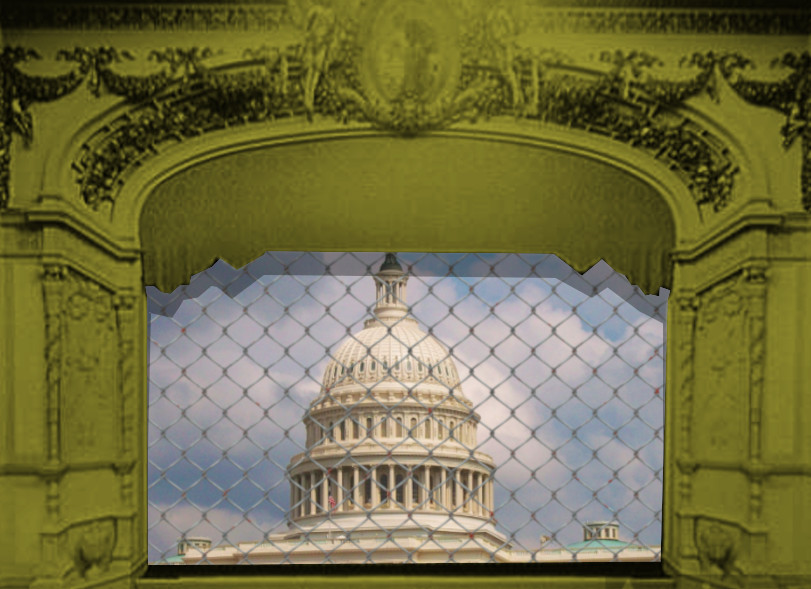
Image: Lars Di Scenza (modified)
https://t.co/4ZgwOeFTx6

CC BY-SA
https://t.co/zMicjR4iqr

eof/

More from Cory Doctorow #BLM

Today's Twitter threads (a Twitter thread).

Inside: Dependency Confusion; Adam Curtis on criti-hype; Catalytic converter theft; Apple puts North Dakota on blast; and more!

Archived at: https://t.co/Osts9lAjPo

#Pluralistic

1/


This weekend, I'll be participating in Boskone 58, Boston's annual sf convention, where I'm doing panels and a reading.

https://t.co/2LfFssVcZQ

2/


Dependency Confusion: A completely wild supply-chain hack.

https://t.co/TDRNHUX0Ug

3/


Adam Curtis on criti-hype: Big Tech as an epiphenomenon of sociopathic mediocrity, not supergenius.

https://t.co/MYmHOosTk3

4/


Catalytic converter theft: Rhodium at $21,900/oz.

https://t.co/SDMAXrQwdd

5/

More from For later read

There is some valuable analysis in this report, but on the defense front this report is deeply flawed. There are other sections of value in report but, candidly, I don't think it helps us think through critical question of Taiwan defense issues in clear & well-grounded way. 1/


Normally as it might seem churlish to be so critical, but @cfr is so high-profile & the co-authors so distinguished I think it’s key to be clear. If not, people - including in Beijing - could get the wrong idea & this report could do real harm if influential on defense issues. 2/

BLUF: The defense discussion in this report does not engage at the depth needed to add to this critical debate. Accordingly conclusions in report are ill-founded - & in key parts harmful/misleading, esp that US shldnt be prepared defend Taiwan directly (alongside own efforts). 3/

The root of the problem is that report doesn't engage w the real debate on TWN defense issues or, frankly, the facts as knowable in public. Perhaps the most direct proof of this: The citations. There is nothing in the citations to @DeptofDefense China Military Power Report...4/

Nor to vast majority of leading informed sources on this like Ochmanek, the @RANDCorporation Scorecard, @CNAS, etc. This is esp salient b/c co-authors by their own admission have v little insight into contemporary military issues. & both last served in govt in Bush 43. 5/

You May Also Like