https://t.co/u8GypCeRT4
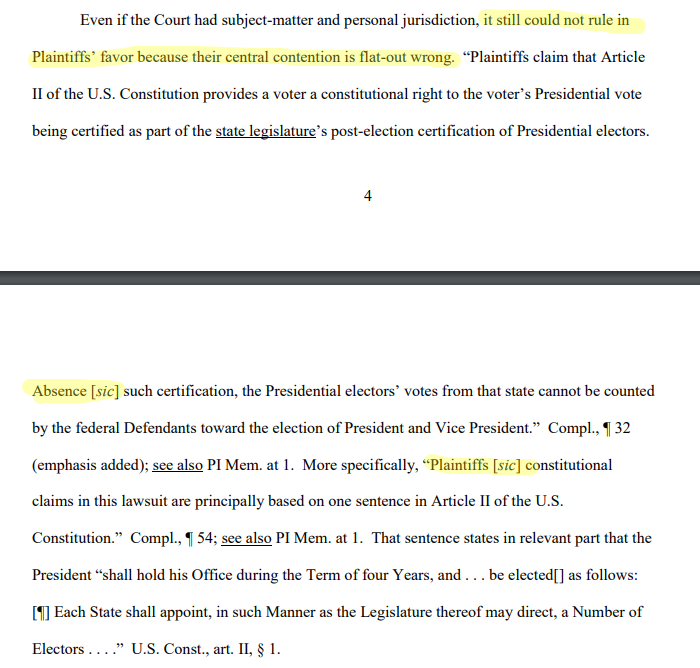
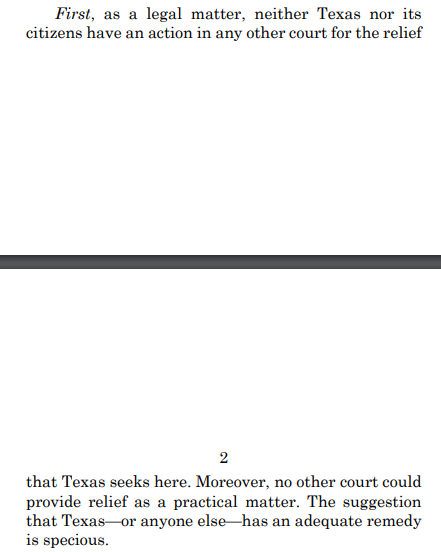
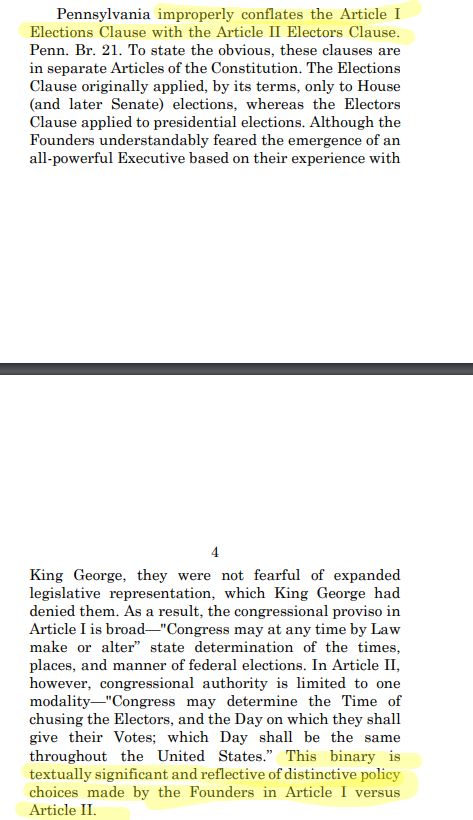
The judge in this case has now issued an absolutely brutal smackdown that you'll enjoy reading. It comes complete with a well-earned threat of sanctions.
Folks, this is the single dumbest election lawsuit of the entire cycle, and I've read kraken filings front to back. https://t.co/PLHTf7HhbM
— Akiva Cohen (@AkivaMCohen) December 22, 2020
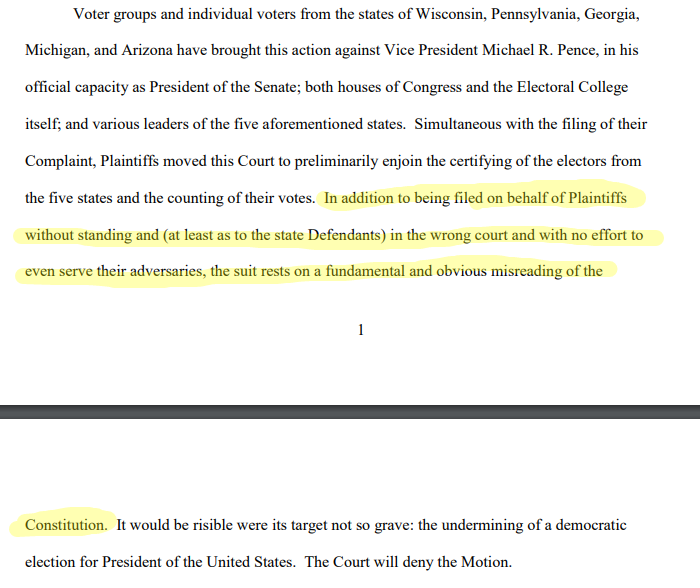
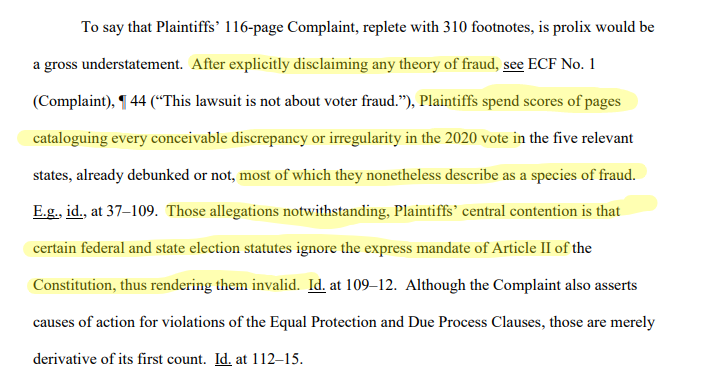
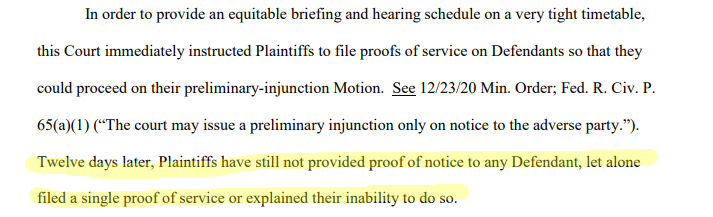


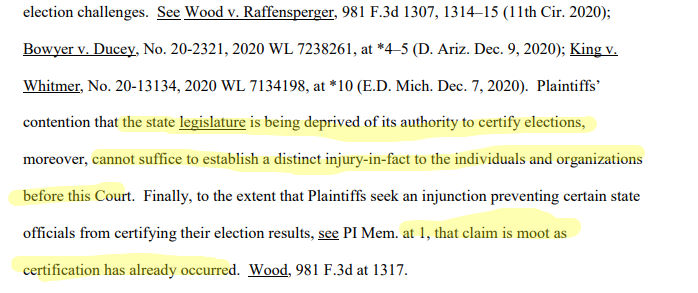
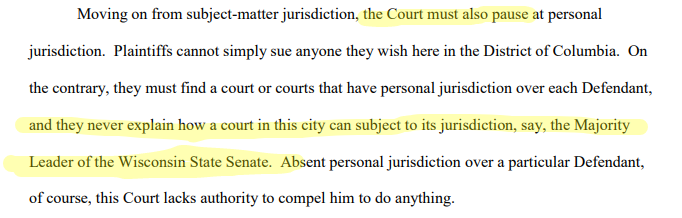

Because the substantive argument was loony tunes


More from Akiva Cohen
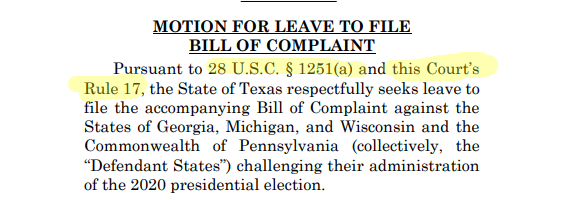

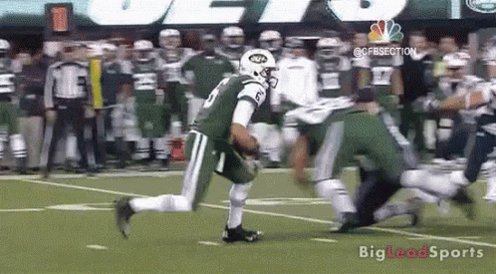
In the cold light of morning, I'm still completely amazed by the legal belly flop that @ThomasMoreSoc filed in the DC District Court. It's the legal equivalent of watching the butt fumble, live
EVERYTHING you could possibly get wrong in a complaint, they managed
Start with the plaintiffs. The ONLY claims in the lawsuit are that the Constitution gives state legislatures the right to set the manner of elections, which they have allegedly (we'll get to this insanity) failed to do.
There's oodles of caselaw saying "since that's a right of the state legislature, only state legislatures, as a body, can bring such a claim"
Are the plaintiffs state legislatures?
https://t.co/KJGEvm8Owp
OK, what about the Defendants? They've sued Defendants from, IIRC, five states (GA, PA, WI, MI, AZ) based on claims that the State Legislatures there didn't pass election rules that the plaintiffs insist the Constitution requires (I promise, we'll get there).
EVERYTHING you could possibly get wrong in a complaint, they managed
Start with the plaintiffs. The ONLY claims in the lawsuit are that the Constitution gives state legislatures the right to set the manner of elections, which they have allegedly (we'll get to this insanity) failed to do.
There's oodles of caselaw saying "since that's a right of the state legislature, only state legislatures, as a body, can bring such a claim"
Are the plaintiffs state legislatures?
https://t.co/KJGEvm8Owp
OK, what about the Defendants? They've sued Defendants from, IIRC, five states (GA, PA, WI, MI, AZ) based on claims that the State Legislatures there didn't pass election rules that the plaintiffs insist the Constitution requires (I promise, we'll get there).



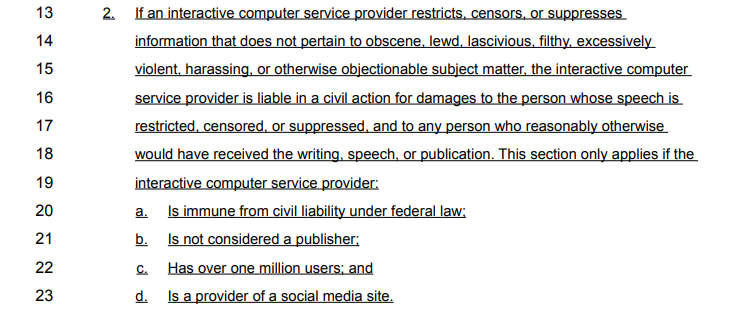
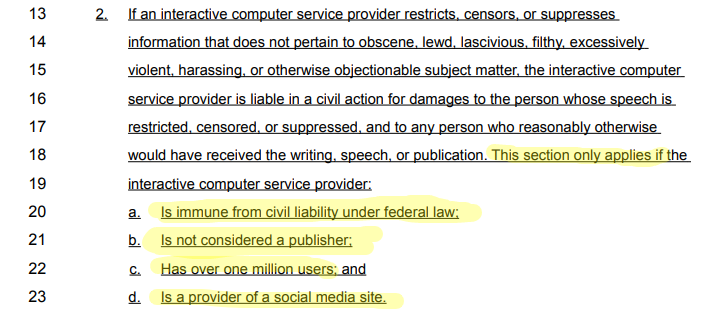
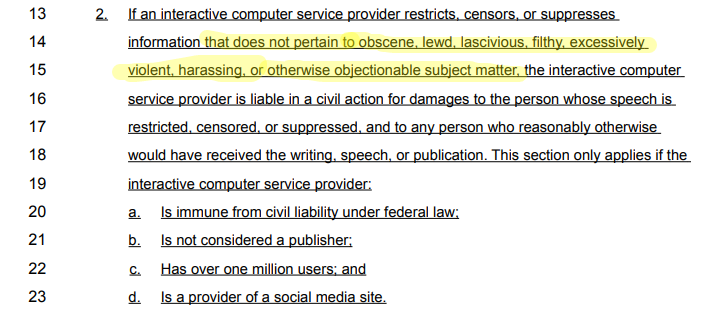
Looks like we need to spend some time talking about the Parler lolsuit against Amazon and why it's deader than a Mitch McConnell comedy special. They've brought three claims - antitrust, breach of contract, and tortious interference. None will survive. Here's why
Here's the meat of their intro: Amazon isn't being fair to us. They're holding us to a higher standard than Twitter - they say we allow violent content, but look what Twitter does!
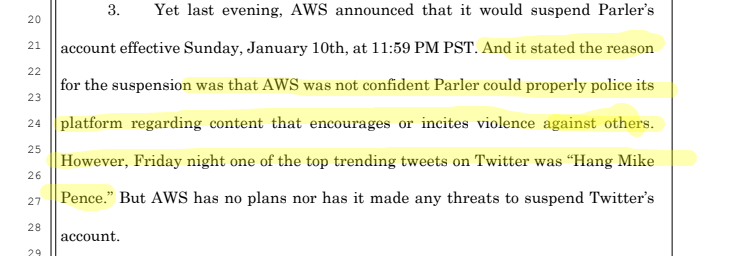
There are a few problems with this approach. First, there's a factual problem: Twitter and Parler take very different approaches to moderation. Hell, *that's Parler's entire pitch.* So "we're the same as Twitter, why are you treating us different" isn't going to fly
ALSO, the hashtag was mostly people saying "these folks are calling to hang Mike
And ALSO also, did anyone notice any prominent right wingers complaining about losing tens of thousands of followers yesterday? You know why they did? Because Twitter has been active in deleting accounts that violate its TOS
Here's the meat of their intro: Amazon isn't being fair to us. They're holding us to a higher standard than Twitter - they say we allow violent content, but look what Twitter does!
There are a few problems with this approach. First, there's a factual problem: Twitter and Parler take very different approaches to moderation. Hell, *that's Parler's entire pitch.* So "we're the same as Twitter, why are you treating us different" isn't going to fly
ALSO, the hashtag was mostly people saying "these folks are calling to hang Mike
Five minutes of scrolling a search for #hangmikepence, a gallery: pic.twitter.com/40hsyJNK50
— Jawafawa (@jawafawa) January 11, 2021
And ALSO also, did anyone notice any prominent right wingers complaining about losing tens of thousands of followers yesterday? You know why they did? Because Twitter has been active in deleting accounts that violate its TOS