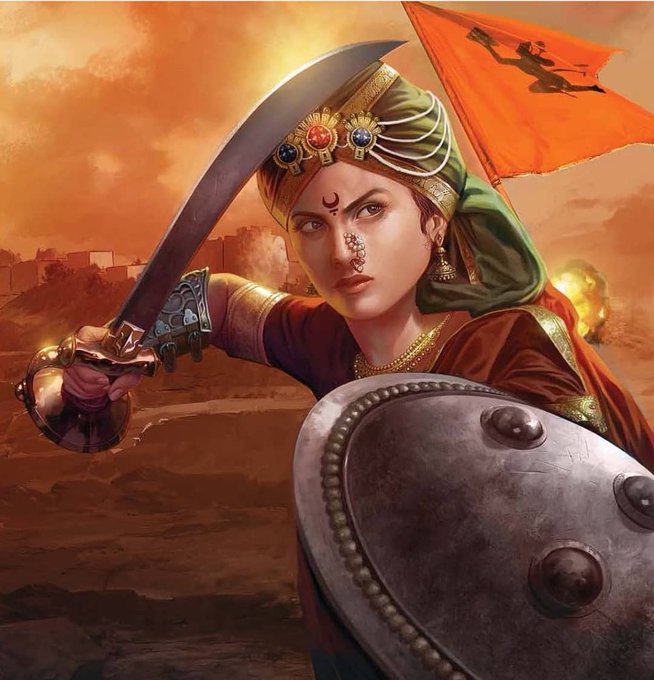
RANI NAIKI DEVI AND THE BATTLE OF KASAHRADA
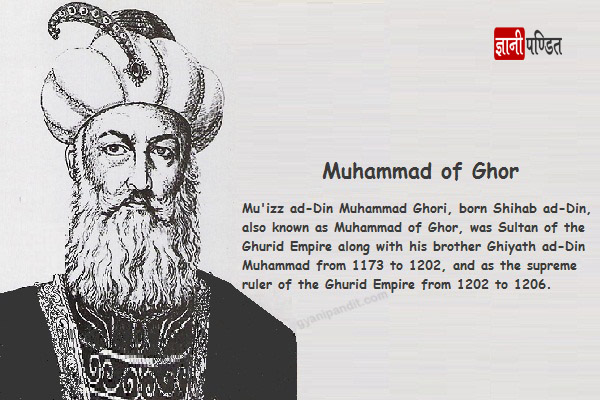
Mohammad Ghori, the young Ghurid Prince conquered Ghaznavids in Afghanistan in the year 1173 CE. He conducted some successful raids into the Indian territory, which even Mahmud Ghazni & the Persians couldn't do.
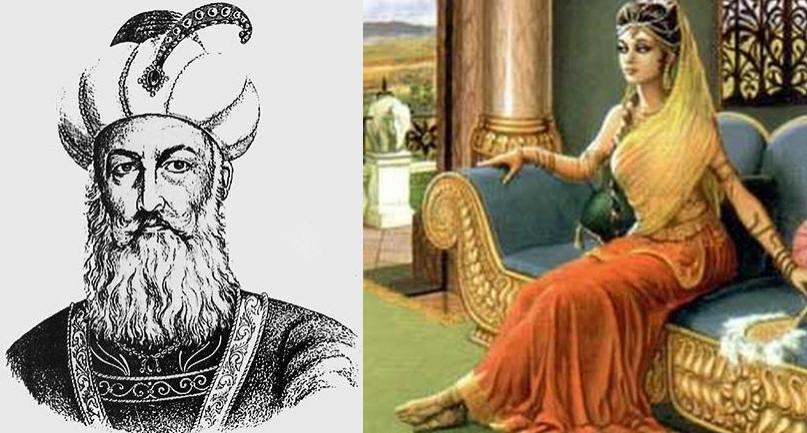
First&foremost,Ghori invaded states of Multan &Uch in India.After this he turned to southern states of Gujarat &Rajputana.Everybody knows this about Ghori,but what most pple r unaware of is the defeat he suffered at hands of Chalukyan Queen Naiki Devi in 1178 Battle of Kasahrada.
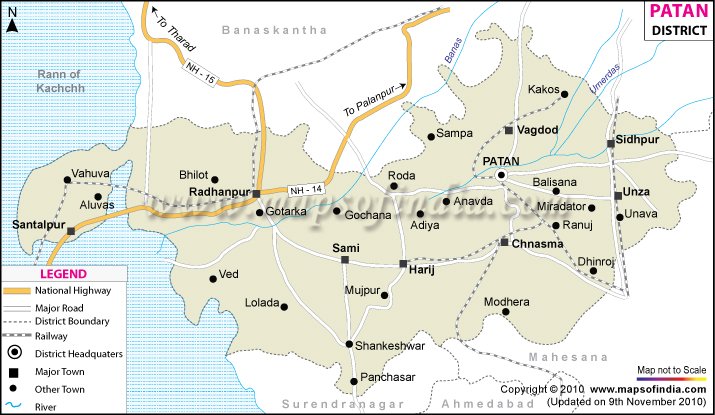
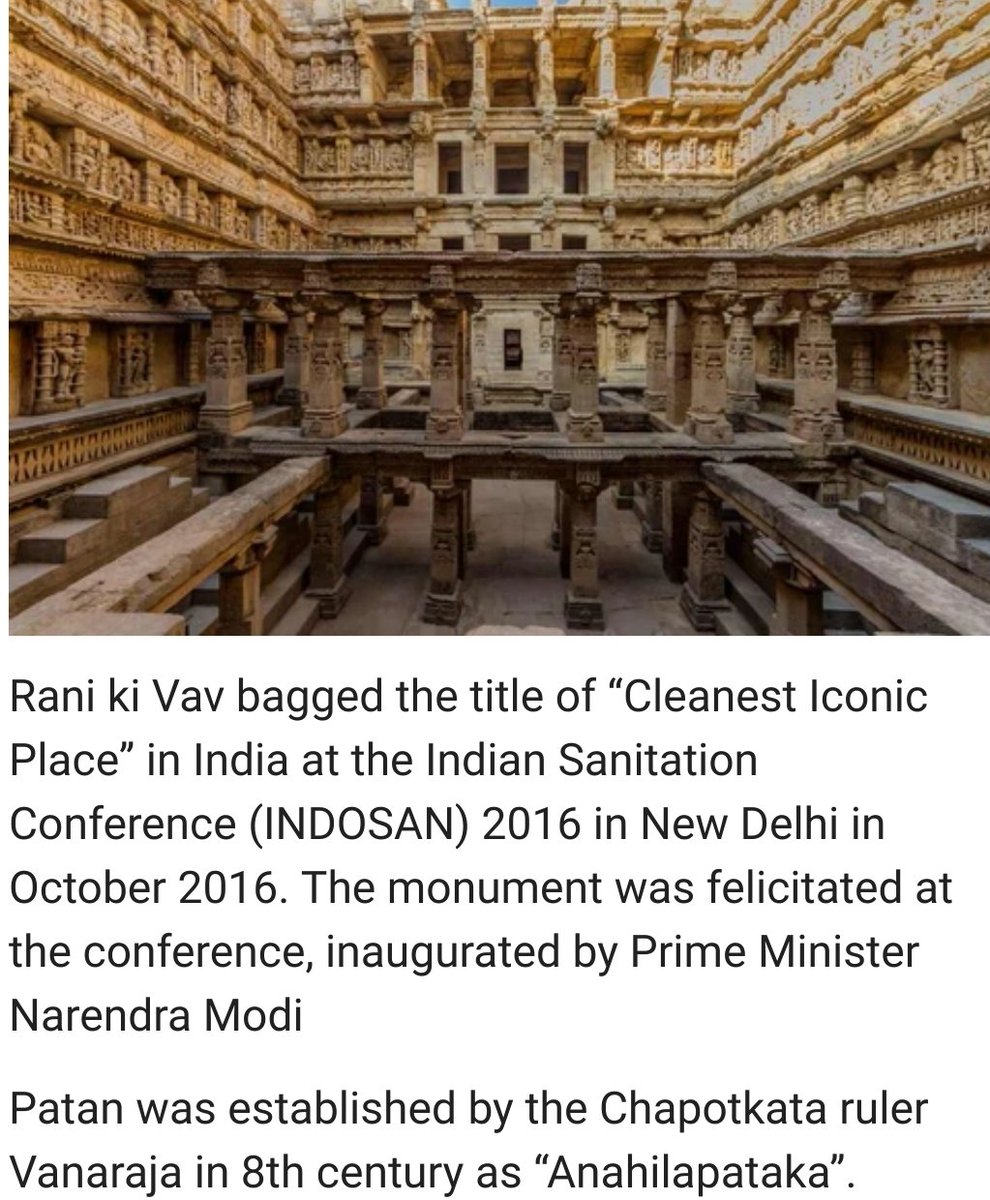
When he marched southwards, his first target was the prosperous fortified town of Anhilwara Patan.
It was the capital of Chalukyas(also known as Solankis of Gujarat) which was established by Vanraj of Chapotkata Dynasty in 8th century.
American historian Tertius Chandler states that it was the 10th largest city in the world at that time. The history of Chalukyas has been written by many historians, but the valour of the Great Queen Naiki Devi remains unsung.
Born to the Kadamba King Paramardin of Goa,Naiki Devi was well trained in sword fighting, horse riding, strategy & every other subject of Statesmanship. She was married to King Ajaypala of Gujarat who sat on throne in 1171CE. Unfortunately,the King died within 4 yrs of his rule.