
Pompeo New Year's Resolution - America First threads
Thread ⬇️⬇️⬇️
https://t.co/YDGI6CZIsA

I've been watching since NYE and while I was digging and decoding last night I put this together and noticed some breaks in the tweets - Notice Podesta and HK...https://t.co/VdARL0dn20
— History_Maker (@JaimeLynnFusco) January 14, 2021
More from For later read



(1/50)
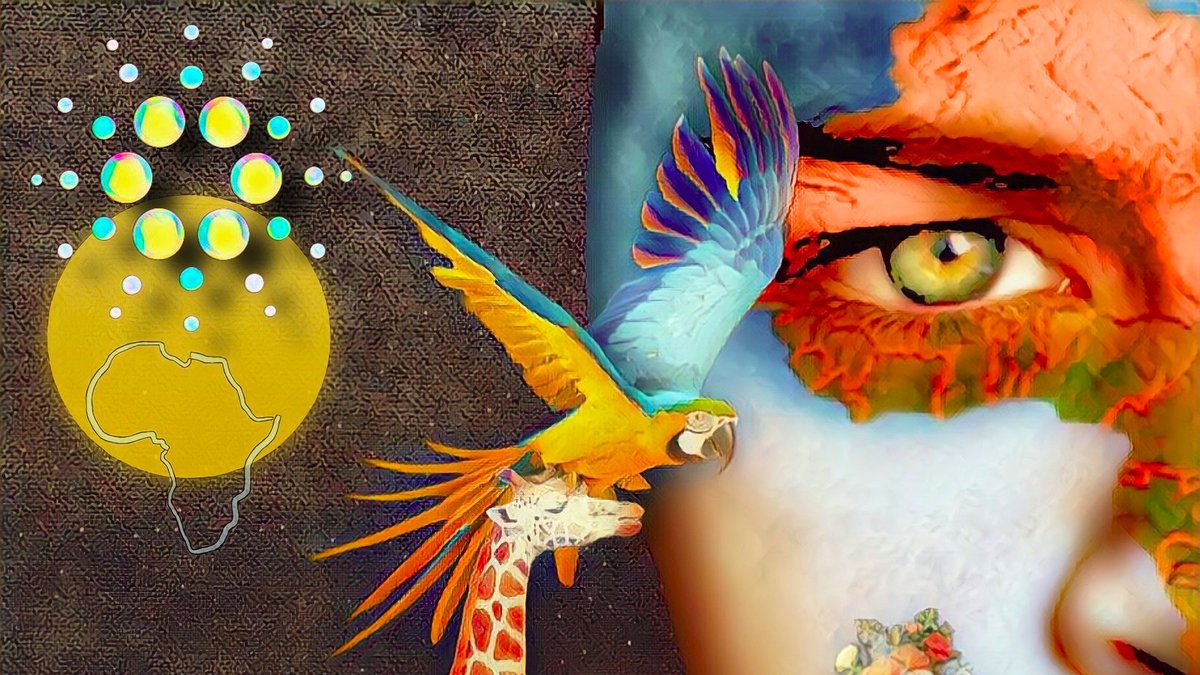
#Cardano “Understanding Kamali”
#Cardano will be the underpinning of the emergence of Africa.
To grasp the full weight of the SOLUTIONS #Cardano can provide it is pertinent to read “Understanding Africa” as I will draw directly from the PROBLEMS laid out.
(2/50)
Here is a link if you have not already read
(3/50)
What I will attempt to do here, is to create an immersive world for you to be placed in to grasp the weight and size of problems from the ground level and then take a grass-roots approach at solving them using #Cardano and its technology.
(4/50)
As an investor and community member of #Cardano, this should be extremely important to you as you have a stake (pun intended) in this.
“You are paid in direct proportion to the difficulty of the problems you solve” - @elonmusk
(5/50)
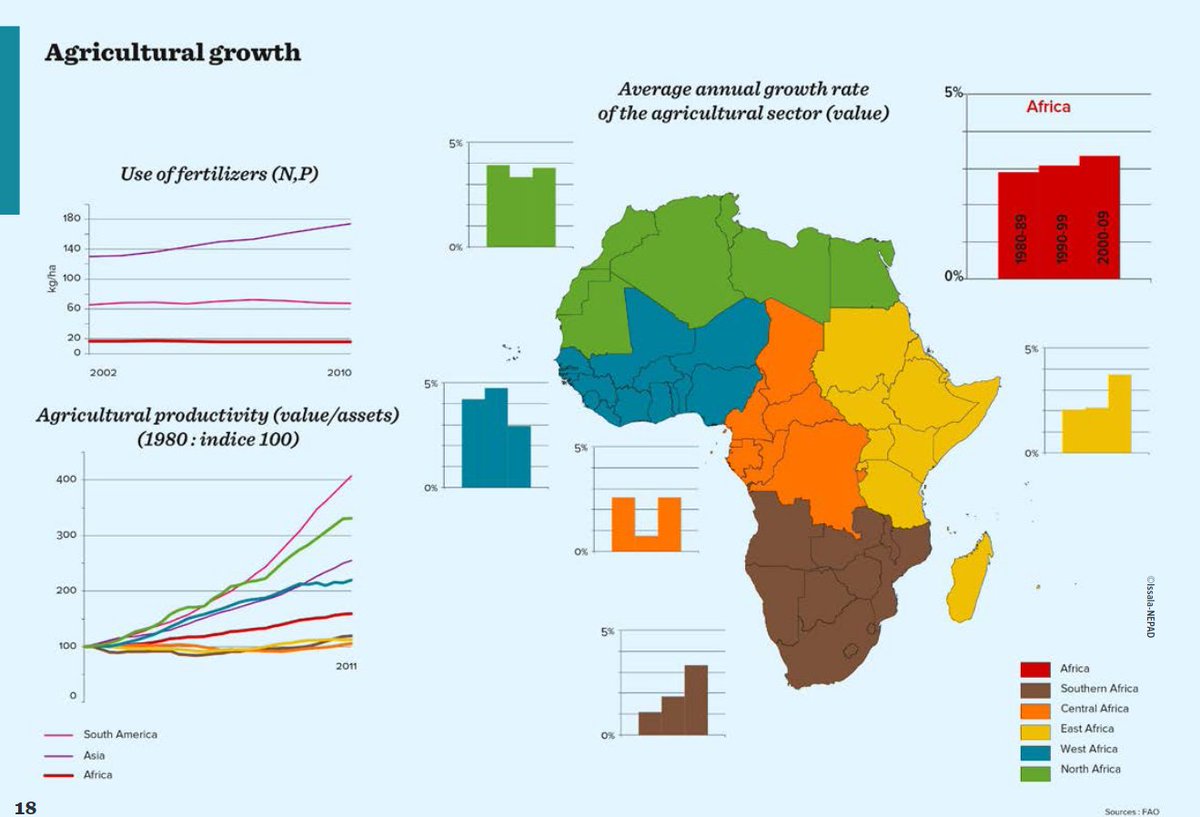
In Africa, agribusiness, more than any other sector, has the potential to reduce poverty and drive economic growth. Agriculture accounts for nearly half of the continent’s gross domestic product and employs 60 percent of the labor force.
#Cardano “Understanding Kamali”
#Cardano will be the underpinning of the emergence of Africa.
To grasp the full weight of the SOLUTIONS #Cardano can provide it is pertinent to read “Understanding Africa” as I will draw directly from the PROBLEMS laid out.
(2/50)
Here is a link if you have not already read
(1/38) #Cardano \u201cUnderstanding Africa\u201d (Part 1 of 2)
— FatCat (@fatcatofcrypto) February 10, 2021
This thread will be split into two parts with the 2nd coming out on Sunday.
Part 1 will layout the pervasive PROBLEMS Africa faces whereas Part 2 will apply direct technologies @InputOutputHK can implement as SOLUTIONS. pic.twitter.com/n3I91bnddq
(3/50)
What I will attempt to do here, is to create an immersive world for you to be placed in to grasp the weight and size of problems from the ground level and then take a grass-roots approach at solving them using #Cardano and its technology.
(4/50)
As an investor and community member of #Cardano, this should be extremely important to you as you have a stake (pun intended) in this.
“You are paid in direct proportion to the difficulty of the problems you solve” - @elonmusk
(5/50)
In Africa, agribusiness, more than any other sector, has the potential to reduce poverty and drive economic growth. Agriculture accounts for nearly half of the continent’s gross domestic product and employs 60 percent of the labor force.

You May Also Like


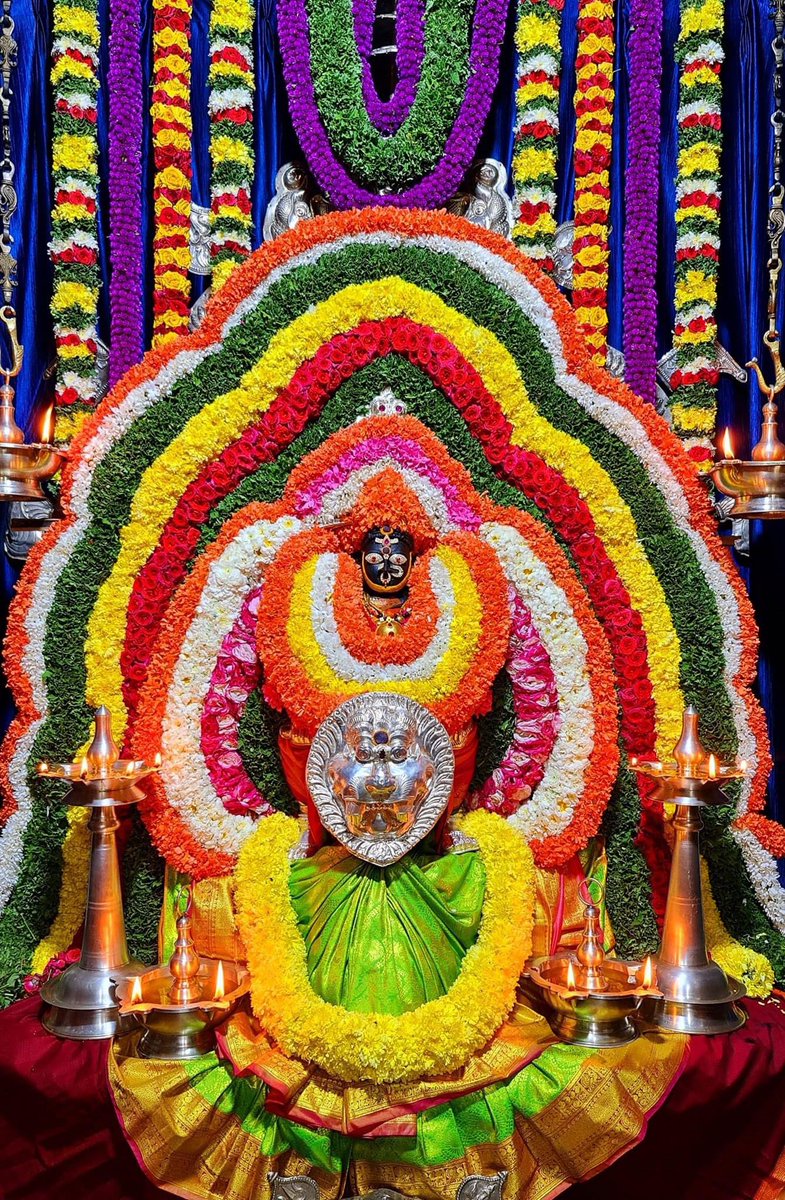


#sculpture #story -
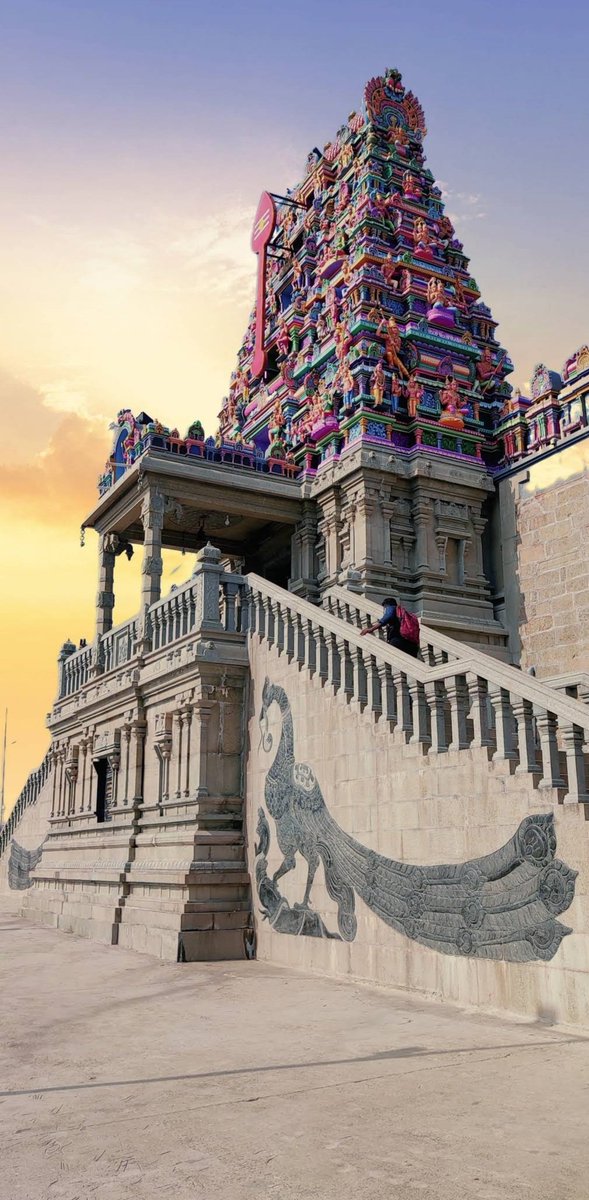
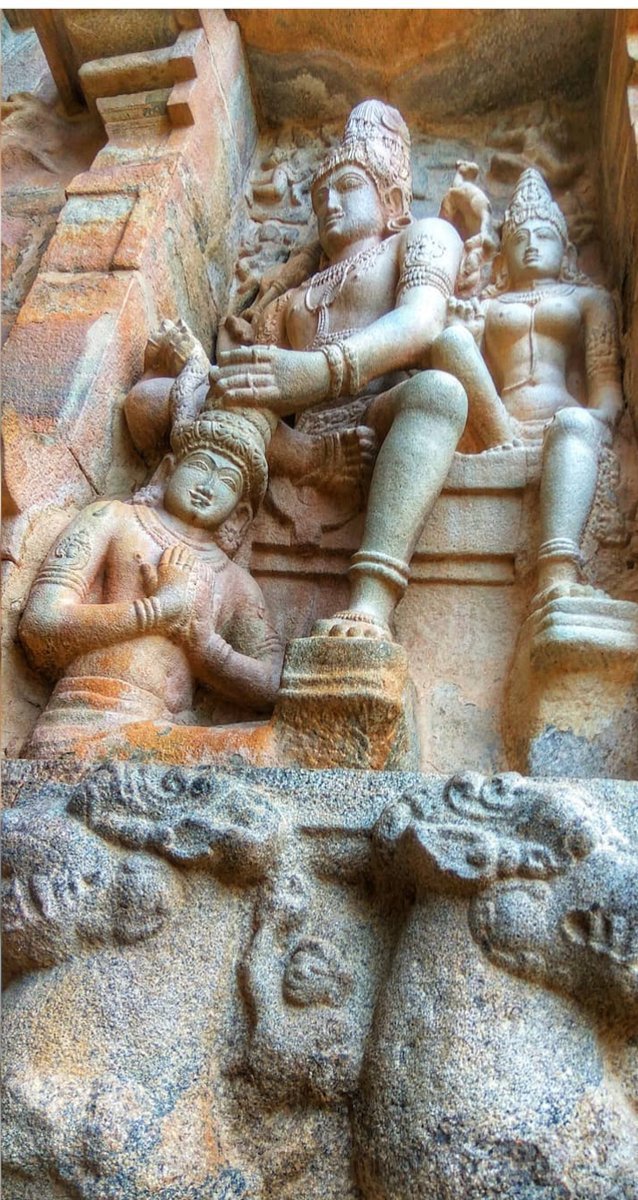
Chandesha-Anugraha Murti - One of the Sculpture in Brihadeshwara Temple at Gangaikonda Cholapuram - built by Raja Rajendra Chola I
This Sculpture depicts Bhagwan Shiva along with Devi Paravathi blessing Chandeshwara - one of the 63 Nayanmars.
#Thread
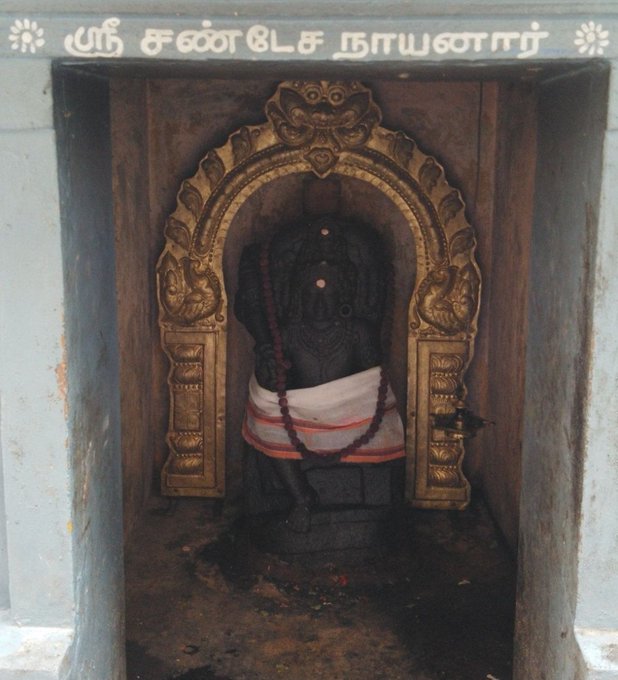
Chandeshwara/Chandikeshwara is regarded as custodian of Shiva Temple's wealth&most of Shiva temples in South India has separate sannathi for him.
His bhakti for Bhagwan Shiva elevated him as one of foremost among Nayanmars.
He gave importance to Shiva Pooja&protection of cows.
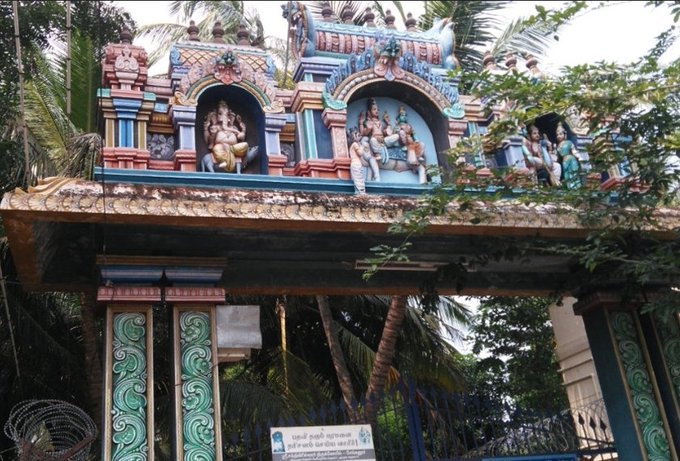
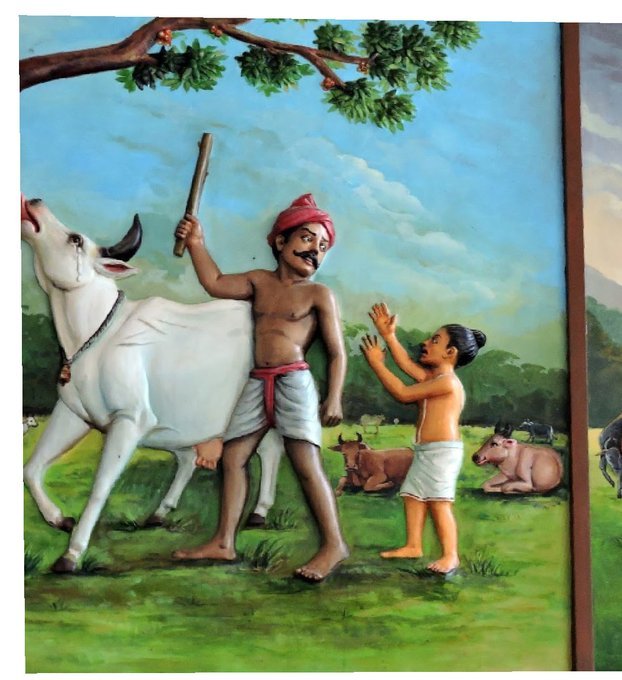
There are series of paintings, illustrating the #story of Chandikeshwar in the premises of
Sri Sathiyagireeswarar #Temple at Seinganur,near Kumbakonam,TN
Chandikeshwara's birth name
is Vichara sarman.He was born in the village of Senganur on the banks of River Manni.
His Parent names were Yajnathatan and Pavithrai.
Vichara Sarman was a gifted child and he learnt Vedas and Agamas at a very young age.
He was very devout and would always think about Bhagwan Shiva.
One day he saw a cowherd man brutally assaulting a cow,Vichara Sarman could not tolerate this. He spoke to cowherd: ‘Do you not know that the cow is worshipful & divine? All gods & Devas reside in https://t.co/ElLcI5ppsK it is our duty to protect cows &we should not to harm them.
Chandesha-Anugraha Murti - One of the Sculpture in Brihadeshwara Temple at Gangaikonda Cholapuram - built by Raja Rajendra Chola I
This Sculpture depicts Bhagwan Shiva along with Devi Paravathi blessing Chandeshwara - one of the 63 Nayanmars.
#Thread
Chandeshwara/Chandikeshwara is regarded as custodian of Shiva Temple's wealth&most of Shiva temples in South India has separate sannathi for him.
His bhakti for Bhagwan Shiva elevated him as one of foremost among Nayanmars.
He gave importance to Shiva Pooja&protection of cows.
There are series of paintings, illustrating the #story of Chandikeshwar in the premises of
Sri Sathiyagireeswarar #Temple at Seinganur,near Kumbakonam,TN
Chandikeshwara's birth name
is Vichara sarman.He was born in the village of Senganur on the banks of River Manni.
His Parent names were Yajnathatan and Pavithrai.
Vichara Sarman was a gifted child and he learnt Vedas and Agamas at a very young age.
He was very devout and would always think about Bhagwan Shiva.
One day he saw a cowherd man brutally assaulting a cow,Vichara Sarman could not tolerate this. He spoke to cowherd: ‘Do you not know that the cow is worshipful & divine? All gods & Devas reside in https://t.co/ElLcI5ppsK it is our duty to protect cows &we should not to harm them.