THREAD: My thoughts on the decision not to call witnesses. Please correct me if I'm wrong. This take is based on what I think I know, and there's much I don't know, but I do not understand why the dems didn't depose Rep. Beutler. Let's talk about the objections: 1/
More from Mueller, She Wrote


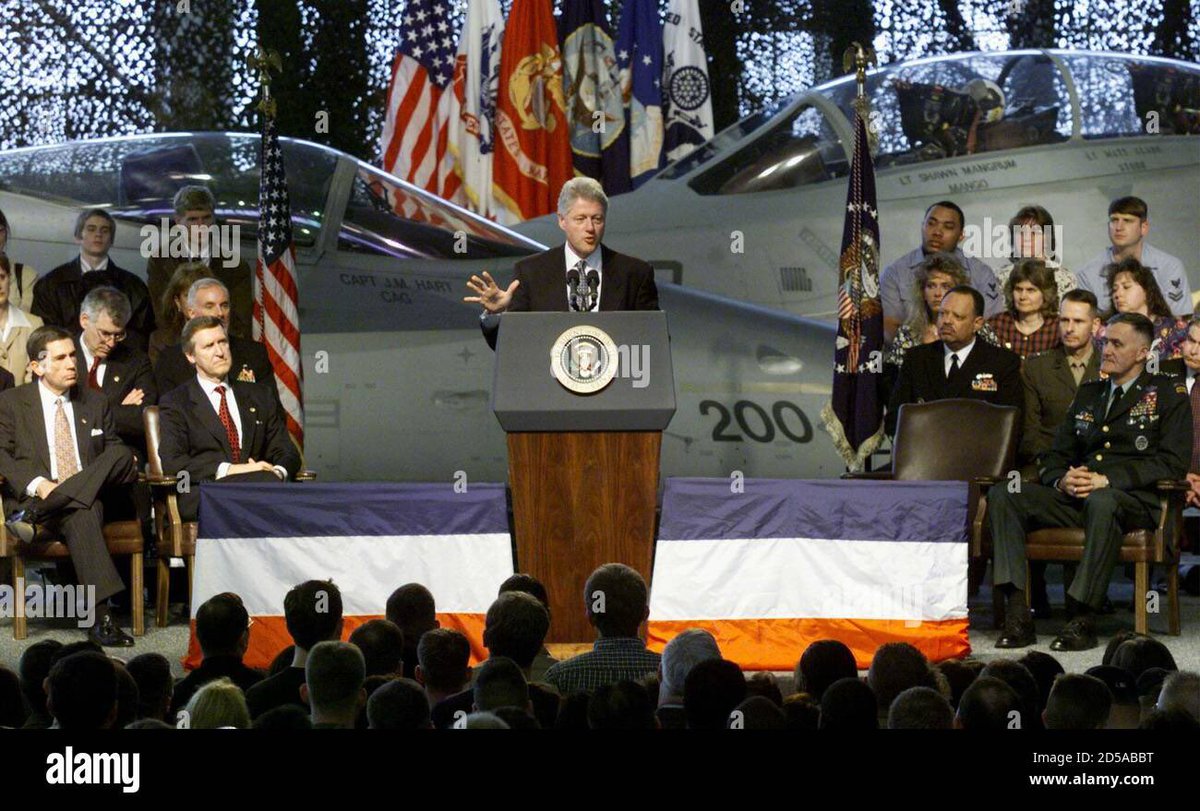

THREAD: TRUMP JUST BECAME MORE OF A NATIONAL SECURITY THREAT THAN HE ALREADY WAS: As most of us know by know, the trump org was indicted on ten counts yesterday, and the CFO Allen Weisselberg was indicted in 15 counts 1/
Despite what the trump org lawyers and donald's crotch goblins are saying - that all Weisselberg did wrong was that he failed to report a mercedes benz to the IRS - these are serious crimes and include conspiracy, fraud, and falsifying business records. 2/
As @kurteichenwald explains here: an org indictment could mean trump lenders will likely call in their loans early, especially if the org falsified business records as count 12 shows it did. So what does this have to do with NATIONAL SECURITY? 3/
Remember when Sue Gordon - who resigned with Bolton after the Ukraine shadow government (Rudy) and the scheme to extort Zelensky in exchange for an investigation announcement into Biden was discovered - wrote an op ed "Cut Off his Intelligence"? 4/
Sue Gordon feared what I posited three months before she wrote the op-ed: that donald was broke and would sell our secrets to pay his debts 5/
Despite what the trump org lawyers and donald's crotch goblins are saying - that all Weisselberg did wrong was that he failed to report a mercedes benz to the IRS - these are serious crimes and include conspiracy, fraud, and falsifying business records. 2/
As @kurteichenwald explains here: an org indictment could mean trump lenders will likely call in their loans early, especially if the org falsified business records as count 12 shows it did. So what does this have to do with NATIONAL SECURITY? 3/
As someone who has written for decades about corporate crime, I was reading the Trump O/Weisselberg indictment going, "Yah, ok..hmm..yah..ok..Wait..HOLY SHIT!" The Trump Org is in deep, deep trouble. And not because of the criminal charges. Because of its bank loan covenants.../1
— Kurt Eichenwald (@kurteichenwald) July 1, 2021
Remember when Sue Gordon - who resigned with Bolton after the Ukraine shadow government (Rudy) and the scheme to extort Zelensky in exchange for an investigation announcement into Biden was discovered - wrote an op ed "Cut Off his Intelligence"? 4/
Sue Gordon feared what I posited three months before she wrote the op-ed: that donald was broke and would sell our secrets to pay his debts 5/
He\u2019s going to sell intelligence secrets to pay his debts.
— Mueller, She Wrote (@MuellerSheWrote) October 29, 2020
More from For later read


Moderna's mRNA-1273 & Pfizer's BNT162b2 consist of mRNA 3821 nucleotides long encoding *all* 1273 amino acids of the Spike including a 2 Proline-stabilized RBD. This is a plain English Description of the code:
https://t.co/w7koHyMJjL
The article mentions a “10 nucleotide linker” (GCAUAUGACU) in the poly-A tail. This is described in the patent link below (Modification of RNA, producing an increased transcript stability and translation
Here is a link to the full mRNA code if you wish to download it, blast it or make up a batch in your garage
An overview of the encoded spike
Initial mouse
https://t.co/w7koHyMJjL
The article mentions a “10 nucleotide linker” (GCAUAUGACU) in the poly-A tail. This is described in the patent link below (Modification of RNA, producing an increased transcript stability and translation
Here is a link to the full mRNA code if you wish to download it, blast it or make up a batch in your garage
The mRNA sequences used for Moderna mRNA-1273 & Pfizer BNT162b2 mRNA vaccines for COVID-19 (Direct link in Word Format). WHO International Nonproprietary Name Program # 11889 "Messenger RNA encoding the full-length SARS-CoV-2 spike glycoprotein"https://t.co/zTb7B0Apic pic.twitter.com/8tZxAZWI5S
— Roland Baker (@RolandBakerIII) December 24, 2020
An overview of the encoded spike
Moderna's mRNA-1273 & Pfizer's BNT162b2 consist of mRNA 3821 nucleotides long encoding *all* 1273 amino acids of the Spike including a 2 Proline-stabilized RBD and this includes the NTD (blue in monomer, dark gray in trimer attached to antibodies). AA 64, 66, 187, 213, 214 red. pic.twitter.com/4MX1ByAsrR
— Roland Baker (@RolandBakerIII) December 19, 2020
Initial mouse
News: NIH-Moderna investigational COVID-19 vaccine shows promise in mouse studies https://t.co/7JYuUyZT45
— NIH (@NIH) August 5, 2020


You May Also Like

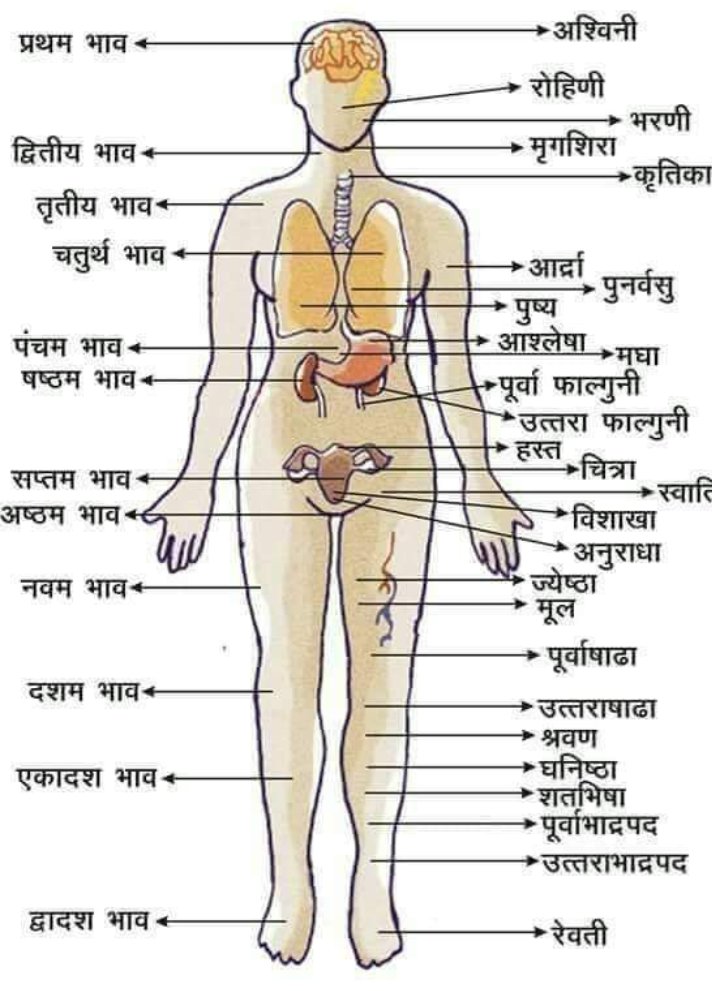
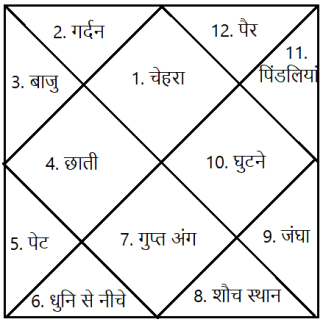


Moderna CEO Stephane Bancel was previously CEO of bioMerieux in France from 07-10.
Alain Merieux, who owns bioMerieux, was instrumental in the creation of the Wuhan Institute of Virology P4 Lab.
The same people who helped create the virus, also helped to create the vaccines...
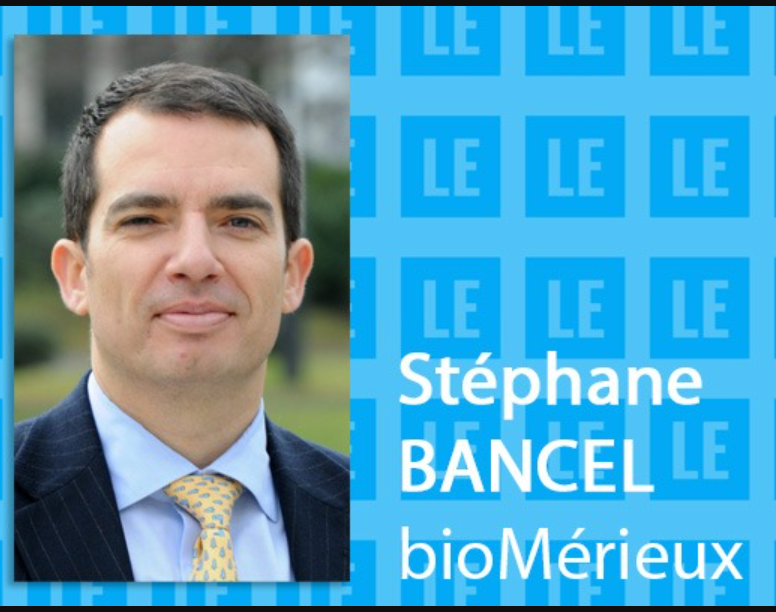
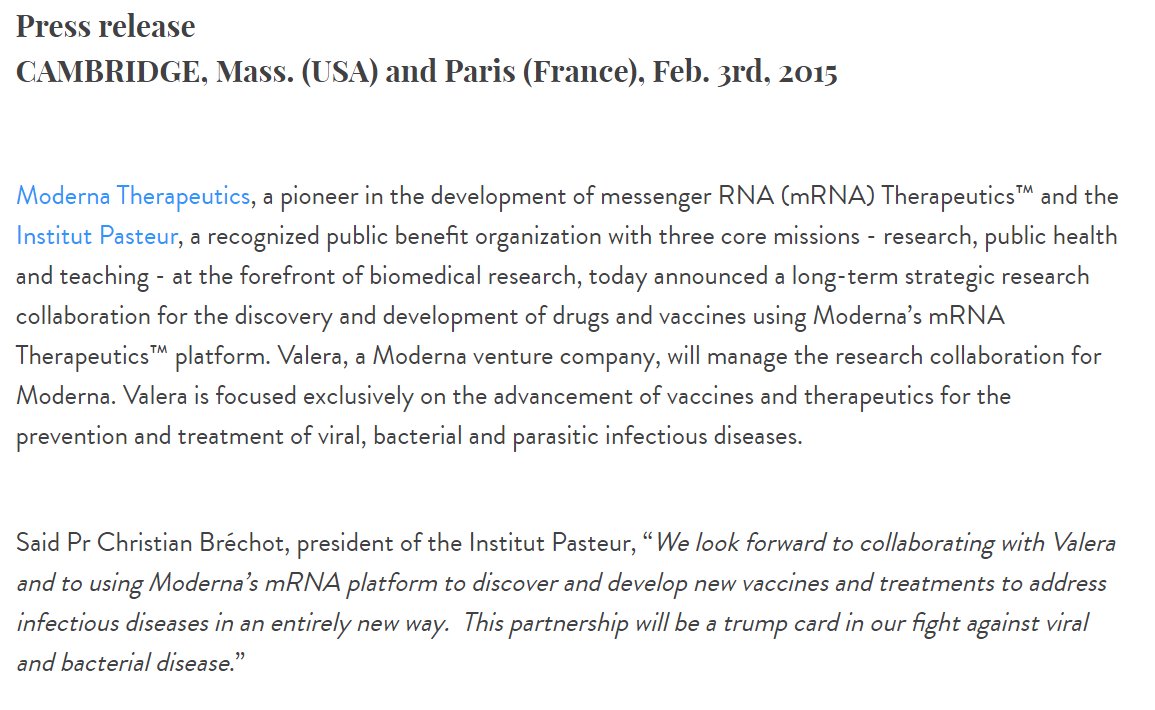
Moderna partnered with French Pasteur Institute in 2015 to develop mRNA vaccine technology.
Pasteur Institute partnered with the Wuhan P4 Laboratory in 2017 along with the Merieux Foundation to study emerging viruses...
https://t.co/yFsHwrNYaK
https://t.co/9M5lydBKhM
Nobel prize winning scientist Luc Montagnier asserts that Sars-Cov-2 is man-made and originated from the Wuhan Institute of Virology.
Montagnier did extensive work with the Pasteur Institute in France which was partnered with the Wuhan P4.
Merieux Foundation & the Chinese government have worked together since 1965, and partnered to study emerging pathogens in Africa in 2015.
Their research included "PATHOGENS CARRIED BY BATS" that provoke respiratory diseases.
🚨🚨🚨
https://t.co/gVwpT0ssqI

Alain Merieux, who owns bioMerieux, was instrumental in the creation of the Wuhan Institute of Virology P4 Lab.
The same people who helped create the virus, also helped to create the vaccines...
Moderna partnered with French Pasteur Institute in 2015 to develop mRNA vaccine technology.
Pasteur Institute partnered with the Wuhan P4 Laboratory in 2017 along with the Merieux Foundation to study emerging viruses...
https://t.co/yFsHwrNYaK
https://t.co/9M5lydBKhM
Nobel prize winning scientist Luc Montagnier asserts that Sars-Cov-2 is man-made and originated from the Wuhan Institute of Virology.
Montagnier did extensive work with the Pasteur Institute in France which was partnered with the Wuhan P4.
Merieux Foundation & the Chinese government have worked together since 1965, and partnered to study emerging pathogens in Africa in 2015.
Their research included "PATHOGENS CARRIED BY BATS" that provoke respiratory diseases.
🚨🚨🚨
https://t.co/gVwpT0ssqI