10 key storytelling tips to master marketing, build brand affinity, and get more customers:

1. Customer = Hero

The hero of captivating marketing stories isn't your brand.

It's your customers and their transformation. Make them the star:
2. Specific Audience:

Impactful stories match the beliefs of a very specific audience.

They then spread your story to people just like themselves.

Remember: marketing to everyone is marketing to no one.
3. Delivery:

Not all stories are novels. Stories can be told with a single picture, tweet, or phrase.

Apple mastered delivery in their "Silhouette" campaign. Each image resonates with an activity, lifestyle, and identity:
4. Emotion:

To capture attention, your story should elicit strong emotional bonds.

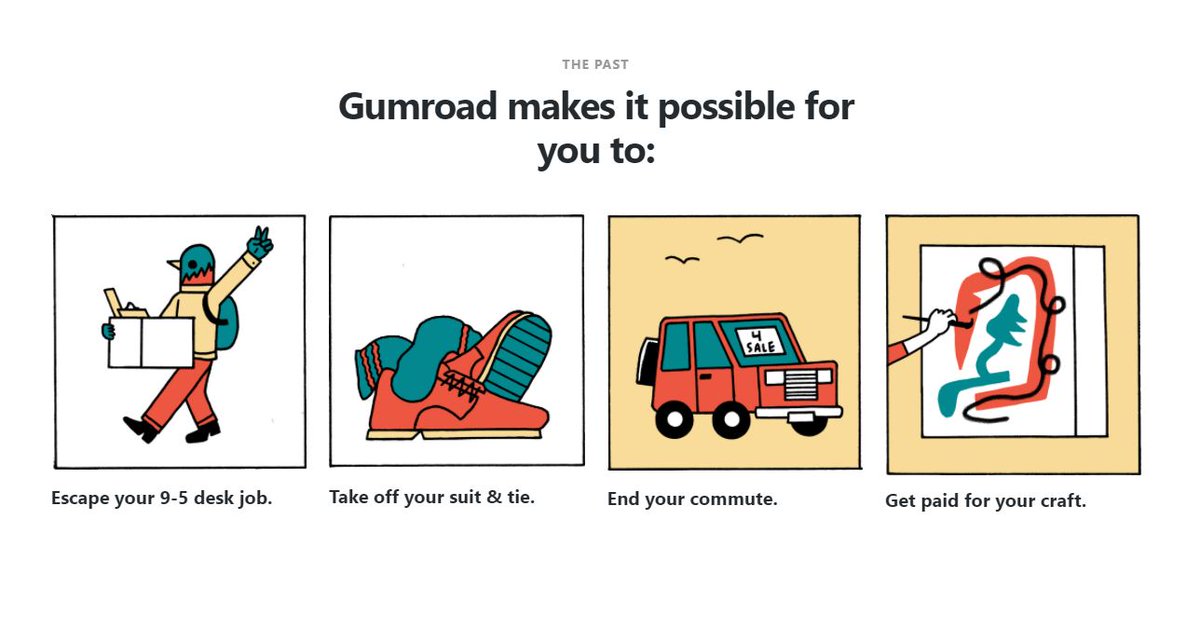
@gumroad is a great example of this, tapping into the emotions of escaping the 9-5 and getting paid to do what you love:
5. Realistic Change:

Stories that compel purchase actions aren't fictional, they're realistic and achievable.

• Describe their core struggle
• Narrate their wins/losses
• Highlight their end-results
6. Community:

The best stories happen within the community of people you wish to serve.

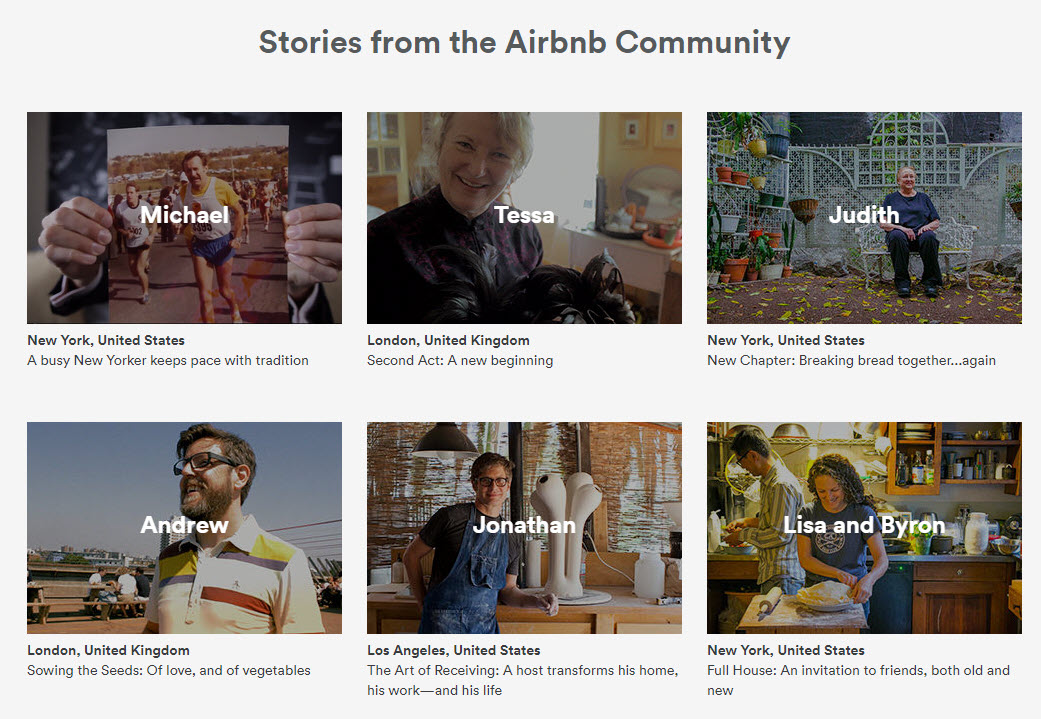
Airbnb's CEO said: "Nothing can express our identity more than the stories of people in our community."

Talk to your customers, your audience, your community. Share their stories.
7. Stakes:

What do customers stand to gain or lose from taking (or not taking) action?

Things like money, time, health, status, career, etc.

Stakes build suspense and hold attention.
8. Underdog:

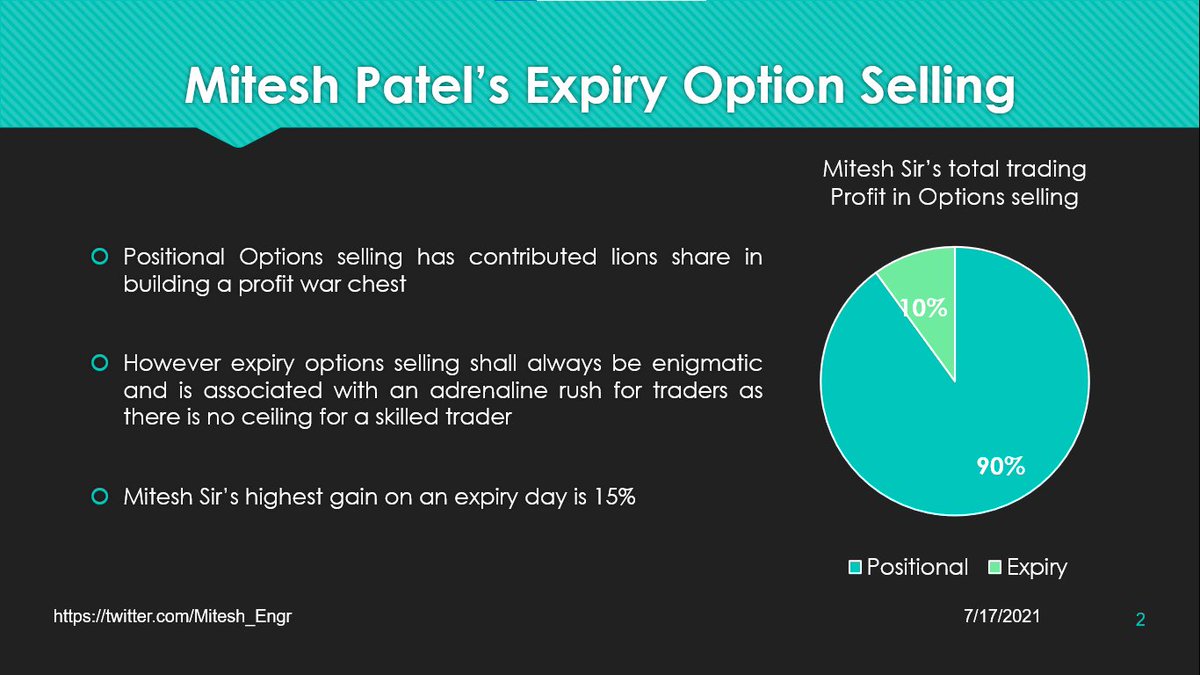
Psychologically, underdog stories captivate us. They give us hope.

Studies show that 88.1% of people root for underdogs. Tap into this with your storytelling:
9. Promises:

Great stories make clear promises; a happier marriage, authentic travel experiences.

The internet is noisy. Your promises must be achievable and exceptional to be worth listening to.
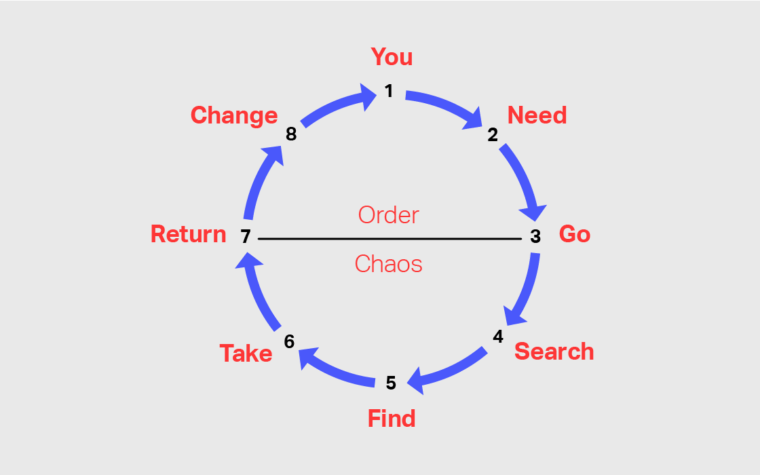
10. The Story Embryo:

This technique is great for brand stories, and evolves on the classical hero's journey.

The hero (your ideal customer) has a need, searches for help, tests ideal solutions, and finally transforms through your product/service.
Were these storytelling tips useful?

1. Retweet the 1st tweet above if you are feeling generous 😃

2. Follow me @jmoserr for more weekly marketing threads!

More from All

You May Also Like

कुंडली में 12 भाव होते हैं। कैसे ज्योतिष द्वारा रोग के आंकलन करते समय कुंडली के विभिन्न भावों से गणना करते हैं आज इस पर चर्चा करेंगे।
कुण्डली को कालपुरुष की संज्ञा देकर इसमें शरीर के अंगों को स्थापित कर उनसे रोग, रोगेश, रोग को बढ़ाने घटाने वाले ग्रह


रोग की स्थिति में उत्प्रेरक का कार्य करने वाले ग्रह, आयुर्वेदिक/ऐलोपैथी/होमियोपैथी में से कौन कारगर होगा इसका आँकलन, रक्त विकार, रक्त और आपरेशन की स्थिति, कौन सा आंतरिक या बाहरी अंग प्रभावित होगा इत्यादि गणना करने में कुंडली का प्रयोग किया जाता है।


मेडिकल ज्योतिष में आज के समय में Dr. K. S. Charak का नाम निर्विवाद रूप से प्रथम स्थान रखता है। उनकी लिखी कई पुस्तकें आज इस क्षेत्र में नए ज्योतिषों का मार्गदर्शन कर रही हैं।
प्रथम भाव -
इस भाव से हम व्यक्ति की रोगप्रतिरोधक क्षमता, सिर, मष्तिस्क का विचार करते हैं।


द्वितीय भाव-
दाहिना नेत्र, मुख, वाणी, नाक, गर्दन व गले के ऊपरी भाग का विचार होता है।
तृतीय भाव-
अस्थि, गला,कान, हाथ, कंधे व छाती के आंतरिक अंगों का शुरुआती भाग इत्यादि।

चतुर्थ भाव- छाती व इसके आंतरिक अंग, जातक की मानसिक स्थिति/प्रकृति, स्तन आदि की गणना की जाती है


पंचम भाव-
जातक की बुद्धि व उसकी तीव्रता,पीठ, पसलियां,पेट, हृदय की स्थिति आंकलन में प्रयोग होता है।

षष्ठ भाव-
रोग भाव कहा जाता है। कुंडली मे इसके तत्कालिक भाव स्वामी, कालपुरुष कुंडली के स्वामी, दृष्टि संबंध, रोगेश की स्थिति, रोगेश के नक्षत्र औऱ रोगेश व भाव की डिग्री इत्यादि।