
'Therefore a man shall leave [יַֽעֲזָב] his father and his mother and hold fast [וְדָבַ֣ק] to his wife, and they shall become one flesh.'
THREAD: Meditations on marriage metaphors in Ruth
The book of Ruth is, of course, a story about a beautiful marriage. But even before the courtship and the wedding and the important genealogy at the end, we find interesting language that is strikingly reminiscent of Genesis 2:24

'Therefore a man shall leave [יַֽעֲזָב] his father and his mother and hold fast [וְדָבַ֣ק] to his wife, and they shall become one flesh.'
Something very similar to this takes places in Ruth's life.
What is more, she made it clear just what she was clinging to.
'All that you have done for your mother-in-law since the death of your husband...how you left [וַתַּֽעַזְבִ֞י] your father and mother and your native land and came to a people that you did not know before.'
'The LORD repay you for what you have done, and a full reward be given you by the LORD, the God of Israel, under whose wings you have come to take refuge!' (Ruth 2:12)
In Ezekiel 16, Israel is depicted as a naked maiden, abhorred and abandoned. Nevertheless, the LORD took her as his own.
'Therefore a man shall leave his father and mother and hold fast to his wife, and the two shall become one flesh. This mystery is profound, and I am saying that it refers to Christ and the church.'
'The soul is full of sins, death, and damnation...
Set me as a seal upon your heart, as a seal upon your arm, for love is strong as death, jealousy is fierce as the grave. Its flashes are flashes of fire, the very flame of the LORD.'
So, too, we see the fierceness with which Ruth clings to the God of Israel: 'May the LORD do so to me and more also if anything but death parts me from you.' (Ruth 1:17)

More from History






You May Also Like


fascinated by this man, mario cortellucci, and his outsized influence on ontario and GTA politics. cortellucci, who lives in vaughan and ran as a far-right candidate for the italian senate back in 2018 - is a major ford donor...
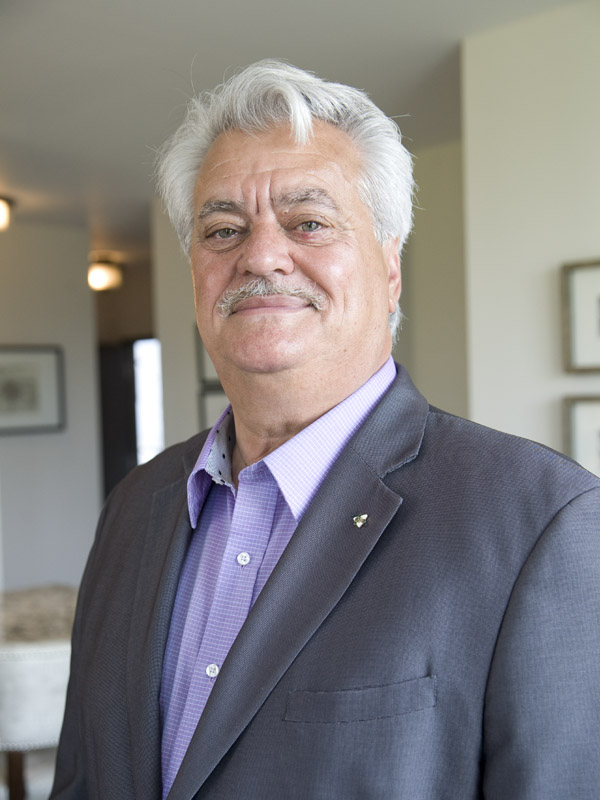
his name might sound familiar because the new cortellucci vaughan hospital at mackenzie health, the one doug ford has been touting lately as a covid-centric facility, is named after him and his family
but his name also pops up in a LOT of other ford projects. for instance - he controls the long term lease on big parts of toronto's portlands... where doug ford once proposed building an nfl stadium and monorail... https://t.co/weOMJ51bVF
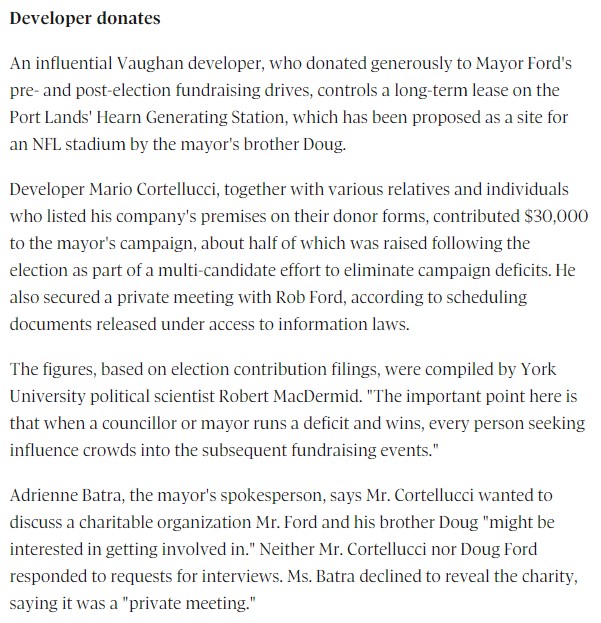
cortellucci, who is a developer, also owns a large chunk of the greenbelt. doug ford's desire to develop the greenbelt has been
and late last year he rolled back the mandate of conservation authorities there, prompting the resignations of several members of the greenbelt advisory
his name might sound familiar because the new cortellucci vaughan hospital at mackenzie health, the one doug ford has been touting lately as a covid-centric facility, is named after him and his family
but his name also pops up in a LOT of other ford projects. for instance - he controls the long term lease on big parts of toronto's portlands... where doug ford once proposed building an nfl stadium and monorail... https://t.co/weOMJ51bVF
cortellucci, who is a developer, also owns a large chunk of the greenbelt. doug ford's desire to develop the greenbelt has been
and late last year he rolled back the mandate of conservation authorities there, prompting the resignations of several members of the greenbelt advisory