#Thread
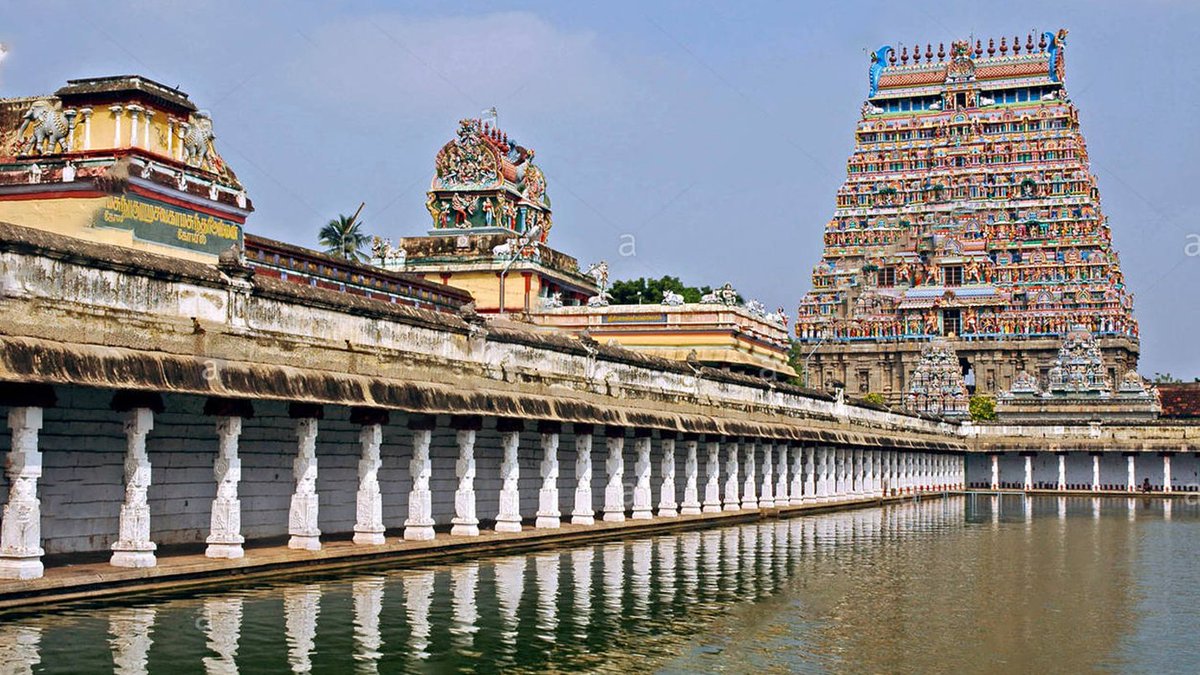
1. #Margabandeeswar #Temple - located at #Virinchipuram, #Vellore dist. #TamilNadu
Sthala Vruksham: Palm Tree
Theertham: Simha, Sooli & Brahma Theertham
This is 1300 years old temple – the oldest & biggest #temple of #Vellore dist. @sattology
@harshasherni
@Itishree001

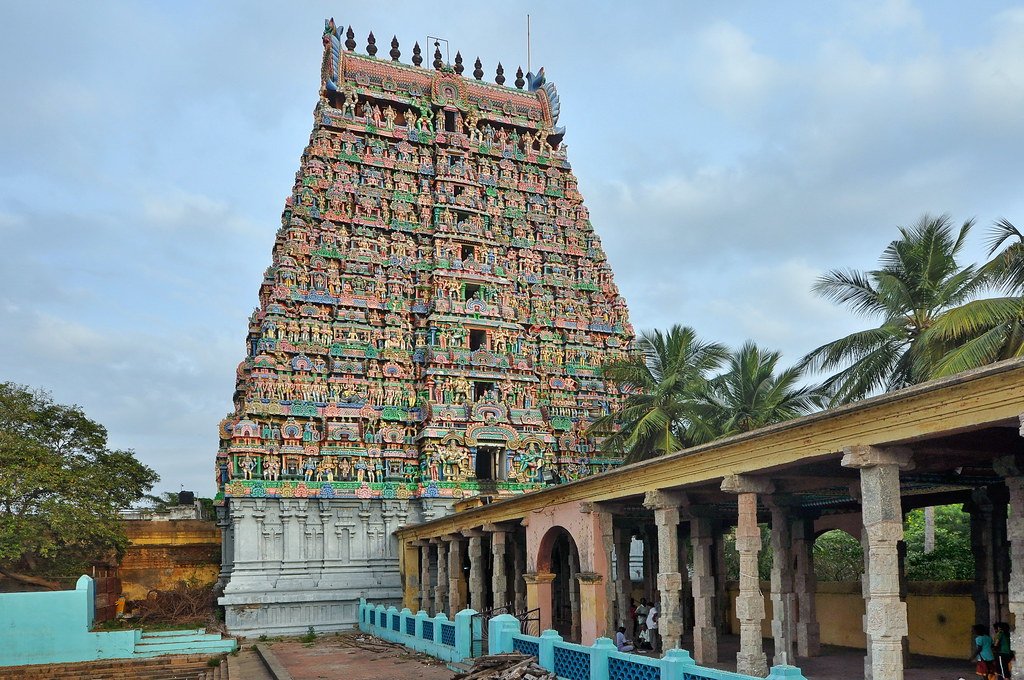
2. #Sattology about this Temple: A 110 feet high, 7 stage, east facing RajaGopuram is the one that welcomes us first. Sri Adi Shankaracharya had done Beejakshara Pradhishta to Simha theertham. This temple is also known as ‘Baskara Kshetram’
@Tanvangi17 @almightykarthik
3. because Surya Bhagwan is said to worship Linga when its rays fall on it in the month of Panguni (March-April); The name of the place as Virinchipuram came from #Sattology that the #Temple was worshiped by Brahma, i.e., Virinchi; The #theertha of this Temple @onlyaravindh
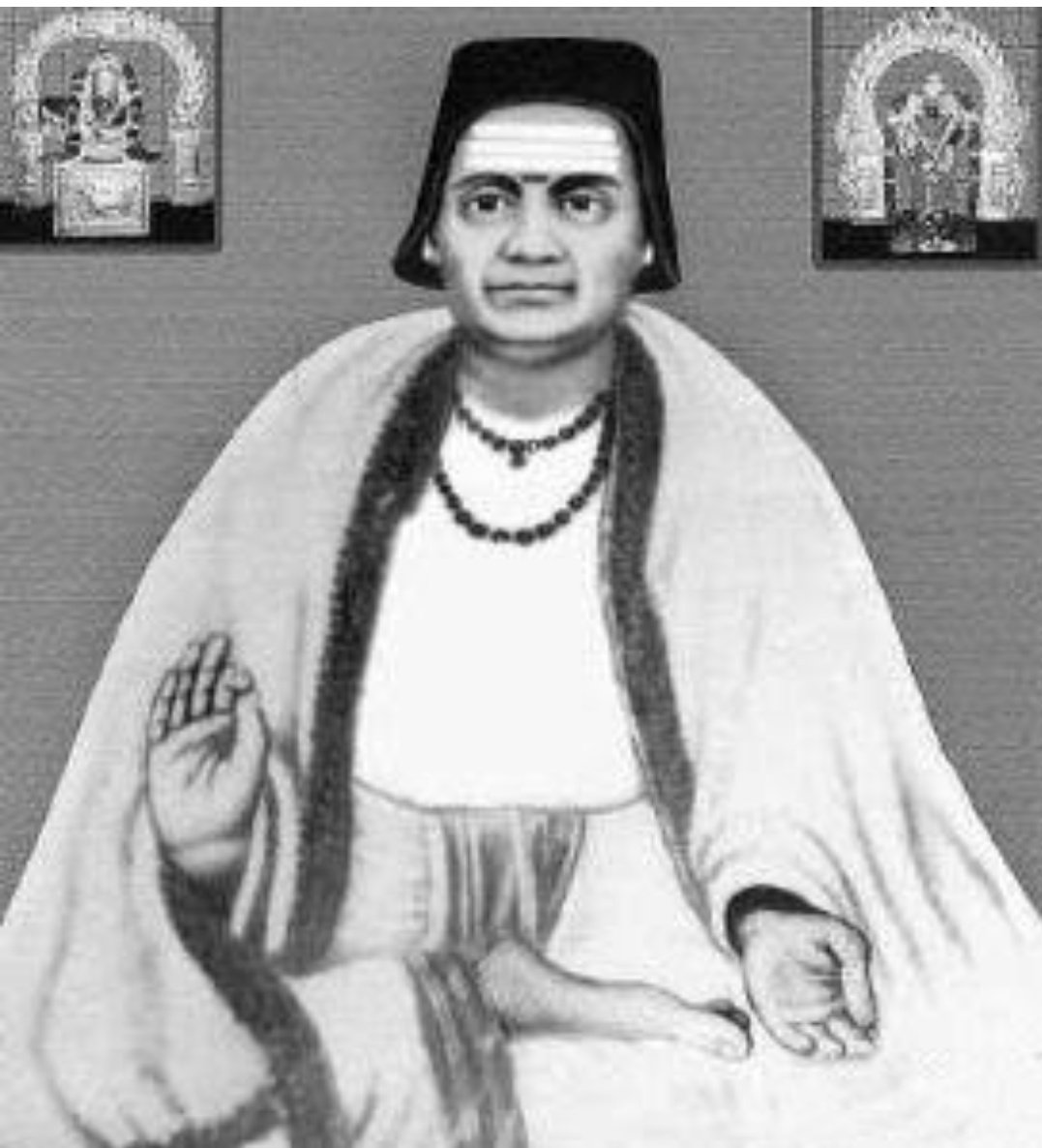
4. is said to be produced by Gowri devi & so, this place is also known as #Gowripuram; #Vishnupuram & #Margabandheeswaram are also the other names of the place. This is the birth place of Sri Appayya Dikshithar (1520-1593), the greatest interpreter of
@pujari_anup @Nidhi7007
5. Advaitha Sidhantha after Adhi Sankara. His Margabandhu stotram on this Margabandheeswarar is for the protection of people while on journey. By reciting this one can have Mahadev with them as Marga-bandhu (protector during journey) along their journey. @Vaidyvoice @desi_thug1
6. Worship Benefits:
Taking a dip at Simha theertham will remove the evil effects of bad omens. The childless couples take dip in all the three theerthams, stay overnight with wet cloth to receive Mahadev in their dream & get the boon of a child.
@srinivazvasu @DivineElement
7. Since Mahadev had conducted the Upanayanam & Dikshai to Brahma Deva here, this is a holy place to have
Upanayanams, to get Dikshai & to start education. The last Sunday of the Karthigai (Nov-Dec) month is considered very auspicious.
@LostTemple7 @Jayalko1
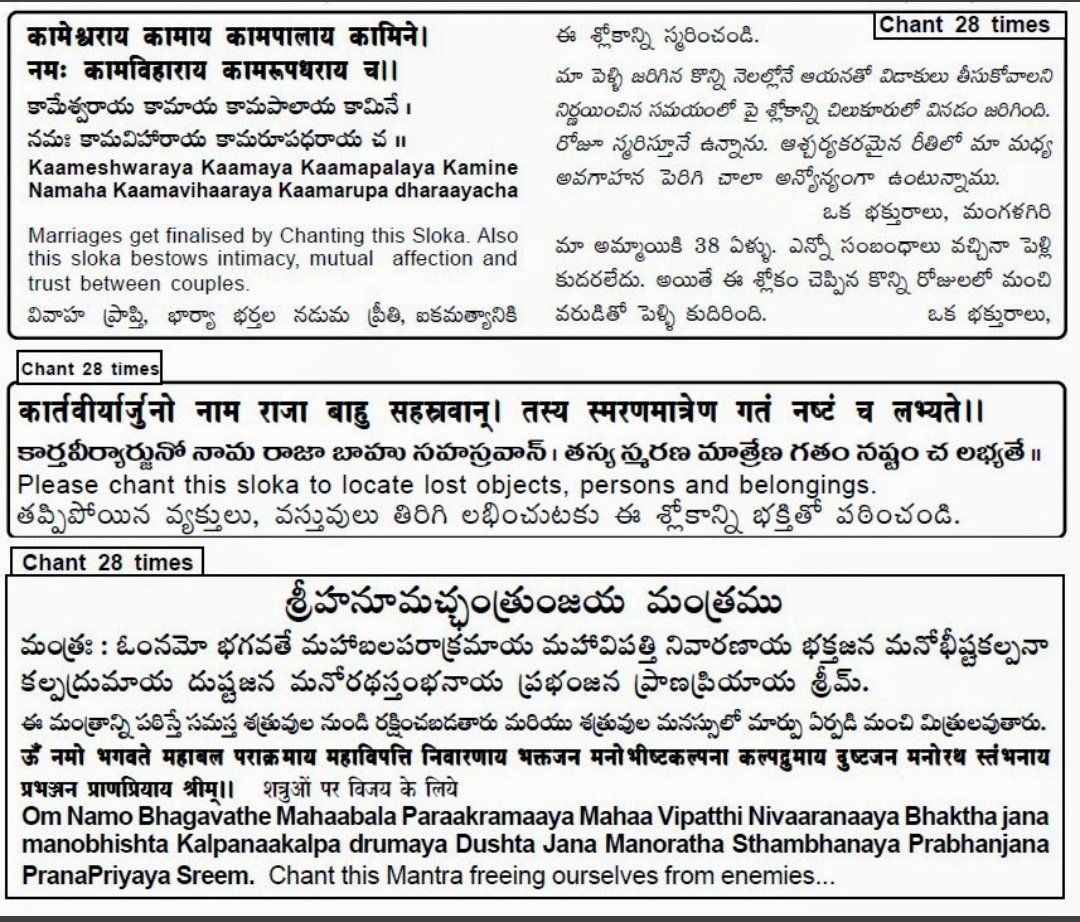
8. By worshiping here, people get their #marriage obstacles removed & get their marriages conducted here. This #beautiful #Temple is 1300 years old & is known for its impressive Rajagopuram & sculptures. The main shrine of the Temple is said to have been built by
@InfoVedic
9. Raja Raja Chola, Sambara Rayan, the viceroy of Klothunga Chola. Nandhi Vikrama Pallava, Rajendra Chola, Paranthaha Chola, Kobarakesari Varman & Vijayanagara kings-Narayana Sambuvarayar, Achutharayar, Devarayar have all contributed significantly.
@rightwingchora @IndiaTales7
Margabandhu Stotram -

"Shambho Mahadeva deva
Shiva Shambho Mahadeva devesha Shambho
Shambho Mahadeva deva...

शम्भो महादेव देव
शिव शम्भो महादेव देव शिव शम्भो
शम्भो महादेव देव ..
Meaning:
Prostrations to He who blesses us with prosperity,
Prostrations to the greatest God,
Prostrations to the abode of peace,
Prostrations to Him, who blesses us with riches,
And Prostrations to him who is the God of Gods.

More from Lakshminarayan G

More from All

॥ॐ॥
अस्य श्री गायत्री ध्यान श्लोक:
(gAyatri dhyAna shlOka)
• This shloka to meditate personified form of वेदमाता गायत्री was given by Bhagwaan Brahma to Sage yAgnavalkya (याज्ञवल्क्य).

• 14th shloka of गायत्री कवचम् which is taken from वशिष्ठ संहिता, goes as follows..


• मुक्ता-विद्रुम-हेम-नील धवलच्छायैर्मुखस्त्रीक्षणै:।
muktA vidruma hEma nIla dhavalachhAyaiH mukhaistrlkShaNaiH.

• युक्तामिन्दुकला-निबद्धमुकुटां तत्वार्थवर्णात्मिकाम्॥
yuktAmindukalA nibaddha makutAm tatvArtha varNAtmikam.

• गायत्रीं वरदाभयाङ्कुश कशां शुभ्रं कपालं गदाम्।
gAyatrIm vardAbhayANkusha kashAm shubhram kapAlam gadAm.

• शंखं चक्रमथारविन्दयुगलं हस्तैर्वहन्ती भजै॥
shankham chakramathArvinda yugalam hastairvahantIm bhajE.

This shloka describes the form of वेदमाता गायत्री.

• It says, "She has five faces which shine with the colours of a Pearl 'मुक्ता', Coral 'विद्रुम', Gold 'हेम्', Sapphire 'नील्', & a Diamond 'धवलम्'.

• These five faces are symbolic of the five primordial elements called पञ्चमहाभूत:' which makes up the entire existence.

• These are the elements of SPACE, FIRE, WIND, EARTH & WATER.

• All these five faces shine with three eyes 'त्रिक्षणै:'.

You May Also Like

The chorus of this song uses the shlokas taken from Sundarkand of Ramayana.

It is a series of Sanskrit shlokas recited by Jambavant to Hanuman to remind Him of his true potential.

1. धीवर प्रसार शौर्य भरा: The brave persevering one, your bravery is taking you forward.


2. उतसारा स्थिरा घम्भीरा: The one who is leaping higher and higher, who is firm and stable and seriously determined.

3. ुग्रामा असामा शौर्या भावा: He is strong, and without an equal in the ability/mentality to fight

4. रौद्रमा नवा भीतिर्मा: His anger will cause new fears in his foes.

5.विजिटरीपुरु धीरधारा, कलोथरा शिखरा कठोरा: This is a complex expression seen only in Indic language poetry. The poet is stating that Shivudu is experiencing the intensity of climbing a tough peak, and likening

it to the feeling in a hard battle, when you see your enemy defeated, and blood flowing like a rivulet. This is classical Veera rasa.

6.कुलकु थारथिलीथा गम्भीरा, जाया विराट वीरा: His rough body itself is like a sharp weapon (because he is determined to win). Hail this complete

hero of the world.

7.विलयगागनथाला भिकारा, गरज्जद्धरा गारा: The hero is destructive in the air/sky as well (because he can leap at an enemy from a great height). He can defeat the enemy (simply) with his fearsome roar of war.