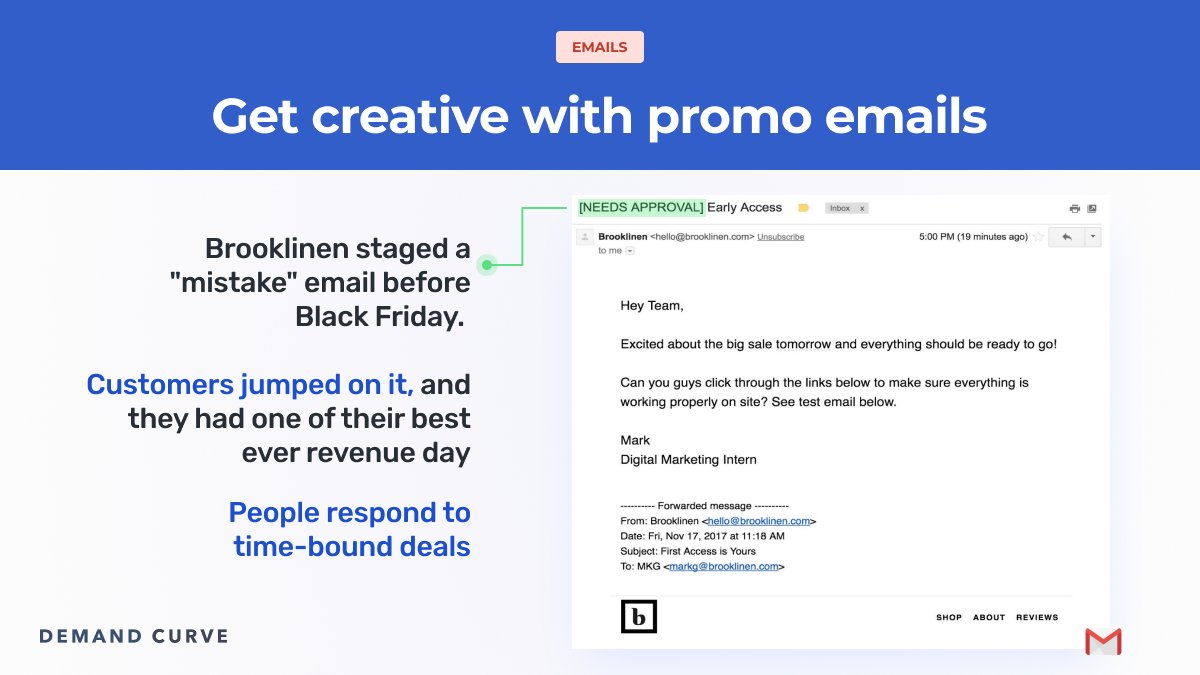
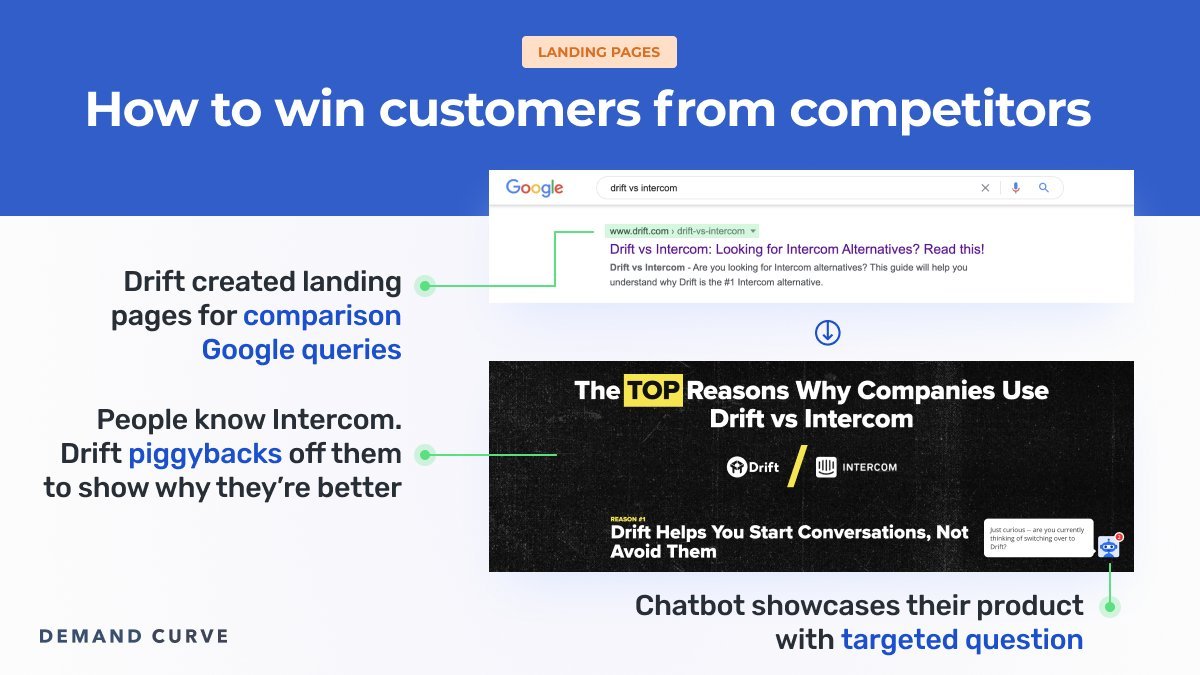
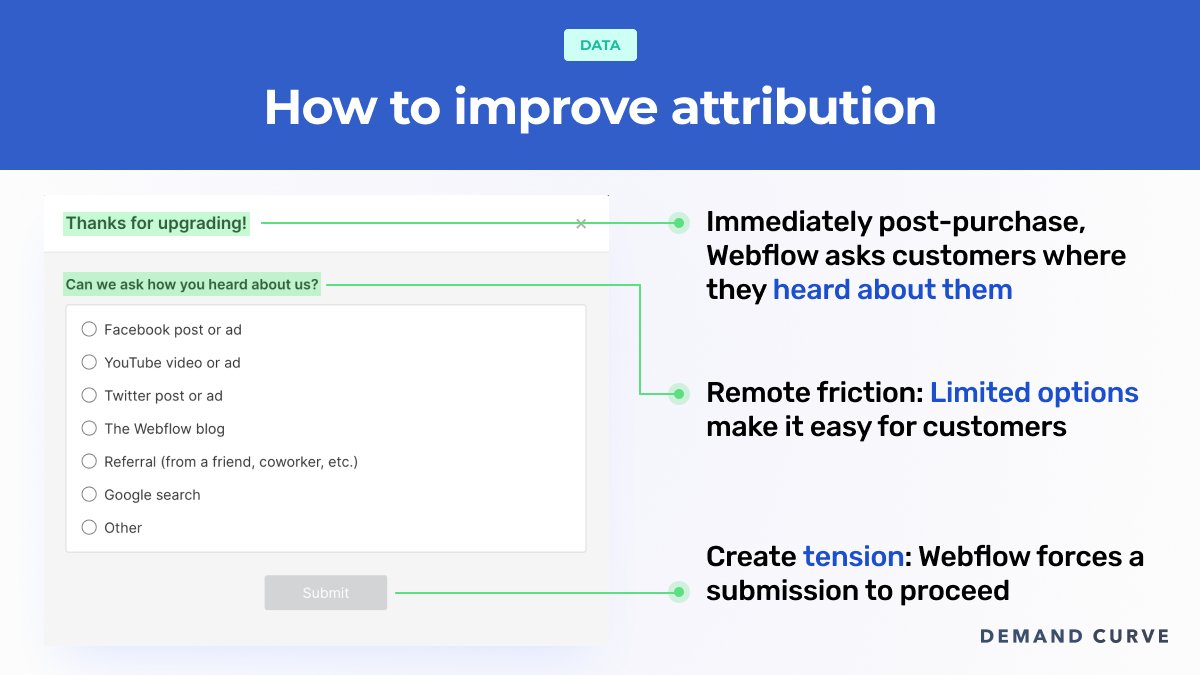
Twitter is, by far, the fastest way to build a high-quality audience.

Why?

It's quicker to write insightful tweets than it is to produce 10min YouTube videos or 1400-word blog posts.

Here's a thread of actionable tactics from studying the fastest-growing Twitter accounts.

2/ Fast-growing accounts have two things in common:

1. They spend 30+ minutes per day sourcing and refining 1-3 daily tweets. They don't wing what they say, and they typically sit on each idea for a few days.

2. Key: They write tweets that get *retweeted.*
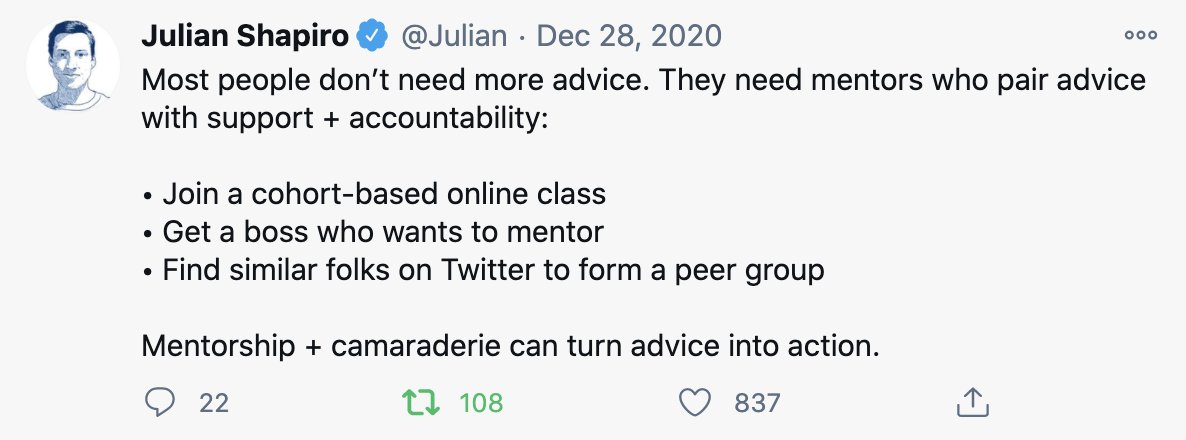
3/ Retweets bring followers.

We polled people to ask why they retweet. They said:

1. "Retweeting is my bookmarking system for ideas."

2. "I retweet when someone's put elegant words to my thoughts."

3. "I want my followers to know I relate to this statement."
4/ So, to get more RTs:

1. Tweet referenceable content that people will refer back to later.

2. Challenge the status quo with elegance and wit.

3. Pick a debate and argue your side with a novel take.

The most RTed tweets? *Threads with advice like this.*
5/ How to write a tweet:

• Open with a hook: Make it counterintuitive or counter-narrative.
• Concise body: Satisfy the craving your hook created.
• End with a punchy zinger: Summarize implications of your finding and what it means for the reader.
6/ How to source tweet ideas:

1. Read other popular tweets and note every time you have a strong reaction to one. Create a Tweet based on that reaction.

2. Summarize novel facts from Wikipedia, YouTube, and Podcasts.
7/ Keywords triple your reach.

Twitter’s Featured Topics’ algorithm favors tweets with certain keywords.

Inject 1-3 Twitter keywords into your tweet, e.g. sports, investing, or venture capital.
8/ Change your profile to get followers.

• Express value in your bio: "I write tweets to help startups grow."
• Pin your highest value, most RTed tweet
• Ensure your last 3 tweets are interesting
• Measure profile visit → follow rate (use https://t.co/zX1uaHm5L3)
9/ Vanity metrics like # of followers mean little.

You need a way to consistently move people to an owned channel, like a newsletter.

2 ways:

1. Slow: Link your newsletter in your bio.

2. Fast: Tweet half a thread. Tell people to subscribe to get the other half.
10/ Remember that half the benefit of Twitter is connecting with interesting people.

Use a tool like https://t.co/sI9YO0rKLn to search through your followers’ bios.

Then message people when it's mutually beneficial to exchange ideas.
11/ Final thoughts:

• Spend ~30 mins/day and create 1-3 tweets per day
• Optimize tweets for RTs by sharing novel advice
• Generate ideas using reactions to strong opinions
• Inject topic keywords to expand reach
If you found this valuable, we go deep on actionable, novel growth tactics in our newsletter.

Get biweekly growth tactics, here 👉([https://t.co/zSX5RZQ0tt]

More from Growth Tactics

More from Twitter

Here are some of the best threads I've ever read on Twitter,

All related to

- Startups
- Entrepreneurship
- Indiehacker
- Wealth
- Health
- Life nd philosophy

I'll keep updating them regularly

Read below 👇

1. Getting reach without being luck, best tweet ever by


2. On meditation by


3. On college and eduction by


4. "Deep Year" concept by
This is why I'm not a critic of "cancel culture." It's crucial to impose social costs for the breech of key social norms. The lesson of overreaction is that we need to recalibrate judgment to get it right next time, not that we need a lot more bad judgment in the other direction.


Obviously, people will disagree about which norms are important, about how bad it is to violate them, and thus about how severe the social cost ought to be. That's just pluralism, man, and it's good.

It's important to openly talk through these substantive differences, which is why derailing these conversations with hand-waving moral panic about "cancel culture" is obnoxious and illiberal.

Screaming "cancel culture!" when somebody pays a social costs other people have been fighting hard to get others to see as necessary is often just a way to declare, with no argument, that the sanction in question was not only unnecessary but in breach of a more important norm.

It's impossible to uphold social norms without social sanctions, so obviously anti-cancelers are going to want to impose a social cost on people they see as imposing unjustly steep social costs on others.

You May Also Like