Gaps and Probabilities.
A 2019 Tweet.
#GapTheory - Do the Gaps get filled?
— Piyush Chaudhry (@piyushchaudhry) March 12, 2019
As per Thomas Bulkowski's 2005 study Odds for filling of the following Gaps -
Common Gaps: >70%
However,
Breakaway Gaps: <5%
Runaway Gaps: <20%
Exhaustion Gaps: >70%
Categorize the Gaps correctly and Look for Counter Signals.
More from Piyush Chaudhry

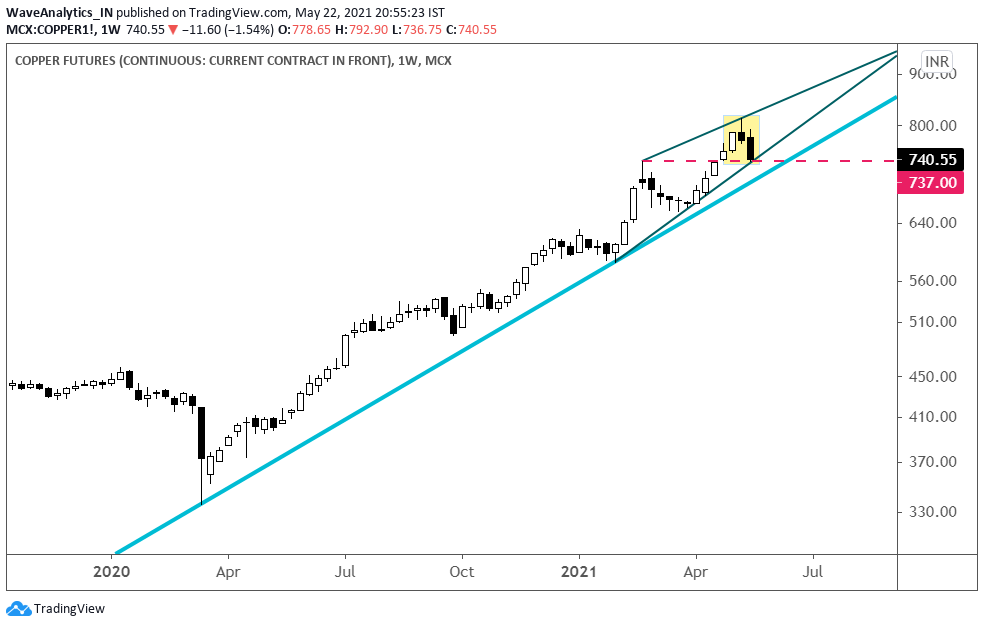
New All Time High.
#HINDUNILVR
EW
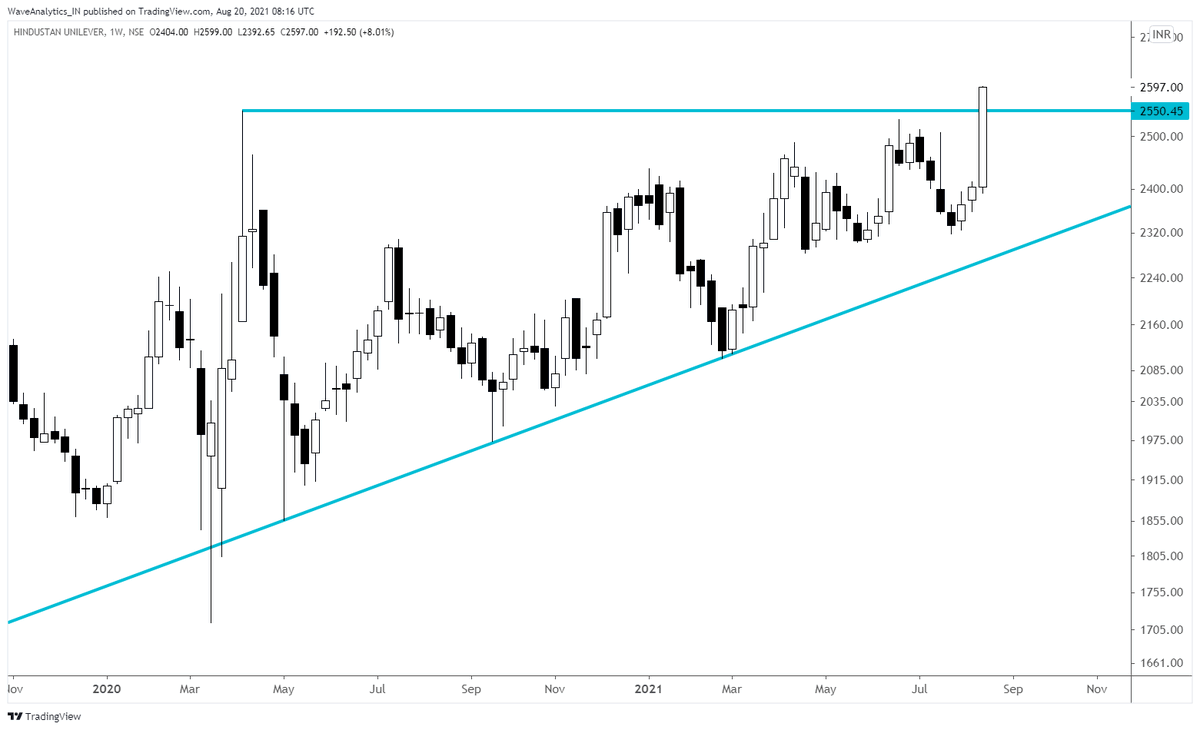
Long Term Chart of the Month. #HINDUNILVR
— Piyush Chaudhry (@piyushchaudhry) December 9, 2020
Sometime in the next decade I see a fair possibility of stock reaching 7000 odd.
Invalidation below Blue Trendline. #ElliottWave pic.twitter.com/uxQrzt1mbj
as per relative strength
One question that I often get is which of the two: #HINDUNILVR or #ITC would be a better Investment bet. While their individual charts are clear themselves, another approach is ratio chart. IMHO Lever should outperform ITC for several years going forward.https://t.co/3AFqm6FJ1Q pic.twitter.com/rLuIm8xyVw
— Piyush Chaudhry (@piyushchaudhry) December 30, 2020
#NIFTY in Regression Channel.
— Piyush Chaudhry (@piyushchaudhry) April 30, 2022
A rectangular consolidation around the central Line of Best Fit, with no such reversal characteristics on display yet.
For it to revisit the upper band, odds would increase only on a break above ~17450.
Else, it's a slippery slope. pic.twitter.com/4OT7JM1TJY
More from Stocklearnings




Kindly RETWEET and LIKE if you feel our efforts adding to your knowledge.

🩸Types of
There are 4\u20e3 type of #BREAKOUTS
— The Chartians (@chartians) January 22, 2021
1\u20e3 Breakout with no retest
2\u20e3 Breakout with a re-test
3\u20e3 Breakout with a hard re-test
4\u20e3 Failed breakout.
We Will Explain it one by one with examples. Kindly Retweet it if you find it useful. #Nifty
🩸 Detailed guide on TX, a free trading tool by
A detailed guide on #TX3 by @EdelweissFin
— The Chartians (@chartians) August 8, 2021
Software worth 50,000/- for F R E E \U0001f3c6
Scroll down \U0001f447 for detailed analysis
(Using for 2+years)
User guide PDF \U0001f4d9 https://t.co/Ke7Bn2jRO8 #chartians #momentum #StockMarketindia #trading #tx3 #edelweiss pic.twitter.com/6M7TCYpPLc
🩸 Fibonacci retracement and golder ratio - Part
\U0001fa78FIBONACCI retracement and GOLDEN RATIO - PART 2
— The Chartians (@chartians) August 8, 2021
Before we move forward, kindly like and retweet if you find our content is adding something to your knowledge. pic.twitter.com/HDlcOa5ZPP
🩸 Fibonacci retracement and golden ratio - Part
\U0001fa78FIBONACCI retracement and GOLDEN RATIO
— The Chartians (@chartians) August 7, 2021
Before we move forward, kindly like and retweet if you find our content is adding something to your knowledge. pic.twitter.com/iVC6W3pqks



You May Also Like





Mr. Patrick, one of the chief scientists at the Army Biological Warfare Laboratories at Fort Detrick in Frederick, Md., held five classified US patents for the process of weaponizing anthrax.
2/x
Under Mr. Patrick’s direction, scientists at Fort Detrick developed a tularemia agent that, if disseminated by airplane, could cause casualties & sickness over 1000s mi². In a 10,000 mi² range, it had 90% casualty rate & 50% fatality rate
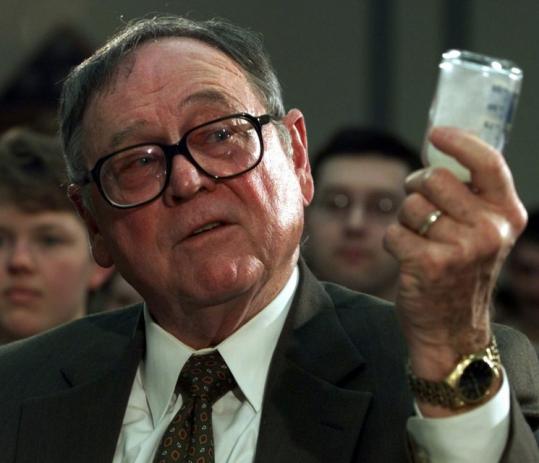
3/x His team explored Q fever, plague, & Venezuelan equine encephalitis, testing more than 20 anthrax strains to discern most lethal variety. Fort Detrick scientists used aerosol spray systems inside fountain pens, walking sticks, light bulbs, & even in 1953 Mercury exhaust pipes

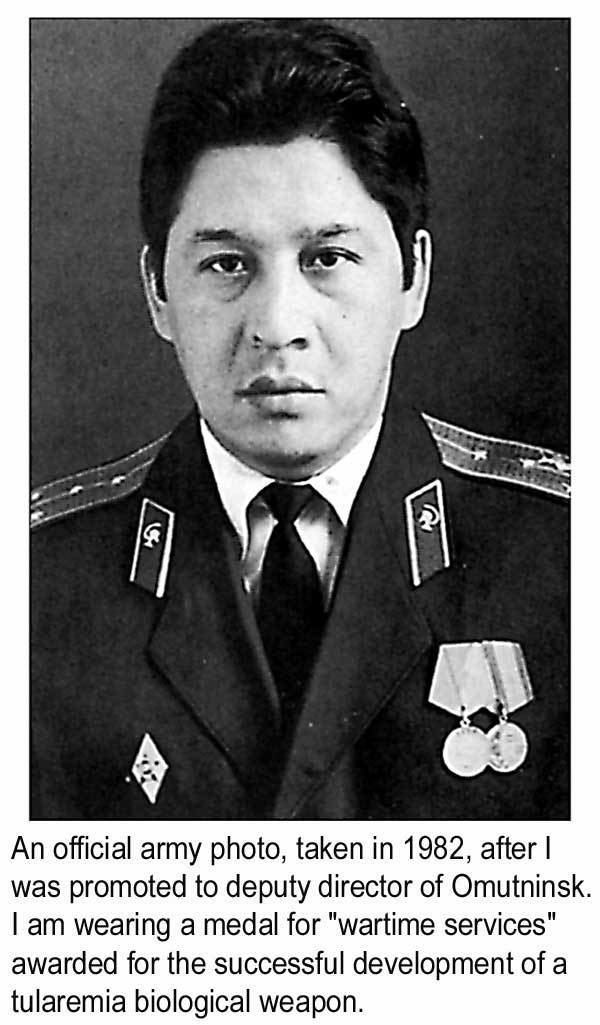
4/x After retiring in 1986, Mr. Patrick remained one of the world’s foremost specialists on biological warfare & was a consultant to the CIA, FBI, & US military. He debriefed Soviet defector Ken Alibek, the deputy chief of the Soviet biowarfare program
https://t.co/sHqSaTSqtB
5/x Back in Time
In 1949 the Army created a small team of chemists at "Camp Detrick" called Special Operations Division. Its assignment was to find military uses for toxic bacteria. The coercive use of toxins was a new field, which fascinated Allen Dulles, later head of the CIA


Some random interesting tidbits:
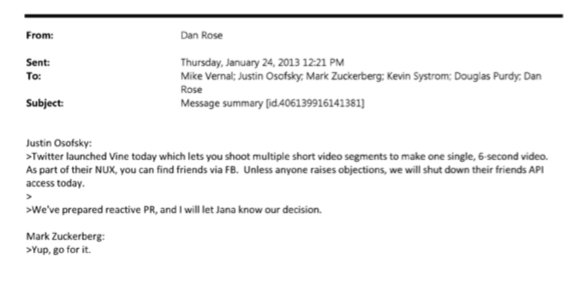
1) Zuck approves shutting down platform API access for Twitter's when Vine is released #competition
2) Facebook engineered ways to access user's call history w/o alerting users:
Team considered access to call history considered 'high PR risk' but 'growth team will charge ahead'. @Facebook created upgrade path to access data w/o subjecting users to Android permissions dialogue.
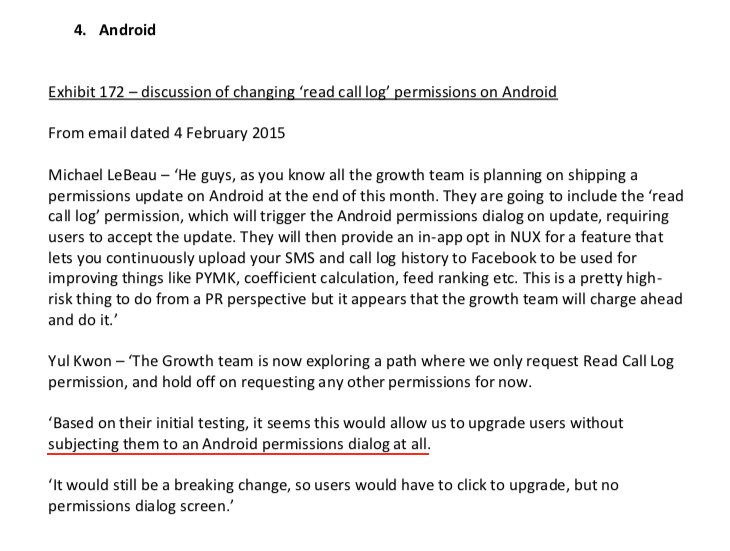
3) The above also confirms @kashhill and other's suspicion that call history was used to improve PYMK (People You May Know) suggestions and newsfeed rankings.
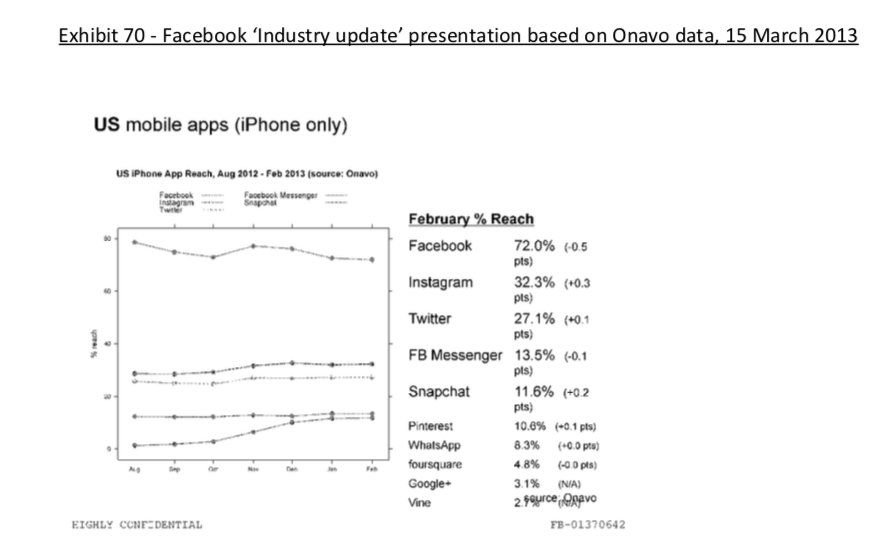
4) Docs also shed more light into @dseetharaman's story on @Facebook monitoring users' @Onavo VPN activity to determine what competitors to mimic or acquire in 2013.
https://t.co/PwiRIL3v9x