#Nifty
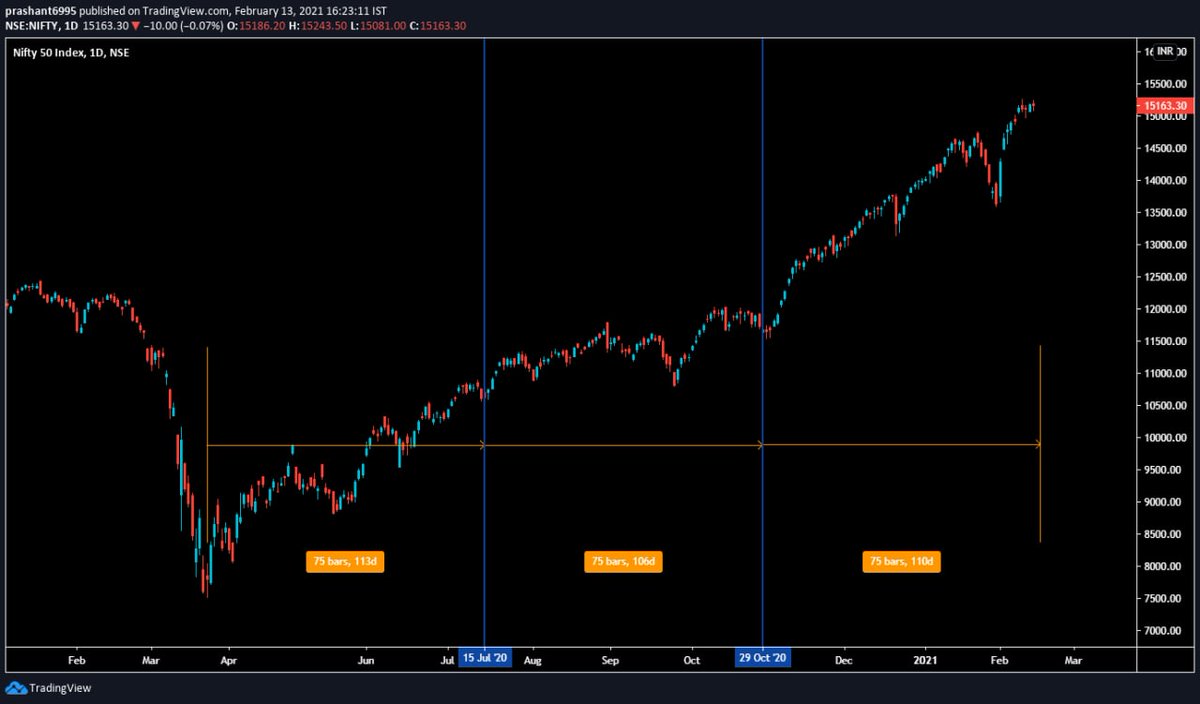
March20 low of 7511, taking 75 days trading cycle , here's an observation
The low or high made on each 75th day, when crossed and closed above/below it , market has moved in that direction for the next 75 days, happened twice so far, next such date to watchout is 16 Feb.
More from Prashant Bhansali
#GreavesCotton
#EW
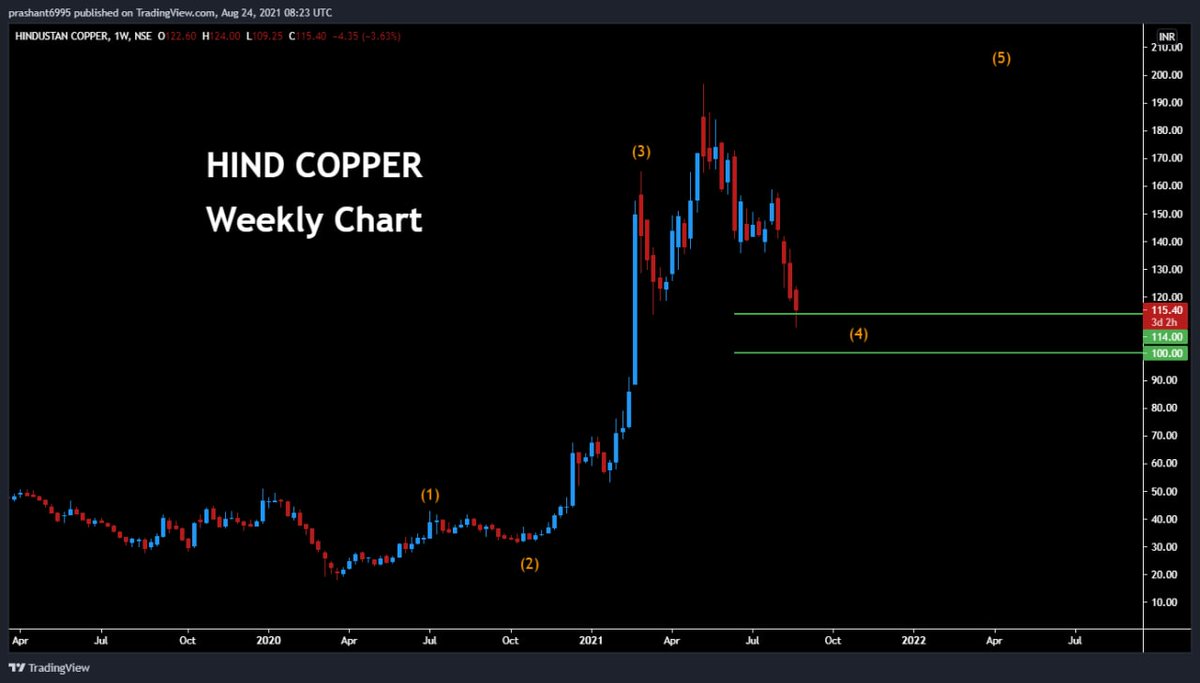
Here's my view based on EW purely for long term
We could witness a big big 3rd wave in coming months
#investmentidea https://t.co/5laFyd8A7X
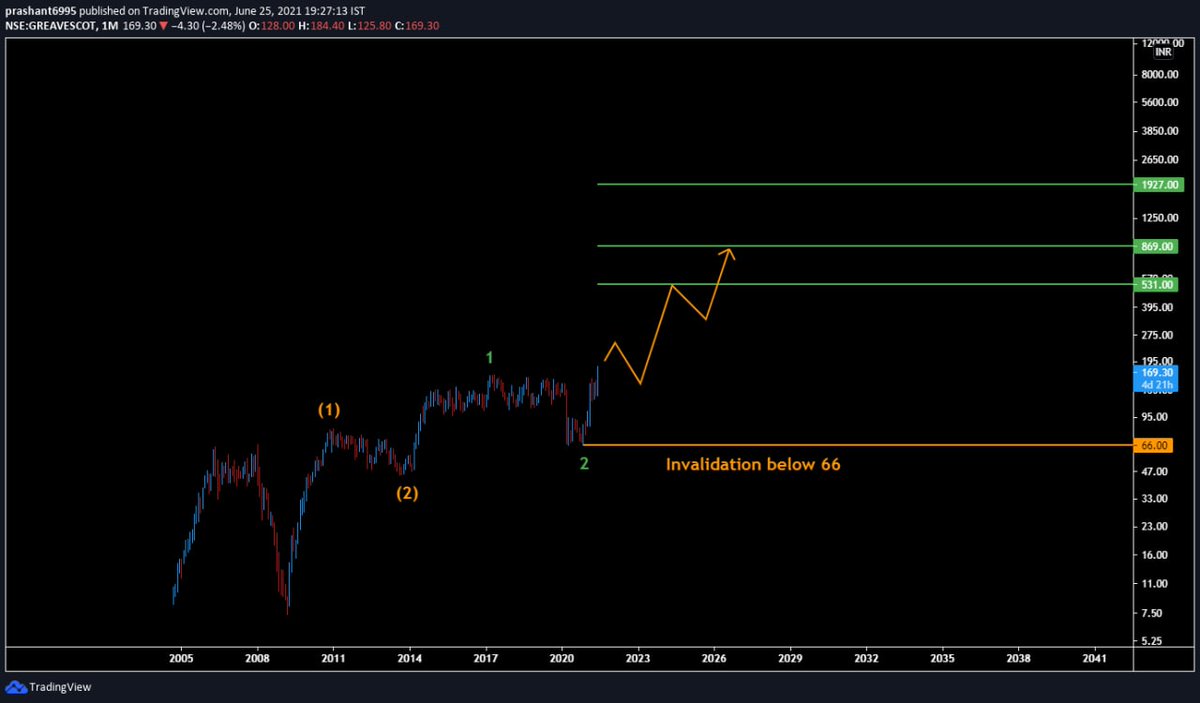
#EW
Here's my view based on EW purely for long term
We could witness a big big 3rd wave in coming months
#investmentidea https://t.co/5laFyd8A7X
(30) #GreavesCotton monthly chart
— Prashant Bhansali (@prashant280294) June 25, 2021
Big monthly breakout underway
Is it time to move to next orbit higher ? Looks like! #PB365 pic.twitter.com/CB0OtIow7G
More from Stocklearnings




25k webinar Done in a tweet
A sweet and simple BNF Setup i use
Alligator Setup
Retweet so that everyone can get benefited.
Check Full thread for full strategy.
1. You have to use 2 charts simultaneously , first chart of bank nifty spot 15 min time frame , candle used heikin ashi
Second chart 15 min bnf future normal candle.
2. Indicator used is alligator , in the indicator you have to only use the jaw of indicator.
3. Whenever spot and future candle closes simultaneously below the jaw line , short at the low of the candle which closed below the jawline.
4. Whenever spot and future candle closes simultaneously above the jaw line , buy at the high of the candle which closes above the jawline.
5. Target and Stoploss - Ideal target which i personally take is 100 points.
Stoploss also 100 points.
On trending days you can trail and take 200/300/400 points also.
I have personally made maximum 624 points in bank nifty in a single trade.
6. Precautions - never trade on sideways days.
7. Never trade on gap up or gapdown of more than 100 points .
I have made a detailed video on the same.
Link https://t.co/XMolGUKZPF
Thankyou for reading.
A sweet and simple BNF Setup i use
Alligator Setup
Retweet so that everyone can get benefited.
Check Full thread for full strategy.
1. You have to use 2 charts simultaneously , first chart of bank nifty spot 15 min time frame , candle used heikin ashi
Second chart 15 min bnf future normal candle.
2. Indicator used is alligator , in the indicator you have to only use the jaw of indicator.
3. Whenever spot and future candle closes simultaneously below the jaw line , short at the low of the candle which closed below the jawline.
4. Whenever spot and future candle closes simultaneously above the jaw line , buy at the high of the candle which closes above the jawline.
5. Target and Stoploss - Ideal target which i personally take is 100 points.
Stoploss also 100 points.
On trending days you can trail and take 200/300/400 points also.
I have personally made maximum 624 points in bank nifty in a single trade.
6. Precautions - never trade on sideways days.
7. Never trade on gap up or gapdown of more than 100 points .
I have made a detailed video on the same.
Link https://t.co/XMolGUKZPF
Thankyou for reading.