Okay look - I didn’t grow up with comic books. But I read stacks of science fiction digests and I kit-bashed model cars into fantasy rods, and just tried to maintain a low profile until I could get out of the house. So you could say I’m a distant cousin of the comic book fan. /1
More from Culture





For my book, I interviewed Texan Republicans, Democrats, oil guys + clean energy pioneers. Texas was once leading in wind energy, with GOP support. Now we get lies, from the Gov on down on renewables. What happened?
Lessons from Short Circuiting Policy https://t.co/KtxaBci5oC 🧵
Texas' challenges are not from "learning too many renewable energy lessons from California.” - Rep. Crenshaw
Texas passed its first renewable energy target in 1999, 3 years before California. The law was signed by, Gov. George W. Bush — you may recall he’s a Republican.
Gov. Bush was so proud of Texas’ leadership on wind energy, that he campaigned on it when running for President in 2000.
The "bill he signed in 1999 will make Texas the country’s largest market for renewable energy by 2009."
https://t.co/T4dKZ5qGnA
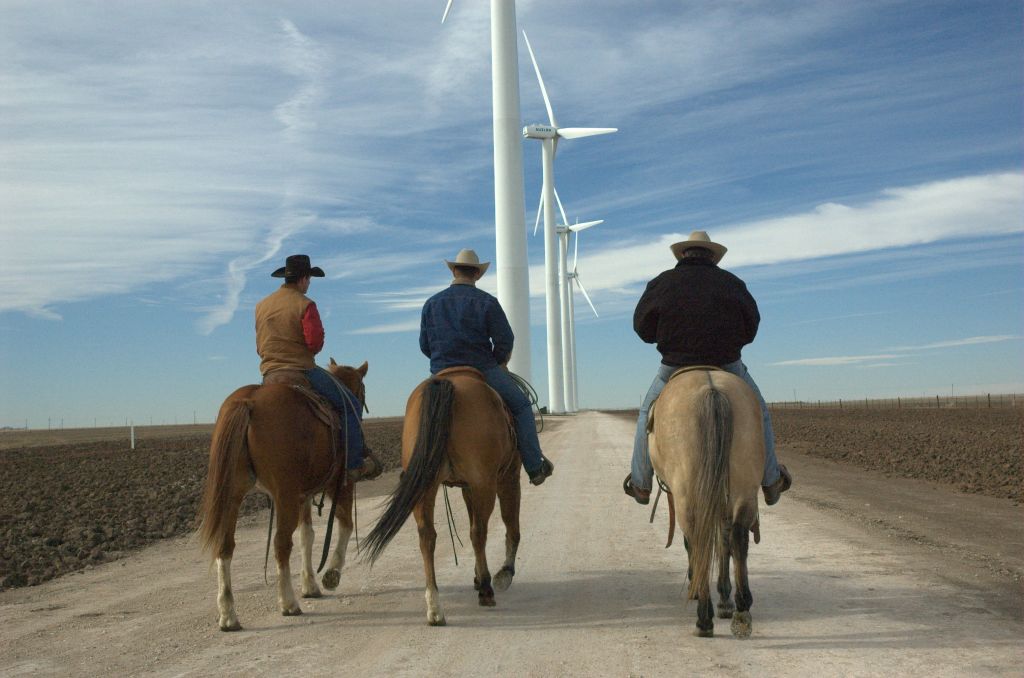
In 2005, Texas passed another big wind energy law, which included $7 billion for transmission.
It was sponsored by Republican state Senator Troy Fraser and signed by Republican Gov. Rick
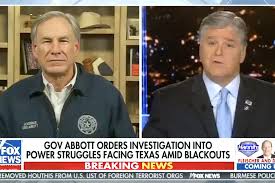
With Gov. Abbott going on TV this week and lying, blaming the boogeyman “Green New Deal” and wind turbines for Texas’ current crisis, GOP leadership on renewables feels like ancient history.
What happened over the past 15
Lessons from Short Circuiting Policy https://t.co/KtxaBci5oC 🧵
Texas' challenges are not from "learning too many renewable energy lessons from California.” - Rep. Crenshaw
Texas passed its first renewable energy target in 1999, 3 years before California. The law was signed by, Gov. George W. Bush — you may recall he’s a Republican.
Gov. Bush was so proud of Texas’ leadership on wind energy, that he campaigned on it when running for President in 2000.
The "bill he signed in 1999 will make Texas the country’s largest market for renewable energy by 2009."
https://t.co/T4dKZ5qGnA
In 2005, Texas passed another big wind energy law, which included $7 billion for transmission.
It was sponsored by Republican state Senator Troy Fraser and signed by Republican Gov. Rick
With Gov. Abbott going on TV this week and lying, blaming the boogeyman “Green New Deal” and wind turbines for Texas’ current crisis, GOP leadership on renewables feels like ancient history.
What happened over the past 15