Let me tell you: It's a myth. Star or not, companies differ WILDLY in their needs, culture and requirements.
It has been super tough to end up here but: Today, I have finally signed an offer for my next gig. TBA, still, but finally after such a tough 2018, honestly!
I learned so much about interviewing and negotiating globally that I thought I'd write a master-thread on my thoughts:

Let me tell you: It's a myth. Star or not, companies differ WILDLY in their needs, culture and requirements.
I found it extremely hard to get ahead for gigs that were outside of my core expertise, even though I'm a generalist.
My no1 interview tip for anybody is now to start interviews with questions of your own.
Overall I made my CV according to what *I* wanted.
The best design tests were the ones where I got to do a mock design meeting with the team. So much fun!
Discuss with someone you trust what’s reasonable.
It’s ok to ask for things, you are worthy of compensation!!
The IGDA also offers negotiation workshops in case you want to practice ❤️
Can’t talk about what I’m doing next just yet but I absolutely can’t wait to go do it! So many challenges ahead, it’s going to be awesome! ✨
The best recruiters I've worked with have given me multiple avenues to contact them and I loved the ones the most that I could contact somewhere other than email only, e.g. whatsapp or other messengers.
If you can be open about talking about them in interviews, it's a MASSIVE plus point!!
More from Startups


You May Also Like




fascinated by this man, mario cortellucci, and his outsized influence on ontario and GTA politics. cortellucci, who lives in vaughan and ran as a far-right candidate for the italian senate back in 2018 - is a major ford donor...
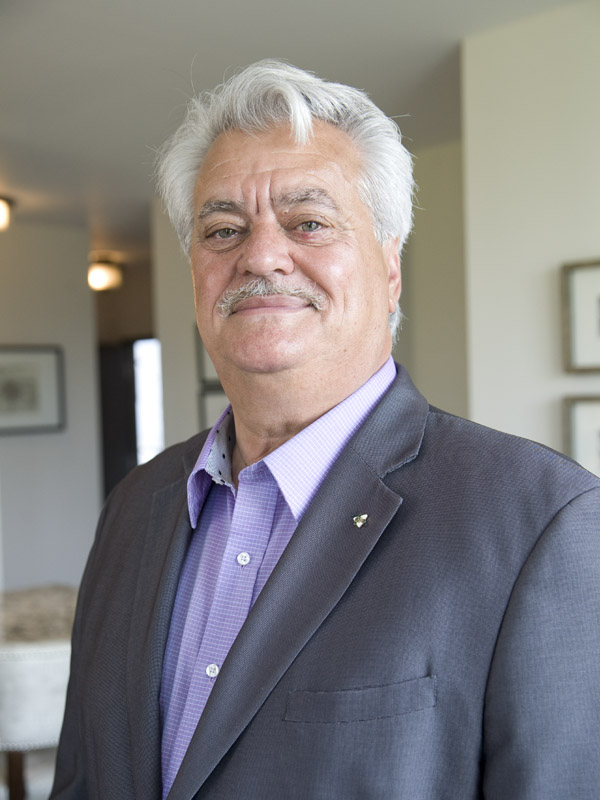
his name might sound familiar because the new cortellucci vaughan hospital at mackenzie health, the one doug ford has been touting lately as a covid-centric facility, is named after him and his family
but his name also pops up in a LOT of other ford projects. for instance - he controls the long term lease on big parts of toronto's portlands... where doug ford once proposed building an nfl stadium and monorail... https://t.co/weOMJ51bVF
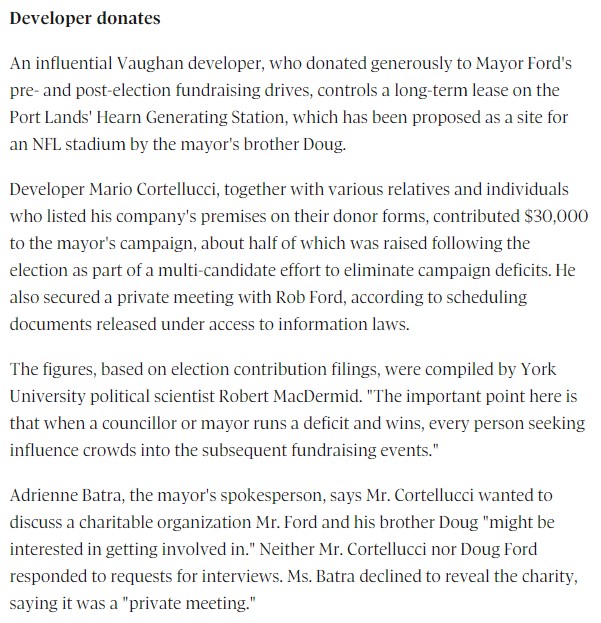
cortellucci, who is a developer, also owns a large chunk of the greenbelt. doug ford's desire to develop the greenbelt has been
and late last year he rolled back the mandate of conservation authorities there, prompting the resignations of several members of the greenbelt advisory
his name might sound familiar because the new cortellucci vaughan hospital at mackenzie health, the one doug ford has been touting lately as a covid-centric facility, is named after him and his family
but his name also pops up in a LOT of other ford projects. for instance - he controls the long term lease on big parts of toronto's portlands... where doug ford once proposed building an nfl stadium and monorail... https://t.co/weOMJ51bVF
cortellucci, who is a developer, also owns a large chunk of the greenbelt. doug ford's desire to develop the greenbelt has been
and late last year he rolled back the mandate of conservation authorities there, prompting the resignations of several members of the greenbelt advisory