All 4⃣ simple scanners I use in one place😃
Breakout Scanners:
👉CCI(34) weekly crossing 100
👉CCI(34) Daily crossing 100
Reversal Scanners:
👉CCI(34) weekly crossing above -100
👉CCI(34) daily crossing above -100
Dashboard:
https://t.co/KfKc7V0nGD
Like & Retweet if u use it!
More from Trendline Investor


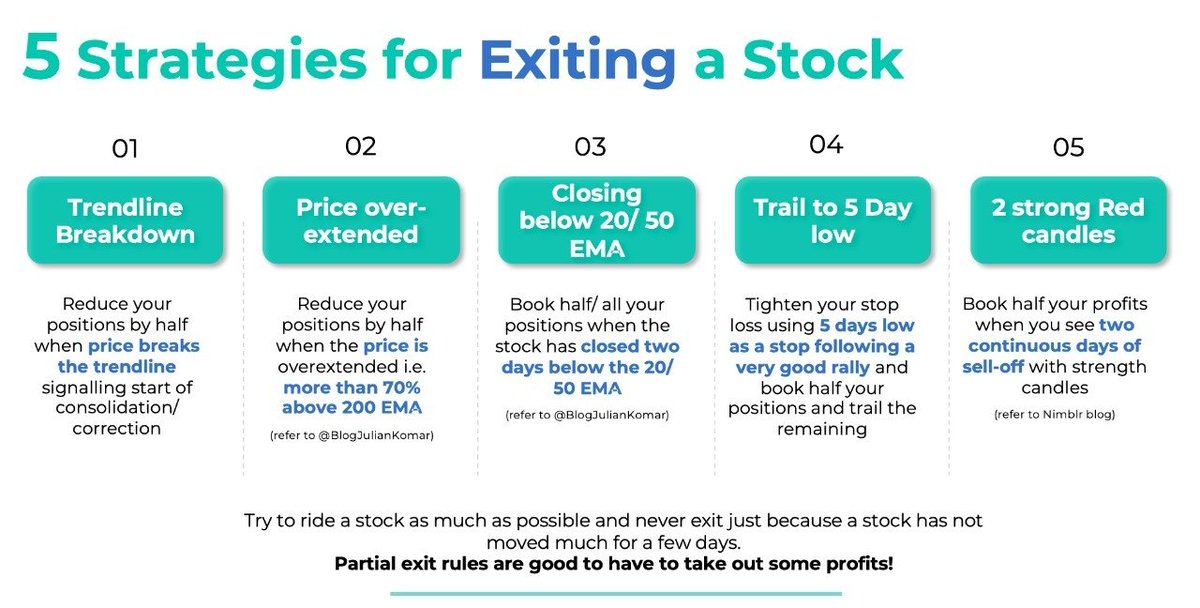
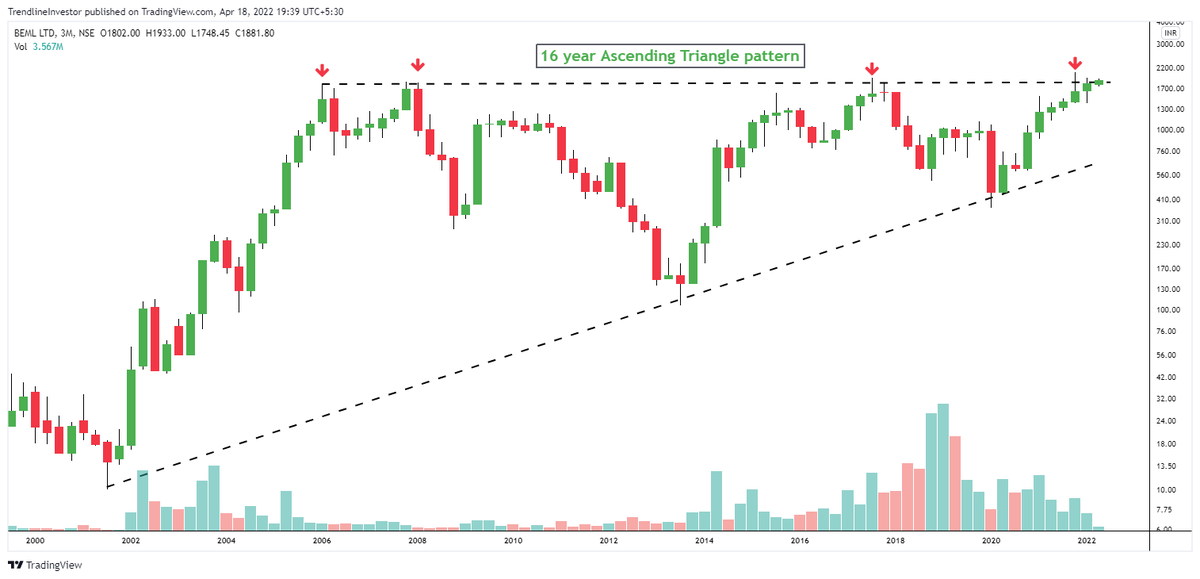
#FnOstock #SBIN has completed a 9 month time correction towards the primary trend line & is all set to head higher from here.
— Trendline Investor (@dmdsplyinvestor) July 11, 2022
This could also be a #SIP stock considering it broke out from a decade long consolidation in Feb'21.
Might continue to outperform #Nifty & #Banknifty pic.twitter.com/mYk4exvOn7
More from Screeners




For new followers ...
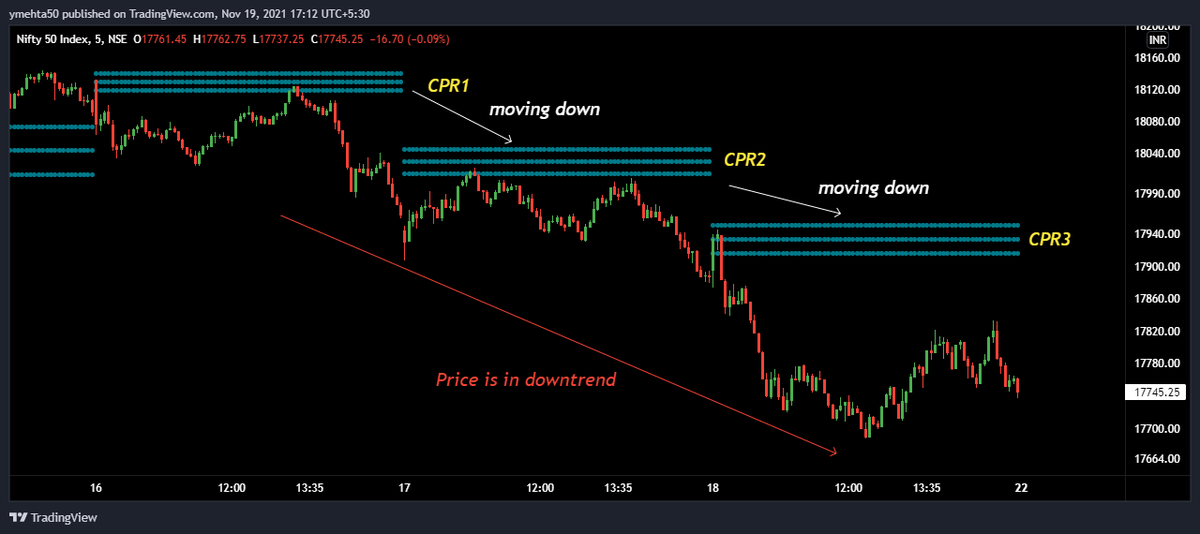
If u r a pivot based intraday trader, u should have this cheat sheet. Follow this and C. Your wrong trades will reduce considerably. Good luck.
#FREETIPS
— ScorpioManoj (@scorpiomanojFRM) April 1, 2022
Pivot Rules snapshot
A free one page cheat sheet for pivot based trading that could probably be sold for a hefty price ....
Rem: This is just a broad set of rules. There are many advance rules more than this. pic.twitter.com/FnzmGGKx0P

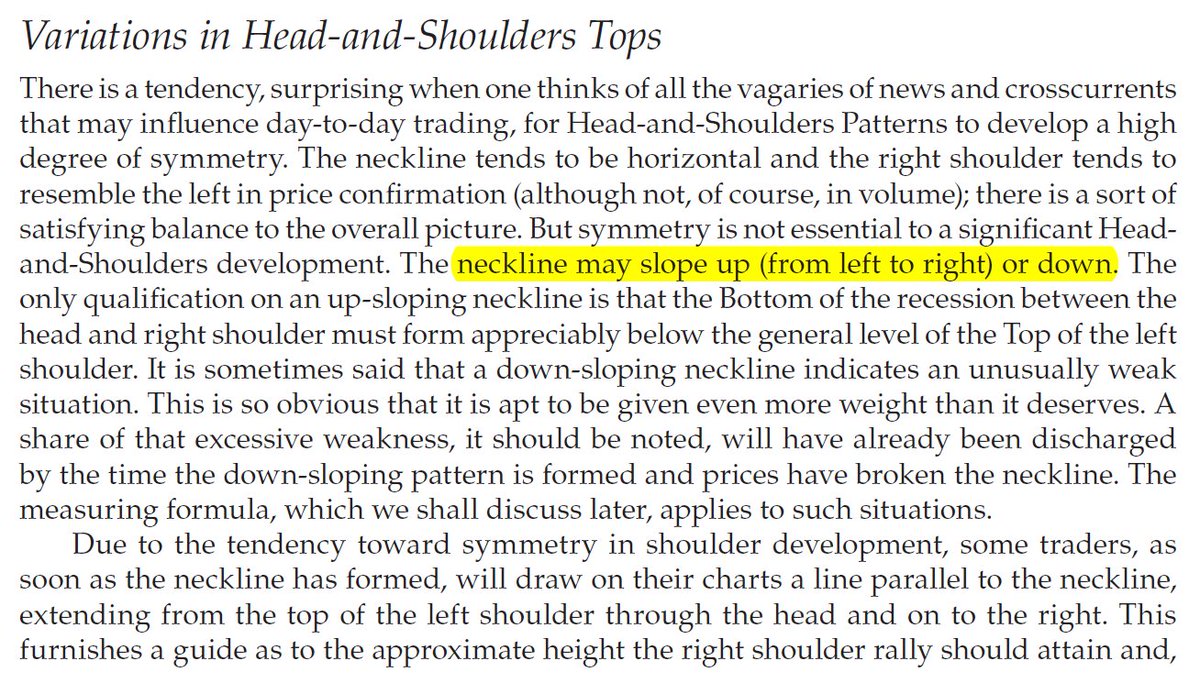
Sir Edwards & Magee discussed sloping necklines in H&S in their classical work. I am considering this breakdown by Affle as an H&S top breakdown with a target open of 770.
— The_Chartist \U0001f4c8 (@charts_zone) May 25, 2022
The target also coincides with support at the exact same level. pic.twitter.com/n84kSgkg4q