AGI Significance Paradox: As progress accelerates towards AGI, the number of people who realize the significance of each new breakthrough decreases.
More from Carlos E. Perez
It's a very different perspective when we realize that our bodies consist of an entire ecology of bacteria and viruses that are also passed to our ancestors. Mammals rear their young and as a consequence transfer the microbiome and virome to their offspring.
What does it mean to treat our individuality as ecologies? We are all ecologies existing in other ecologies. Nature is constantly performing a balancing act across multiple scales of existence.
There are bacteria and viruses that are unique to your ancestry as that of your own DNA. They have lived in symbiosis with your ancestor and will do so for your descendants.
It is an empirical fact that the microbiome in our stomach can influence not only our own moods but also our metabolism and thus our weight and health.
It is also intriguing to know that brains evolved out of stomachs and that our stomachs contain hundreds of millions of neurons. Humans can literally think with their gut.
What is the nature of our (evolved) relationship with viruses? We are literally flooded by them. Welcome to the human virome, with harmful but also beneficial members. Great paper in @sciam "The Viruses Inside You" https://t.co/aWszsNq61d pic.twitter.com/eFsoxV4M9K
— Ricard Sol\xe9 (@ricard_sole) December 12, 2020
What does it mean to treat our individuality as ecologies? We are all ecologies existing in other ecologies. Nature is constantly performing a balancing act across multiple scales of existence.
There are bacteria and viruses that are unique to your ancestry as that of your own DNA. They have lived in symbiosis with your ancestor and will do so for your descendants.
It is an empirical fact that the microbiome in our stomach can influence not only our own moods but also our metabolism and thus our weight and health.
It is also intriguing to know that brains evolved out of stomachs and that our stomachs contain hundreds of millions of neurons. Humans can literally think with their gut.
Nice to discover Judea Pearl ask a fundamental question. What's an 'inductive bias'?
I crucial step on the road towards AGI is a richer vocabulary for reasoning about inductive biases.
explores the apparent impedance mismatch between inductive biases and causal reasoning. But isn't the logical thinking required for good causal reasoning also not an inductive bias?
An inductive bias is what C.S. Peirce would call a habit. It is a habit of reasoning. Logical thinking is like a Platonic solid of the many kinds of heuristics that are discovered.
The kind of black and white logic that is found in digital computers is critical to the emergence of today's information economy. This of course is not the same logic that drives the general intelligence that lives in the same economy.
Help! What precisely is "inductive bias"? Some ML researchers are in the opinion that the machine learning category of \u2018inductive biases\u2019 can allow us to build a causal understanding of the world. My Ladder of Causation says: "This is mathematically impossible". Who is right? 1/
— Judea Pearl (@yudapearl) February 14, 2021
I crucial step on the road towards AGI is a richer vocabulary for reasoning about inductive biases.
explores the apparent impedance mismatch between inductive biases and causal reasoning. But isn't the logical thinking required for good causal reasoning also not an inductive bias?
An inductive bias is what C.S. Peirce would call a habit. It is a habit of reasoning. Logical thinking is like a Platonic solid of the many kinds of heuristics that are discovered.
The kind of black and white logic that is found in digital computers is critical to the emergence of today's information economy. This of course is not the same logic that drives the general intelligence that lives in the same economy.
More from Science

An interesting thing about carp is that they can go into anoxic hibernation and switch to an anaerobic metabolism based on converting glycogen to ethanol.
The waste ethanol is diffused out the gills
https://t.co/V3D1umHf04
Carp can switch over to an anaerobic metabolism and quietly exhale booze until the situation gets better.
They basically evolved the same metabolic pathway as yeast, independently.
In theory, if you spent a few thousand years breeding carp for it, you could use them to make booze.
They'd be enormous, almost entirely glycogen deposits with a fish added as an afterthought.
The really interesting thing about anaerobic carp, is that they can go 4-5 months without oxygen by relying on liver glycogen.
You, a human, have only about 100 grams of glycogen in your liver, about 400 more grams in your skeletal muscles. Call it 500 grams total.
In humans, glycogen is also burned for energy. This is where the marathon runner's bonk comes from: you only have about 2,000 calories worth, and running a marathon burns those 2,000 calories.
The waste ethanol is diffused out the gills
https://t.co/V3D1umHf04
Carp can switch over to an anaerobic metabolism and quietly exhale booze until the situation gets better.
They basically evolved the same metabolic pathway as yeast, independently.
In theory, if you spent a few thousand years breeding carp for it, you could use them to make booze.
They'd be enormous, almost entirely glycogen deposits with a fish added as an afterthought.
The really interesting thing about anaerobic carp, is that they can go 4-5 months without oxygen by relying on liver glycogen.
You, a human, have only about 100 grams of glycogen in your liver, about 400 more grams in your skeletal muscles. Call it 500 grams total.
In humans, glycogen is also burned for energy. This is where the marathon runner's bonk comes from: you only have about 2,000 calories worth, and running a marathon burns those 2,000 calories.


💥and so it begins..💥
It's time, my friends 🤩🤩
[Thread] #ProjectOdin
https://t.co/fO90N78fta
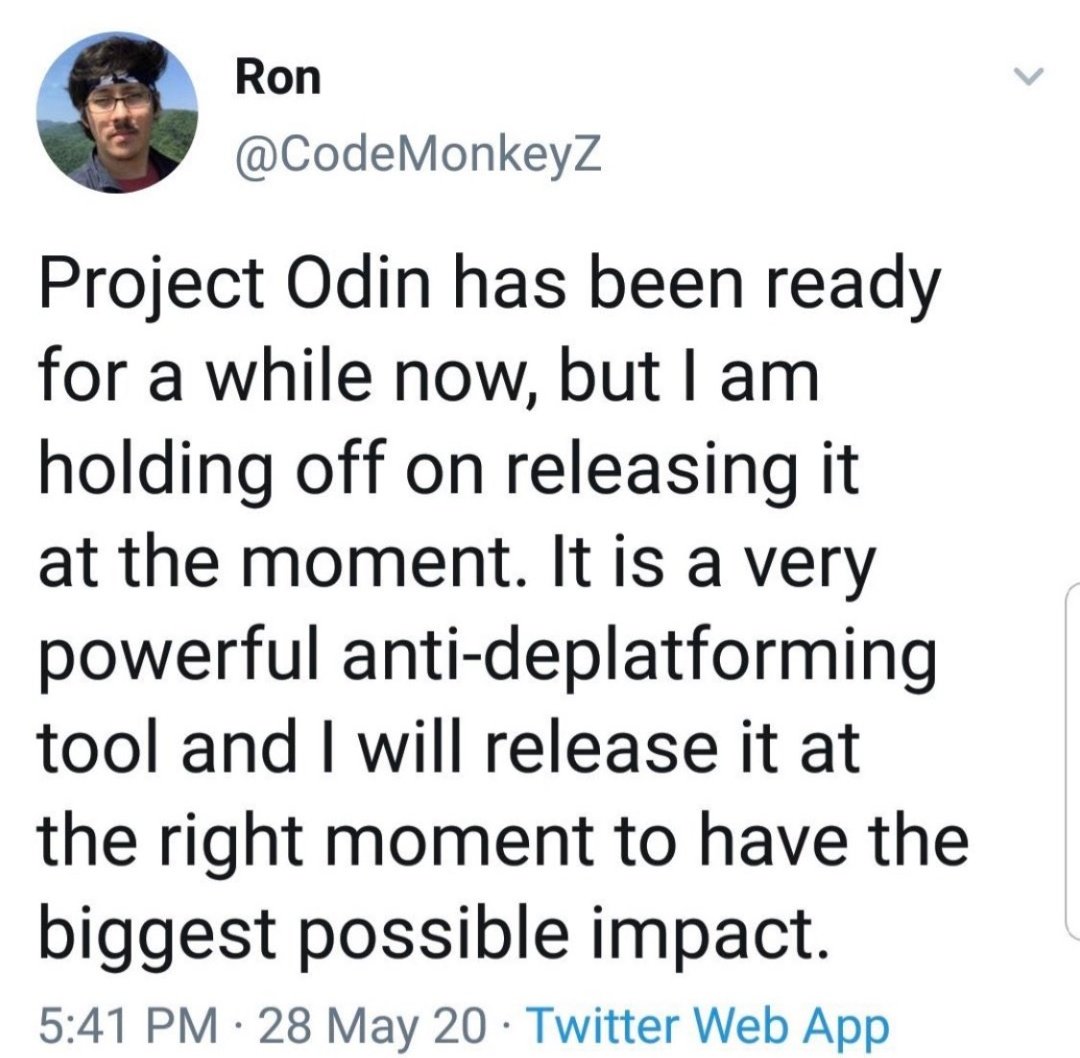
new quantum-based internet #ElonMusk #QVS #QFS
Political justification ⏬⏬
#ProjectOdin
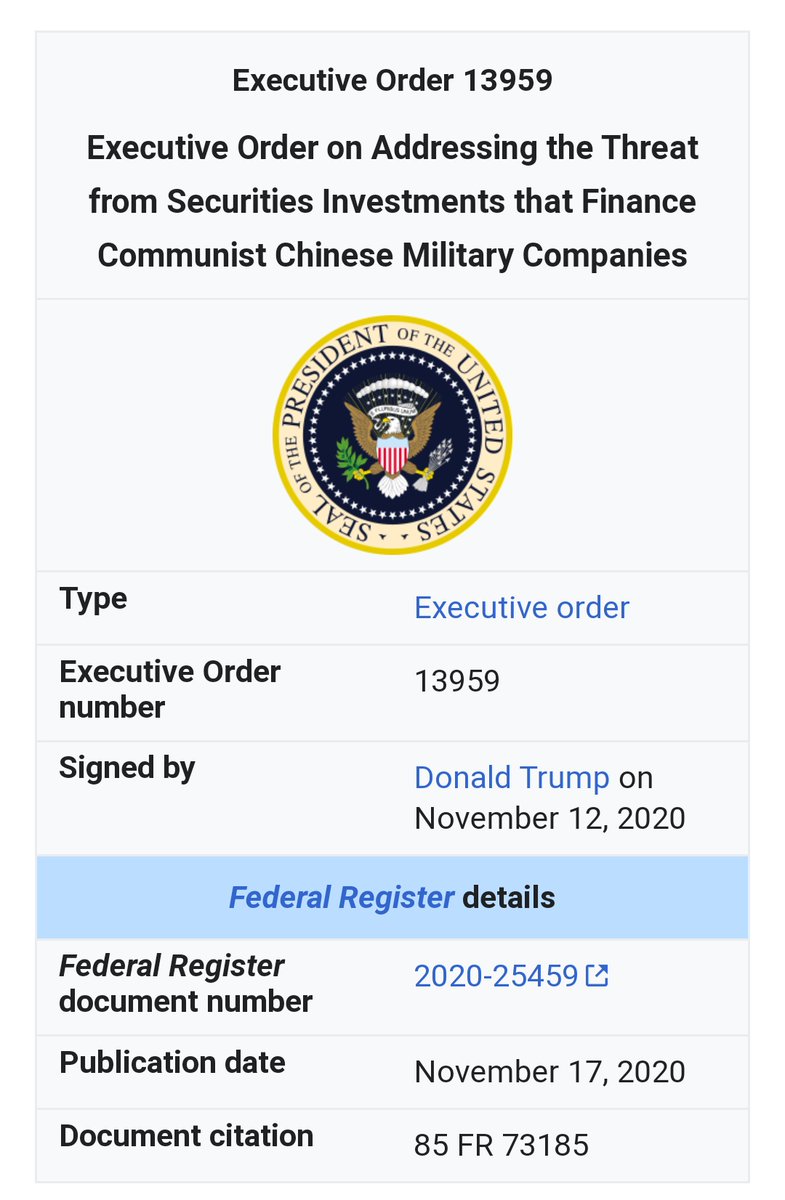
#ProjectOdin #Starlink #ElonMusk #QuantumInternet
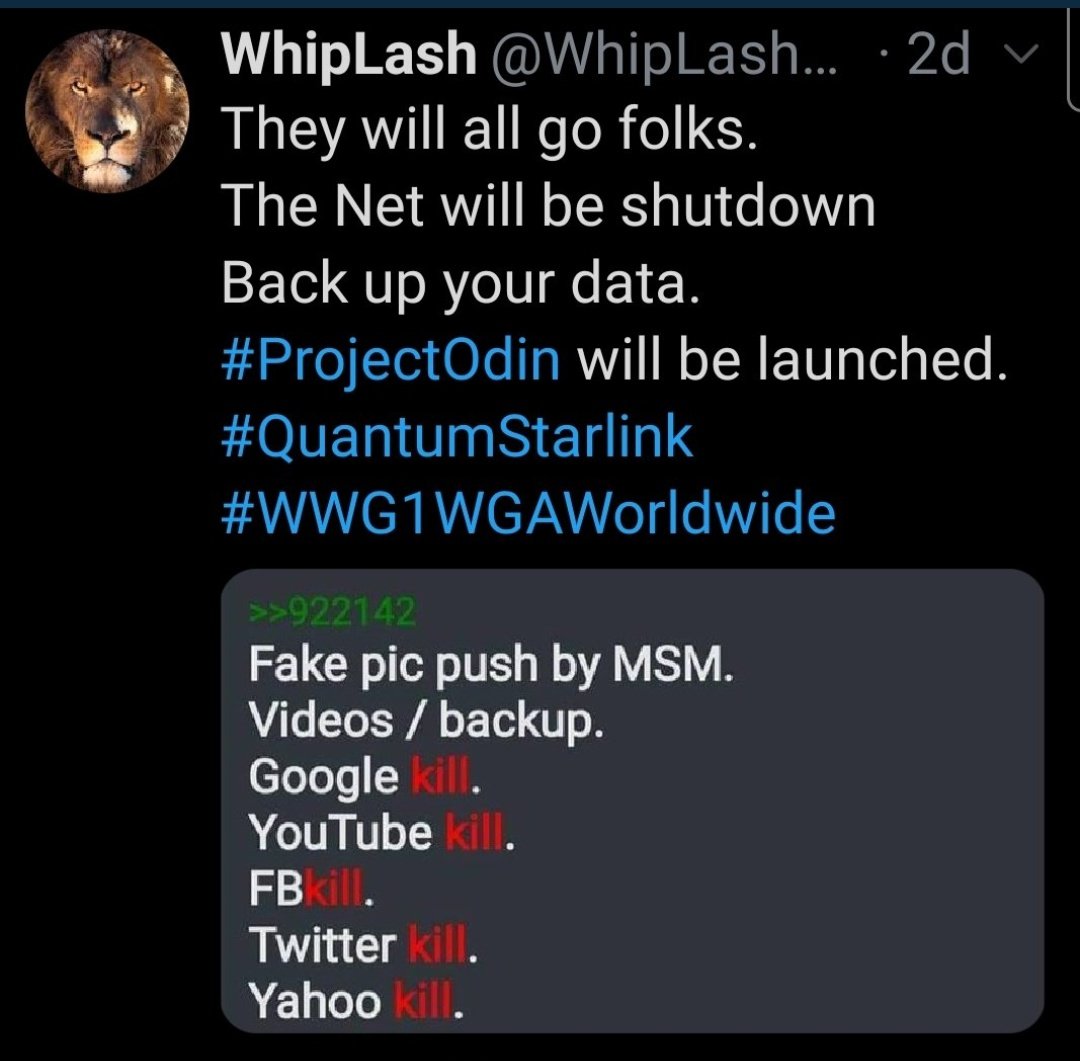
It's time, my friends 🤩🤩
[Thread] #ProjectOdin
The Alliance has Project Odin ready to go - the new quantum-based internet. #ElonMusk #QVS #QFS #ProjectOdin
— Der Preu\xdfe Parler: @DerPreusse (@DerPreusse1963) January 12, 2021
https://t.co/fO90N78fta
new quantum-based internet #ElonMusk #QVS #QFS
Political justification ⏬⏬
#ProjectOdin
#ProjectOdin #Starlink #ElonMusk #QuantumInternet