2/19
The last Hindu king of Pakistan.
The name Amarkot is known to all in our subcontinent as the birthplace of Emperor Akbar. When Humayun was fleeing from Sher Shah, Rana Prasad of Amarkot sheltered him and this is where Emperor Akbar was born.
#Thread
1/19
@talesofBharat

2/19
But another reason why the name of this Amarkot is inextricably linked with the history of the subcontinent is the partition of the country.
Sodha is the family name of the Maharajas of..
3/19
4/19
After the capture of the fort by the
5/19
6/19
In 1946,Jawaharlal Nehru went to Amarkot to invite the then Maharaja Rana Arjun Singh to join the Congress. At that time Amarkot had a population of 12,000 Hindus which was 90% of the
7/19
8/19
In fact, the reason behind Rana joining the Muslim League was different. The Maharaja of Jodhpur had a perpetual hostile relationship with the Rana of Amarkot from the twelfth century onwards.
9/19
10/19
During the war on the western battlefield in 1971,
11/19
12/19
Rana Chander Singh Sodha is a very conservative person personally and he even adheres to the caste system very well even though he maintained perfect
Harmony
13/19
14/19
15/19
16/19
His son Hamir Singh Sodha was also the Minister of Agriculture in the Sindh Provincial Council and is currently the Member of Parliament for Pakistan.
17/19
More from All

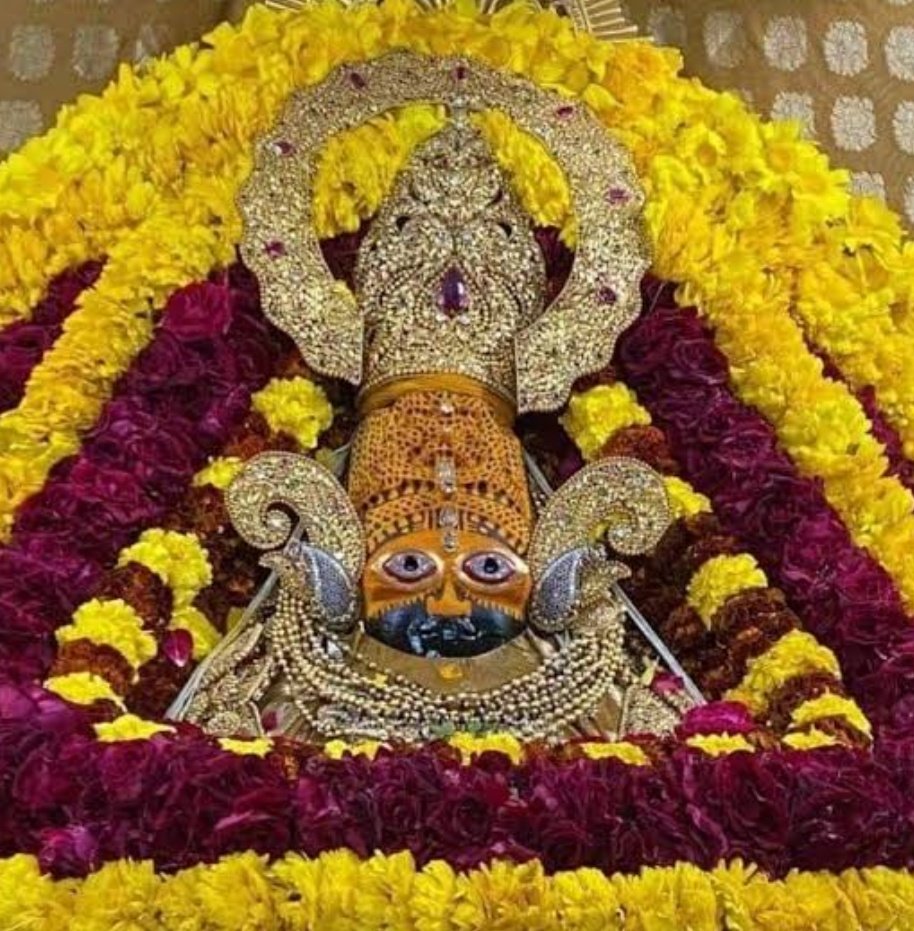
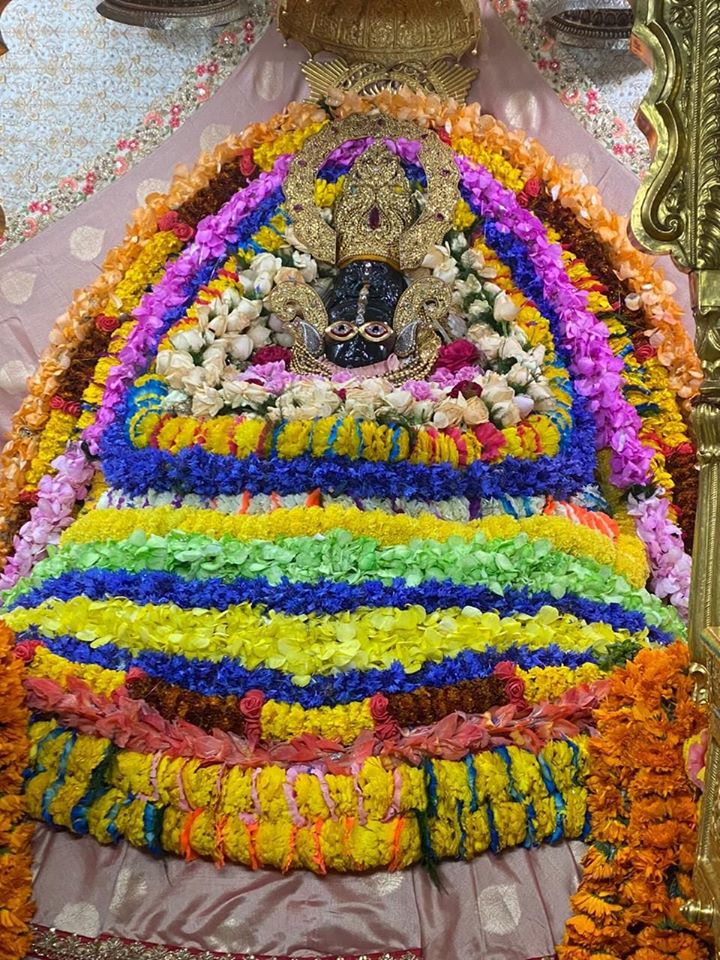





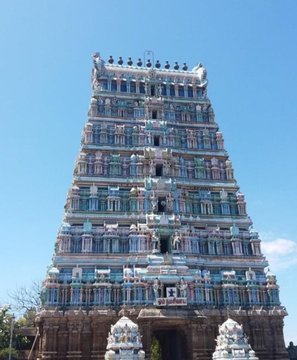
Margatha Natarajar murthi - Uthirakosamangai temple near Ramanathapuram,TN
#ArudraDarisanam
Unique Natarajar made of emerlad is abt 6 feet tall.
It is always covered with sandal paste.Only on Thriuvadhirai Star in month Margazhi-Nataraja can be worshipped without sandal paste.
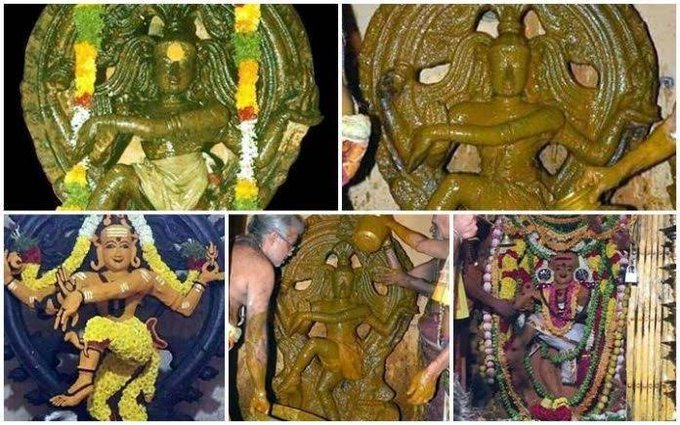
After removing the sandal paste,day long rituals & various abhishekam will be https://t.co/e1Ye8DrNWb day Maragatha Nataraja sannandhi will be closed after anointing the murthi with fresh sandal paste.Maragatha Natarajar is covered with sandal paste throughout the year
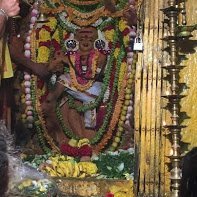
as Emerald has scientific property of its molecules getting disturbed when exposed to light/water/sound.This is an ancient Shiva temple considered to be 3000 years old -believed to be where Bhagwan Shiva gave Veda gyaana to Parvati Devi.This temple has some stunning sculptures.
#ArudraDarisanam
Unique Natarajar made of emerlad is abt 6 feet tall.
It is always covered with sandal paste.Only on Thriuvadhirai Star in month Margazhi-Nataraja can be worshipped without sandal paste.
After removing the sandal paste,day long rituals & various abhishekam will be https://t.co/e1Ye8DrNWb day Maragatha Nataraja sannandhi will be closed after anointing the murthi with fresh sandal paste.Maragatha Natarajar is covered with sandal paste throughout the year
as Emerald has scientific property of its molecules getting disturbed when exposed to light/water/sound.This is an ancient Shiva temple considered to be 3000 years old -believed to be where Bhagwan Shiva gave Veda gyaana to Parvati Devi.This temple has some stunning sculptures.