
The title is Tandav. The eternal dance of Shiva. That, first, should be the point of your obsession with offensia (no word like that) series dedicated to OTT crap load. Appropriation of 'Tandav' - the word itself should be the precursor to any examination of the so called content
More from Religion




As the Fall of man was a consequence of the pursuit of our own good, this quest intrinsically contains the possibility of our return to The Good. The route back to The Good was only revealed by The Way [Jn. 14:6], so we might say that Christ incarnates to complete the Circle.

Each thing is moved by, implicitly converted or turned back to, its own good by its cause of procession - which is principally God.
"Via est nobis tendendi in Deum." - St. Thomas Aquinas, which is to say that:
Christ, who as a man, is the way of our tending (back) into God.

Ezekiel 10:6 | When the LORD commanded the man in linen, “Take fire from among the wheels, from among the cherubim,” the man went in and stood beside a wheel.
"So I saw the glorious wheel move." - Dante, Paradiso 10.145

As Scripture and Dante see God's providence in circles, so did Boethius and Platonists more
Aquinas with, "Eadem est via qua descenditur et ascenditur." [SCG 4.1.3], brings back Heraclitus to the medievals, "The way up and the way down is the same." [Diels, B60]
The way up and the way down are the same.
Each thing is moved by, implicitly converted or turned back to, its own good by its cause of procession - which is principally God.
"Via est nobis tendendi in Deum." - St. Thomas Aquinas, which is to say that:
Christ, who as a man, is the way of our tending (back) into God.
Ezekiel 10:6 | When the LORD commanded the man in linen, “Take fire from among the wheels, from among the cherubim,” the man went in and stood beside a wheel.
"So I saw the glorious wheel move." - Dante, Paradiso 10.145
As Scripture and Dante see God's providence in circles, so did Boethius and Platonists more
Imagine a set of concentric circles. The inmost one comes closest to the simplicity of the centre, while forming itself a kind of centre around which revolve those which are set outside it. The circle furthest out rotates through a wider orbit.
— \u300e\U0001d622\U0001d633\U0001d633\U0001d636\U0001d634\u300f (@arrus_kacchi) December 26, 2020
Aquinas with, "Eadem est via qua descenditur et ascenditur." [SCG 4.1.3], brings back Heraclitus to the medievals, "The way up and the way down is the same." [Diels, B60]
The way up and the way down are the same.
You May Also Like





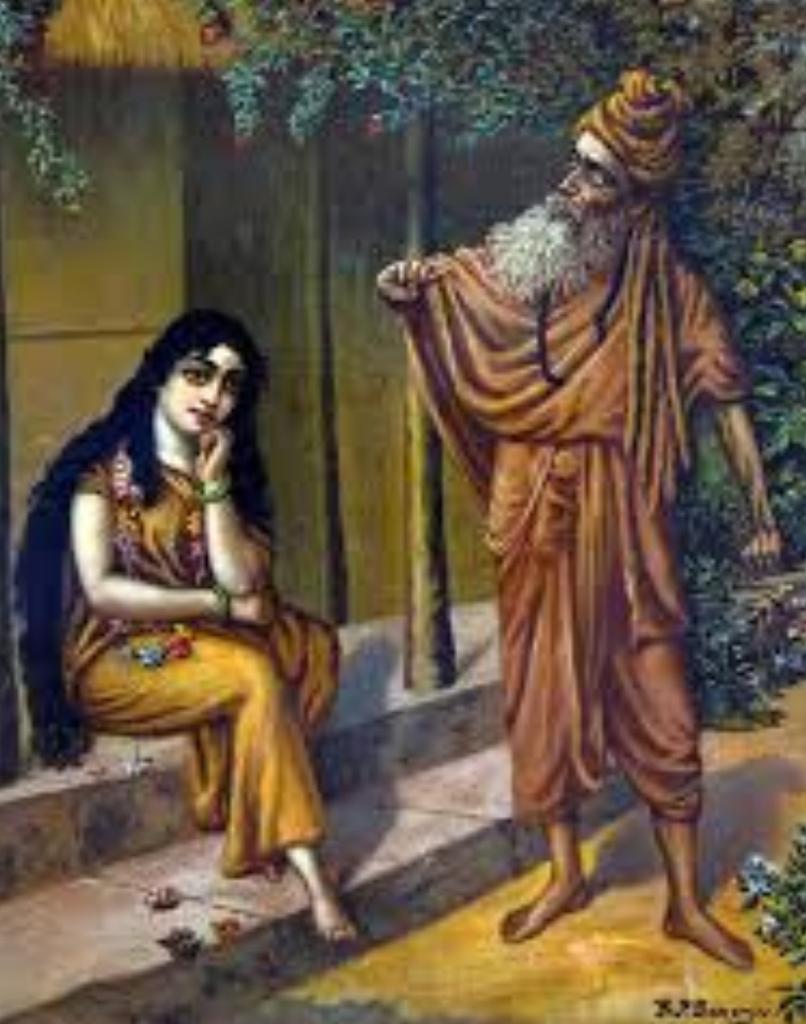
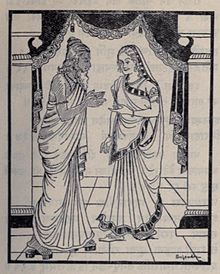

🌿𝑻𝒉𝒆 𝒔𝒕𝒐𝒓𝒚 𝒐𝒇 𝒂 𝑺𝒕𝒂𝒓 : 𝑫𝒉𝒓𝒖𝒗𝒂 & 𝑽𝒊𝒔𝒉𝒏𝒖
Once upon a time there was a Raja named Uttānapāda born of Svayambhuva Manu,1st man on earth.He had 2 beautiful wives - Suniti & Suruchi & two sons were born of them Dhruva & Uttama respectively.
#talesofkrishna https://t.co/E85MTPkF9W
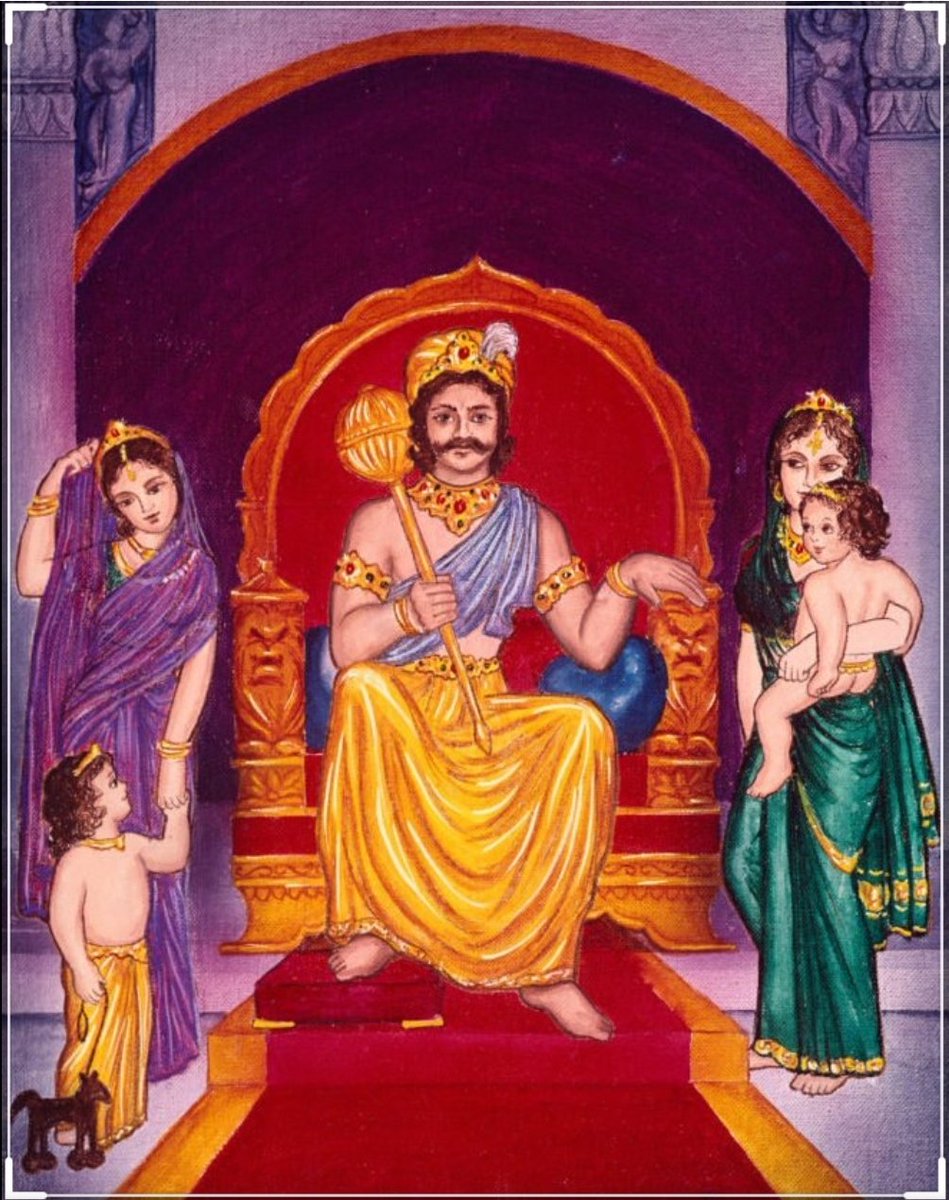
Now Suniti was the daughter of a tribal chief while Suruchi was the daughter of a rich king. Hence Suruchi was always favored the most by Raja while Suniti was ignored. But while Suniti was gentle & kind hearted by nature Suruchi was venomous inside.
#KrishnaLeela
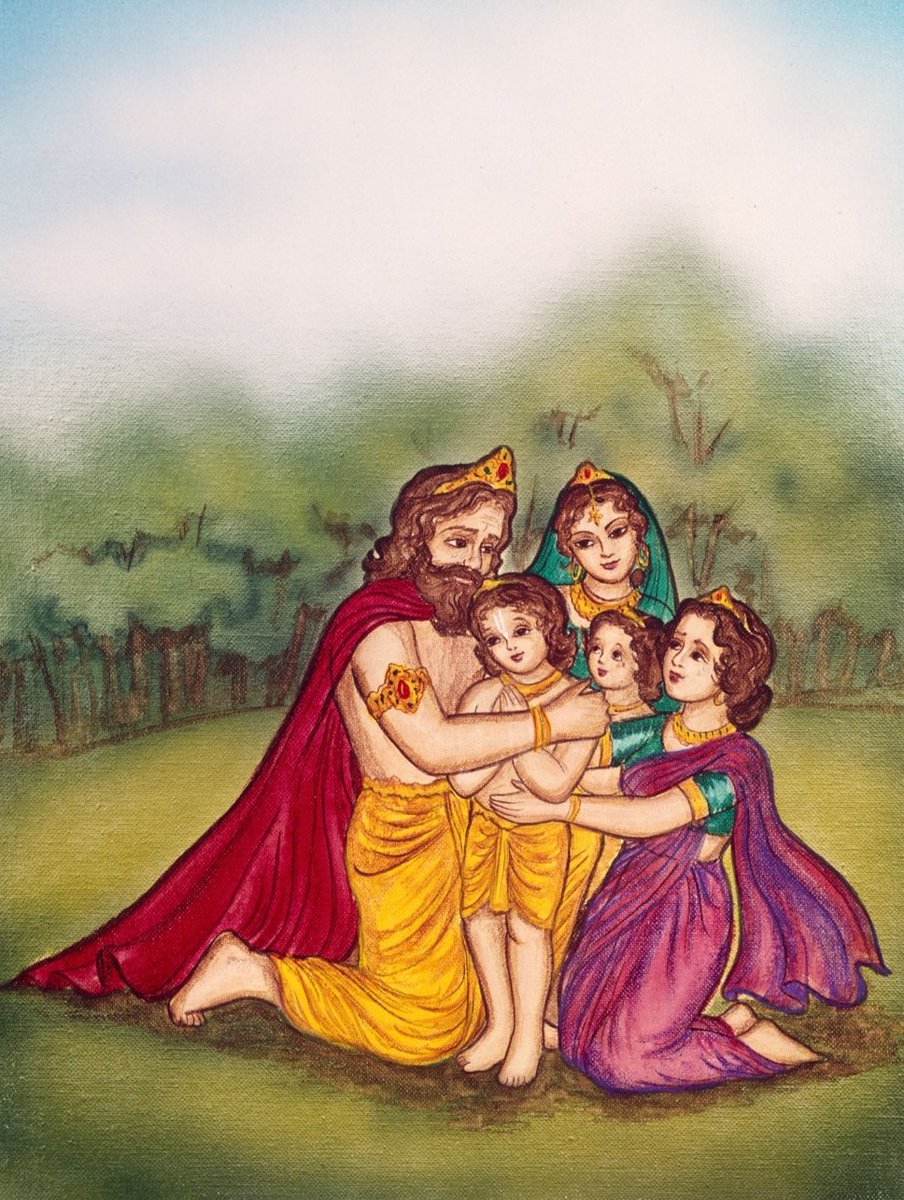
The story is of a time when ideally the eldest son of the king becomes the heir to the throne. Hence the sinhasan of the Raja belonged to Dhruva.This is why Suruchi who was the 2nd wife nourished poison in her heart for Dhruva as she knew her son will never get the throne.
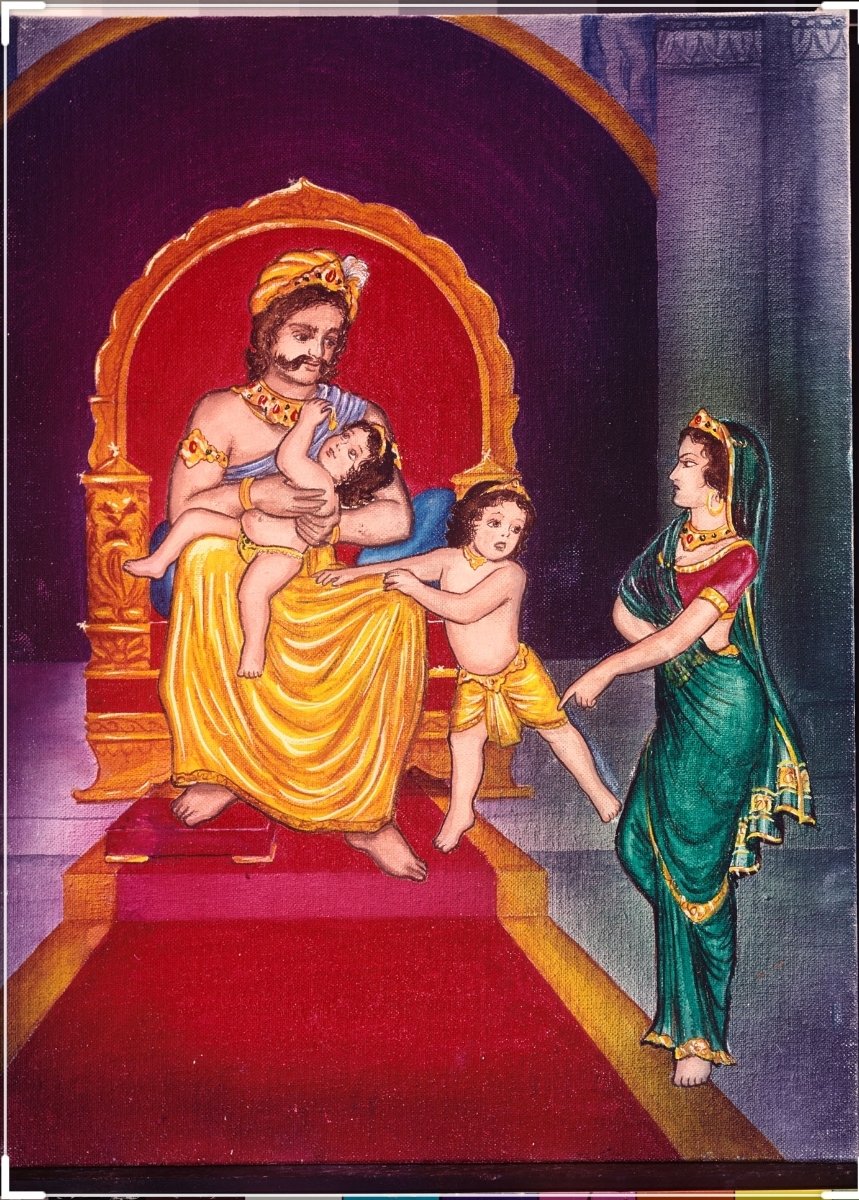
One day when Dhruva was just 5 years old he went on to sit on his father's lap. Suruchi, the jealous queen, got enraged and shoved him away from Raja as she never wanted Raja to shower Dhruva with his fatherly affection.
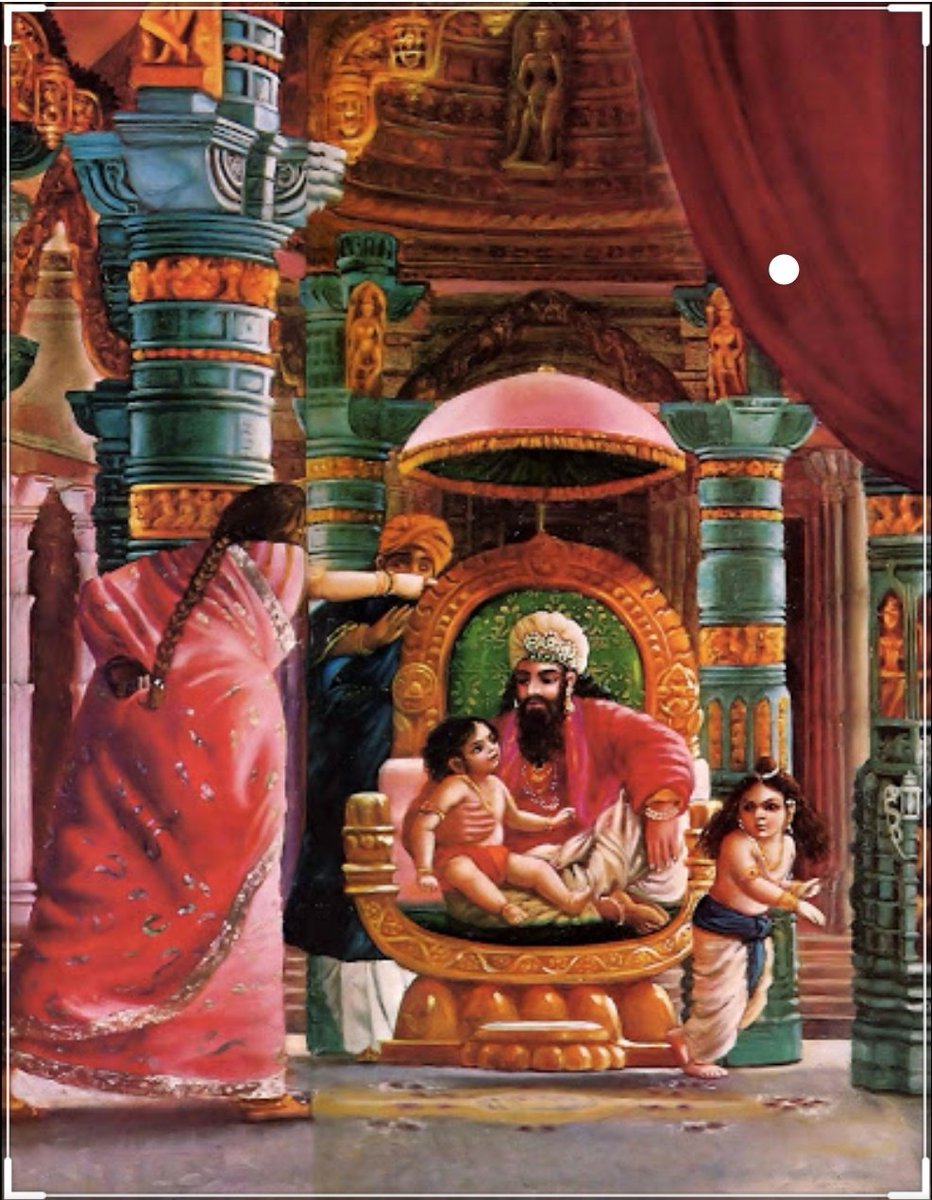
Dhruva protested questioning his step mother "why can't i sit on my own father's lap?" A furious Suruchi berated him saying "only God can allow him that privilege. Go ask him"
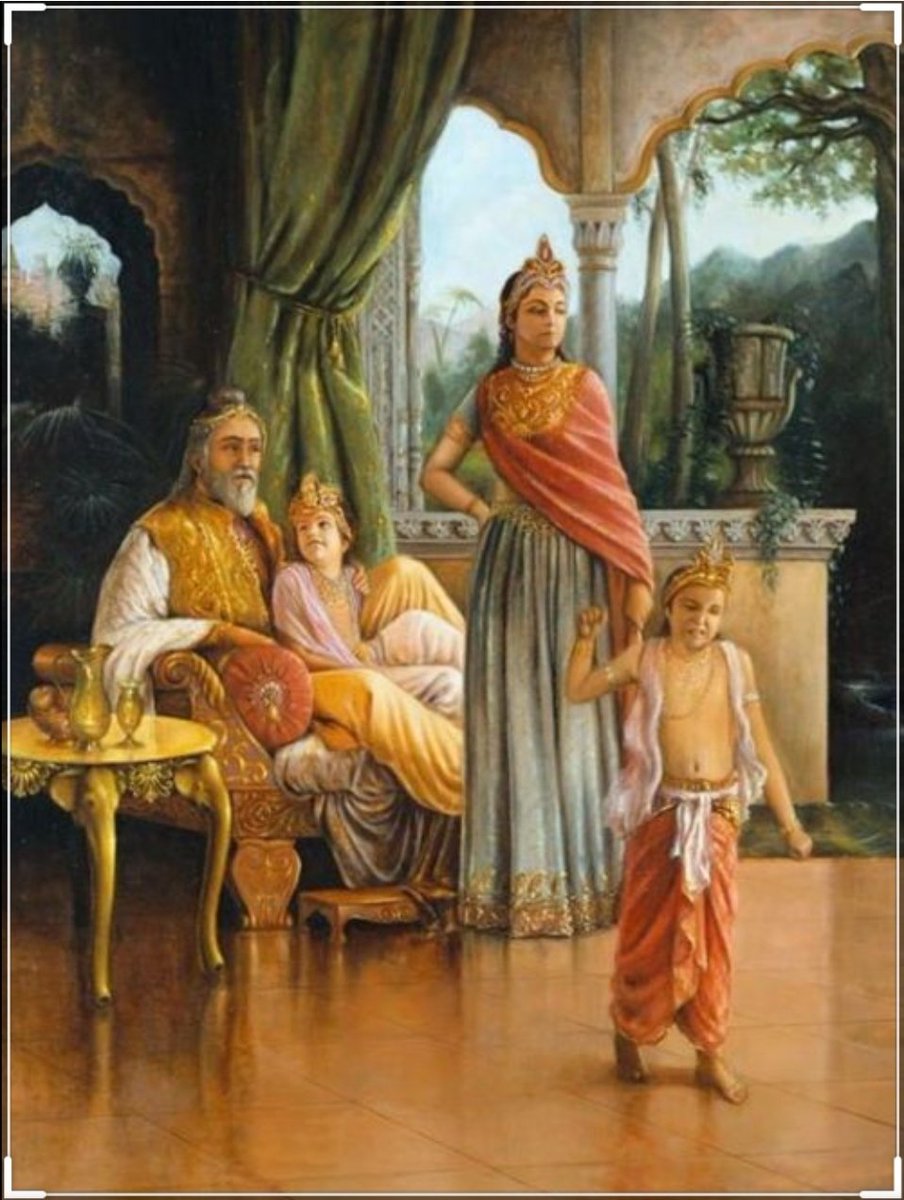
Once upon a time there was a Raja named Uttānapāda born of Svayambhuva Manu,1st man on earth.He had 2 beautiful wives - Suniti & Suruchi & two sons were born of them Dhruva & Uttama respectively.
#talesofkrishna https://t.co/E85MTPkF9W
Prabhu says i reside in the heart of my bhakt.
— Right Singh (@rightwingchora) December 21, 2020
Guess the event. pic.twitter.com/yFUmbfe5KL
Now Suniti was the daughter of a tribal chief while Suruchi was the daughter of a rich king. Hence Suruchi was always favored the most by Raja while Suniti was ignored. But while Suniti was gentle & kind hearted by nature Suruchi was venomous inside.
#KrishnaLeela
The story is of a time when ideally the eldest son of the king becomes the heir to the throne. Hence the sinhasan of the Raja belonged to Dhruva.This is why Suruchi who was the 2nd wife nourished poison in her heart for Dhruva as she knew her son will never get the throne.
One day when Dhruva was just 5 years old he went on to sit on his father's lap. Suruchi, the jealous queen, got enraged and shoved him away from Raja as she never wanted Raja to shower Dhruva with his fatherly affection.
Dhruva protested questioning his step mother "why can't i sit on my own father's lap?" A furious Suruchi berated him saying "only God can allow him that privilege. Go ask him"