
"'How do I know I'm saved' is perhaps the central question of Christian life. Each tradition & sect finds different answers.
Most end up engaging in some flavor of works righteousness. For someone it is straight-up synergism. For others, it's the more subtle "fruit checking." /1
More from Religion

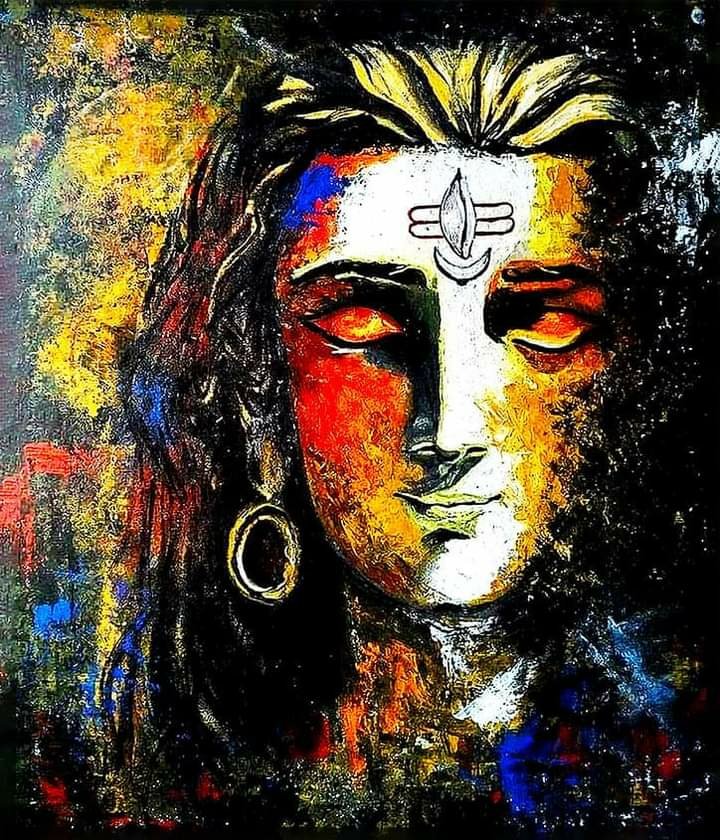
Tripundra Dhaaran - Paapa Vimukti
Our generations are fascinated about Tripundram being just a religious symbol. There are in depth meanings of such a Tilak on a Seeker's Forehead
The very first mistake is the way it is applied.
Tripund isn't applied with dry Bhasm, it should be made wet and then applied in a prescribed manner with proper use of fingers and direction of application. Bhasm is collected from various sources
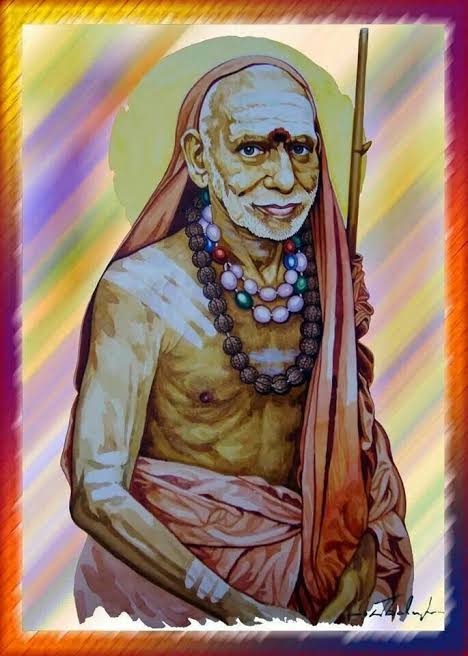
The most important ones mentioned in upanishats are 1. Yagnya Kund Bhasm 2. Bhasm made from Cow's Dung alone. A special agnihotram was perform to save the Bhasma after that for Dhaarana. A major mantra while applying bhasm is Mrutyunjaya Mantra
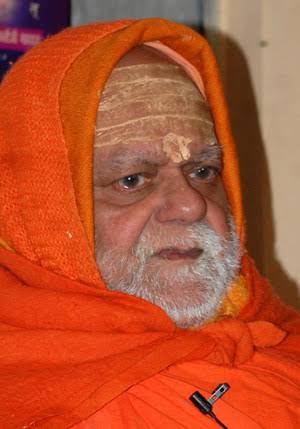
Dwijas have a very long process of applying the Tripundram along with their Sandhyavandanam. For commoners there are some basic rules people have to follow while applying Bhasm
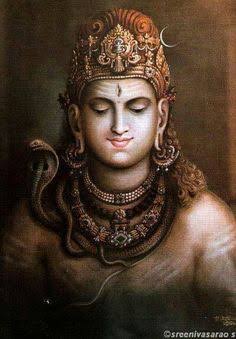
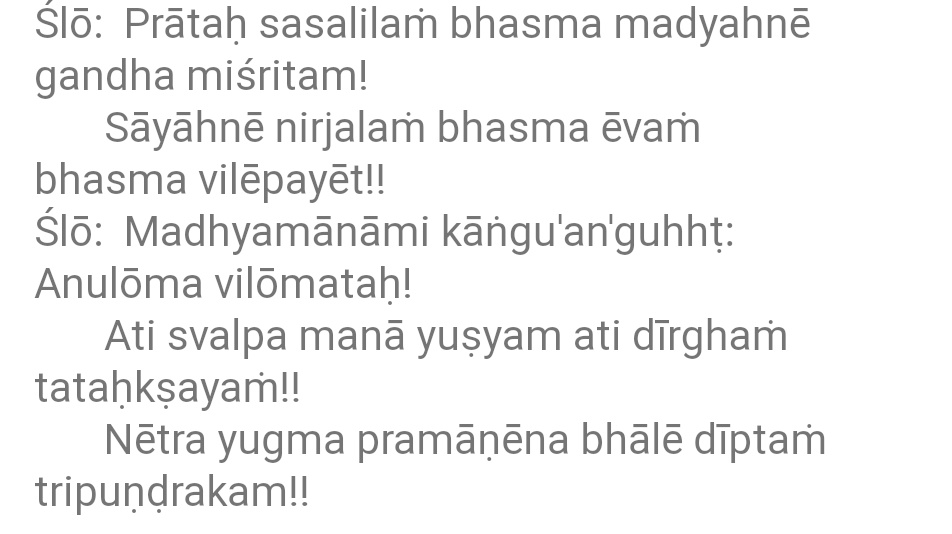
Bhasm Applied in Morning - Should be mixed with water and applied
Bhasm Applied during Afternoon - Should be mixed with Chandan and Applied
Bhasm Applied during and after Pradosh - Should be applied Dry as such
Our generations are fascinated about Tripundram being just a religious symbol. There are in depth meanings of such a Tilak on a Seeker's Forehead
" No Tilak symbolizes Shree Viheen"
— Hindu Media Wiki (@HinduMediaWiki) December 21, 2020
Tilak Dharan on forehead is having deep science than one can ever imagine. It is not just a symbol of Sanatan but also builds a lot of confidence of human actually. It is related to Tejas & Varchasv of a human. pic.twitter.com/vM46BqU3f7
The very first mistake is the way it is applied.
Tripund isn't applied with dry Bhasm, it should be made wet and then applied in a prescribed manner with proper use of fingers and direction of application. Bhasm is collected from various sources
The most important ones mentioned in upanishats are 1. Yagnya Kund Bhasm 2. Bhasm made from Cow's Dung alone. A special agnihotram was perform to save the Bhasma after that for Dhaarana. A major mantra while applying bhasm is Mrutyunjaya Mantra
Dwijas have a very long process of applying the Tripundram along with their Sandhyavandanam. For commoners there are some basic rules people have to follow while applying Bhasm
Bhasm Applied in Morning - Should be mixed with water and applied
Bhasm Applied during Afternoon - Should be mixed with Chandan and Applied
Bhasm Applied during and after Pradosh - Should be applied Dry as such


You May Also Like

1/ Here’s a list of conversational frameworks I’ve picked up that have been helpful.
Please add your own.
2/ The Magic Question: "What would need to be true for you
3/ On evaluating where someone’s head is at regarding a topic they are being wishy-washy about or delaying.
“Gun to the head—what would you decide now?”
“Fast forward 6 months after your sabbatical--how would you decide: what criteria is most important to you?”
4/ Other Q’s re: decisions:
“Putting aside a list of pros/cons, what’s the *one* reason you’re doing this?” “Why is that the most important reason?”
“What’s end-game here?”
“What does success look like in a world where you pick that path?”
5/ When listening, after empathizing, and wanting to help them make their own decisions without imposing your world view:
“What would the best version of yourself do”?
Please add your own.
2/ The Magic Question: "What would need to be true for you
1/\u201cWhat would need to be true for you to\u2026.X\u201d
— Erik Torenberg (@eriktorenberg) December 4, 2018
Why is this the most powerful question you can ask when attempting to reach an agreement with another human being or organization?
A thread, co-written by @deanmbrody: https://t.co/Yo6jHbSit9
3/ On evaluating where someone’s head is at regarding a topic they are being wishy-washy about or delaying.
“Gun to the head—what would you decide now?”
“Fast forward 6 months after your sabbatical--how would you decide: what criteria is most important to you?”
4/ Other Q’s re: decisions:
“Putting aside a list of pros/cons, what’s the *one* reason you’re doing this?” “Why is that the most important reason?”
“What’s end-game here?”
“What does success look like in a world where you pick that path?”
5/ When listening, after empathizing, and wanting to help them make their own decisions without imposing your world view:
“What would the best version of yourself do”?



MDZS is laden with buddhist references. As a South Asian person, and history buff, it is so interesting to see how Buddhism, which originated from India, migrated, flourished & changed in the context of China. Here's some research (🙏🏼 @starkjeon for CN insight + citations)
1. LWJ’s sword Bichen ‘is likely an abbreviation for the term 躲避红尘 (duǒ bì hóng chén), which can be translated as such: 躲避: shunning or hiding away from 红尘 (worldly affairs; which is a buddhist teaching.) (https://t.co/zF65W3roJe) (abbrev. TWX)
2. Sandu (三 毒), Jiang Cheng’s sword, refers to the three poisons (triviṣa) in Buddhism; desire (kāma-taṇhā), delusion (bhava-taṇhā) and hatred (vibhava-taṇhā).
These 3 poisons represent the roots of craving (tanha) and are the cause of Dukkha (suffering, pain) and thus result in rebirth.
Interesting that MXTX used this name for one of the characters who suffers, arguably, the worst of these three emotions.
3. The Qian kun purse “乾坤袋 (qián kūn dài) – can be called “Heaven and Earth” Pouch. In Buddhism, Maitreya (मैत्रेय) owns this to store items. It was believed that there was a mythical space inside the bag that could absorb the world.” (TWX)


