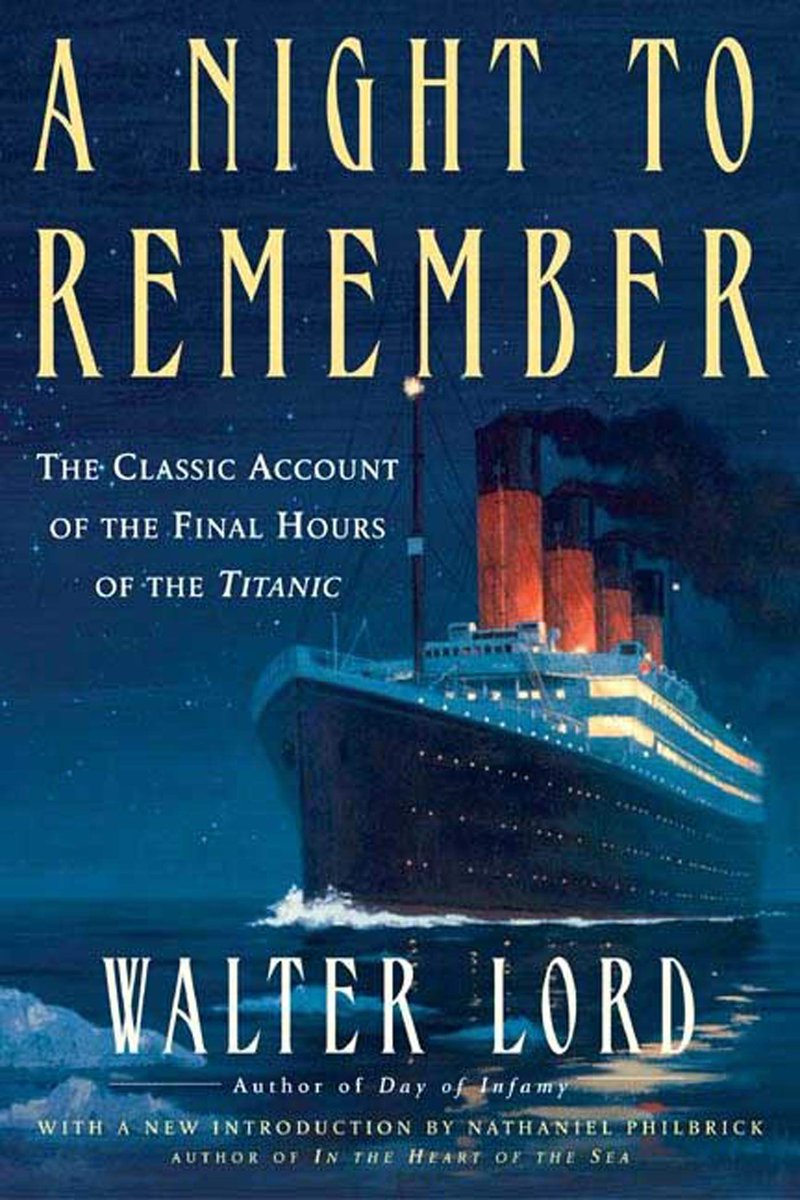
1. A Night to Remember: The Classic Account of the Final Hours on the Titanic by Walter Lord
2. Say Nothing: A True Story of Murder and Memory in Northern Ireland by Patrick Radden Keefe
3. On Wings of Eagles: The Inspiring True Story of One Man’s Patriotic Spirit — and His Heroic Mission to Save His Countrymen by Ken Follett
4. Annapurna: The First Conquest of an 8,000-Meter Peak by Maurice Herzog
5. A Thousand Hills: Rwanda’s Rebirth and the Man Who Dreamed It by Stephen Kinzer
6. The Perfect Storm: A True Story of Men Against the Sea by Sebastian Junger
7. Barbarians at the Gate: The Fall of RJR Nabisco by Bryan Burrough and John Helyar
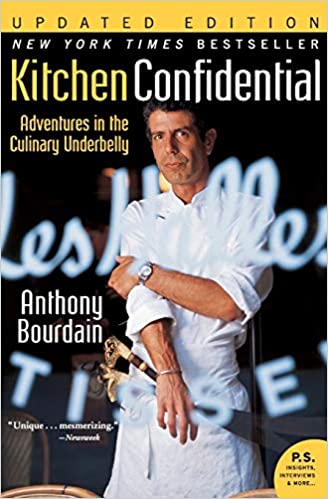
8. Kitchen Confidential: Adventures in the Culinary Underbelly by Anthony Bourdain
9. Killing Pablo: The Hunt for the World’s Greatest Outlaw by Mark Bowden
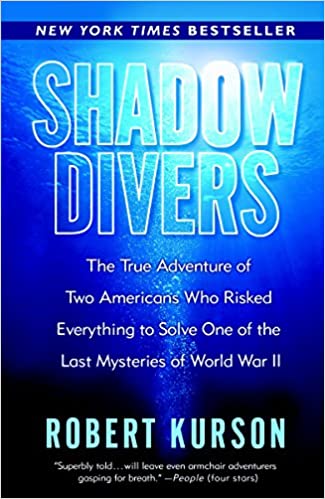
10. Shadow Divers: The True Adventure of Two Americans Who Risked Everything to Solve One of the Last Mysteries of World War II by Robert Kurson
11. When Genius Failed: The Rise and Fall of Long-Term Capital Management by Roger Lowenstein
12. Crusade in Europe: A Personal Account of World War II by Dwight D. Eisenhower
13. The Tipping Point: How Little Things Can Make a Big Difference by Malcolm Gladwell
14. Long Walk to Freedom: The Autobiography of Nelson Mandela by Nelson Mandela
15. Alive: Sixteen Men, Seventy-two Days, and Insurmountable Odds — The Classic Adventure of Survival in the Andes by Piers Paul Read
16. Shoe Dog: A Memoir by the Creator of Nike by Phil Knight
17. Seabiscuit: An American Legend by Laura Hillenbrand
18. Black Hawk Down: A Story of Modern War by Mark Bowden
19. Liar’s Poker: Rising Through the Wreckage on Wall Street by Michael Lewis
20. Ho Chi Minh: A Life by William Duiker
21. Homage to Catalonia by George Orwell
22. Into Thin Air: A Personal Account of the Mt. Everest Disaster by Jon Krakauer
23. Blink: The Power of Thinking Without Thinking by Malcolm Gladwell
24. Unbroken: A World War II Story of Survival, Resilience, and Redemption by Laura Hillenbrand
25. Garlic and Sapphires: The Secret Life of a Critic in Disguise by Ruth Reichl
26. The Forever War by Dexter Filkins
27. Moneyball: The Art of Winning an Unfair Game by Michael Lewis
28. The Climb Up to Hell by Jack Olsen
29. In the Heart of the Sea: The Tragedy of the Whaleship Essex by Nathaniel Philbrick
30. Fool’s Gold: The Inside Story of J.P. Morgan and How Wall St. Greed Corrupted Its Bold Dream and Created a Financial Catastrophe by Gillian Tett
31. Che Guevara: A Revolutionary Life by Jon Lee Anderson
32. The Killer Angels: The Classic Novel of the Civil War by Michael Shaara
33. Conquistadors of the Useless: From the Alps to Annapurna by Lionel Terray
34. In Cold Blood by Truman Capote
35. The First Tycoon: The Epic Life of Cornelius Vanderbilt by T.J. Stiles
36. The Memoirs of Field-Marshal Montgomery by Bernard Law Montgomery
37. 1776 by David McCullough
38. Bad Blood: Secrets and Lies in a Silicon Valley Startup by John Carreyrou
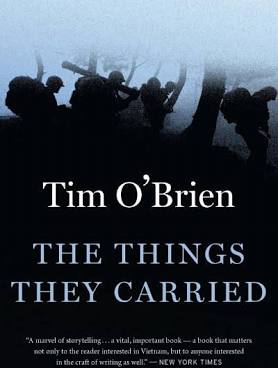
39. The Things They Carried by Tim O’Brien
40. Atlas Shrugged by Ayn Rand
41. A Bridge too Far: The Classic History of the Greatest Battle of World War II by Cornelius Ryan
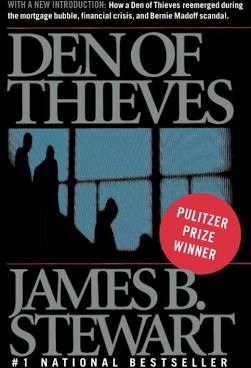
42. Den of Thieves by James B. Stewart
43. Rocket Men: The Daring Odyssey of Apollo 8 and the Astronauts Who Made Man’s First Journey to the Moon by Robert Kurson
44. For Whom the Bell Tolls by Ernest Hemingway
45. The Choice: Embrace the Possible by Dr. Edith Eger
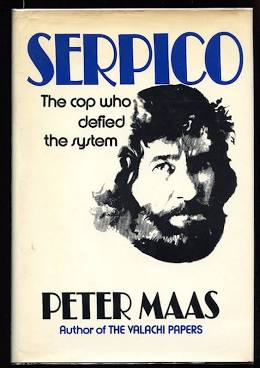
46. Serpico: The Cop Who Defied the System by Peter Maas
47. The Big Short: Inside the Doomsday Machine by Michael Lewis
48. Reminiscences by Douglas MacArthur
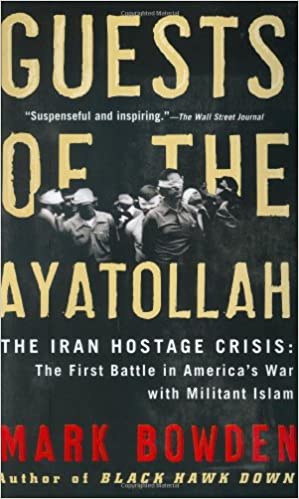
49. Guests of the Ayatollah: The Iran Hostage Crisis by Mark Bowden
50. Endurance: Shackleton’s Incredible Voyage by Alfred Lansing