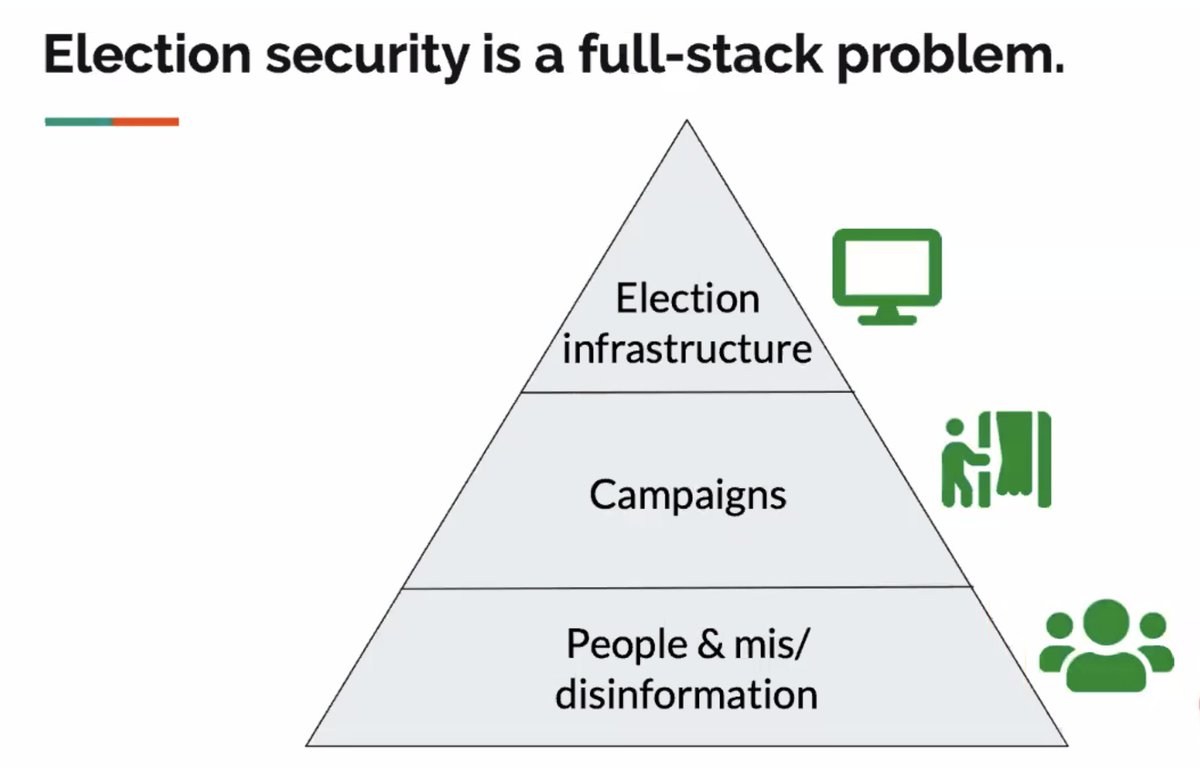
1/20. Democracy is precious and exceptional.
More from Politics


My piece in the NY Times today: "the Trump administration is denying applications submitted to the United States Citizenship and Immigration Services at a rate 37 percent higher than the Obama administration did in 2016."
Based on this analysis: "Denials for immigration benefits—travel documents, work permits, green cards, worker petitions, etc.—increased 37 percent since FY 2016. On an absolute basis, FY 2018 will see more than about 155,000 more denials than FY 2016." https://t.co/Bl0naOO0sh
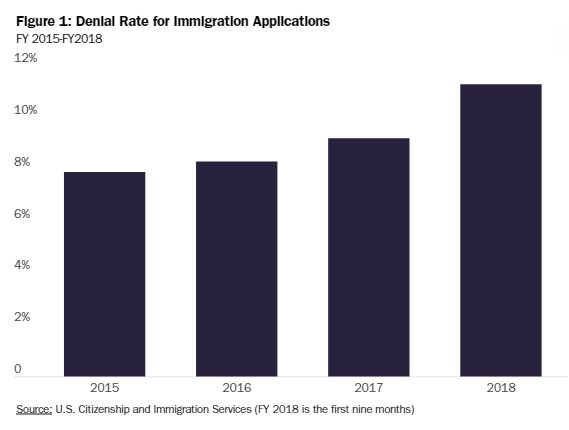
"This increase in denials cannot be credited to an overall rise in applications. In fact, the total number of applications so far this year is 2 percent lower than in 2016. It could be that the higher denial rate is also discouraging some people from applying at all.."
Thanks to @gsiskind for his insightful comments. The increase in denials, he said, is “significant enough to make one think that Congress must have passed legislation changing the requirements. But we know they have not.”
My conclusion:
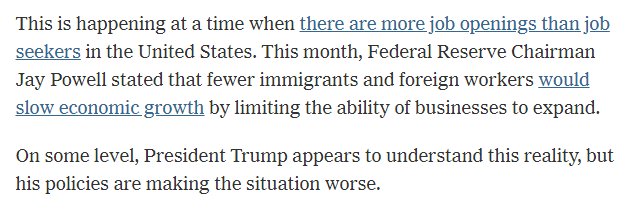
Based on this analysis: "Denials for immigration benefits—travel documents, work permits, green cards, worker petitions, etc.—increased 37 percent since FY 2016. On an absolute basis, FY 2018 will see more than about 155,000 more denials than FY 2016." https://t.co/Bl0naOO0sh
"This increase in denials cannot be credited to an overall rise in applications. In fact, the total number of applications so far this year is 2 percent lower than in 2016. It could be that the higher denial rate is also discouraging some people from applying at all.."
Thanks to @gsiskind for his insightful comments. The increase in denials, he said, is “significant enough to make one think that Congress must have passed legislation changing the requirements. But we know they have not.”
My conclusion:


You May Also Like








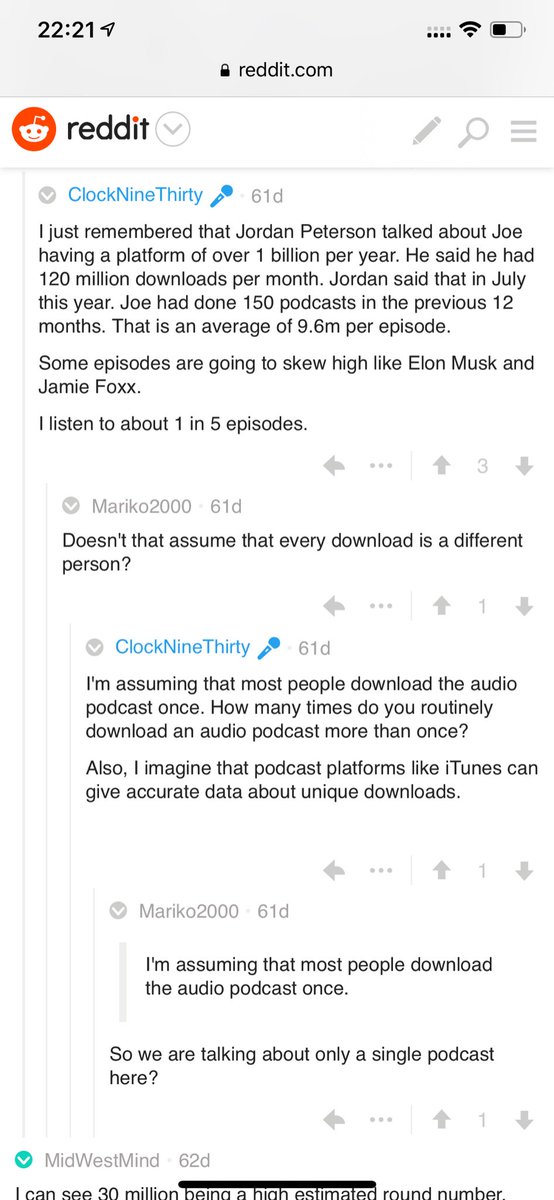
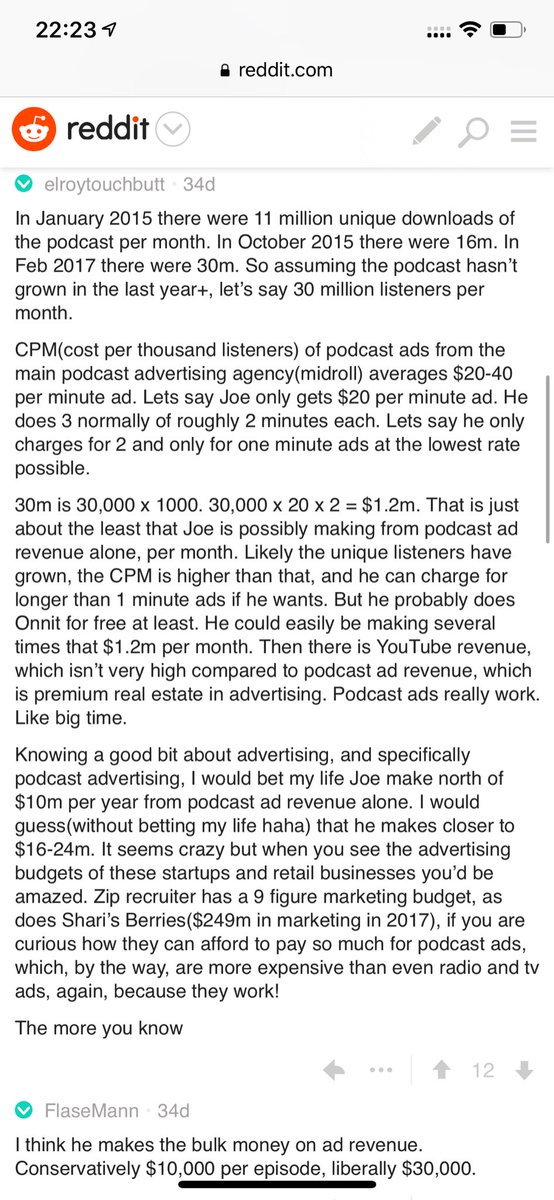
Joe Rogan's podcast is now is listened to 1.5+ billion times per year at around $50-100M/year revenue.
Independent and 100% owned by Joe, no networks, no middle men and a 100M+ people audience.
👏
https://t.co/RywAiBxA3s
Joe is the #1 / #2 podcast (depends per week) of all podcasts
120 million plays per month source https://t.co/k7L1LfDdcM
https://t.co/aGcYnVDpMu
Independent and 100% owned by Joe, no networks, no middle men and a 100M+ people audience.
👏
https://t.co/RywAiBxA3s
Joe is the #1 / #2 podcast (depends per week) of all podcasts
120 million plays per month source https://t.co/k7L1LfDdcM
https://t.co/aGcYnVDpMu