Machine Learning for the Web developer in 2021.

The beginner's guide.​

🧵👇

I started machine learning as a web developer, if I can do it then anyone can.

This carefully curated thread will give you key insights into my journey and how you can make this transition, seamlessly.

(2 / 14)
"Machine learning is not what you think it is"

One of the main reasons why people find it difficult to get started with machine learning is because of the lack of information, and rightfully so.

(3 / 14)
Machine learning as a concept has existed since the 1950s, but has only become popular in recent years because of the exponential rise of advancements in computer hardware.

(4 / 14)
In short, it because of the sudden rise of this technology ,which was previously unknown to the general public, that there is a lot of misinformation around it.

(5 / 14)
The two most common misconceptions about getting started with machine learning are:

- You need PhD math
- You need a really expensive computer

Math is important but it is not for getting started with machine learning, it can come later on.

(6 / 14)
You do not need any those of those to get started, here's what you really need:

- A computer or smartphone
- Knowing how to program decently well
- Hunger for learning

(7 / 14)
Most web developers pretty much have all of these under their belt!
What you really need are some resources and guidance.

Let's start with the language you should use for machine learning

(8 / 14)
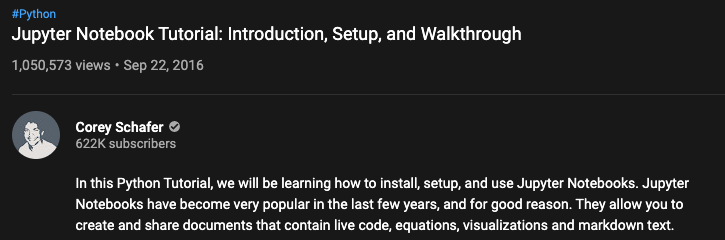
The JavaScript machine learning ecosystem is quite mature enough yet, which is why I will suggest you to learn Python.

Not to mention that getting started with Python will be a piece of cake if you already know JavaScript.

(9 / 14)
This course by FreeCodeCamp will help you get started with Python.

👉www.​youtube.​com/watch?v=rfscVS0vtbw

(10 / 14)
It is highly recommended that you use Google colab (an online IDE) for your machine learning code. You'll get a free GPU and you will not have to download large libraries onto your computer, everything stays in the cloud.

👉colab.​research.​google.​com

(11 / 14)
Kaggle is the best place to look for datasets and competitions which you can participate in to take your machine learning skills to the next level.

This thread will guide you on how you can get started with one such kaggle challenge

(12 / 14)

https://t.co/yo2W7nWBj2
You've probably learnt a lot by now and you should be proud about it, however there is still lots to learn.

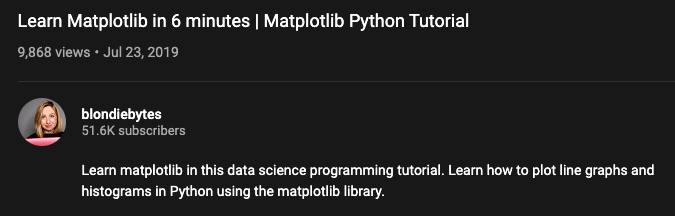
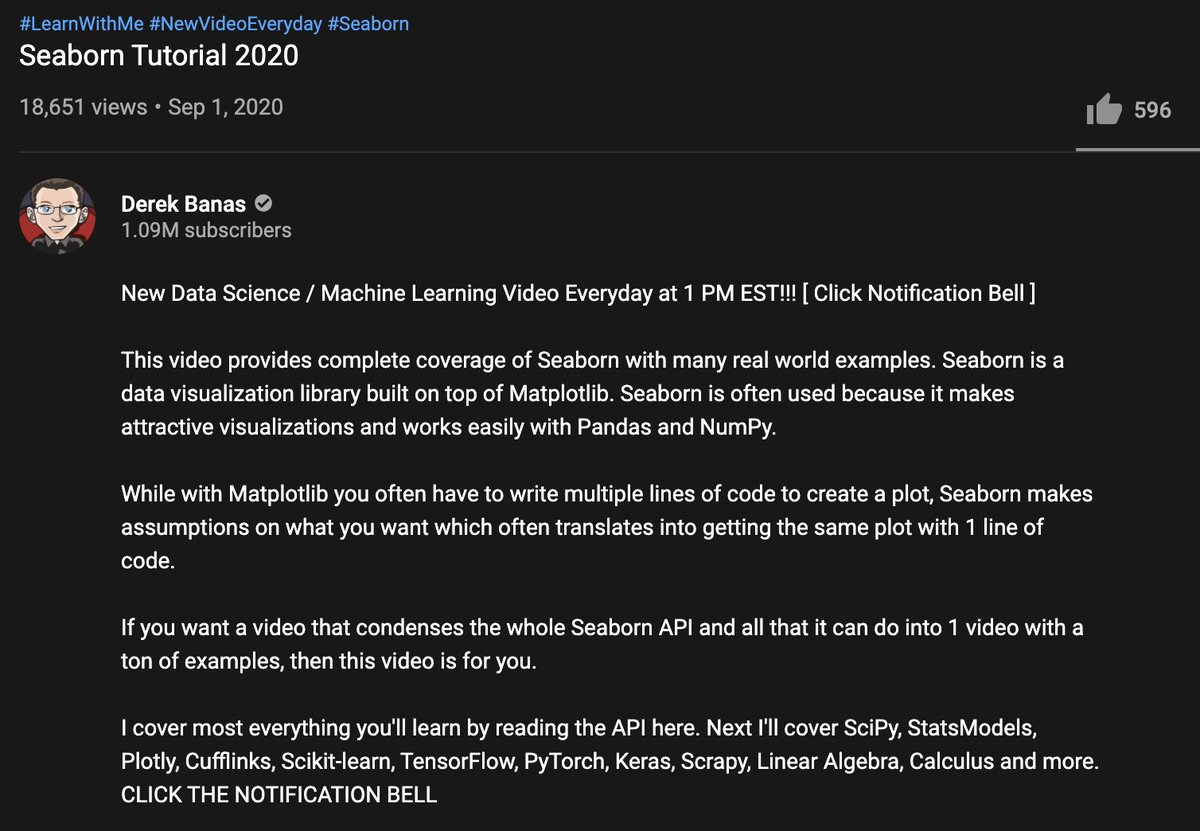
- Visualising data using matplotlib
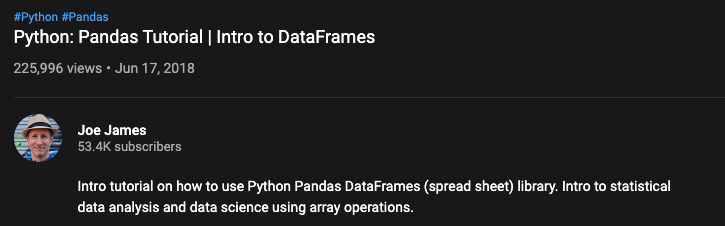
- Activation functions
- Decision Trees
....

(13 / 14)

More from Pratham Prasoon

More from Machine learning

You May Also Like

I just finished Eric Adler's The Battle of the Classics, and wanted to say something about Joel Christiansen's review linked below. I am not sure what motivates the review (I speculate a bit below), but it gives a very misleading impression of the book. 1/x


The meat of the criticism is that the history Adler gives is insufficiently critical. Adler describes a few figures who had a great influence on how the modern US university was formed. It's certainly critical: it focuses on the social Darwinism of these figures. 2/x

Other insinuations and suggestions in the review seem wildly off the mark, distorted, or inappropriate-- for example, that the book is clickbaity (it is scholarly) or conservative (hardly) or connected to the events at the Capitol (give me a break). 3/x

The core question: in what sense is classics inherently racist? Classics is old. On Adler's account, it begins in ancient Rome and is revived in the Renaissance. Slavery (Christiansen's primary concern) is also very old. Let's say classics is an education for slaveowners. 4/x

It's worth remembering that literacy itself is elite throughout most of this history. Literacy is, then, also the education of slaveowners. We can honor oral and musical traditions without denying that literacy is, generally, good. 5/x
The first ever world map was sketched thousands of years ago by Indian saint
“Ramanujacharya” who simply translated the following verse from Mahabharat and gave the world its real face

In Mahabharat,it is described how 'Maharishi Ved Vyasa' gave away his divine vision to Sanjay


Dhritarashtra's charioteer so that he could describe him the events of the upcoming war.

But, even before questions of war could begin, Dhritarashtra asked him to describe how the world looks like from space.

This is how he described the face of the world:

सुदर्शनं प्रवक्ष्यामि द्वीपं तु कुरुनन्दन। परिमण्डलो महाराज द्वीपोऽसौ चक्रसंस्थितः॥
यथा हि पुरुषः पश्येदादर्शे मुखमात्मनः। एवं सुदर्शनद्वीपो दृश्यते चन्द्रमण्डले॥ द्विरंशे पिप्पलस्तत्र द्विरंशे च शशो महान्।

—वेद व्यास, भीष्म पर्व, महाभारत


Meaning:-

हे कुरुनन्दन ! सुदर्शन नामक यह द्वीप चक्र की भाँति गोलाकार स्थित है, जैसे पुरुष दर्पण में अपना मुख देखता है, उसी प्रकार यह द्वीप चन्द्रमण्डल में दिखायी देता है। इसके दो अंशो मे पीपल और दो अंशो मे विशाल शश (खरगोश) दिखायी देता है।


Meaning: "Just like a man sees his face in the mirror, so does the Earth appears in the Universe. In the first part you see leaves of the Peepal Tree, and in the next part you see a Rabbit."

Based on this shloka, Saint Ramanujacharya sketched out the map, but the world laughed