How to Think Better: 5 Robust Tips

// A THREAD //

We think all the time.

Yet, we don't spend much time thinking about HOW we think.

But this meta-level is required if you want to IMPROVE your thinking.

Thinking is the highest ROI skill you can build for life.

Let me show you five tips on how to do it.
1. Get bored

The great thoughts don't come to you when you're busy jumping from one task to another.

- Shower
- Walk

...those are the places where great thoughts tend to appear.

Take advantage and plan how to incorporate "boredom" into your life.

P.S. Meditation counts
2. Know your thinking biases

We as people have some predictable errors in our thinking.

You need to know them, so you can take them into account - and adjust.

Where to start?

@ScottAdamsSays book Loserthink
or Daniel Kahneman book: Thinking Fast and Slow
3. Use mental models

Mental models are general principles that you can apply to various situations.

I strongly recommend you to build your own base of those.

Where to start?

Blog: @farnamstreet

Book: Poor Charlie's Almanack
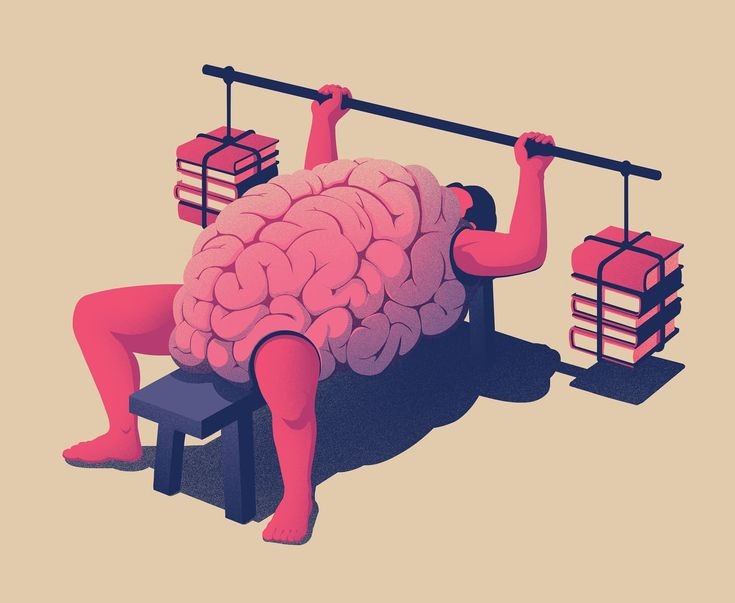
4. Read

And even more important: Read the right books.

Define what the right books are for you and then re-read them.

I have a list of ten books I re-read every year, and would strongly recommend you to do a similar list.

Works wonderfully.
5. Reflect

- Freewriting
- Journaling
- Sauna
- Walk

Those are all ways how to reflect.

Pick what suits you and make it a habit.

The dividends are sweet.
To sum it up:

1. Get bored
2. Know the natural thinking biases
3. Use mental models
4. Read
5. Reflect
Thanks for reading!

If you liked the thread consider RT the 1st tweet.

And let me know:

👇 What's your best tip on how to think better?

More from Freedom Designer

5 Micro Skills That Will Improve Your Life Drastically

// A THREAD //


Even the small things compound over time... and become huge.

And they become HUGE.

This is the list of small skills that will improve your life A LOT over time, you can't even imagine how much... before you give it a try.

I'll present the skills in form of mini challenges.


1. Type with all ten fingers 10 days - 10 mins in the morning.

Most of us spend a lot of our time behind the computer typing.

Yet, not many people know how to write with all ten fingers —> drastically faster.

You can learn it for free here:
https://t.co/ow2WTHrXBJ


2. Make at least one Zap

Zappier allows you to make micro workflows between the applications you use.

Let's say you have to calendars (work and normal) and you want to sync them all the time —> Zappier


2b. You send an email every month remind your customers to pay the maintenance fee + reminder them if they won't —> Zappier

You want an email notification every time someone edits a Google sheet —> Zappier

Basic version is free. @zapier
20 Most Important Lesson of 2020

// A THREAD //


It was a fast and weird year.

The year of change.

My life changed a lot and I learned even more.

Here are the 20 most important lessons - which will shape the upcoming decade for me.


1. Systems Are Better Than Goals

In the past, I failed many of my goals.

This year I've realized that it could be caused by the fact that they were goals, not systems.

Thanks, @ScottAdamsSays for helping me realize this.

Short article on the topic:
https://t.co/lyBqGBR0yM


2. Use Notion More

@NotionHQ is definitely the most useful tool I've discovered this year.

I use it for:

- Twitter
- Freelance CRM
- Content Creation
- Website project management

And for personal use, it's completely free.


3. Email Is Immortal

This year we saw on social sites:

- Shadow bans
- Normal bans
- Decreasing reach (e.g. during the presidential election)

That's why I believe building an independent audience e.g. email list is mandatory.

P.S. https://t.co/iuhQJIf80K

More from Life

1/“What would need to be true for you to….X”

Why is this the most powerful question you can ask when attempting to reach an agreement with another human being or organization?

A thread, co-written by @deanmbrody:


2/ First, “X” could be lots of things. Examples: What would need to be true for you to

- “Feel it's in our best interest for me to be CMO"
- “Feel that we’re in a good place as a company”
- “Feel that we’re on the same page”
- “Feel that we both got what we wanted from this deal

3/ Normally, we aren’t that direct. Example from startup/VC land:

Founders leave VC meetings thinking that every VC will invest, but they rarely do.

Worse over, the founders don’t know what they need to do in order to be fundable.

4/ So why should you ask the magic Q?

To get clarity.

You want to know where you stand, and what it takes to get what you want in a way that also gets them what they want.

It also holds them (mentally) accountable once the thing they need becomes true.

5/ Staying in the context of soliciting investors, the question is “what would need to be true for you to want to invest (or partner with us on this journey, etc)?”

Multiple responses to this question are likely to deliver a positive result.

You May Also Like