I started TRT before the age of 30.
I did it because I wanted to, not because I needed to.
My Total Testosterone Levels (naturally) were just above 700 ng/dl
That's **Good, but not Great**
I wanted to be at 1,000 ng/dl (GREAT)
...
So, I intentionally crashed my natural T levels down to 300-400 ng/dl, then got bloodwork done
(I intentionally made my natural T levels look far lower than what they really were)
Bloodwork was planned for Thursday
...
Drink a ton of alcohol Wednesday Night (high alcohol consumption suppresses testosterone levels)
Doctor looked at the bloodwork and said
"Yeah, looks like you need TRT.
Inject 100mg of Testosterone Cypionate, every 7 days"
With 100ng/dl of Testosterone, I had high energy for 10-12 hours a day.
The benefit was *subtle yet significant*.
If you are naturally at 700ng/dl, you probably should NOT use TRT
If you are below 600ng/dl naturally, you should DEFINITELY CONSIDER TRT
In the 1950s, Total Testosterone of 1,000ng/dl was average.
Today (2010 Forward) Total Testosterone of 1,000ng/dl was average, is 99th percentile.
More from Life


1/ Here’s a list of conversational frameworks I’ve picked up that have been helpful.
Please add your own.
2/ The Magic Question: "What would need to be true for you
3/ On evaluating where someone’s head is at regarding a topic they are being wishy-washy about or delaying.
“Gun to the head—what would you decide now?”
“Fast forward 6 months after your sabbatical--how would you decide: what criteria is most important to you?”
4/ Other Q’s re: decisions:
“Putting aside a list of pros/cons, what’s the *one* reason you’re doing this?” “Why is that the most important reason?”
“What’s end-game here?”
“What does success look like in a world where you pick that path?”
5/ When listening, after empathizing, and wanting to help them make their own decisions without imposing your world view:
“What would the best version of yourself do”?
Please add your own.
2/ The Magic Question: "What would need to be true for you
1/\u201cWhat would need to be true for you to\u2026.X\u201d
— Erik Torenberg (@eriktorenberg) December 4, 2018
Why is this the most powerful question you can ask when attempting to reach an agreement with another human being or organization?
A thread, co-written by @deanmbrody: https://t.co/Yo6jHbSit9
3/ On evaluating where someone’s head is at regarding a topic they are being wishy-washy about or delaying.
“Gun to the head—what would you decide now?”
“Fast forward 6 months after your sabbatical--how would you decide: what criteria is most important to you?”
4/ Other Q’s re: decisions:
“Putting aside a list of pros/cons, what’s the *one* reason you’re doing this?” “Why is that the most important reason?”
“What’s end-game here?”
“What does success look like in a world where you pick that path?”
5/ When listening, after empathizing, and wanting to help them make their own decisions without imposing your world view:
“What would the best version of yourself do”?


You May Also Like




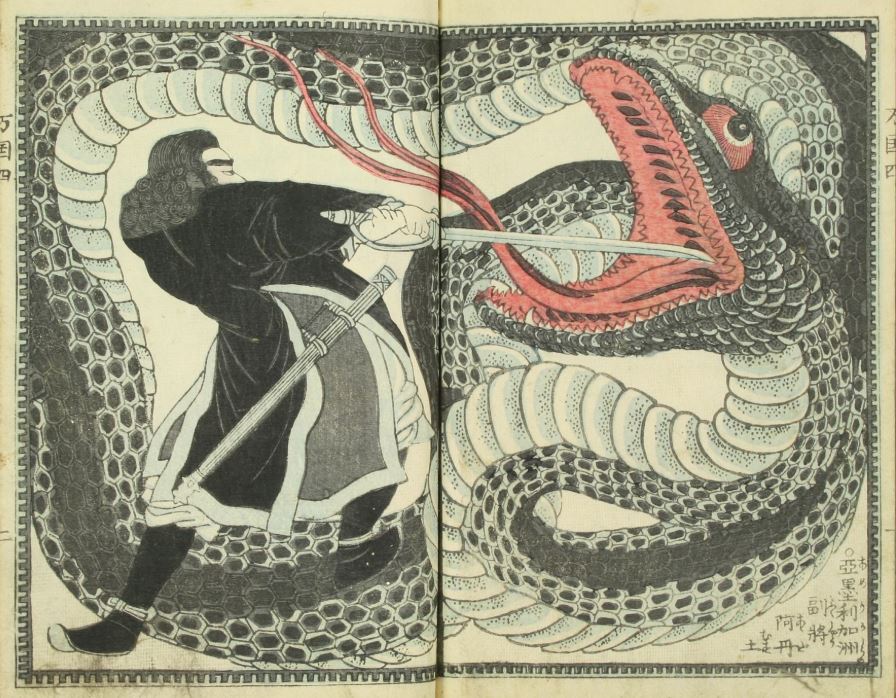
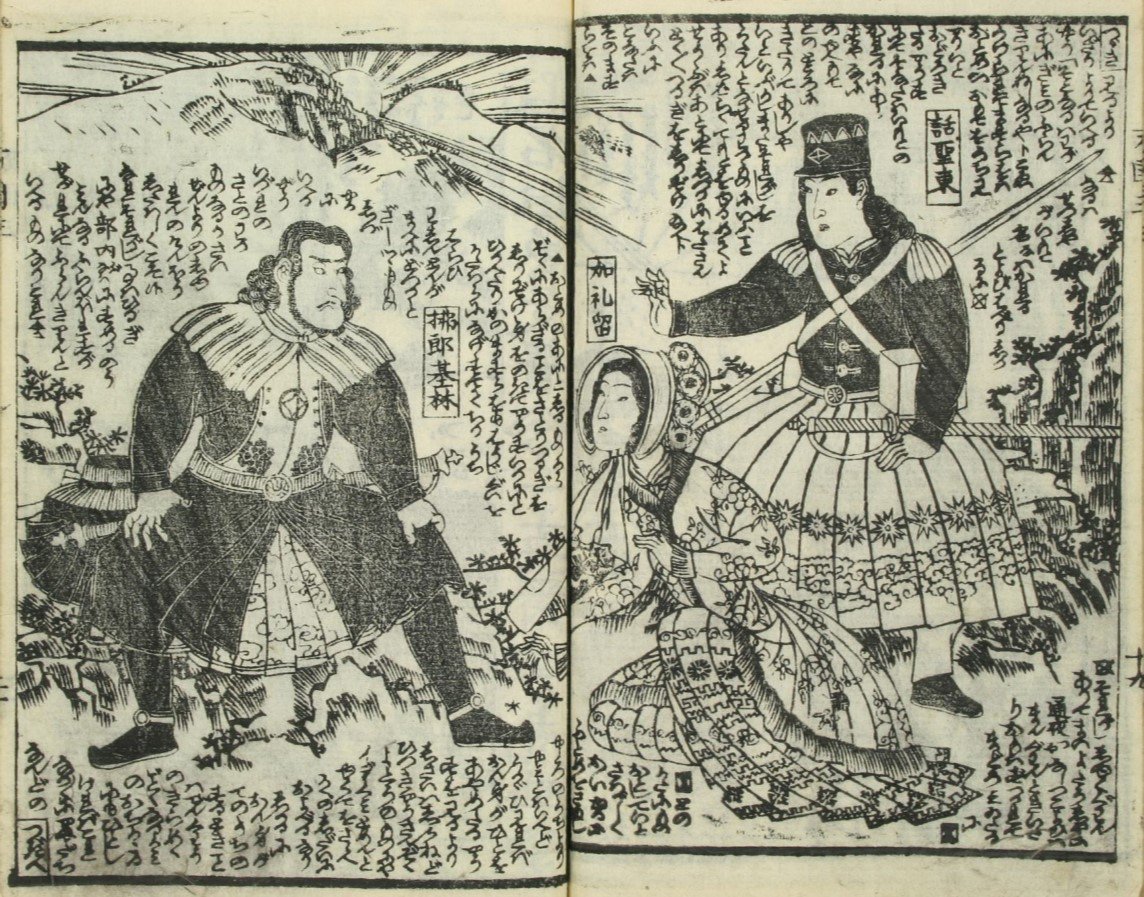

The YouTube algorithm that I helped build in 2011 still recommends the flat earth theory by the *hundreds of millions*. This investigation by @RawStory shows some of the real-life consequences of this badly designed AI.
This spring at SxSW, @SusanWojcicki promised "Wikipedia snippets" on debated videos. But they didn't put them on flat earth videos, and instead @YouTube is promoting merchandising such as "NASA lies - Never Trust a Snake". 2/

A few example of flat earth videos that were promoted by YouTube #today:
https://t.co/TumQiX2tlj 3/
https://t.co/uAORIJ5BYX 4/
https://t.co/yOGZ0pLfHG 5/
Flat Earth conference attendees explain how they have been brainwashed by YouTube and Infowarshttps://t.co/gqZwGXPOoc
— Raw Story (@RawStory) November 18, 2018
This spring at SxSW, @SusanWojcicki promised "Wikipedia snippets" on debated videos. But they didn't put them on flat earth videos, and instead @YouTube is promoting merchandising such as "NASA lies - Never Trust a Snake". 2/
A few example of flat earth videos that were promoted by YouTube #today:
https://t.co/TumQiX2tlj 3/
https://t.co/uAORIJ5BYX 4/
https://t.co/yOGZ0pLfHG 5/

#sculpture #story -
Chandesha-Anugraha Murti - One of the Sculpture in Brihadeshwara Temple at Gangaikonda Cholapuram - built by Raja Rajendra Chola I
This Sculpture depicts Bhagwan Shiva along with Devi Paravathi blessing Chandeshwara - one of the 63 Nayanmars.
#Thread
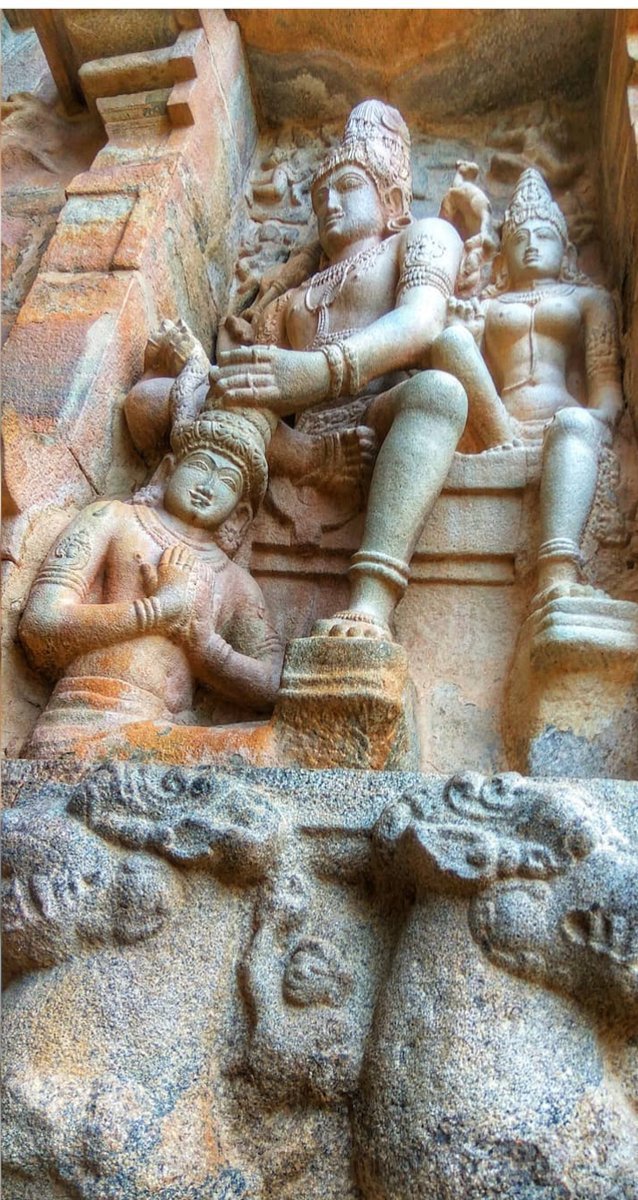
Chandeshwara/Chandikeshwara is regarded as custodian of Shiva Temple's wealth&most of Shiva temples in South India has separate sannathi for him.
His bhakti for Bhagwan Shiva elevated him as one of foremost among Nayanmars.
He gave importance to Shiva Pooja&protection of cows.
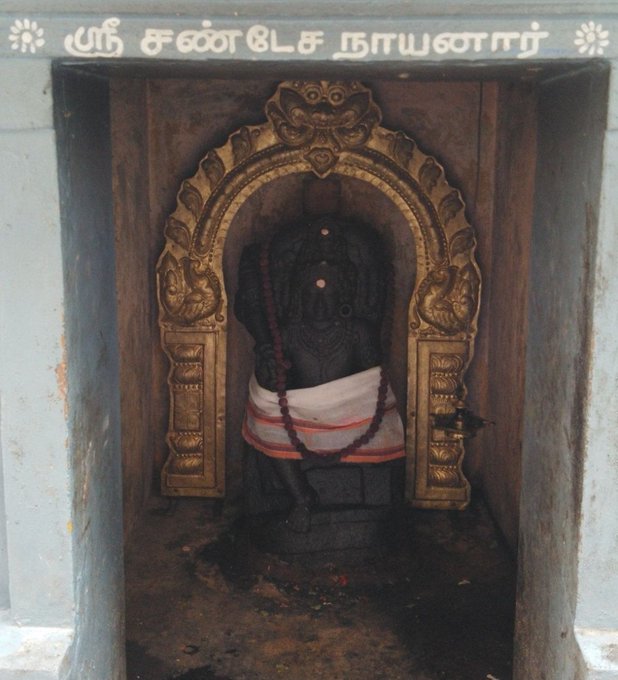
There are series of paintings, illustrating the #story of Chandikeshwar in the premises of
Sri Sathiyagireeswarar #Temple at Seinganur,near Kumbakonam,TN
Chandikeshwara's birth name
is Vichara sarman.He was born in the village of Senganur on the banks of River Manni.
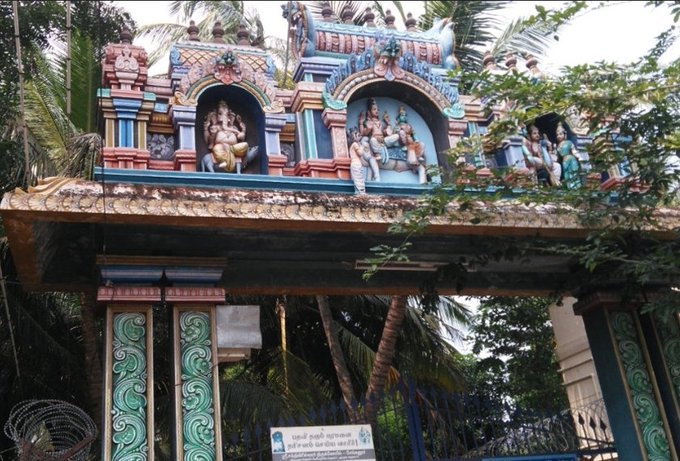
His Parent names were Yajnathatan and Pavithrai.
Vichara Sarman was a gifted child and he learnt Vedas and Agamas at a very young age.
He was very devout and would always think about Bhagwan Shiva.
One day he saw a cowherd man brutally assaulting a cow,Vichara Sarman could not tolerate this. He spoke to cowherd: ‘Do you not know that the cow is worshipful & divine? All gods & Devas reside in https://t.co/ElLcI5ppsK it is our duty to protect cows &we should not to harm them.
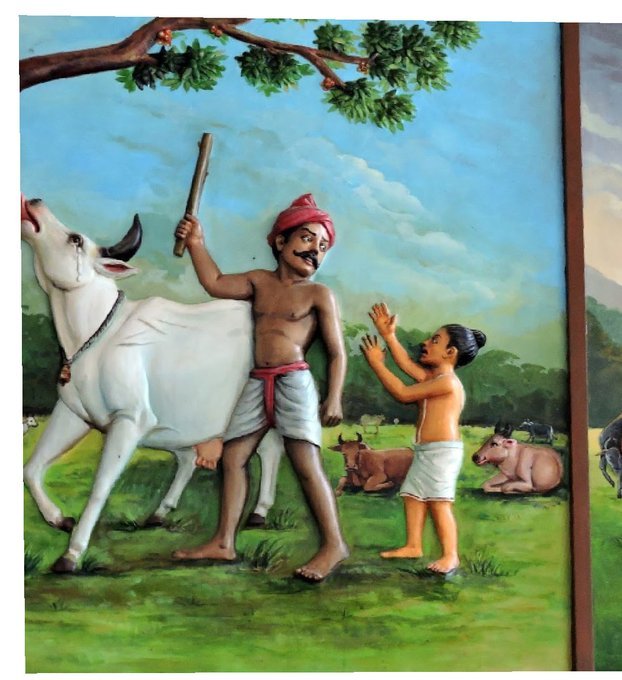
Chandesha-Anugraha Murti - One of the Sculpture in Brihadeshwara Temple at Gangaikonda Cholapuram - built by Raja Rajendra Chola I
This Sculpture depicts Bhagwan Shiva along with Devi Paravathi blessing Chandeshwara - one of the 63 Nayanmars.
#Thread
Chandeshwara/Chandikeshwara is regarded as custodian of Shiva Temple's wealth&most of Shiva temples in South India has separate sannathi for him.
His bhakti for Bhagwan Shiva elevated him as one of foremost among Nayanmars.
He gave importance to Shiva Pooja&protection of cows.
There are series of paintings, illustrating the #story of Chandikeshwar in the premises of
Sri Sathiyagireeswarar #Temple at Seinganur,near Kumbakonam,TN
Chandikeshwara's birth name
is Vichara sarman.He was born in the village of Senganur on the banks of River Manni.
His Parent names were Yajnathatan and Pavithrai.
Vichara Sarman was a gifted child and he learnt Vedas and Agamas at a very young age.
He was very devout and would always think about Bhagwan Shiva.
One day he saw a cowherd man brutally assaulting a cow,Vichara Sarman could not tolerate this. He spoke to cowherd: ‘Do you not know that the cow is worshipful & divine? All gods & Devas reside in https://t.co/ElLcI5ppsK it is our duty to protect cows &we should not to harm them.