https://t.co/F8W6TfGxWq
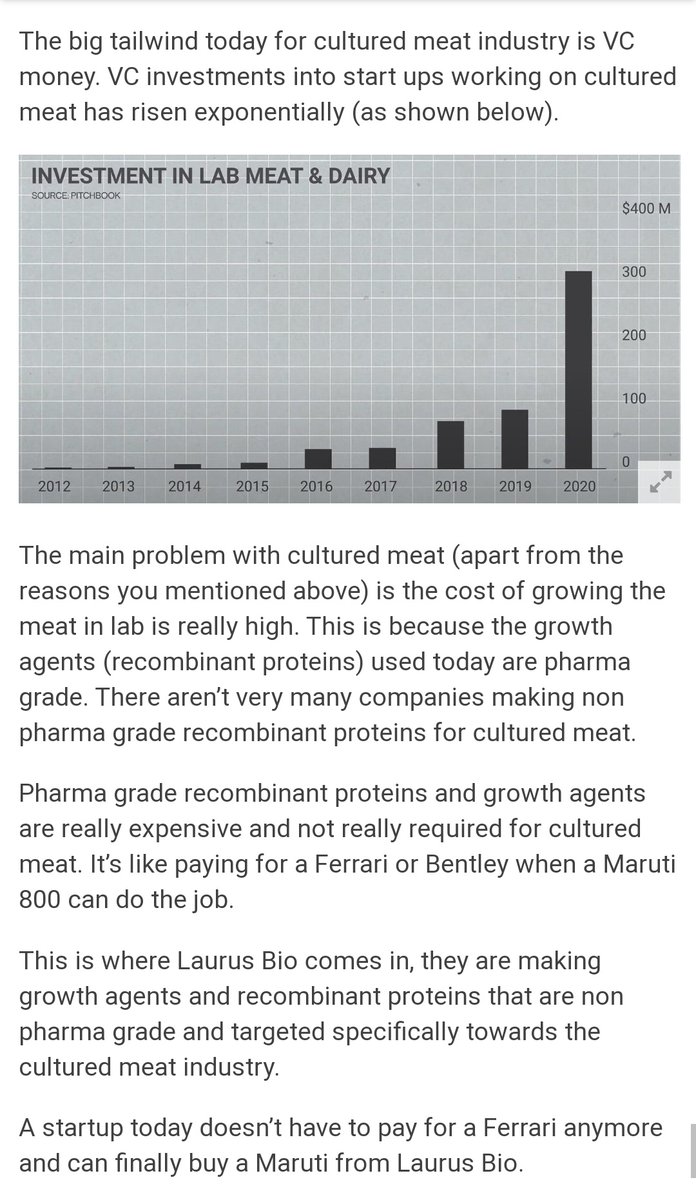
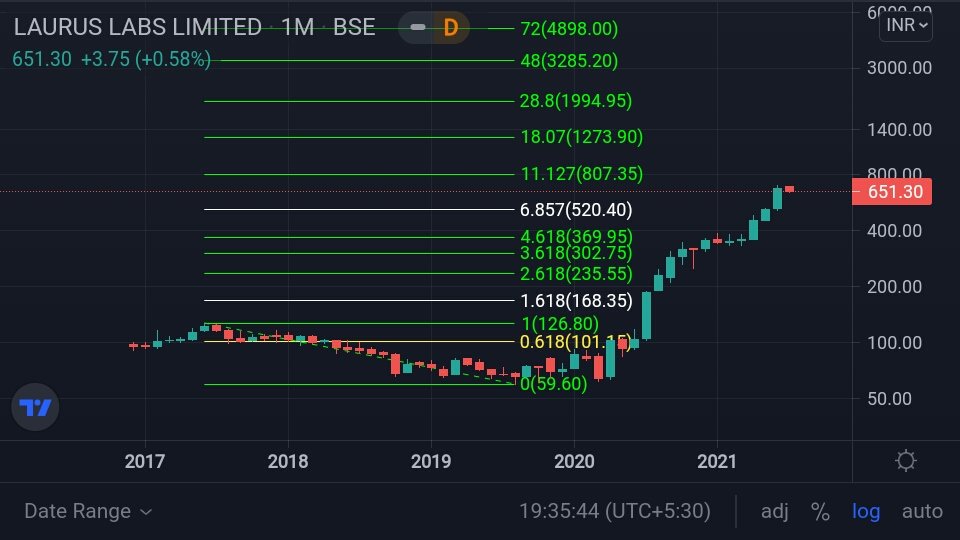
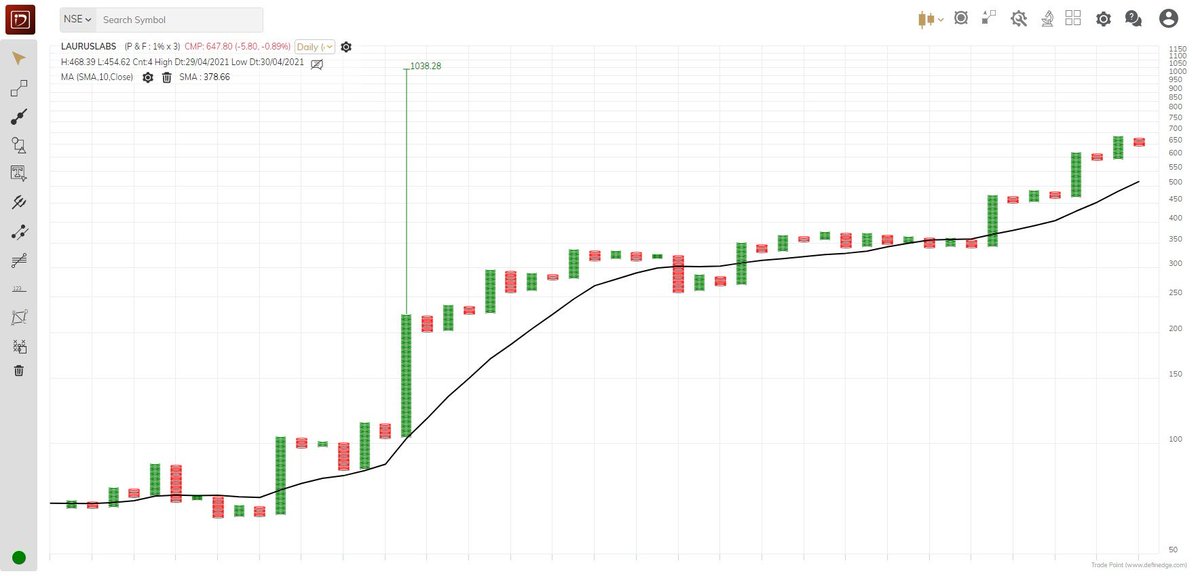
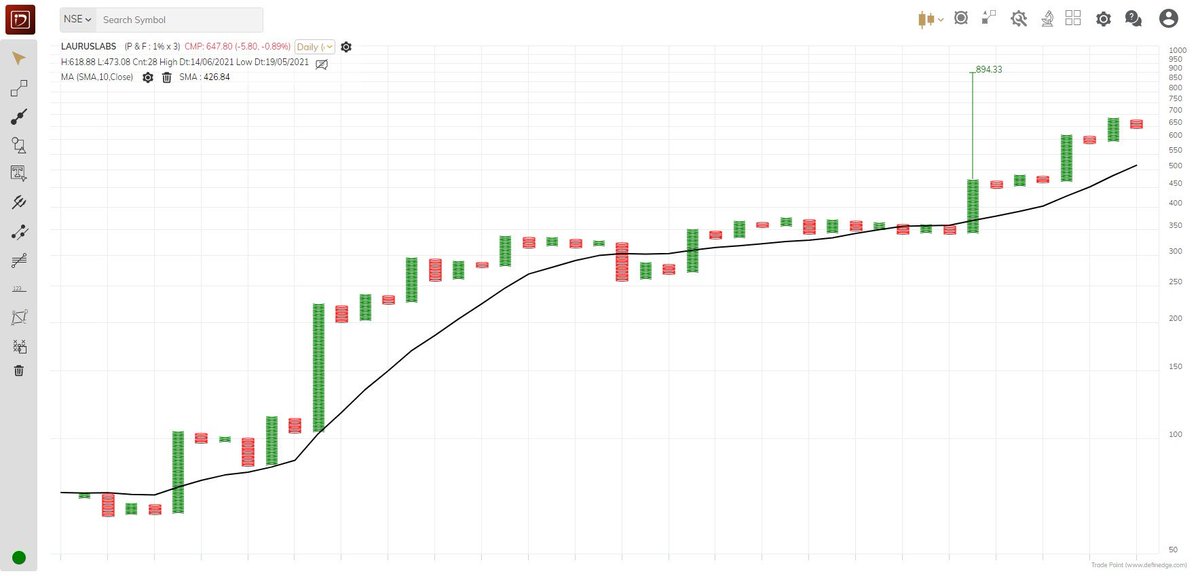
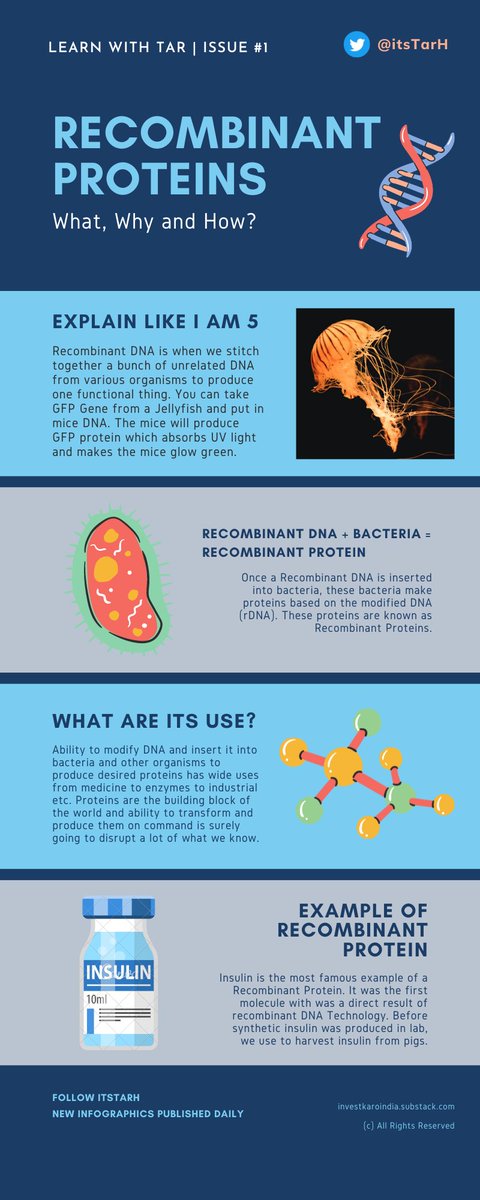
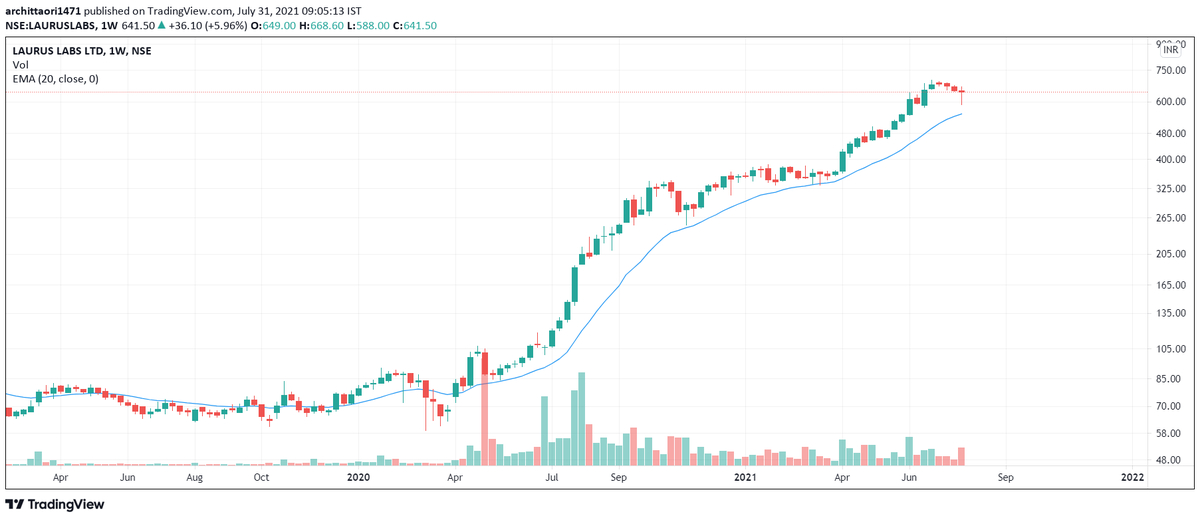
What are food grade recombinant proteins and what makes #LaurusBio exciting? 👇🏼
Making Maruti 800s for an industry where only Ferraris are available 🚙
More from Tar ⚡

China Index has corrected ~40% since its peak
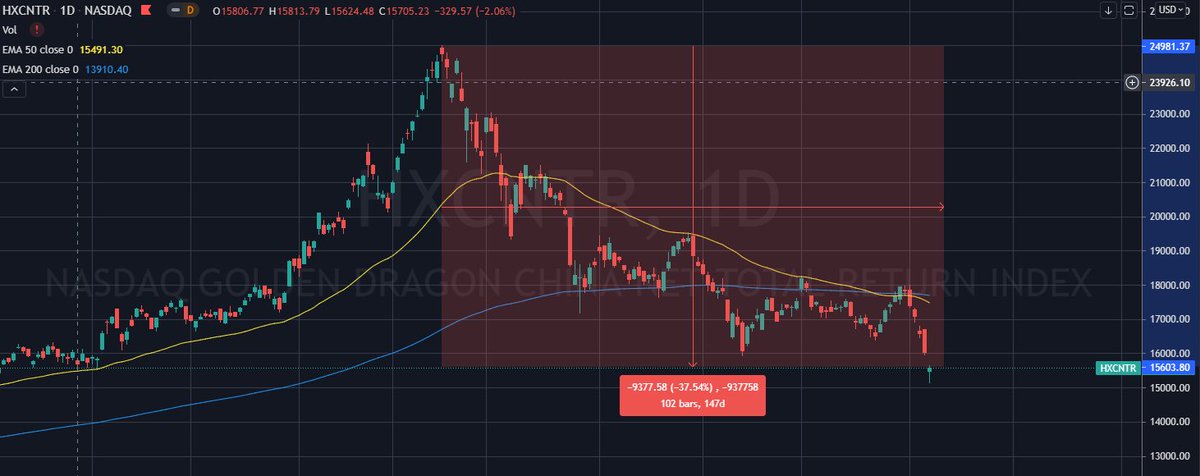
Lot of regulatory crackdown in China. Top rated companies are available for huge discounts. $BABA for example now has a market cap of less than 600 Billion and is bigger than Amazon in every regard.
I have been aggressively investing more in Chinese equities than Indian ones.
https://t.co/W1RWdKU3sy
Guess the Sector, that this company operates in.
ROCE 1 Yr: 32.7%
ROCE 3 Yr: 24.8%
ROE: 27.4%
ROE 3 Yr: 19%
Op Margin: 28.4%
Reserves: 32% of Current Market Cap
Debt: Nil
Profit CAGR 3Yrs: 54%
Debtor Days: 15
Inventory Turnover > 5
CFO YoY Increase : 160%
Some of you got it correct. Its Anjali Portland.
The company just acquired another cement company that will double the total sales immediately.
https://t.co/2xVnpJapPy
The acquisition was financed by adding debt, so interest costs from next quarter will go up but still great!
For a company that operates in a cyclical sector like cement!
What I liked is that the company was able to maintain the balance sheet and margins even in a down cycle.
With real estate sector reviving, this can be a great bet from here.
No recommendations, just an observation.
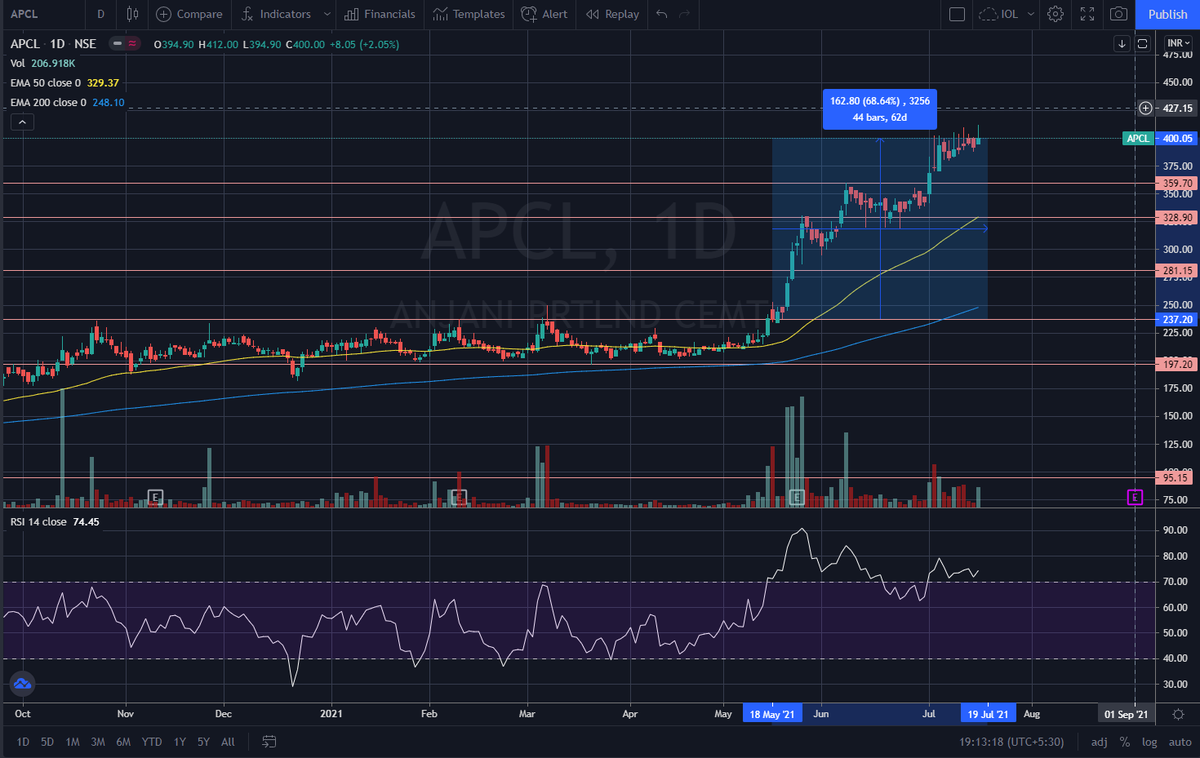
Market started re-rating the stock as soon as they announced acquisition.
Someone did some work on details of acquisition, sharing the thread
ROCE 1 Yr: 32.7%
ROCE 3 Yr: 24.8%
ROE: 27.4%
ROE 3 Yr: 19%
Op Margin: 28.4%
Reserves: 32% of Current Market Cap
Debt: Nil
Profit CAGR 3Yrs: 54%
Debtor Days: 15
Inventory Turnover > 5
CFO YoY Increase : 160%
Some of you got it correct. Its Anjali Portland.
The company just acquired another cement company that will double the total sales immediately.
https://t.co/2xVnpJapPy
The acquisition was financed by adding debt, so interest costs from next quarter will go up but still great!
For a company that operates in a cyclical sector like cement!
What I liked is that the company was able to maintain the balance sheet and margins even in a down cycle.
With real estate sector reviving, this can be a great bet from here.
No recommendations, just an observation.
Market started re-rating the stock as soon as they announced acquisition.
Someone did some work on details of acquisition, sharing the thread
@drprashantmish6 @Investor_Mohit
— Arun Choudhary FCA (@YOUNGBRUJ) July 9, 2021
1) Information on cement sector in India
India at 550 MTPA is the 2nd largest cement producer globally. Expected to move to 650 MTPA by 2025E pic.twitter.com/GqtcSk03TU

More from Lauruslabs





You May Also Like

A brief analysis and comparison of the CSS for Twitter's PWA vs Twitter's legacy desktop website. The difference is dramatic and I'll touch on some reasons why.
Legacy site *downloads* ~630 KB CSS per theme and writing direction.
6,769 rules
9,252 selectors
16.7k declarations
3,370 unique declarations
44 media queries
36 unique colors
50 unique background colors
46 unique font sizes
39 unique z-indices
https://t.co/qyl4Bt1i5x

PWA *incrementally generates* ~30 KB CSS that handles all themes and writing directions.
735 rules
740 selectors
757 declarations
730 unique declarations
0 media queries
11 unique colors
32 unique background colors
15 unique font sizes
7 unique z-indices
https://t.co/w7oNG5KUkJ

The legacy site's CSS is what happens when hundreds of people directly write CSS over many years. Specificity wars, redundancy, a house of cards that can't be fixed. The result is extremely inefficient and error-prone styling that punishes users and developers.
The PWA's CSS is generated on-demand by a JS framework that manages styles and outputs "atomic CSS". The framework can enforce strict constraints and perform optimisations, which is why the CSS is so much smaller and safer. Style conflicts and unbounded CSS growth are avoided.
Legacy site *downloads* ~630 KB CSS per theme and writing direction.
6,769 rules
9,252 selectors
16.7k declarations
3,370 unique declarations
44 media queries
36 unique colors
50 unique background colors
46 unique font sizes
39 unique z-indices
https://t.co/qyl4Bt1i5x
PWA *incrementally generates* ~30 KB CSS that handles all themes and writing directions.
735 rules
740 selectors
757 declarations
730 unique declarations
0 media queries
11 unique colors
32 unique background colors
15 unique font sizes
7 unique z-indices
https://t.co/w7oNG5KUkJ
The legacy site's CSS is what happens when hundreds of people directly write CSS over many years. Specificity wars, redundancy, a house of cards that can't be fixed. The result is extremely inefficient and error-prone styling that punishes users and developers.
The PWA's CSS is generated on-demand by a JS framework that manages styles and outputs "atomic CSS". The framework can enforce strict constraints and perform optimisations, which is why the CSS is so much smaller and safer. Style conflicts and unbounded CSS growth are avoided.