
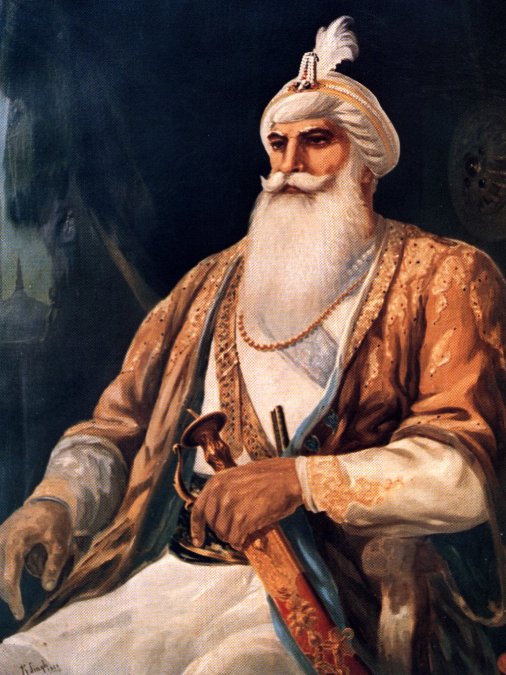
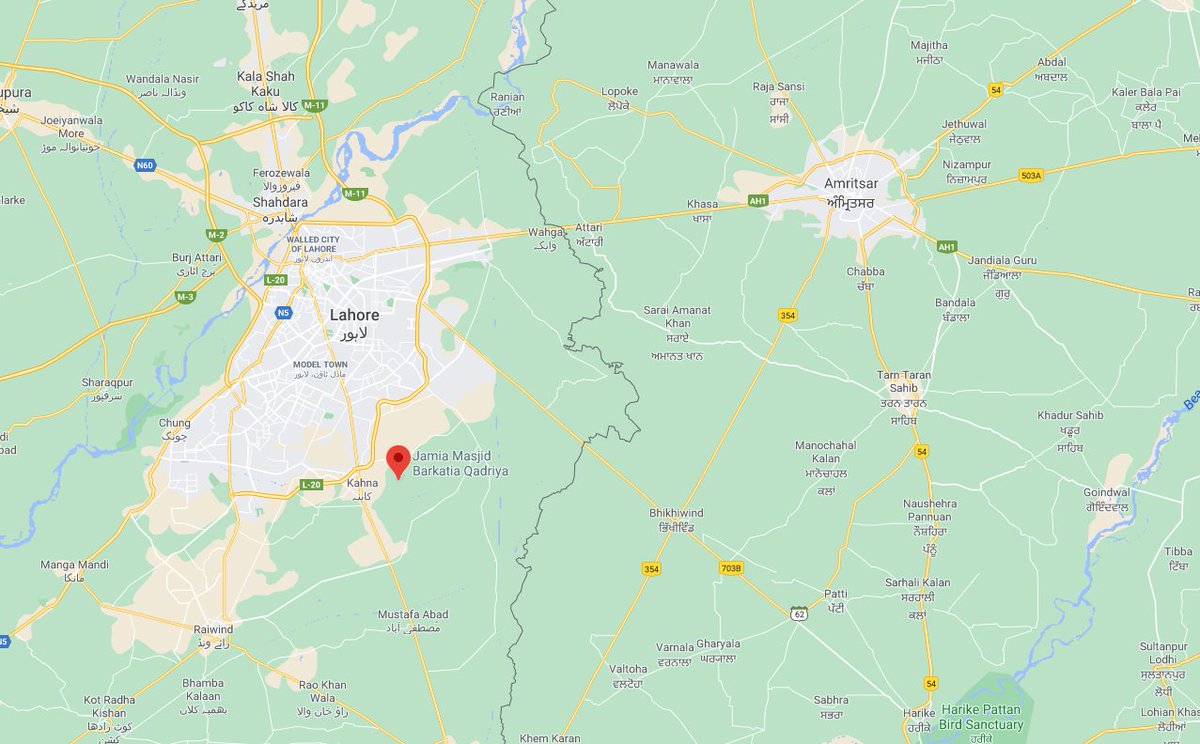
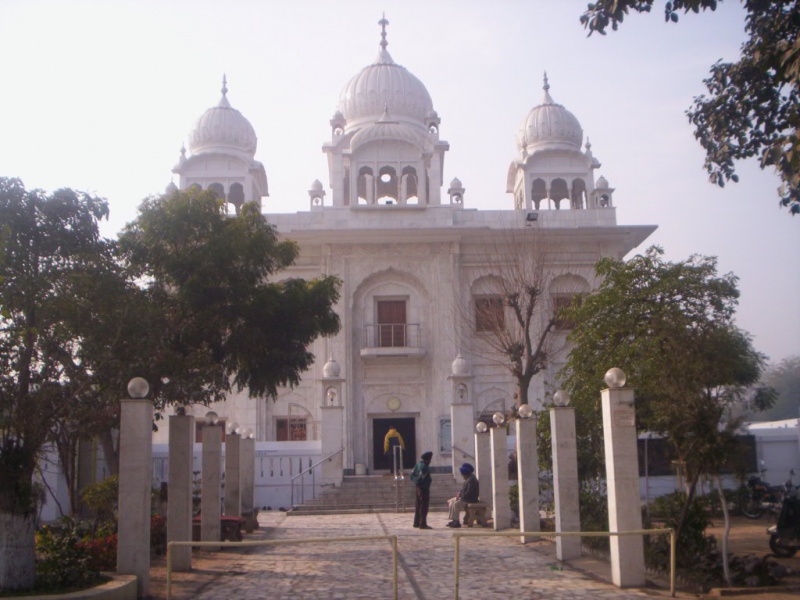
This Mawadda is reserved only for Muslims; hence it is not permitted for a Muslim to have this type of friendship with non-Muslims. The verses of the Qur’an prohibiting Muslims from having intimate and close friendship with non-Muslims,
This has to be said.
Classical Muslim scholars and jurists have categorized friendship with NON-MUSLIM into four levels and stages
1) Muwalat or Mawadda: This means to have close and intimate relationship and deep love and affection from one’s heart for a non-Muslim such that
This Mawadda is reserved only for Muslims; hence it is not permitted for a Muslim to have this type of friendship with non-Muslims. The verses of the Qur’an prohibiting Muslims from having intimate and close friendship with non-Muslims,
2) Mudarat: This means to express friendship and love only outwardly without having love for them and their beliefs internally. It is a mere outward expression of the first stage (muwalat),
This kind of relationship with non-Muslims is permitted, as it is reserved for all human beings, whether
3) Muwasat: This means to help, assist and benefit non-Muslims. It includes
This is also permitted with all types of non-Muslims except those who are directly at war with Muslims. The verse of the
It is clear with the above four levels that according to Islamic teachings, to take non–Muslims as friends and associates, in general, is permissible. It is perfectly acceptable to express outward friendship towards them,
More from Islam


You May Also Like

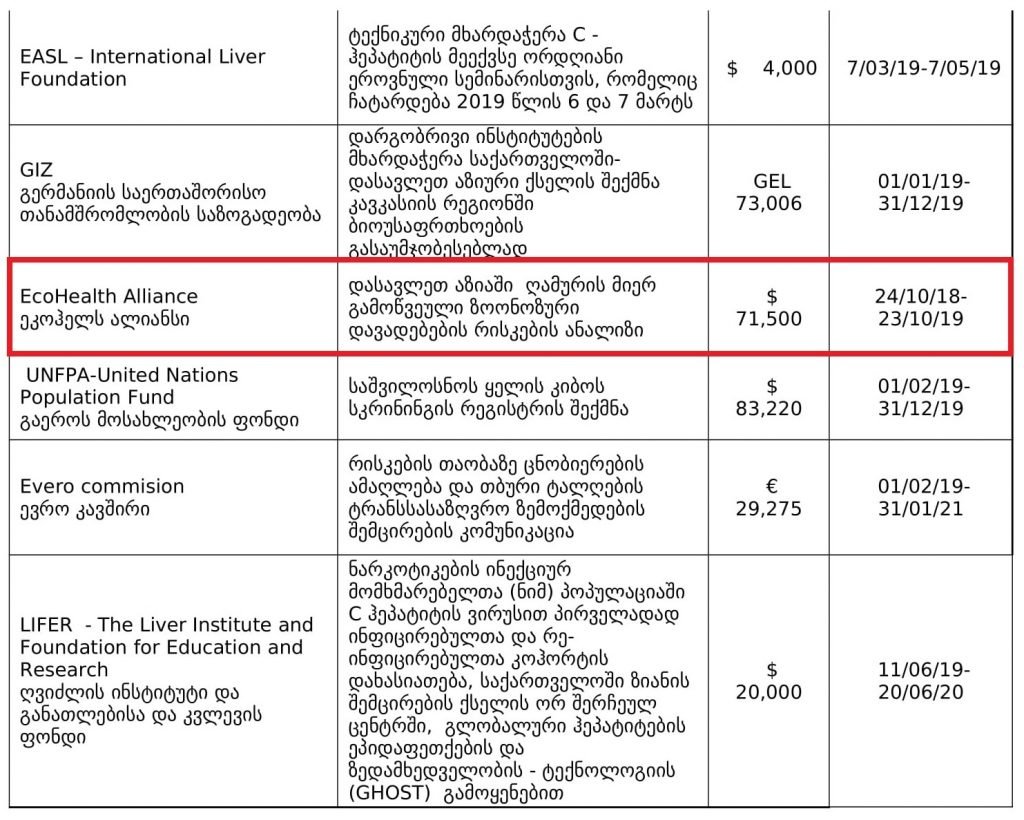
1. Project 1742 (EcoHealth/DTRA)
Risks of bat-borne zoonotic diseases in Western Asia
Duration: 24/10/2018-23 /10/2019
Funding: $71,500
@dgaytandzhieva
https://t.co/680CdD8uug
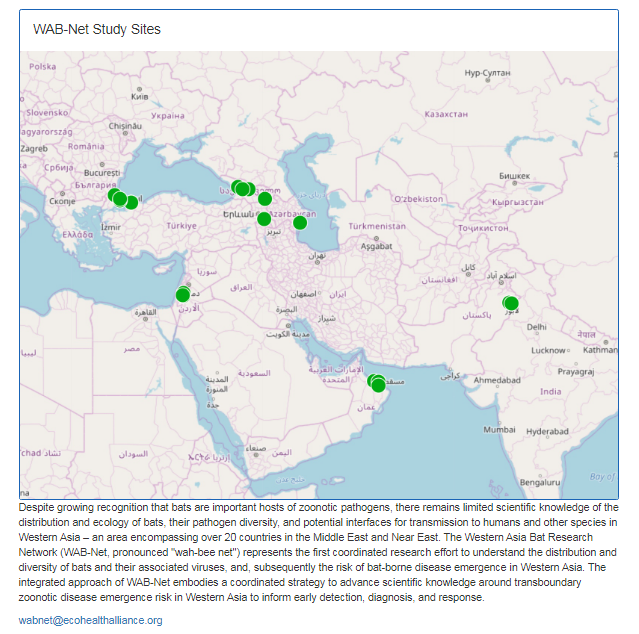
2. Bat Virus Database
Access to the database is limited only to those scientists participating in our ‘Bats and Coronaviruses’ project
Our intention is to eventually open up this database to the larger scientific community
https://t.co/mPn7b9HM48
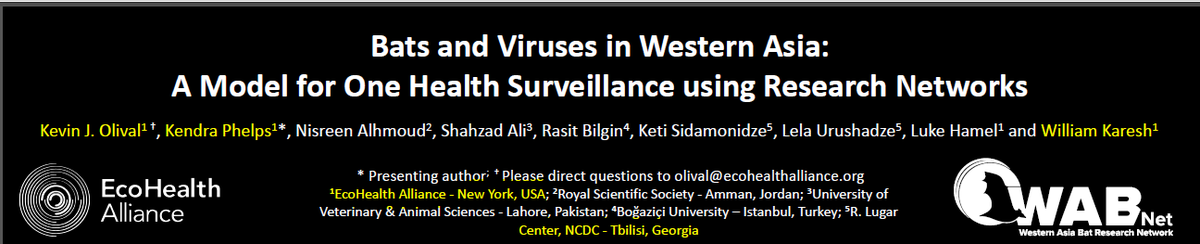
3. EcoHealth Alliance & DTRA Asking for Trouble
One Health research project focused on characterizing bat diversity, bat coronavirus diversity and the risk of bat-borne zoonotic disease emergence in the region.
https://t.co/u6aUeWBGEN
4. Phelps, Olival, Epstein, Karesh - EcoHealth/DTRA
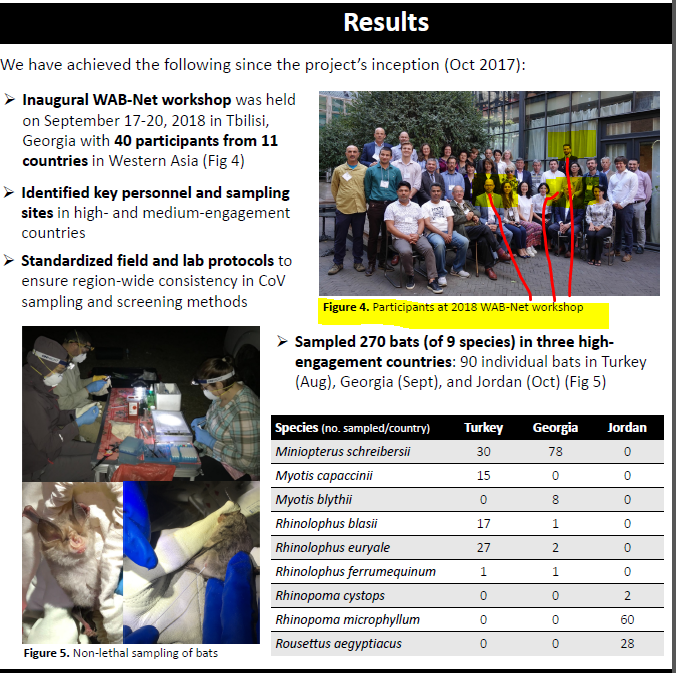
5, Methods and Expected Outcomes
(Unexpected Outcome = New Coronavirus Pandemic)
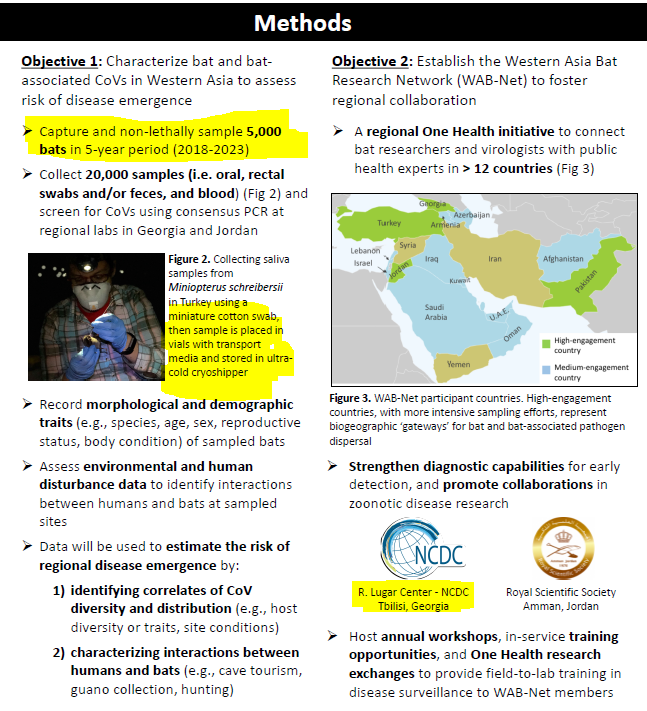
Risks of bat-borne zoonotic diseases in Western Asia
Duration: 24/10/2018-23 /10/2019
Funding: $71,500
@dgaytandzhieva
https://t.co/680CdD8uug
2. Bat Virus Database
Access to the database is limited only to those scientists participating in our ‘Bats and Coronaviruses’ project
Our intention is to eventually open up this database to the larger scientific community
https://t.co/mPn7b9HM48
3. EcoHealth Alliance & DTRA Asking for Trouble
One Health research project focused on characterizing bat diversity, bat coronavirus diversity and the risk of bat-borne zoonotic disease emergence in the region.
https://t.co/u6aUeWBGEN
4. Phelps, Olival, Epstein, Karesh - EcoHealth/DTRA
5, Methods and Expected Outcomes
(Unexpected Outcome = New Coronavirus Pandemic)



First update to https://t.co/lDdqjtKTZL since the challenge ended – Medium links!! Go add your Medium profile now 👀📝 (thanks @diannamallen for the suggestion 😁)

Just added Telegram links to https://t.co/lDdqjtKTZL too! Now you can provide a nice easy way for people to message you :)

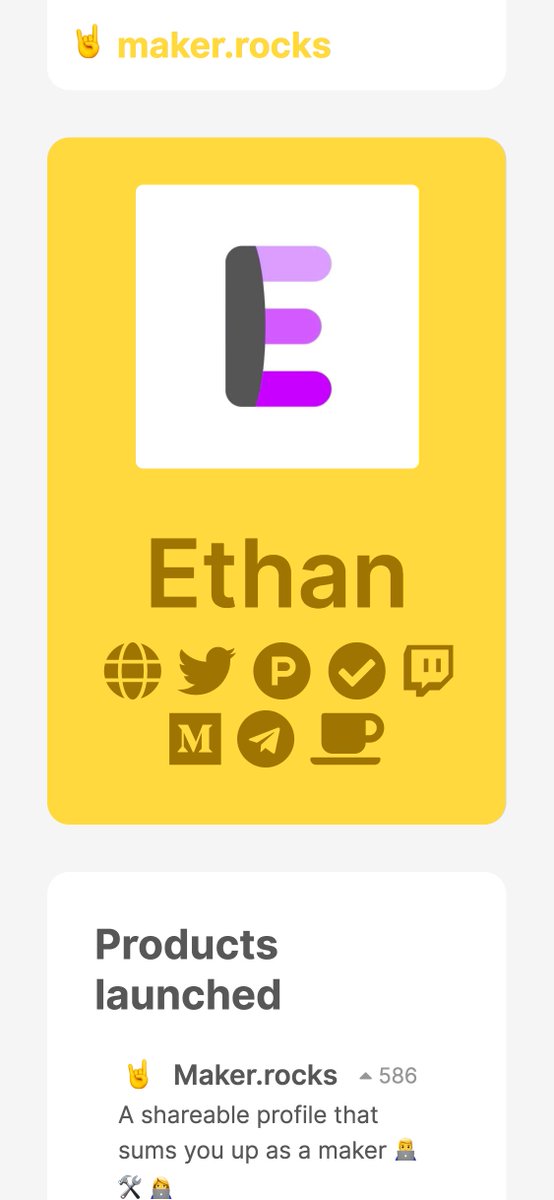
Less than 1 hour since I started adding stuff to https://t.co/lDdqjtKTZL again, and profile pages are now responsive!!! 🥳 Check it out -> https://t.co/fVkEL4fu0L
Accounts page is now also responsive!! 📱✨
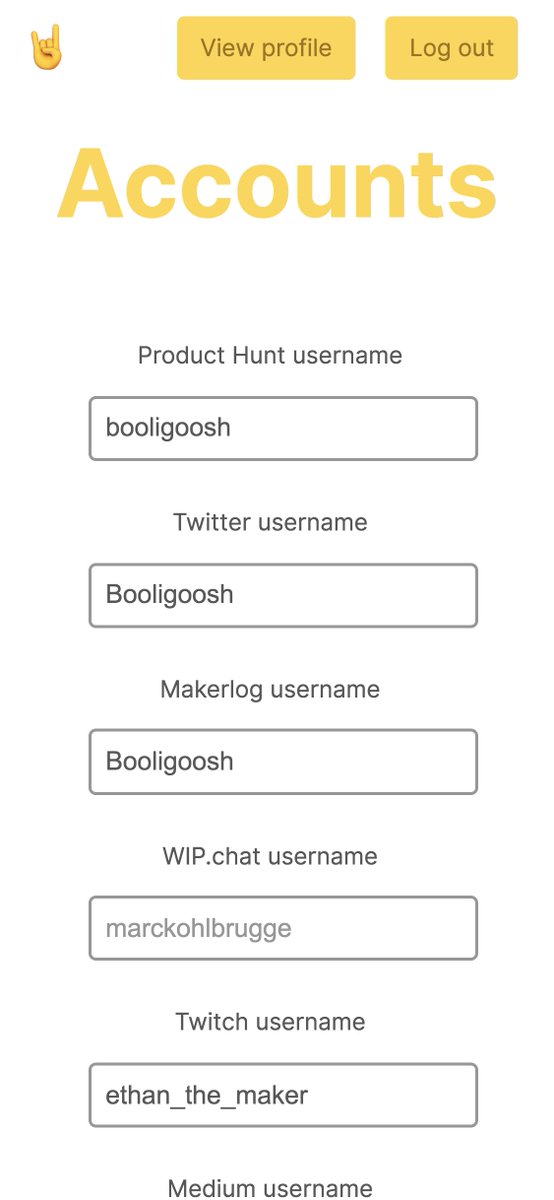
💪 I managed to make the whole site responsive in about an hour. On my roadmap I had it down as 4-5 hours!!! 🤘🤠🤘
Just added Telegram links to https://t.co/lDdqjtKTZL too! Now you can provide a nice easy way for people to message you :)
Less than 1 hour since I started adding stuff to https://t.co/lDdqjtKTZL again, and profile pages are now responsive!!! 🥳 Check it out -> https://t.co/fVkEL4fu0L
Accounts page is now also responsive!! 📱✨
💪 I managed to make the whole site responsive in about an hour. On my roadmap I had it down as 4-5 hours!!! 🤘🤠🤘


