Sakhare: We came to know through TV and news that the matter is today.
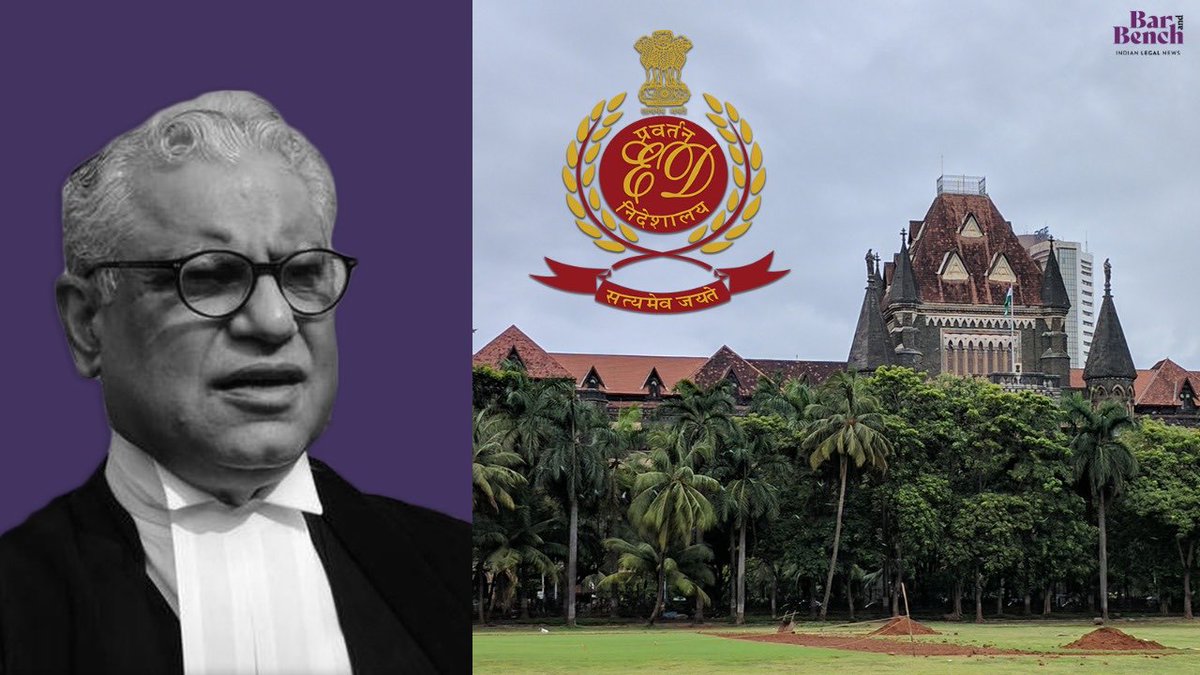
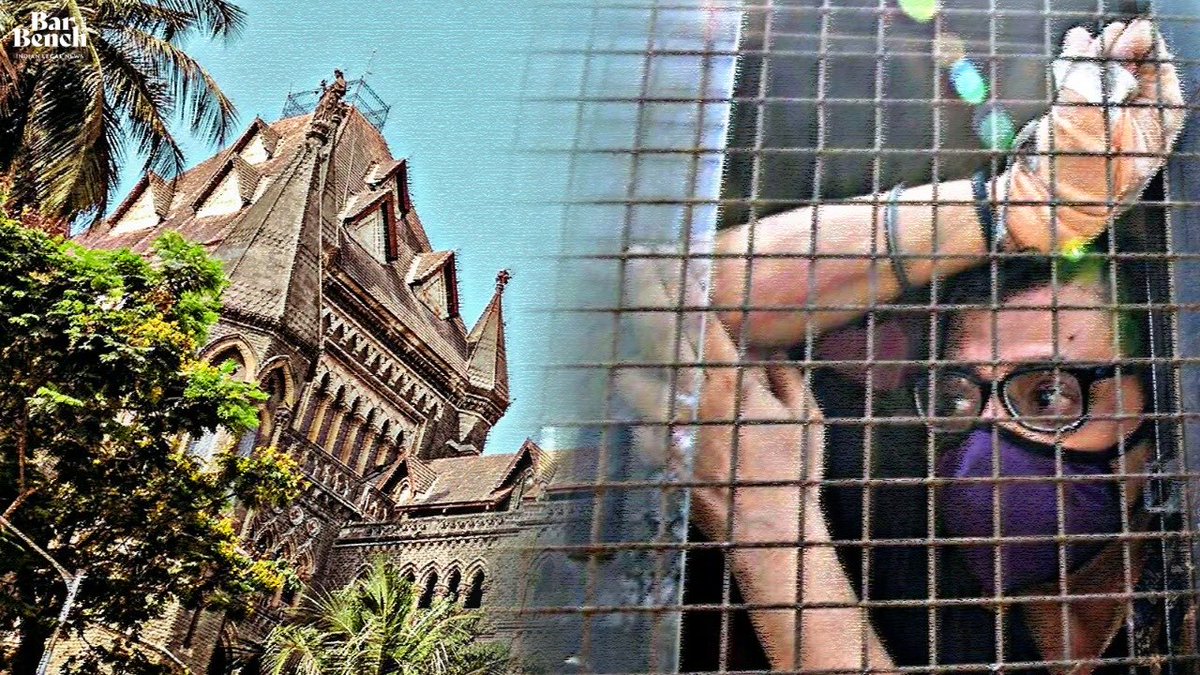
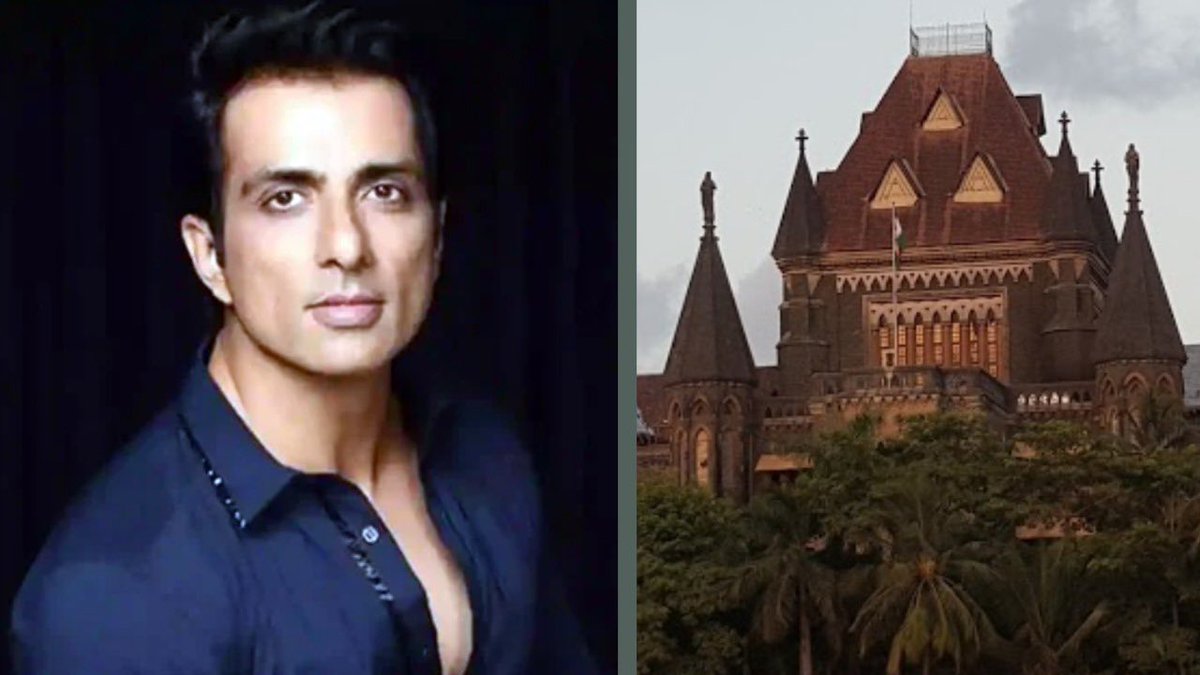
#BombayHighCourt begins hearing the plea of Sonu Sood challenging the order of the Trial Court refusing to protect Sood against coercive action of BMC in lieu of illegal construction notice.
@SonuSood
@mybmc
Sakhare: We came to know through TV and news that the matter is today.
Sakhare: Milords he is running a hotel in those premises without the requisite permissions.
Singh: milords it is a residential hotel. It is different from a restaurant. And that is not the concern in this appeal.
(To Sakhare) Do you want time?
Sakhare: Let them serve me the copy of the appeal and I will address Milords on it tomorrow.
Court: Then why didn’t you approach this court sooner?
Court asks Sakhare to make a statement to protect Sood till the next date.
More from Bar & Bench
More from India
William Carey landed on the Indian soil in the year 1793. He spent the remaining years of his life in India. He was a British missionary, a translator and a social reformer who is best known for having the practice of Sati abolished in India. https://t.co/kRiPwgjwcP pic.twitter.com/JqO3A7cCsX
— Tanvangi (@Tanvangi17) December 18, 2020
It is entirely possible that,Carey in his arrogance of being the white man and hence more civilized,his inability to under the Hindu scriptures and his natural disdain for the learned community coupled with his inherent hatred for the idolaters may have exaggerated the incidents.
In fact, considering the venom with which he has spoken about Hinduism and it's practices, it's likely that he has exaggerated these incidents. But it cannot be denied that these incidents did happen even if they may not have been on scale at which Carey has described.
One of his journal entry mentions a debate which happened in a temple in front of around 200 people. Carey describes having debated with two learned men and goes on to say when both learned men failed to answer his questions, he went on to preach the gospel to the assembled crowd

In a letter dated 30th June,1795 he goes on to gleefully narate how Hindus were unaware of their own scriptures and how an supposed expert named a grammar book when he was questioned as which scripture said that the Murti is God.

You May Also Like
Like company moats, your personal moat should be a competitive advantage that is not only durable—it should also compound over time.
Characteristics of a personal moat below:
I'm increasingly interested in the idea of "personal moats" in the context of careers.
— Erik Torenberg (@eriktorenberg) November 22, 2018
Moats should be:
- Hard to learn and hard to do (but perhaps easier for you)
- Skills that are rare and valuable
- Legible
- Compounding over time
- Unique to your own talents & interests https://t.co/bB3k1YcH5b
2/ Like a company moat, you want to build career capital while you sleep.
As Andrew Chen noted:
People talk about \u201cpassive income\u201d a lot but not about \u201cpassive social capital\u201d or \u201cpassive networking\u201d or \u201cpassive knowledge gaining\u201d but that\u2019s what you can architect if you have a thing and it grows over time without intensive constant effort to sustain it
— Andrew Chen (@andrewchen) November 22, 2018
3/ You don’t want to build a competitive advantage that is fleeting or that will get commoditized
Things that might get commoditized over time (some longer than
Things that look like moats but likely aren\u2019t or may fade:
— Erik Torenberg (@eriktorenberg) November 22, 2018
- Proprietary networks
- Being something other than one of the best at any tournament style-game
- Many "awards"
- Twitter followers or general reach without "respect"
- Anything that depends on information asymmetry https://t.co/abjxesVIh9
4/ Before the arrival of recorded music, what used to be scarce was the actual music itself — required an in-person artist.
After recorded music, the music itself became abundant and what became scarce was curation, distribution, and self space.
5/ Similarly, in careers, what used to be (more) scarce were things like ideas, money, and exclusive relationships.
In the internet economy, what has become scarce are things like specific knowledge, rare & valuable skills, and great reputations.
If everyone was holding bitcoin on the old x86 in their parents basement, we would be finding a price bottom. The problem is the risk is all pooled at a few brokerages and a network of rotten exchanges with counter party risk that makes AIG circa 2008 look like a good credit.
— Greg Wester (@gwestr) November 25, 2018
The benign product is sovereign programmable money, which is historically a niche interest of folks with a relatively clustered set of beliefs about the state, the literary merit of Snow Crash, and the utility of gold to the modern economy.
This product has narrow appeal and, accordingly, is worth about as much as everything else on a 486 sitting in someone's basement is worth.
The other product is investment scams, which have approximately the best product market fit of anything produced by humans. In no age, in no country, in no city, at no level of sophistication do people consistently say "Actually I would prefer not to get money for nothing."
This product needs the exchanges like they need oxygen, because the value of it is directly tied to having payment rails to move real currency into the ecosystem and some jurisdictional and regulatory legerdemain to stay one step ahead of the banhammer.