Importance of Famous Payyannur Pavithra Mothiram or Ring

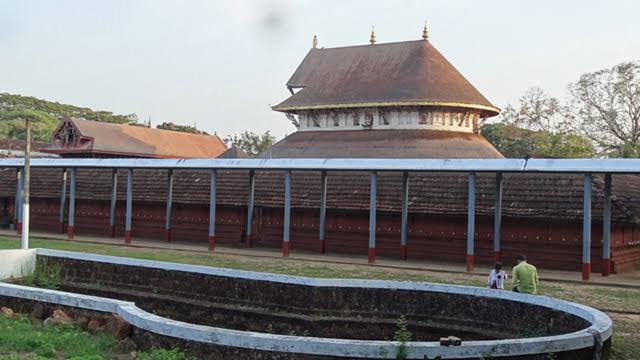
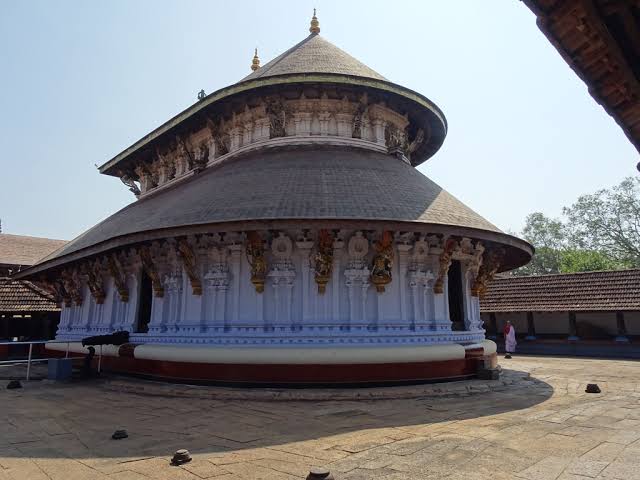
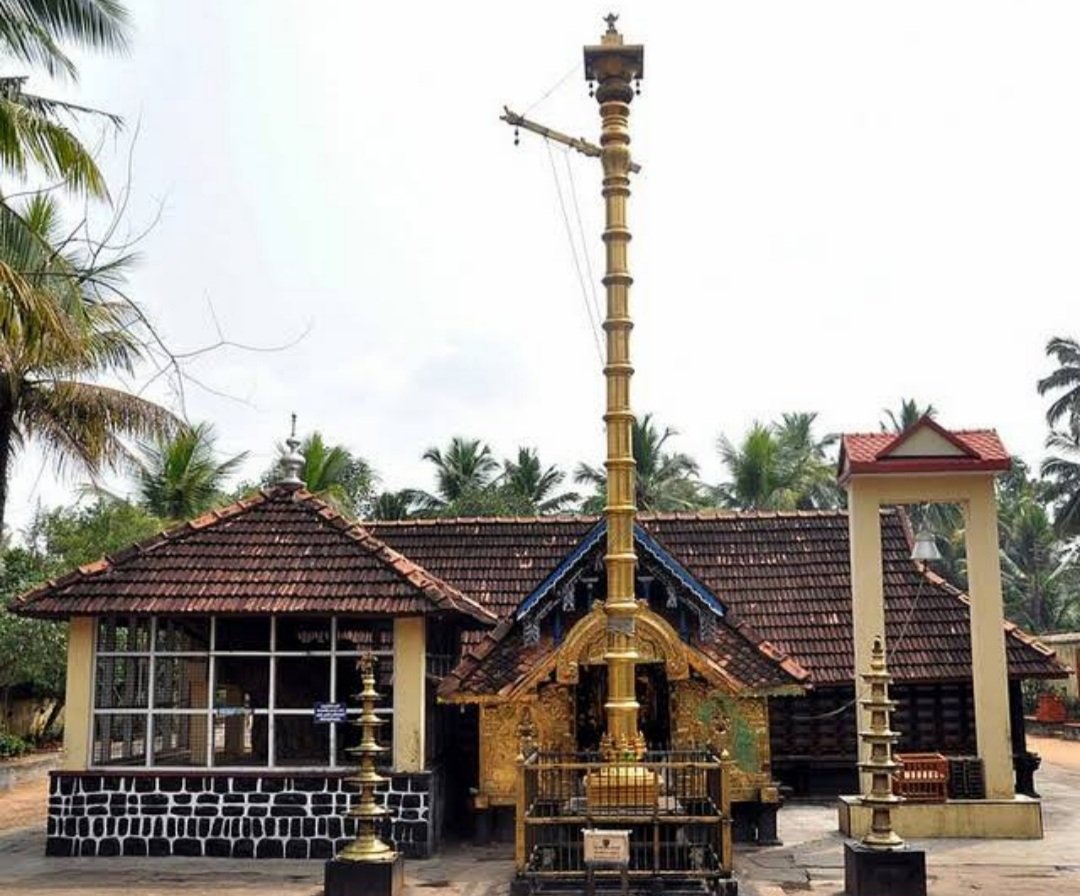
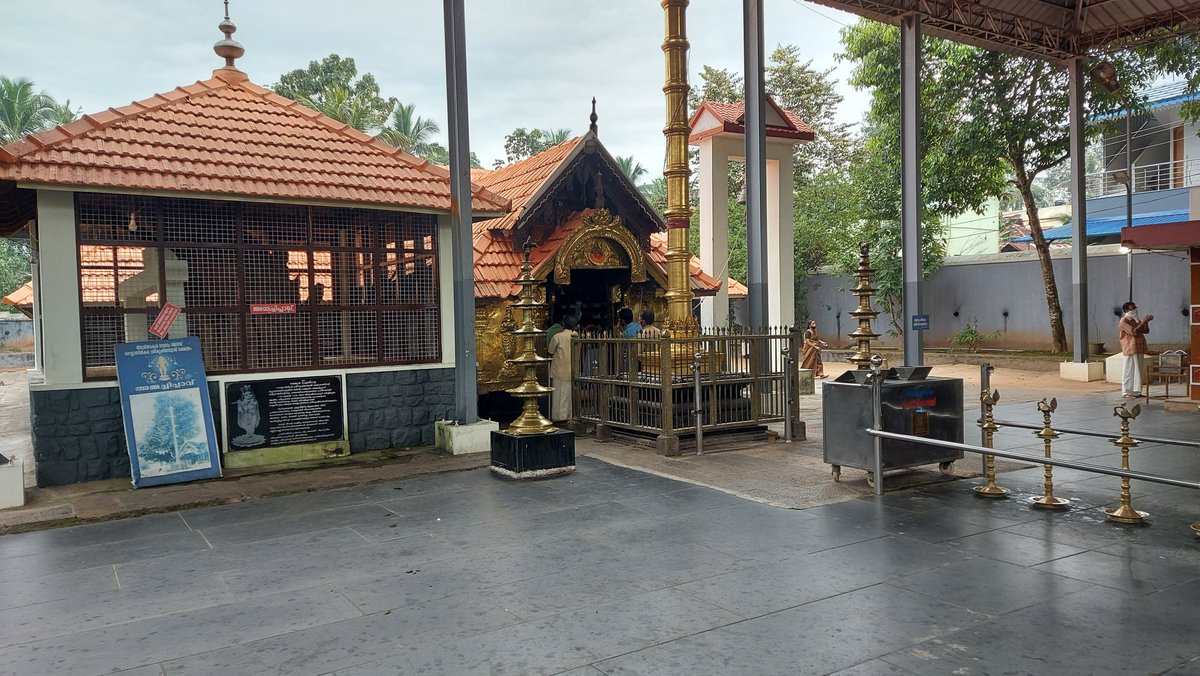
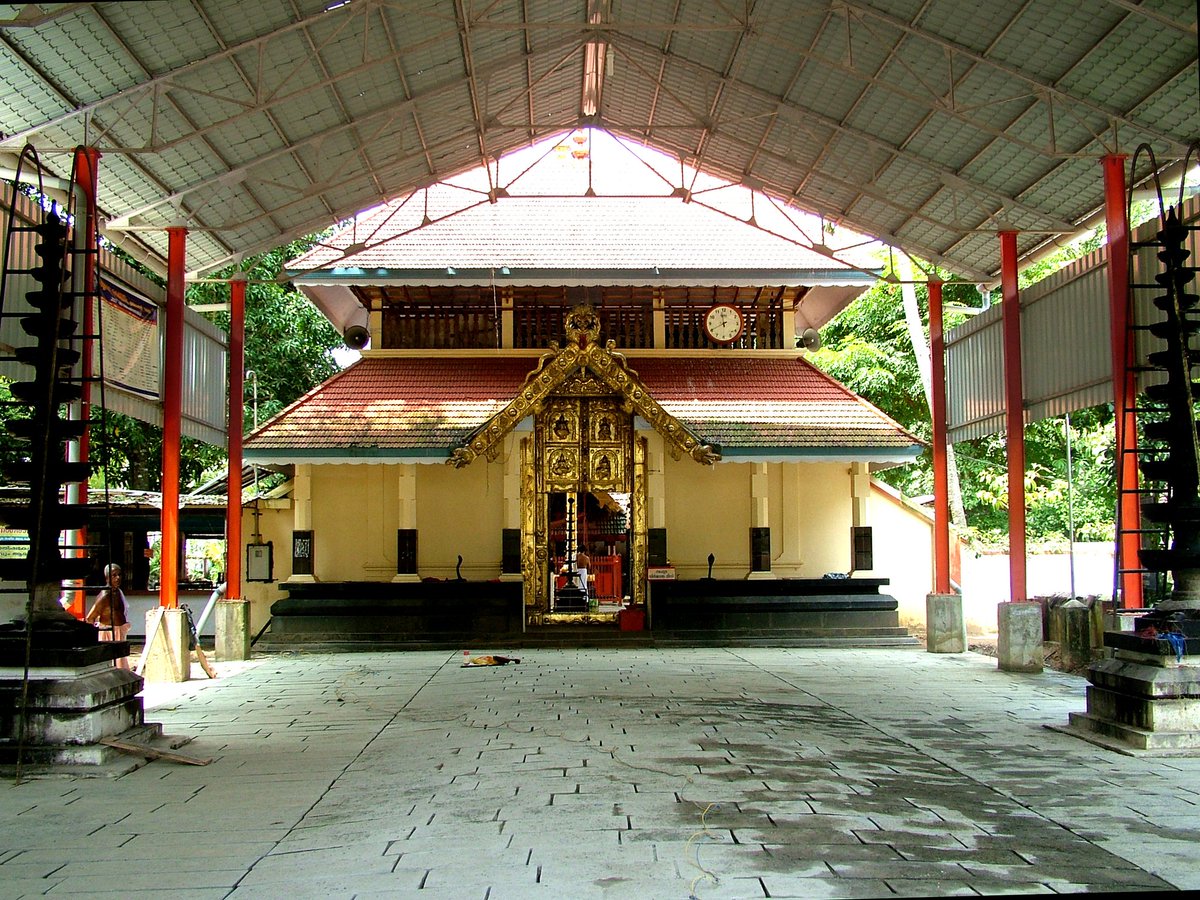
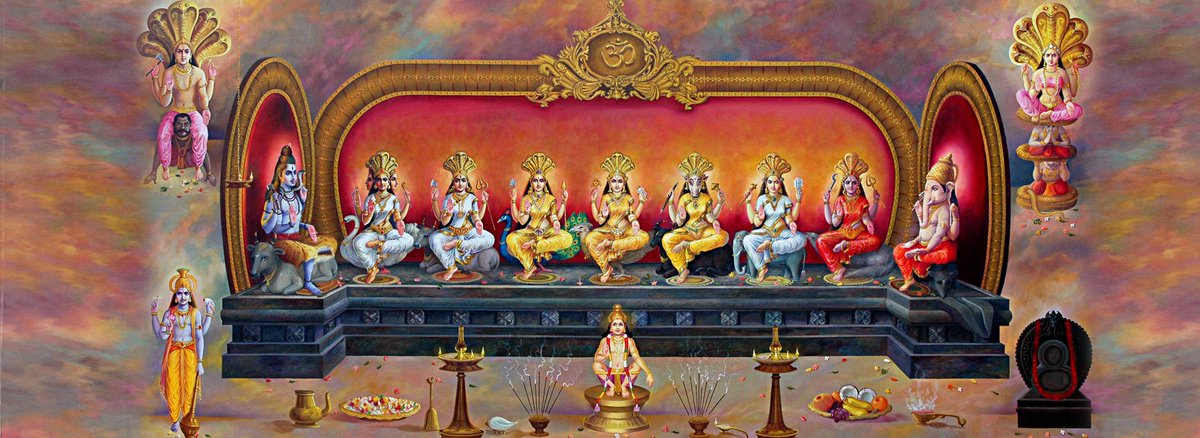
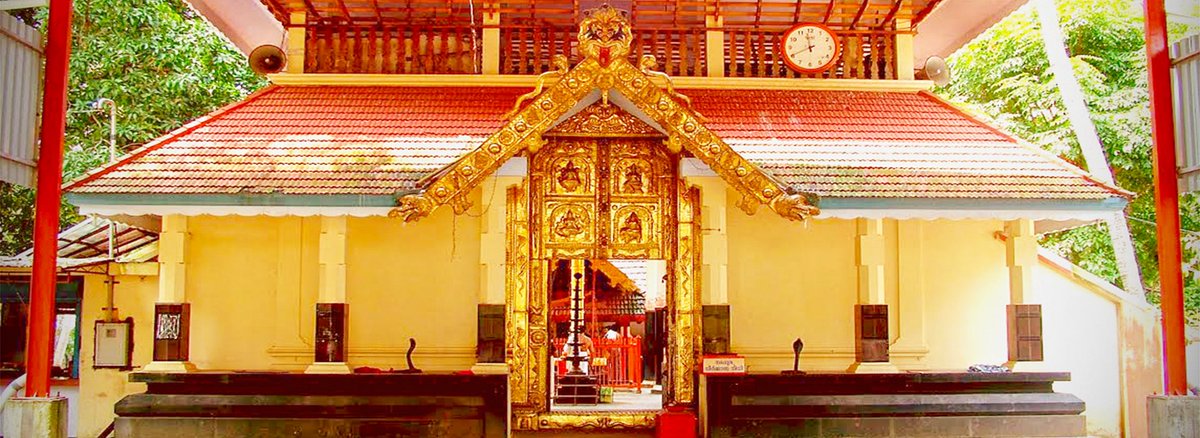
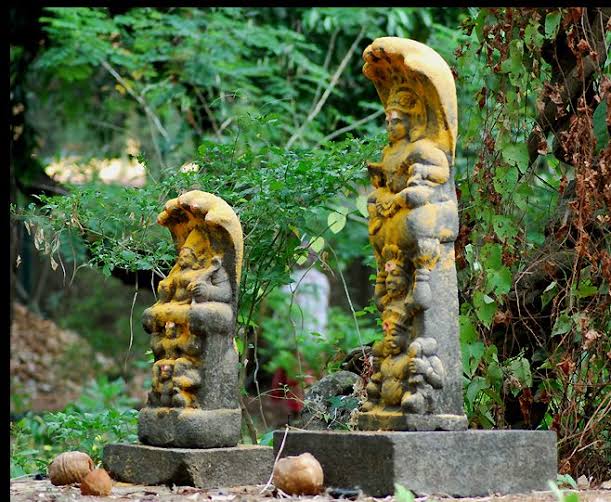
Payyanur Sri Subramanya Swami Temple 🚩
Kerala

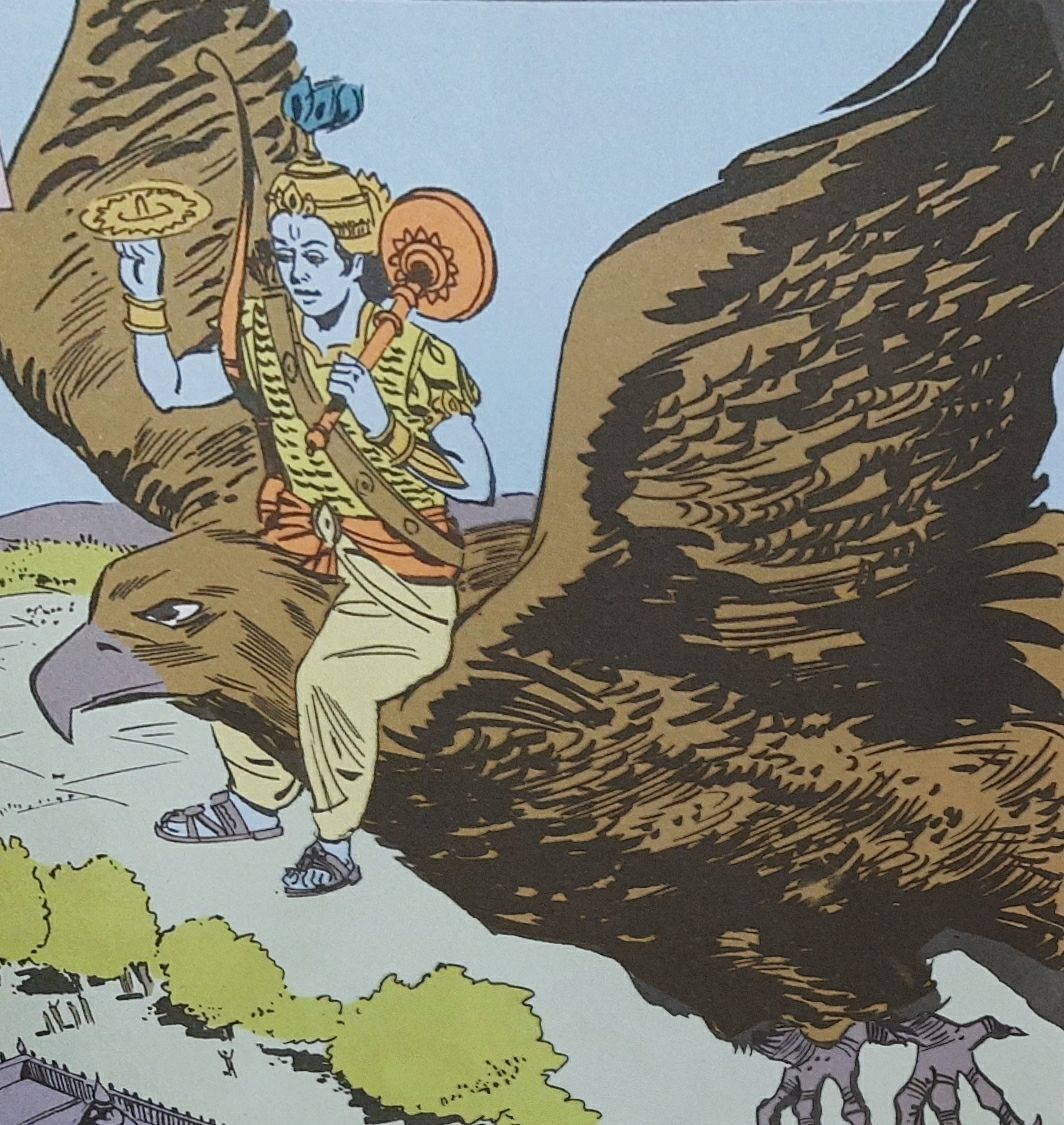
Temple, constructed by Parasurama is known as the 'Pazhani' of Kerala.The place got its name from 'Payyante Ooru' where Payyan is another name by which Subramanya was called.

There are references about this temple in Brahmanda purana. Muni Garga mentions this temple and the place to  the Pandavas when they were in Vanavasa. Temple was destroyed two times, once due to fire and then during the attack of Tipu Sultan.
Important tradition here is wearing of Pavithram by the temple priest. Pavithram is a sort of  ring worn during performing Vedic rituals or during the "pithrubali". Usually worn while performing Tarpana or Shradham. The traditional Pavitram is usually made of Dharbha grass

More from Anu Satheesh

Narayaneeyam Day : Tomorrow

Narayaneeyam Day is celebrated on 28th day of Malayalam month Vrishchikam. Narayaneeyam is the condensed form of Srimad Bhagavatam, written by Narayana Bhattatiri without leaving any essence of Bhagavatam & was submitted to Guruvayurappan on this day


Bhattatiri was a great devotee & scholar who lived in Guruvayur in Kerala. Narayana Bhattathiri had a Guru, Achyuta pisharadi, who had a severe attack of Rheumatism. Bhattathiri & with his prayers transferred guru's illness to him. Once, when Bhattathiri was unable to move, he


was carried to Guruvayur temple,
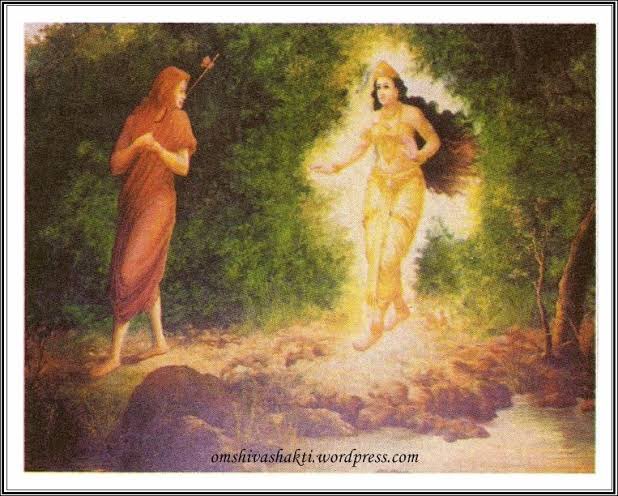
where he met Ezhuthachan, eminent  Malayalam  poet of the time. Ezhuthachan advised Bhattathiri to "begin the treatment with fish" Bhattathiri understood that he would be cured if he compose avatar of Vishnu starting with the fish, known as Matsya


Srimad Bhaghavatam which consists of 18000 sloka was condensed to 1034 slokas. He was 27 year old when Bhattadiri wrote Narayaneeyam. Thus on 100th day he was completely cured of illness. Particular Sloka of Narayaneeyam (Dasakam 8, Sloka 13) is a very powerful & also advised by


Sri Kanchi Maha Periyava for curing any illness. If one cannot recite Narayaneeyam completely are adviced to chant this sloka 21 times daily.

अस्मिन् परात्मन् ननु पाद्मकल्पे
त्वमित्थमुत्थापितपद्मयोनि: ।
अनन्तभूमा मम रोगराशिं
निरुन्धि वातालयवास विष्णो ॥

More from All

1. Mini Thread on Conflicts of Interest involving the authors of the Nature Toilet Paper:
https://t.co/VUYbsKGncx
Kristian G. Andersen
Andrew Rambaut
Ian Lipkin
Edward C. Holmes
Robert F. Garry

2. Thanks to @newboxer007 for forwarding the link to the research by an Australian in Taiwan (not on

3. K.Andersen didn't mention "competing interests"
Only Garry listed Zalgen Labs, which we will look at later.
In acknowledgements, Michael Farzan, Wellcome Trust, NIH, ERC & ARC are mentioned.
Author affiliations listed as usual.
Note the 328 Citations!
https://t.co/nmOeohM89Q


4. Kristian Andersen (1)
Andersen worked with USAMRIID & Fort Detrick scientists on research, with Robert Garry, Jens Kuhn & Sina Bavari among


5. Kristian Andersen (2)
Works at Scripps Research Institute, which WAS in serious financial trouble, haemorrhaging 20 million $ a year.
But just when the first virus cases were emerging, they received great news.
They issued a press release dated November 27, 2019:

You May Also Like

I’m torn on how to approach the idea of luck. I’m the first to admit that I am one of the luckiest people on the planet. To be born into a prosperous American family in 1960 with smart parents is to start life on third base. The odds against my very existence are astronomical.


I’ve always felt that the luckiest people I know had a talent for recognizing circumstances, not of their own making, that were conducive to a favorable outcome and their ability to quickly take advantage of them.

In other words, dumb luck was just that, it required no awareness on the person’s part, whereas “smart” luck involved awareness followed by action before the circumstances changed.

So, was I “lucky” to be born when I was—nothing I had any control over—and that I came of age just as huge databases and computers were advancing to the point where I could use those tools to write “What Works on Wall Street?” Absolutely.

Was I lucky to start my stock market investments near the peak of interest rates which allowed me to spend the majority of my adult life in a falling rate environment? Yup.