Mines had always had a large female element in their workforce; women were generally employed to carry coal to the surface. It was only in 1842 – with the Mines Regulation Act – that women and young children were banned from working below ground.
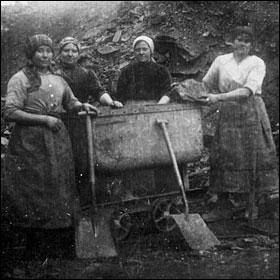
The mother, having thus disposed of her younger children, descends the pit with her older daughters, when each, having a basket of a suitable form, lays it down, and into it the large coals are rolled; and such is the weight carried, that it frequently takes two men
The execution of work performed by a stout woman in that way is beyond conception. For instance, we have
From this view of the work performed by bearers in Scotland, some faint idea may be formed of the slavery and severity of the toil particularly when it is
The collier, with his wife and children, having performed their daily task, return home, where no comfort awaits them;
More from History


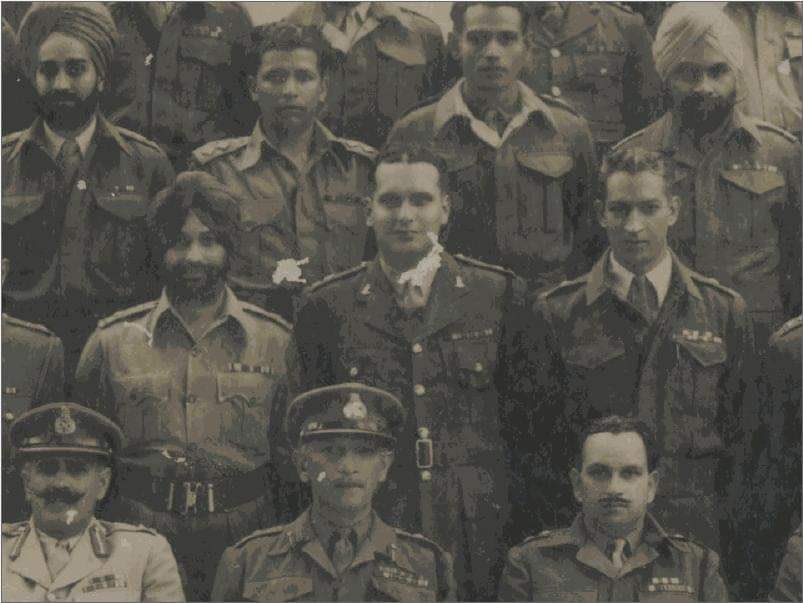
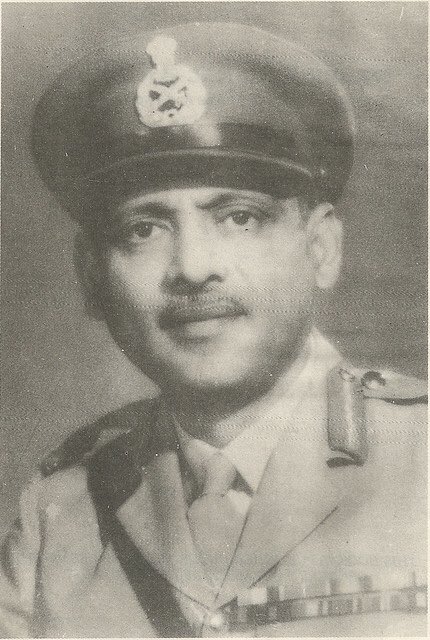


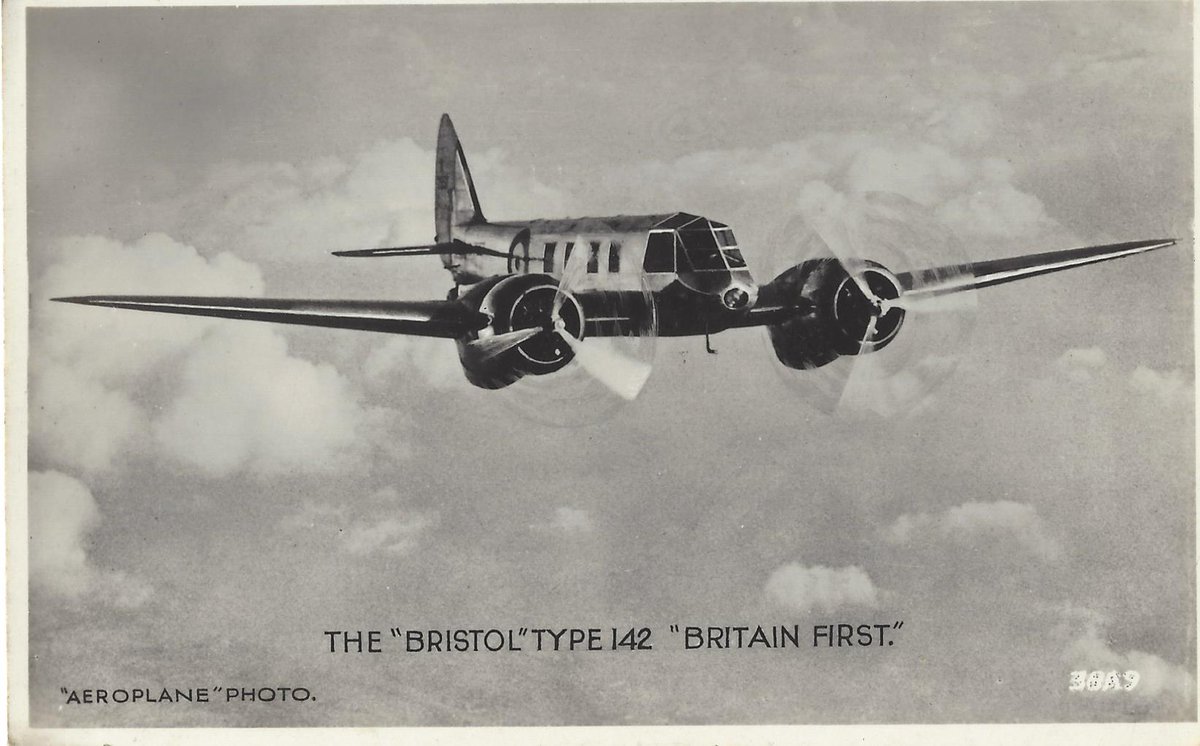
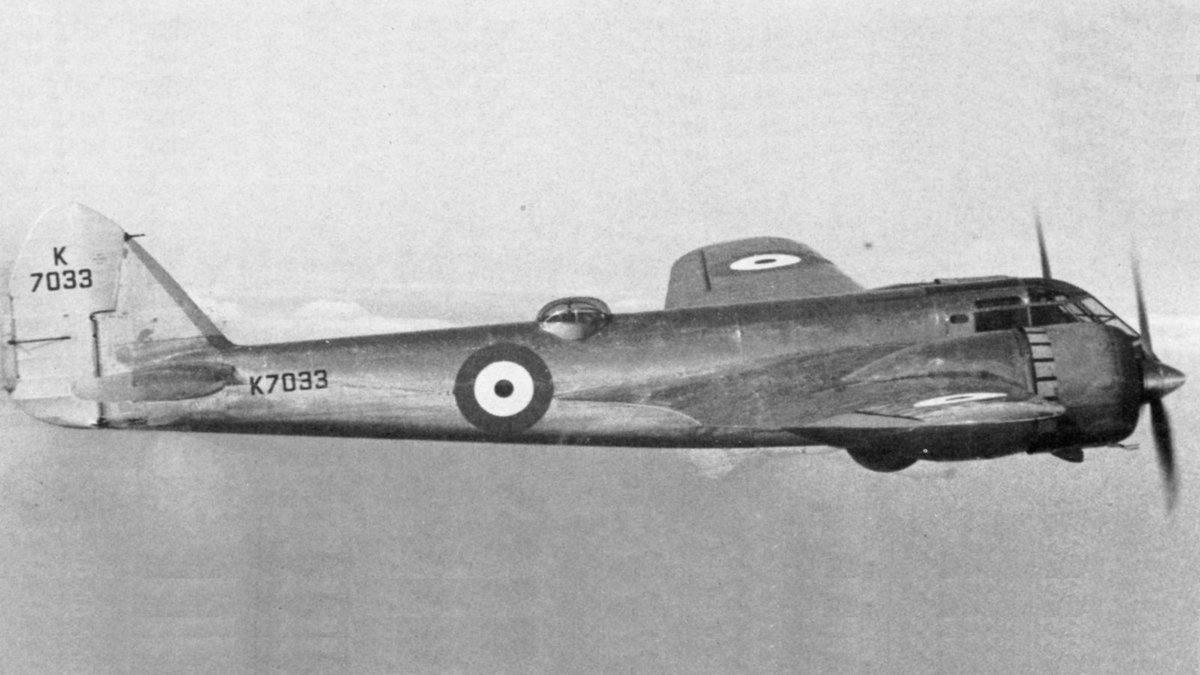

Folks who don't know history just tweet whatever they want.
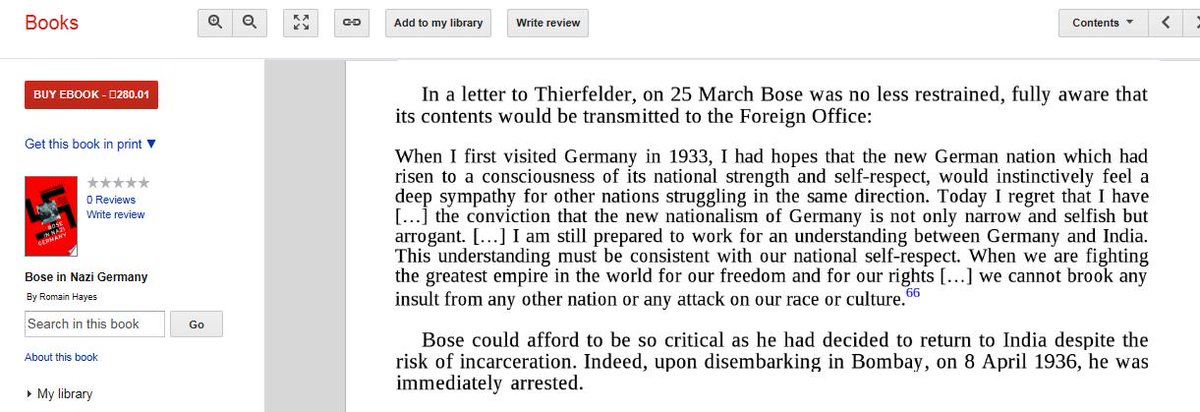
On Feb 1935, Bose attacked the Nazis as he was angry as Indians were described as Sub-Humans in Mein Kampf. The British arrested Bose in April 1936, because he insulted the Nazis.
#Thread
The West at this point had a soft spot for the Nazis. France, Great Britain, Netherlands, Poland all gave the Nazi Salute during the 1936 Olympics in Berlin.
Even during the Spanish Civil War (1936 - 1939), the Western powers observed neutrality as the Fascists rose in Spain.
In 1937, Hitler told British Foreign Secretary Lord Halifax that one of his fav movies was ‘The Lives of a Bengal Lancer’. Why?
‘The Lives of a Bengal Lancer’ depicted a handful of "superior race" Brits holding sway over an entire Indian subcontinent (Sub-Humans).
"Shoot Gandhi. If necessary, shoot more Congress Leaders (Nehru & Bose)."
- Hitler to Lord Halifax, Britain's Foreign Secretary
This statement by Hitler in 1937 angered many pro-Leftist leaders of the INC including Bose.
Bose reached London in Jan 1938, and he met many leaders of the British Labour Party including Attlee.
1938 & 1939 were two huge years for the Indian National Congress. As i always say, the 10-year phase from 1938 - 1948 shaped modern India and it began in 1938 Haripura session.
On Feb 1935, Bose attacked the Nazis as he was angry as Indians were described as Sub-Humans in Mein Kampf. The British arrested Bose in April 1936, because he insulted the Nazis.
#Thread
So Neta ji actually believed the Nazis could deliver freedom to India & its people?
— SonaliRanade (@sonaliranade) January 23, 2021
How can thinking Indians accept and eulogise such a gross error of judgement on the part of Bose is simply beyond me.
Not wonder Charlatans con us in the name of faux patriotism.
The West at this point had a soft spot for the Nazis. France, Great Britain, Netherlands, Poland all gave the Nazi Salute during the 1936 Olympics in Berlin.
Even during the Spanish Civil War (1936 - 1939), the Western powers observed neutrality as the Fascists rose in Spain.
In 1937, Hitler told British Foreign Secretary Lord Halifax that one of his fav movies was ‘The Lives of a Bengal Lancer’. Why?
‘The Lives of a Bengal Lancer’ depicted a handful of "superior race" Brits holding sway over an entire Indian subcontinent (Sub-Humans).
"Shoot Gandhi. If necessary, shoot more Congress Leaders (Nehru & Bose)."
- Hitler to Lord Halifax, Britain's Foreign Secretary
This statement by Hitler in 1937 angered many pro-Leftist leaders of the INC including Bose.
Bose reached London in Jan 1938, and he met many leaders of the British Labour Party including Attlee.
1938 & 1939 were two huge years for the Indian National Congress. As i always say, the 10-year phase from 1938 - 1948 shaped modern India and it began in 1938 Haripura session.
You May Also Like

Keep dwelling on this:
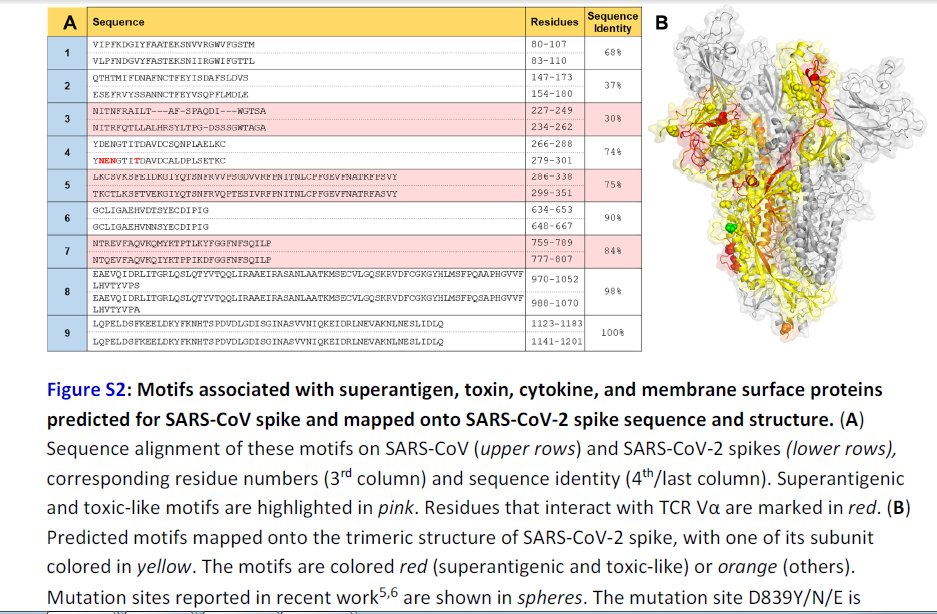
Further Examination of the Motif near PRRA Reveals Close Structural Similarity to the SEB Superantigen as well as Sequence Similarities to Neurotoxins and a Viral SAg.
The insertion PRRA together with 7 sequentially preceding residues & succeeding R685 (conserved in β-CoVs) form a motif, Y674QTQTNSPRRAR685, homologous to those of neurotoxins from Ophiophagus (cobra) and Bungarus genera, as well as neurotoxin-like regions from three RABV strains
(20) (Fig. 2D). We further noticed that the same segment bears close similarity to the HIV-1 glycoprotein gp120 SAg motif F164 to V174.
https://t.co/EwwJOSa8RK
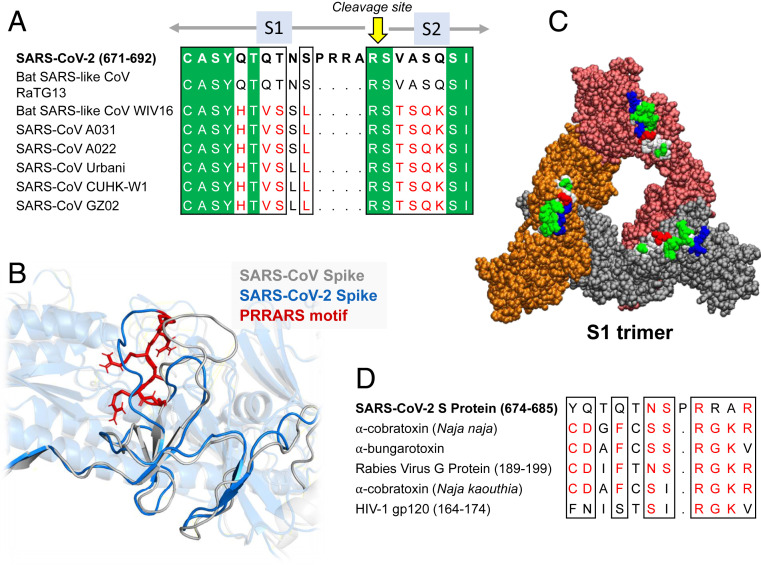
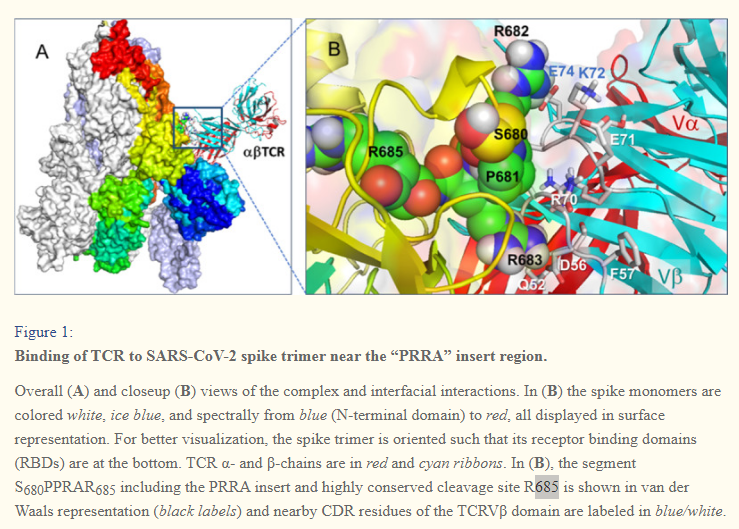
In (B), the segment S680PPRAR685 including the PRRA insert and highly conserved cleavage site *R685* is shown in van der Waals representation (black labels) and nearby CDR residues of the TCRVβ domain are labeled in blue/white
https://t.co/BsY8BAIzDa
Sequence Identity %
https://t.co/BsY8BAIzDa
Y674 - QTQTNSPRRA - R685
Similar to neurotoxins from Ophiophagus (cobra) & Bungarus genera & neurotoxin-like regions from three RABV strains
T678 - NSPRRA- R685
Superantigenic core, consistently aligned against bacterial or viral SAgs
Further Examination of the Motif near PRRA Reveals Close Structural Similarity to the SEB Superantigen as well as Sequence Similarities to Neurotoxins and a Viral SAg.
The insertion PRRA together with 7 sequentially preceding residues & succeeding R685 (conserved in β-CoVs) form a motif, Y674QTQTNSPRRAR685, homologous to those of neurotoxins from Ophiophagus (cobra) and Bungarus genera, as well as neurotoxin-like regions from three RABV strains
(20) (Fig. 2D). We further noticed that the same segment bears close similarity to the HIV-1 glycoprotein gp120 SAg motif F164 to V174.
https://t.co/EwwJOSa8RK
In (B), the segment S680PPRAR685 including the PRRA insert and highly conserved cleavage site *R685* is shown in van der Waals representation (black labels) and nearby CDR residues of the TCRVβ domain are labeled in blue/white
https://t.co/BsY8BAIzDa
Sequence Identity %
https://t.co/BsY8BAIzDa
Y674 - QTQTNSPRRA - R685
Similar to neurotoxins from Ophiophagus (cobra) & Bungarus genera & neurotoxin-like regions from three RABV strains
T678 - NSPRRA- R685
Superantigenic core, consistently aligned against bacterial or viral SAgs








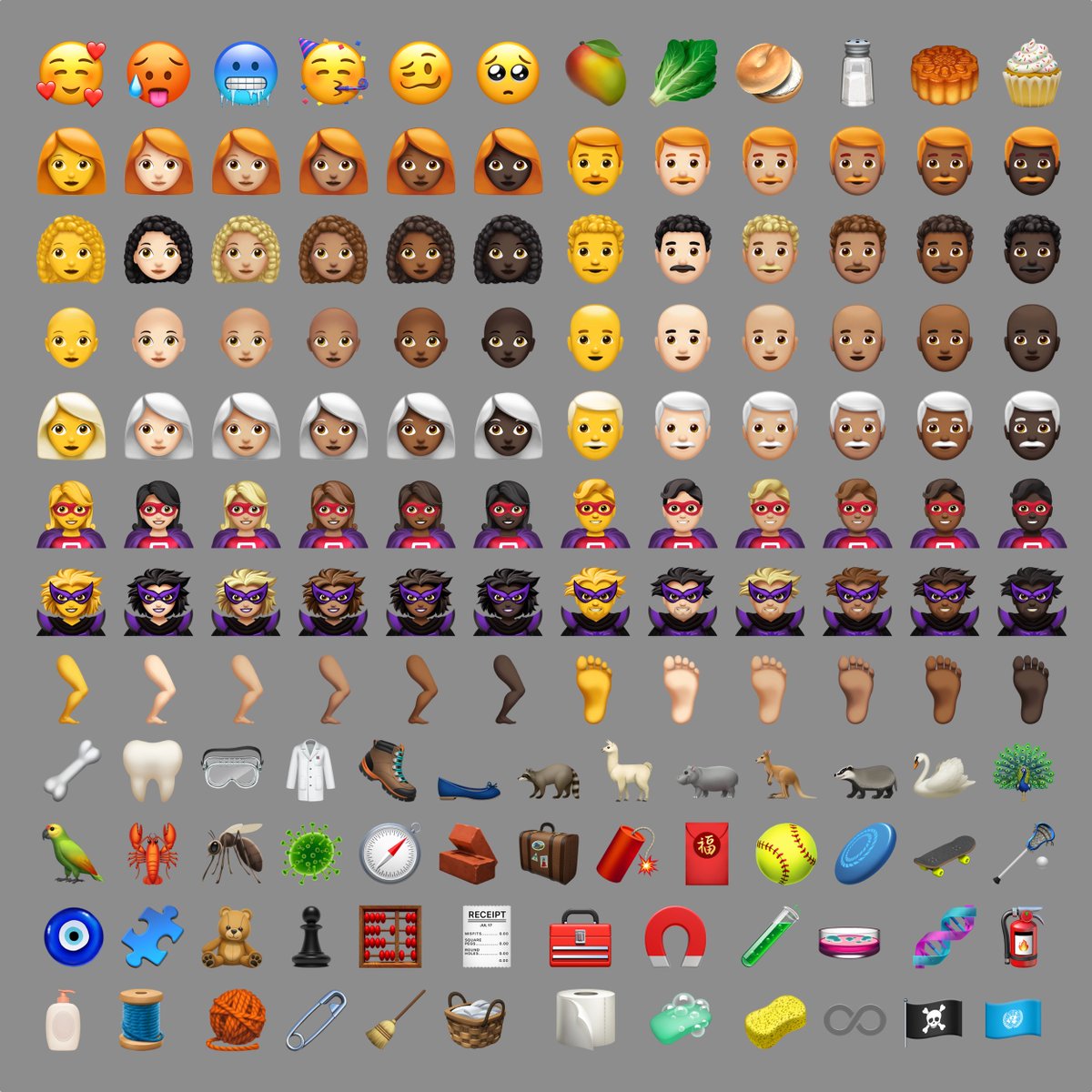
✨📱 iOS 12.1 📱✨
🗓 Release date: October 30, 2018
📝 New Emojis: 158
https://t.co/bx8XjhiCiB
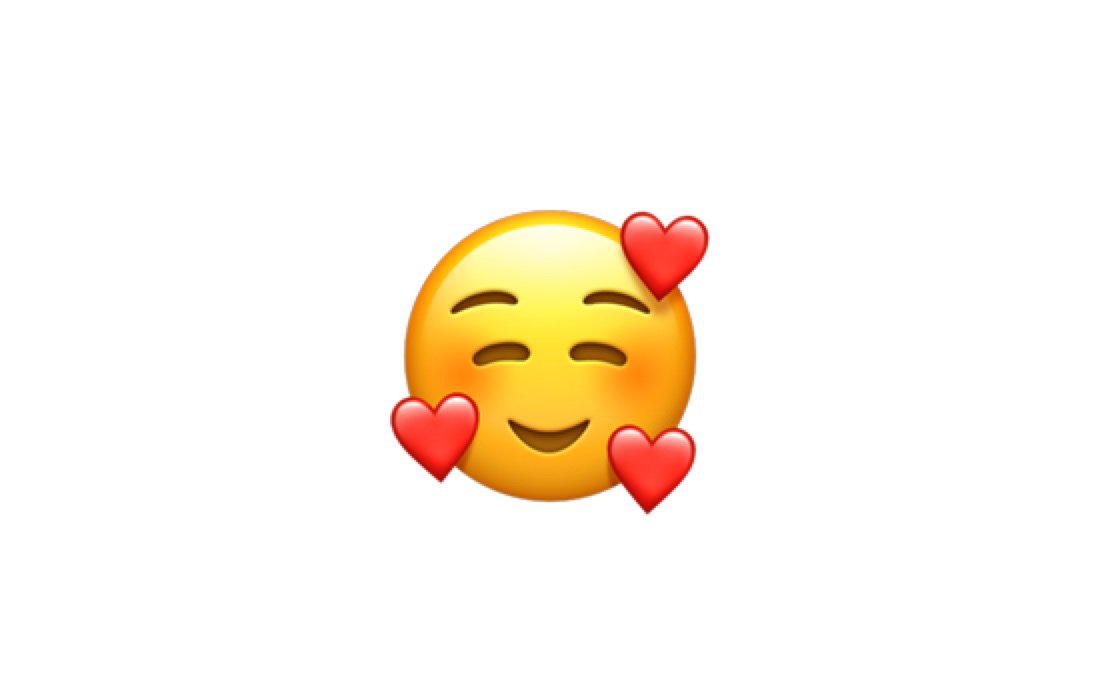
New in iOS 12.1: 🥰 Smiling Face With 3 Hearts https://t.co/6eajdvueip
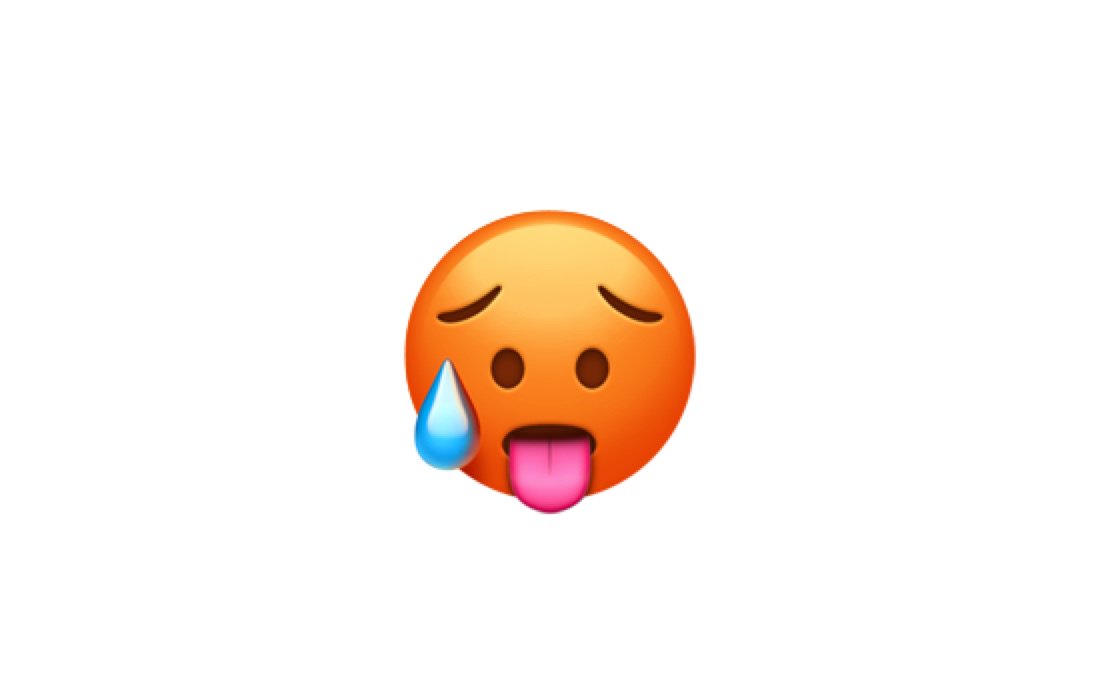
New in iOS 12.1: 🥵 Hot Face https://t.co/jhTv1elltB
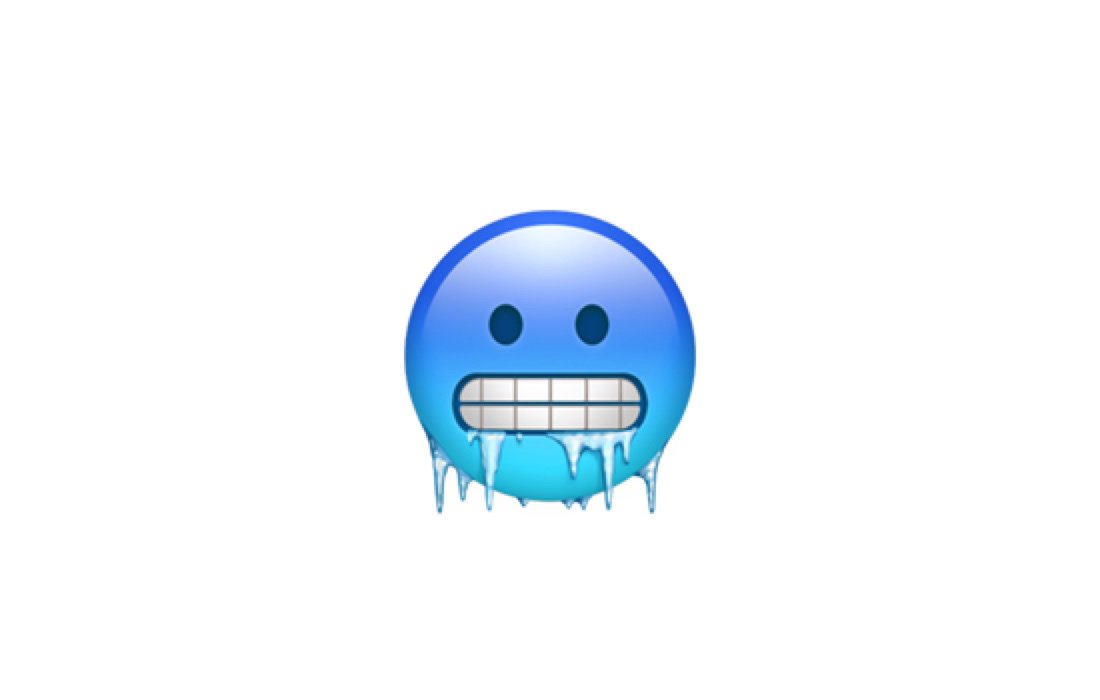
New in iOS 12.1: 🥶 Cold Face https://t.co/EIjyl6yZrF
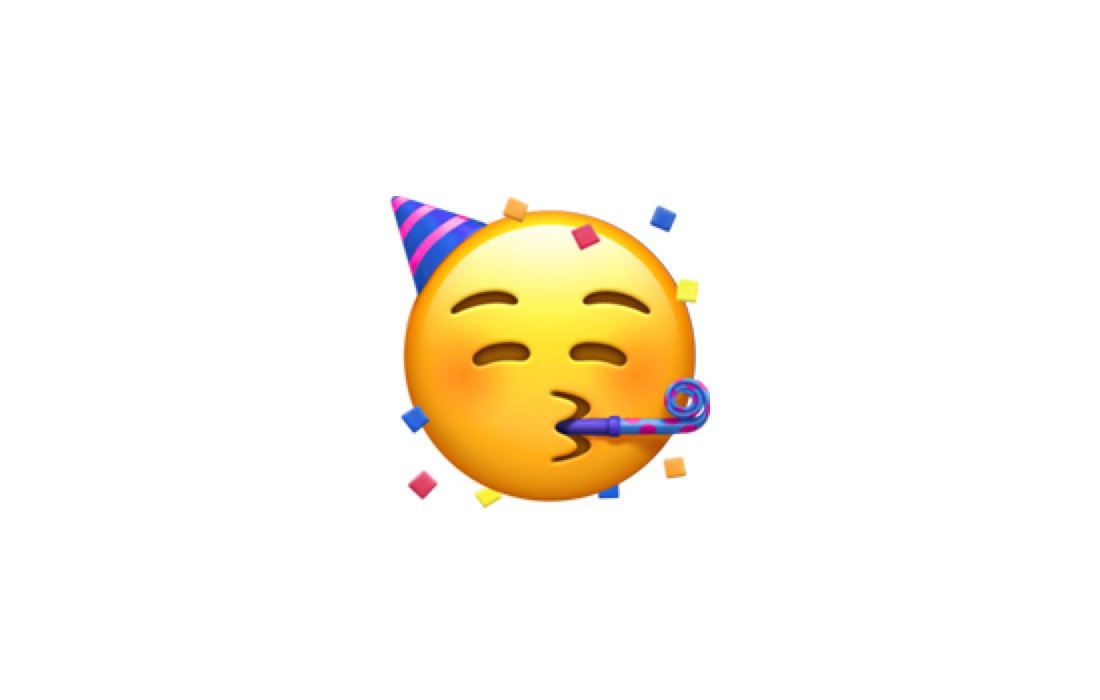
New in iOS 12.1: 🥳 Partying Face https://t.co/p8FDNEQ3LJ
🗓 Release date: October 30, 2018
📝 New Emojis: 158
https://t.co/bx8XjhiCiB
New in iOS 12.1: 🥰 Smiling Face With 3 Hearts https://t.co/6eajdvueip
New in iOS 12.1: 🥵 Hot Face https://t.co/jhTv1elltB
New in iOS 12.1: 🥶 Cold Face https://t.co/EIjyl6yZrF
New in iOS 12.1: 🥳 Partying Face https://t.co/p8FDNEQ3LJ