Minister @DrZweliMkhize committs to uploading MAC Vaccine ADVISORIES by end of briefing. Commits to urgency and expediting availability.
#Vaccines
#nocovidmonopolies
#1Country1Plan
The Sunday that keeps getting weirder ... very odd charge against CSO groups.
— Fatima Hassan (@_HassanF) January 3, 2021
We need transparency.#1Country1Plan
Please @GovernmentZA -
get comms expert advice and support.
Now for 6.30...https://t.co/AcG6APtmsZ pic.twitter.com/UY1YMhwJRn
@tianjohnson
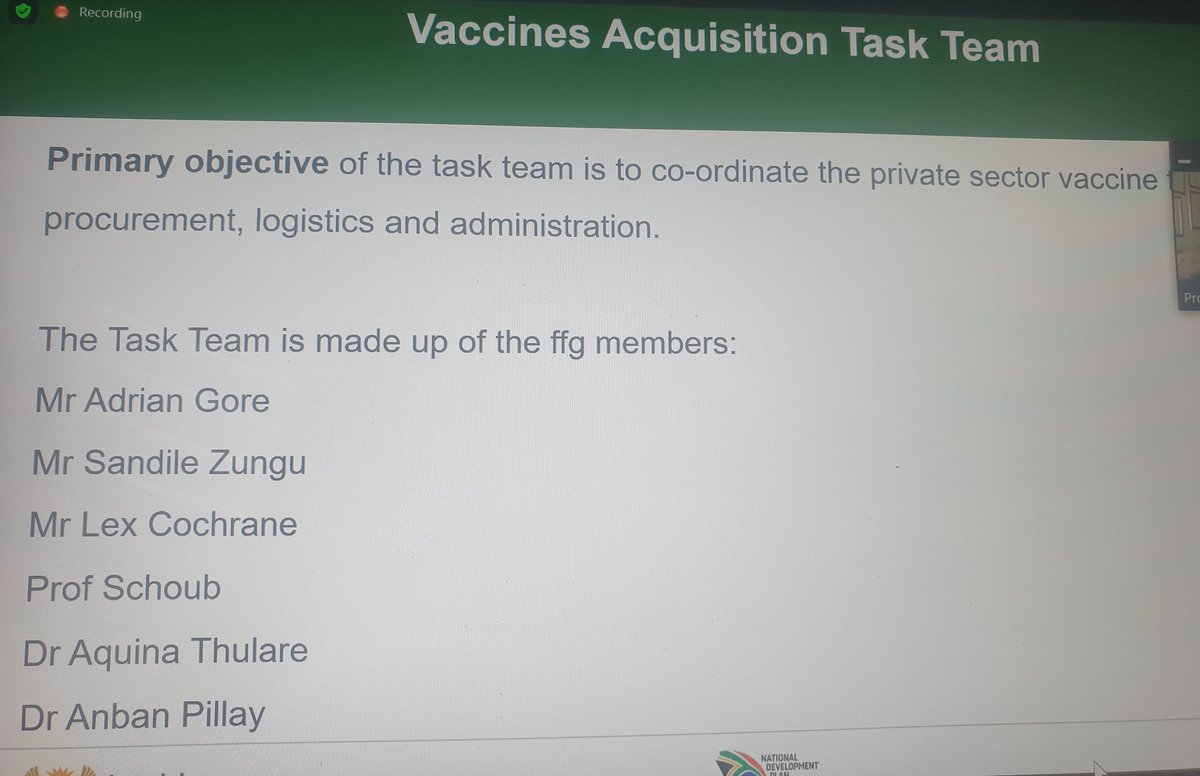
2.outreach / mobile, PHCs
3.vaccination centres for remote areas too.
-where is @CompComSA to review prices BEFORE? OTHERWISE PANDEMIC gouging will happen).
(NDAs with public money is shameful!)
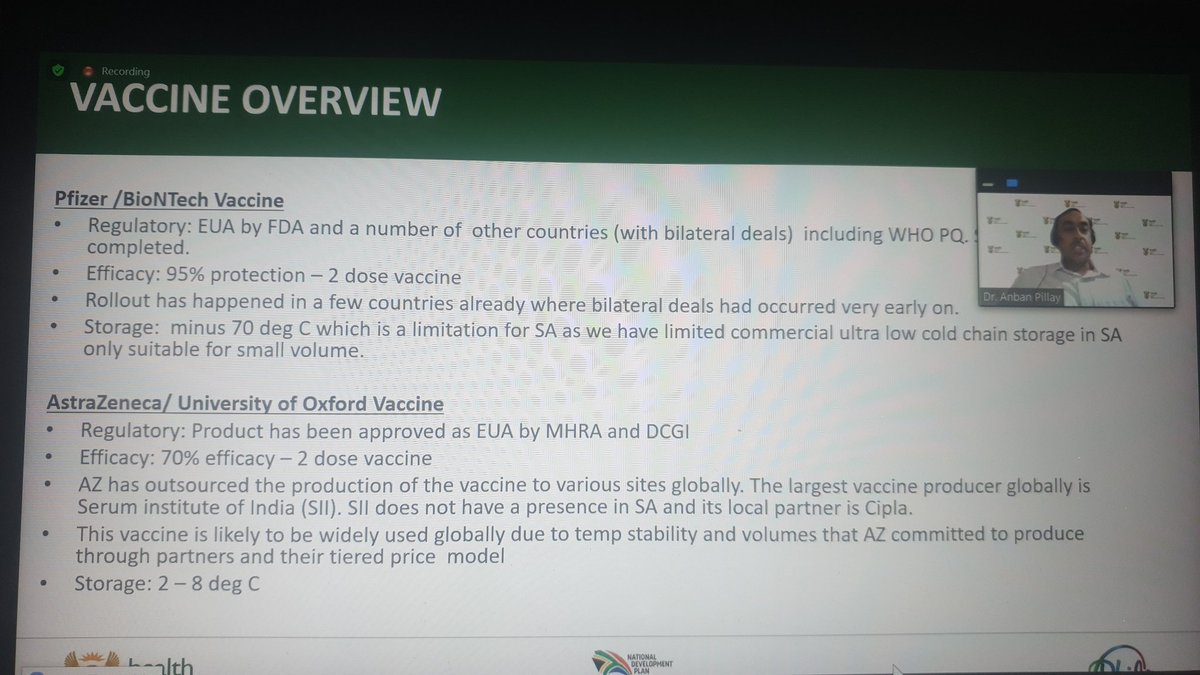
So, we wait (not critique).
And expect 2nd Q 2021.
(Hence, deadline as I said before, was a big fat red herring...)
Who pays the COVAX balance of payment?
Where are the many women business leaders?
So we not pursuing price control or patent restrictions - phrma triumphs?
Oh my.
Why coudn't @GovernmentZA simply reply *in writing* to a letter asking these very questions from mid-Nov 2020 by @HealthJusticeIn ...major state capacity issues...
#nopandemicgouging
Over to drug companies to PROVE PRICE IS CORRECT. Share data & either way, remember Dischem/Babelegi.
Hope @HealthZA gives a briefing every 3 to 5 days until roll out is complete.
We need info, not whispers...
@GCISMedia
Big black box.
Cost: approx ZAR 2 BILL.
NO JUSTIFICATION for rich countries to hoard vaccines, 'release it'. And 'we fight behind the scenes'.
I hope @pfizer @JNJNews @aspenpharma @CiplaRSA @AstraZeneca @UniofOxford @BioNTech_Group and others are listening.
South Africans are tired of waiting, of paying too much, of being blocked.
Salute HCWs.
@HealthZA
@the_dti
Why?
We did warn. Months ago.
... seems like we did get #1country1plan through agreed upon national allocation *approach* that follows a triage system...
(Not a plan, cos I don't see it in writing, nor tabled in @ParliamentofRSA ! )
At present, slides and national presser.
☕
Help out at @HealthZA and
@SAHPRA1
Laws needed to PRICE ASSESS BEFORE WE SPEND THE MONEY.
Justify the price, or price variations. Prove it is low or no profit. And, not time bound.
More from Health

You gotta think about this one carefully!
Imagine you go to the doctor and get tested for a rare disease (only 1 in 10,000 people get it.)
The test is 99% effective in detecting both sick and healthy people.
Your test comes back positive.
Are you really sick? Explain below 👇
The most complete answer from every reply so far is from Dr. Lena. Thanks for taking the time and going through
You can get the answer using Bayes' theorem, but let's try to come up with it in a different —maybe more intuitive— way.
👇
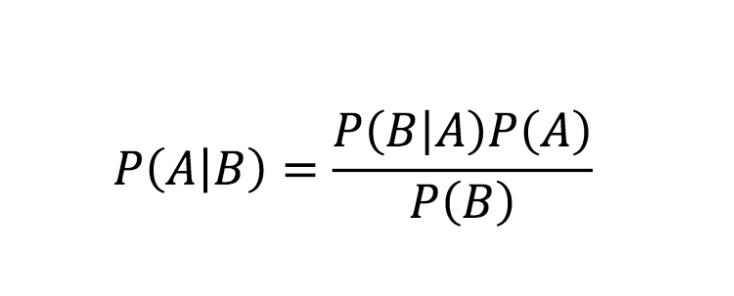
Here is what we know:
- Out of 10,000 people, 1 is sick
- Out of 100 sick people, 99 test positive
- Out of 100 healthy people, 99 test negative
Assuming 1 million people take the test (including you):
- 100 of them are sick
- 999,900 of them are healthy
👇
Let's now test both groups, starting with the 100 people sick:
▫️ 99 of them will be diagnosed (correctly) as sick (99%)
▫️ 1 of them is going to be diagnosed (incorrectly) as healthy (1%)
👇
Imagine you go to the doctor and get tested for a rare disease (only 1 in 10,000 people get it.)
The test is 99% effective in detecting both sick and healthy people.
Your test comes back positive.
Are you really sick? Explain below 👇
The most complete answer from every reply so far is from Dr. Lena. Thanks for taking the time and going through
Really doesn\u2019t fit well in a tweet. pic.twitter.com/xN0pAyniFS
— Dr. Lena Sugar \U0001f3f3\ufe0f\u200d\U0001f308\U0001f1ea\U0001f1fa\U0001f1ef\U0001f1f5 (@_jvs) February 18, 2021
You can get the answer using Bayes' theorem, but let's try to come up with it in a different —maybe more intuitive— way.
👇
Here is what we know:
- Out of 10,000 people, 1 is sick
- Out of 100 sick people, 99 test positive
- Out of 100 healthy people, 99 test negative
Assuming 1 million people take the test (including you):
- 100 of them are sick
- 999,900 of them are healthy
👇
Let's now test both groups, starting with the 100 people sick:
▫️ 99 of them will be diagnosed (correctly) as sick (99%)
▫️ 1 of them is going to be diagnosed (incorrectly) as healthy (1%)
👇


You May Also Like

THREAD PART 1.
On Sunday 21st June, 14 year old Noah Donohoe left his home to meet his friends at Cave Hill Belfast to study for school. #RememberMyNoah💙
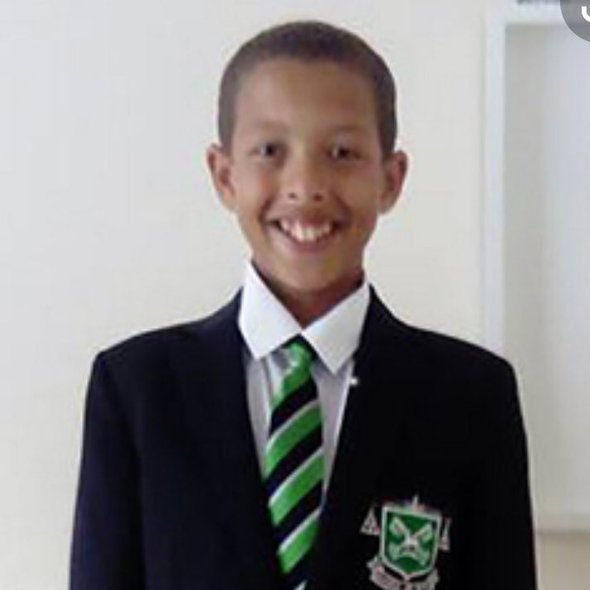
He was on his black Apollo mountain bike, fully dressed, wearing a helmet and carrying a backpack containing his laptop and 2 books with his name on them. He also had his mobile phone with him.
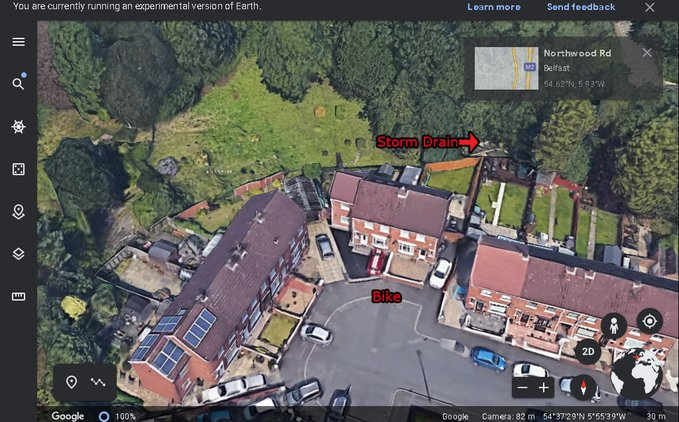
On the 27th of June. Noah's naked body was sadly discovered 950m inside a storm drain, between access points. This storm drain was accessible through an area completely unfamiliar to him, behind houses at Northwood Road. https://t.co/bpz3Rmc0wq
"Noah's body was found by specially trained police officers between two drain access points within a section of the tunnel running under the Translink access road," said Mr McCrisken."
Noah's bike was also found near a house, behind a car, in the same area. It had been there for more than 24 hours before a member of public who lived in the street said she read reports of a missing child and checked the bike and phoned the police.
On Sunday 21st June, 14 year old Noah Donohoe left his home to meet his friends at Cave Hill Belfast to study for school. #RememberMyNoah💙
He was on his black Apollo mountain bike, fully dressed, wearing a helmet and carrying a backpack containing his laptop and 2 books with his name on them. He also had his mobile phone with him.
On the 27th of June. Noah's naked body was sadly discovered 950m inside a storm drain, between access points. This storm drain was accessible through an area completely unfamiliar to him, behind houses at Northwood Road. https://t.co/bpz3Rmc0wq
"Noah's body was found by specially trained police officers between two drain access points within a section of the tunnel running under the Translink access road," said Mr McCrisken."
Noah's bike was also found near a house, behind a car, in the same area. It had been there for more than 24 hours before a member of public who lived in the street said she read reports of a missing child and checked the bike and phoned the police.