
He notes how big data, the internet of things, and other innovative solutions could help New Yorkers address real challenges.
The GovLab's Stefaan Verhulst will be testifying on smart city oversight before the NYC Council's Committee on Technology at 1:00 PM. You can watch him and the other witnesses live in Virtual Room 2 at:
He notes how big data, the internet of things, and other innovative solutions could help New Yorkers address real challenges.
He notes his focus will be on the city's work in Internet of Things, where NYC leads nationally and internationally.
"Equitable connectivity is a foundation of the smart city. Widespread broadband is needed to connect the tools and sensors that make up IoT."
Farmer: This problem has been created over decades. The Internet Master Plan is the framework for response. In February, we'll be releasing an RFP for universal broadband that will invite in everyone.
Farmer: Mayor has said 2025 is a target but this problem will be addressed in chunks, a little bit at a time.
Chair: So it will be rolled out in parts of the city piece by piece?
Farmer: Yes.
Farmer: At the core of a smart city is data, hyperlocal data that can be actionable. That's where we've focused during the pandemic, making sure we're more data-driven.
The Chair says there's a need for signs on IoT devices so people know what's outside their homes.
Farmer says that, to put in place 5G, that requires more broadband equipment in more places, such as rooftops and poles.
Farmer says City will work with communities to determine where and how tech can be deployed.
Farmer says the Partnership is ongoing effort by community, non-profit, and private orgs to share data with NYC to aid in COVID-19 response and recovery. More info can be found at: https://t.co/hW1tey591f
He calls for the City to invest in tech to better understand human behavior amid the pandemic.
He references that he previously testified before the committee on the need for data collaboratives, a new form of collaboration beyond the public-private partnership model, in which participants from different sectors exchange their data.
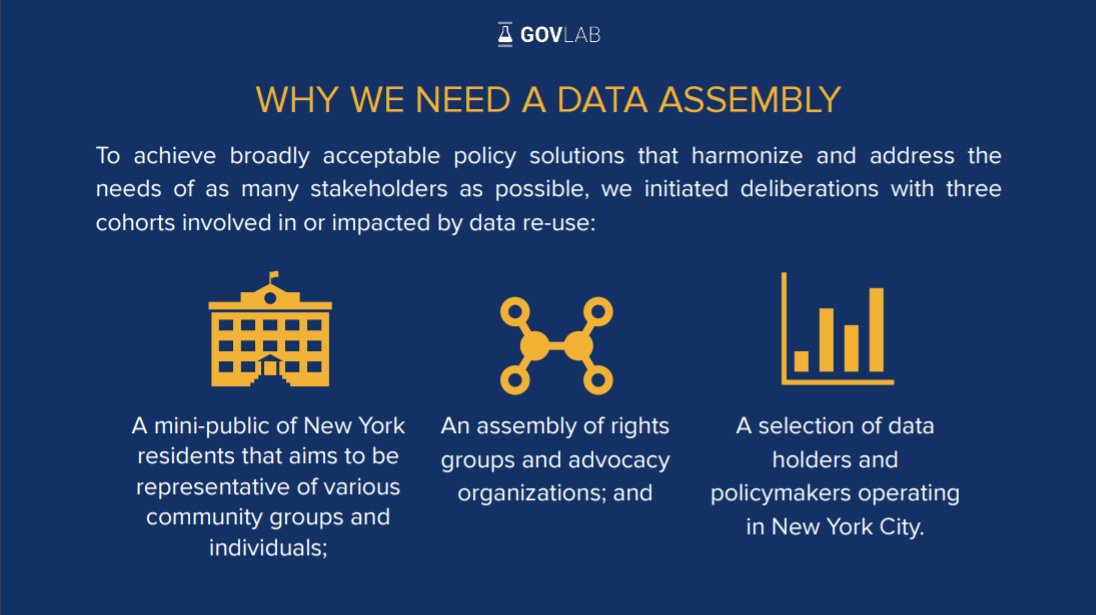
He describes The GovLab's work on The Data Assembly, an initiative to solicit diverse, actionable public input on data re-use.
The analysis revealed several interesting takeaways.
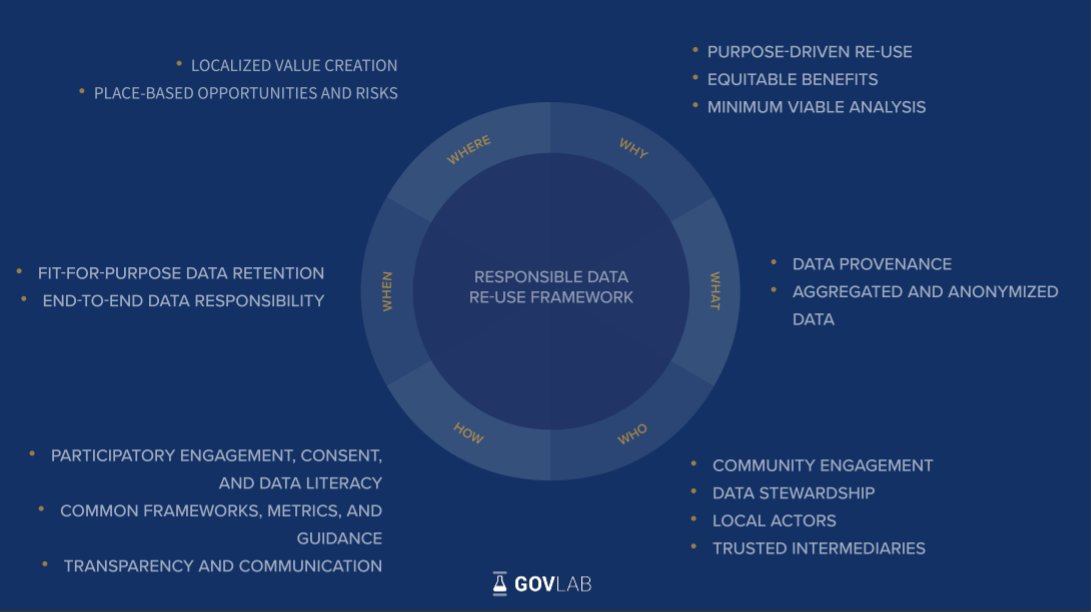
Among the first of these recommendations was the need to invest in data literacy across the public. If people don't understand what data is or how it is used, they cannot be active agents in its
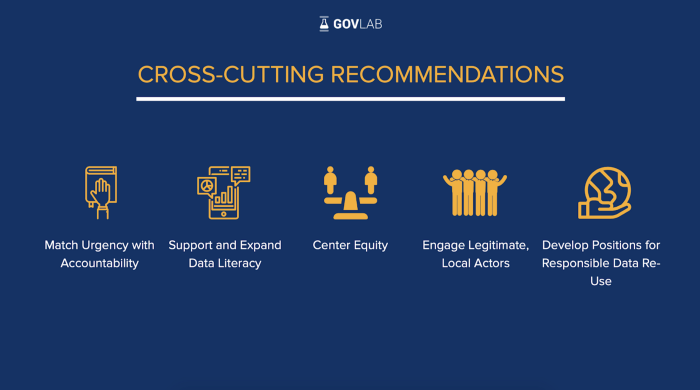
By engaging regularly with the public, the City can promote trust for all its data reuse work, especially amid the pandemic.
He describes some projects that GCOM has engaged in Maryland and elsewhere to promote more "frictionless" interactions with government agencies.
SV answers that there are several ways. One major component of trust-building is providing transparency. People need to know how and why their data is being used by the city.
Deliberation provides a way to understand what makes ppl comfortable and what they seek to happen.
More info can be found at: https://t.co/GjAep5eWHk
Stefaan says NYC is a leader in this area but, like much of the world, city open data is supply-driven. If we combine data supply w/ a understanding of the demand, we can better target work.
Stefaan explains that the term refers to those who are included in datasets agreeing to how data is being used by others. Stat agencies worldwide depend on social license to collect & analyze data
He draws attention to failed smart city efforts in places like Toronto where leaders did not secure public consent before embarking on work. The result was that these projects were canceled amid controversy.
Thank you all who followed along via Twitter. If you are interested in The GovLab's work on the Data Assembly, you can find more information here: https://t.co/1RsFnUD2tV
More from Government




You May Also Like







I'm going to do two history threads on Ethiopia, one on its ancient history, one on its modern story (1800 to today). 🇪🇹
I'll begin with the ancient history ... and it goes way back. Because modern humans - and before that, the ancestors of humans - almost certainly originated in Ethiopia. 🇪🇹 (sub-thread):
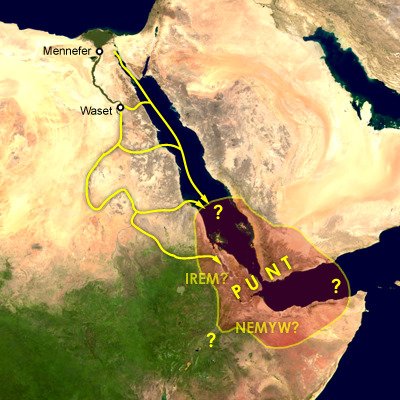
The first likely historical reference to Ethiopia is ancient Egyptian records of trade expeditions to the "Land of Punt" in search of gold, ebony, ivory, incense, and wild animals, starting in c 2500 BC 🇪🇹
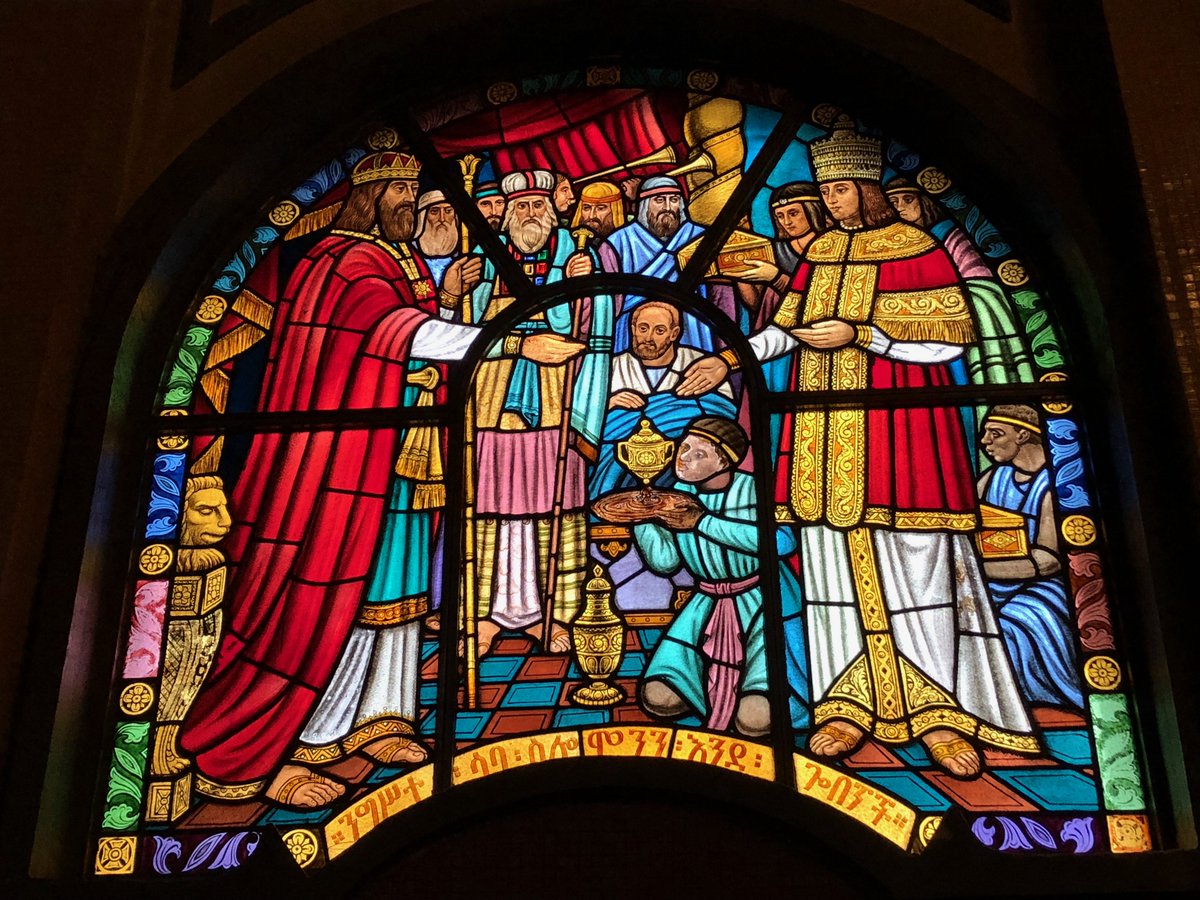
Ethiopians themselves believe that the Queen of Sheba, who visited Israel's King Solomon in the Bible (c 950 BC), came from Ethiopia (not Yemen, as others believe). Here she is meeting Solomon in a stain-glassed window in Addis Ababa's Holy Trinity Church. 🇪🇹
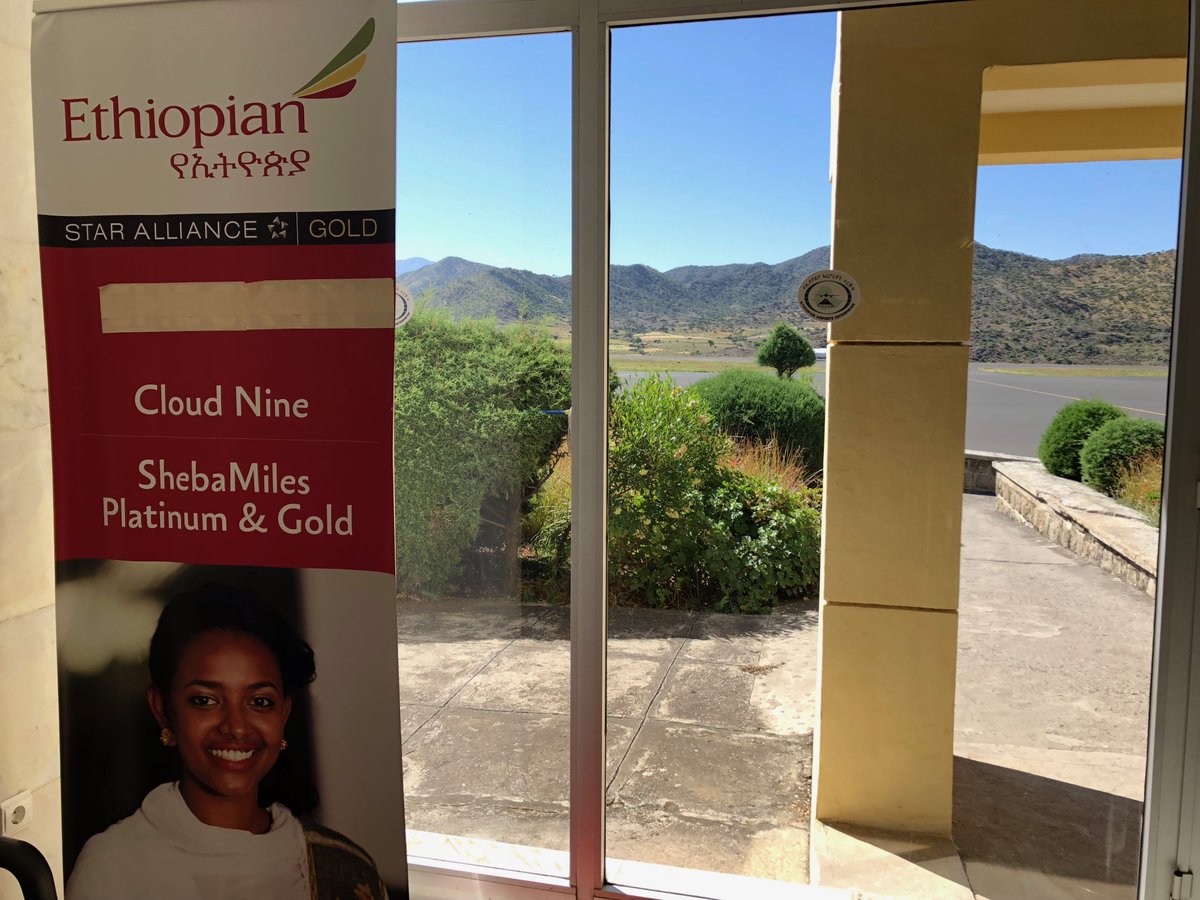
References to the Queen of Sheba are everywhere in Ethiopia. The national airline's frequent flier miles are even called "ShebaMiles". 🇪🇹
I'll begin with the ancient history ... and it goes way back. Because modern humans - and before that, the ancestors of humans - almost certainly originated in Ethiopia. 🇪🇹 (sub-thread):
The famous \u201cLucy\u201d, an early ancestor of modern humans (Australopithecus) that lived 3.2 million years ago, and was discovered in 1974 in Ethiopia, displayed in the national museum in Addis Ababa \U0001f1ea\U0001f1f9 pic.twitter.com/N3oWqk1SW2
— Patrick Chovanec (@prchovanec) November 9, 2018
The first likely historical reference to Ethiopia is ancient Egyptian records of trade expeditions to the "Land of Punt" in search of gold, ebony, ivory, incense, and wild animals, starting in c 2500 BC 🇪🇹
Ethiopians themselves believe that the Queen of Sheba, who visited Israel's King Solomon in the Bible (c 950 BC), came from Ethiopia (not Yemen, as others believe). Here she is meeting Solomon in a stain-glassed window in Addis Ababa's Holy Trinity Church. 🇪🇹
References to the Queen of Sheba are everywhere in Ethiopia. The national airline's frequent flier miles are even called "ShebaMiles". 🇪🇹

Trading view scanner process -
1 - open trading view in your browser and select stock scanner in left corner down side .
2 - touch the percentage% gain change ( and u can see higest gainer of today)
3. Then, start with 6% gainer to 20% gainer and look charts of everyone in daily Timeframe . (For fno selection u can choose 1% to 4% )
4. Then manually select the stocks which are going to give all time high BO or 52 high BO or already given.
5. U can also select those stocks which are going to give range breakout or already given range BO
6 . If in 15 min chart📊 any stock sustaing near BO zone or after BO then select it on your watchlist
7 . Now next day if any stock show momentum u can take trade in it with RM
This looks very easy & simple but,
U will amazed to see it's result if you follow proper risk management.
I did 4x my capital by trading in only momentum stocks.
I will keep sharing such learning thread 🧵 for you 🙏💞🙏
Keep learning / keep sharing 🙏
@AdityaTodmal
1 - open trading view in your browser and select stock scanner in left corner down side .
2 - touch the percentage% gain change ( and u can see higest gainer of today)
Making thread \U0001f9f5 on trading view scanner by which you can select intraday and btst stocks .
— Vikrant (@Trading0secrets) October 22, 2021
In just few hours (Without any watchlist)
Some manual efforts u have to put on it.
Soon going to share the process with u whenever it will be ready .
"How's the josh?"guys \U0001f57a\U0001f3b7\U0001f483
3. Then, start with 6% gainer to 20% gainer and look charts of everyone in daily Timeframe . (For fno selection u can choose 1% to 4% )
4. Then manually select the stocks which are going to give all time high BO or 52 high BO or already given.
5. U can also select those stocks which are going to give range breakout or already given range BO
6 . If in 15 min chart📊 any stock sustaing near BO zone or after BO then select it on your watchlist
7 . Now next day if any stock show momentum u can take trade in it with RM
This looks very easy & simple but,
U will amazed to see it's result if you follow proper risk management.
I did 4x my capital by trading in only momentum stocks.
I will keep sharing such learning thread 🧵 for you 🙏💞🙏
Keep learning / keep sharing 🙏
@AdityaTodmal