Categories For later read


1. Haafidh Ibn Hajr said, “I asked my Shaikh Siraaj ud deen al-Balqayaanee about Ibn Arabee and he replied quickly he is kaafir (disbeliever)”{Leesaan ul-Meezaan(4/319), another edn (5/213),
Not a reason to takfir great ulamaa for. Just a reason to shut up and go back to playing ps5 and leave the big stuff to the big people.
— Emin (@AReminder0) January 13, 2021
…Tambiyyatul-Ghabee Ilaa Takfeer Ibn Arabee (pg.159)}
2. Muhaddith Baqaa’ee wrote our teacher Haafidh Ibn Hajr and another man called Ibn al-Ameen had a mubaahilah concerning Ibn Arabee. The man said, “If Ibn Arabee is upon misguidance then curse me.”
Haafidh Ibn Hajr said, “Oh Allaah if Ibn Arabee is upon guidance then curse me.” After a few months the man became blind and died during the night.
{Tambiyyatul-Ghabee (pg.136-137)}
3. Haafidh Ibn Daqeeq al-Eed asked Abu Muhammad Izz ud deen Abdul Azeez bin Abdus Salaam as-Silmee ad-Damashqee (660H) about Ibn Arabee and he replied, “Dirty, liar and far from the truth, he opined time was old and he did not consider other peoples private parts to be…
…haraam.”
{al-Wafaa Bal-Wafyaat (4/125) with an authentic chain, Tambiyyatul-Ghabee (pg.138)}


here's a good thought about it
hey this is a really really important thread, if you're a follower of mine i'd really appreciate it if you could read through this https://t.co/6yalBIEotQ
— Goddess of Butterflies (@JuniperTheory) January 17, 2021
and here's another good place to get started on it
[THREAD] https://t.co/Xr5YOxECxp
— Plum, Cat Girl (Festive)\U0001f384 (@BirbBabe) January 17, 2021
this person is saying things about the thread
there's always a lot of stuff vying for yr attention on twitter but try to read this thread, if you can https://t.co/A8PNSgH1LL
— soaked through in digital video (@tvwolfsnake) January 17, 2021
oh jeez did i forget to add part 5 hold on
5. There is no five.https://t.co/dsUDkY4dHa
— Lorxus \U0001f967 (@CoronaCoreanici) January 17, 2021



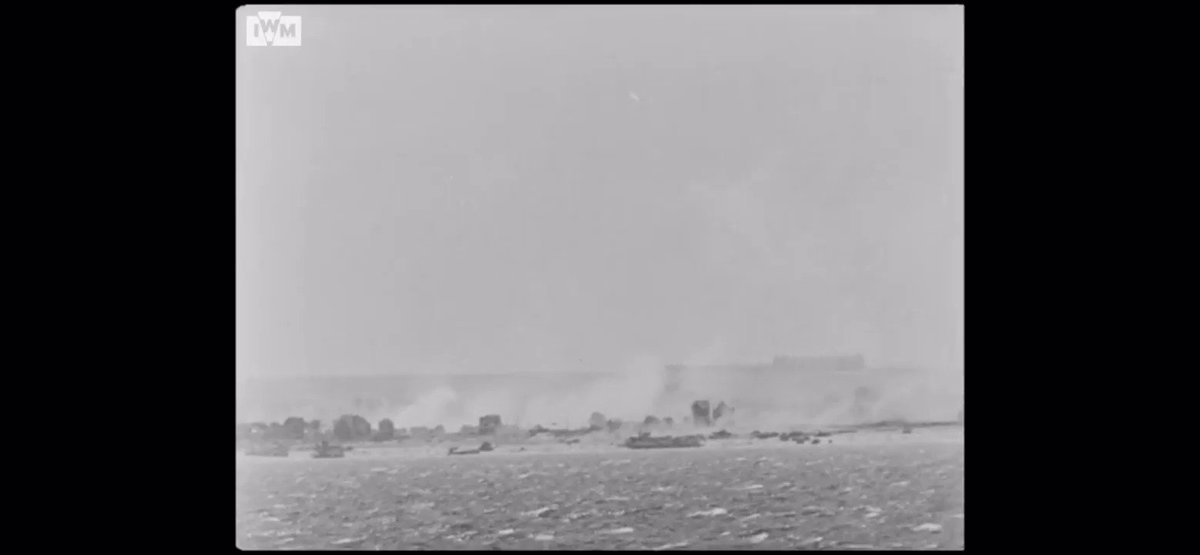
Video- IWM ADM 1258
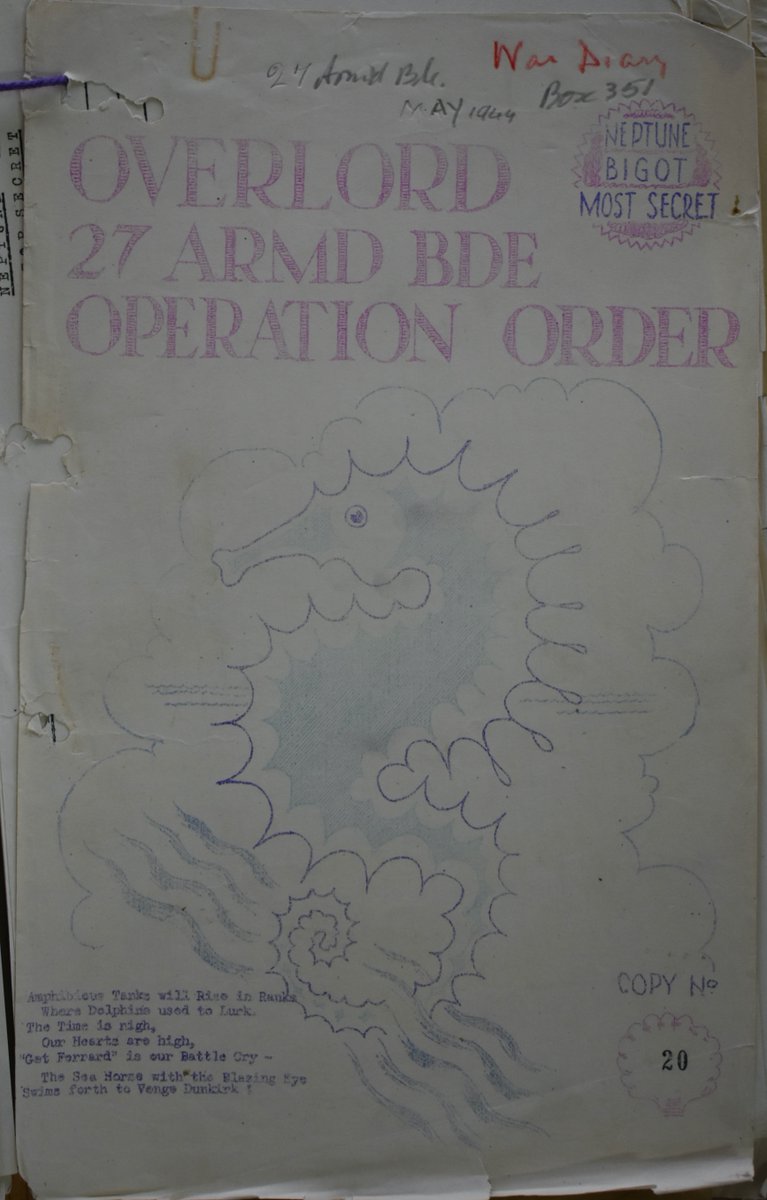
With the use of the 27th Armoured Brigade HQ Diary '44, I had documents of the proposed targets and timings on Force D and how the pre bombardment would go. Its worth remembering Force S could also have their own plan on targets and timings. There is also evidently an overlap.
So which vessels formed Force D and what were there main armaments?
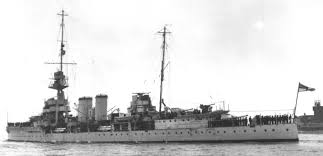
HMS Danae and Dragon both with five 6-inch guns and a 4-inch gun.
Photographs from https://t.co/TLuLXokg0T
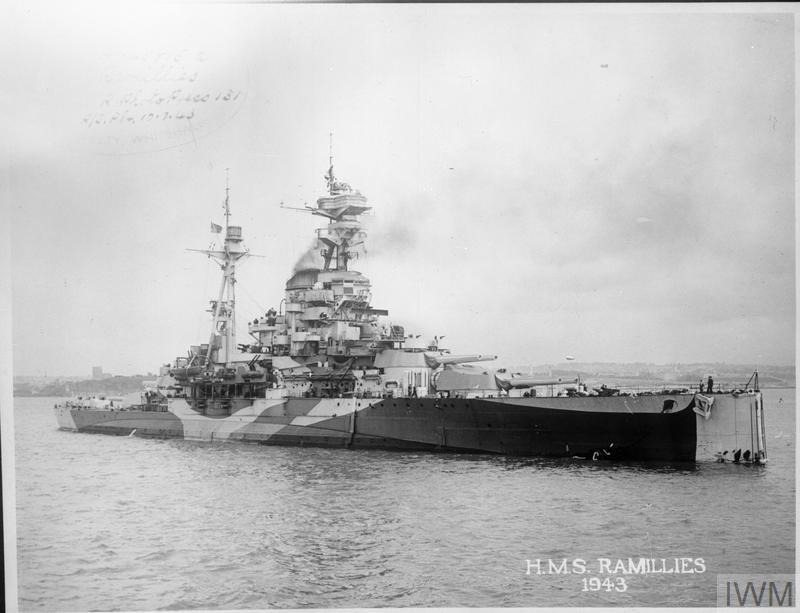
HMS Ramillies with four twin 15-inch guns and fourteen 6-inch guns. Image- IWM FL 9004
HMS Roberts with two 15-inch guns and over 40 anti aircraft guns. Image- IWM FL 3787
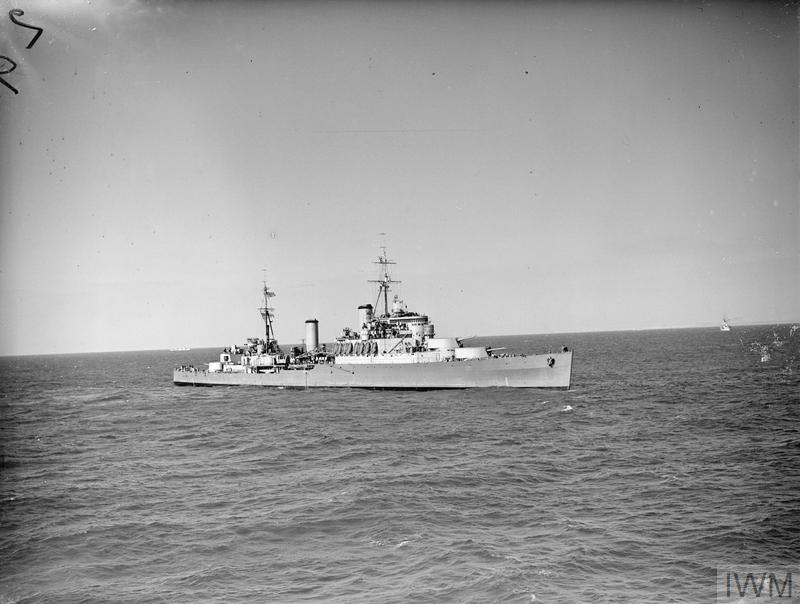
HMS Frobisher with seven 7.5-inch guns. Image- IWM A 24099
HMS Mauritius with twelve 6-inch guns and eight 4-inch guns. Image- IWM A 10614


NET4 India is in insolvency case, and it went out of business. The director is in jail for fraud. Over 3,75,000 domains stuck with them. Their phone lines are off, & email bounces.

I have 15 years old domain stuck with them, and getting transfer out of it seems like a nightmare. Thank god I moved all my domains a long time ago from NET4 to @Godaddy and later moved to @Namecheap.
To transfer your own domain to 3rd party like Namecheap, you need an unlocked domain and auth code. NET4 is out of biz, and their control panel is locked too. Hence no way to get the auth code.
I contacted Namecheap and asked them what to do, and here is what they told me:

Armed with this information, I finally contacted the highest authority using [email protected]. However, these NET4 assholes scrambled and changed whois data, including the address and email IDs of all domains. So it is now next to impossible to verify ownership—such evilness.

I have no words.
Half the @CPC_HQ issued press releases yesterday denouncing Trump as passionately as any Democrat did. For some reason it hasn\u2019t stopped the Media Party from hanging Trump around their necks. https://t.co/sp0biQEyGp
— Ezra Levant \U0001f341 (@ezralevant) January 8, 2021
Sadly @ezralevant needs someone to help him understand more about the US/US politics and what has been unfolding for decades.
Call me Ezra I can help.
1/ Everything that is happening is linked back to the #ClimateCrisis I have been a lifelong #environmentalist & have a #carbonfootprint that would be envy of 99% of greens - I don't subscribe to the Climate Cult. This is why pic.twitter.com/T04GIzr46M
— \U0001f603 unspinthespin \U0001f603 (@unspinthespin) July 20, 2020
1/ The history of and threats to scientific publishing
(Thread) the History & Threats to Scientific Publishing https://t.co/OZCYGD2y3E
— \U0001f603 unspinthespin \U0001f603 (@unspinthespin) October 11, 2020
2/ the reality of fact checkers
(Thread) PolitiFact. So let's take a look at this "venerable" fact checking site to see what we can find.
— \U0001f603 unspinthespin \U0001f603 (@unspinthespin) September 21, 2020
Because goodness knows we can all use some help sifting through the "Fake News"
So is this the answer we have been looking for... or a crock? pic.twitter.com/dNctIwJZs5
3/ How we got here (work in progress)
(THREAD) Henry Kissinger
— \U0001f603 unspinthespin \U0001f603 (@unspinthespin) November 23, 2020
I spoke to my Momma and she said she never suspected that Kissinger was one of the bad guys. She is in her mid 70's.
So let's take a peek at this monster's history pic.twitter.com/CSMPT6Z5Ka






So I have a theory on this. And if I'm right, there's bad news about that acceleration in the overall case trend, and possibly good news about vaccines in the over-80s. WARNING: This is going to be another long, maths-y thread (involving cubic coefficients this time!) https://t.co/EiszSAIL9t
— James Ward (@JamesWard73) January 29, 2021
This is one of those university / job interview 'order of magnitude' estimation problems. So feel free to disagree with any or all steps on my logic chain, and please explain why - it will help improve / refine (or falsify) the analysis.
So let's focus on the primary-school-age kids as that's where the effect is strongest. We have 3.5m 5-9 year-olds in England. I don't know how many were in school on 4th Jan - we know some regions (London / Kent etc.) didn't go back, and a lot of schools had INSET days etc
So I'm going to make a wild guess and say 40% were in school on that day. Better ideas (particularly if backed by data) very welcome. So that's about 1.4m children in school
Now ONS tells us that about 1.5% of that age group would test positive for coronavirus in early January. So that's about 20,000 kids with the virus heading into school.


