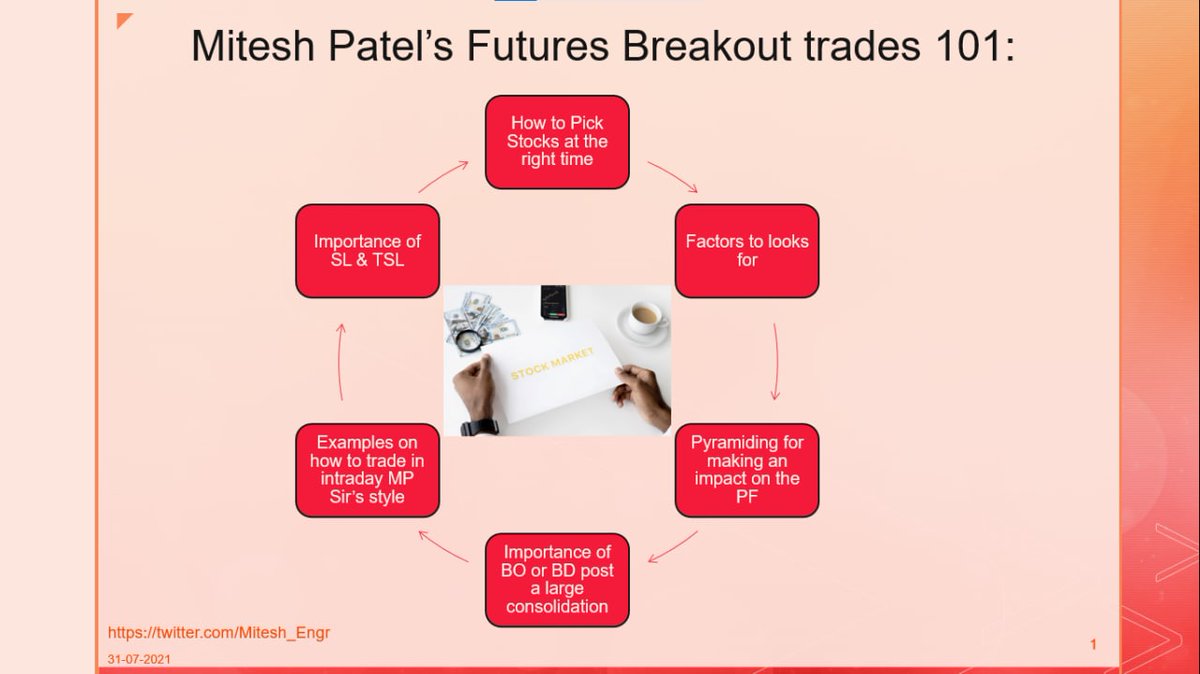
Thinking of the current enterprise I work for, we have specialist in each team that we borrow for project,however, the problem is they say I’m a X specialist so call me when you have a story for me and that it is waste of time to participate in agile ceremonies for the project
More from For later read


Every single public defender. Every single day.
Bail arguments, motions, oral arguments, hearings. Judges don’t know, follow, or care about the law. Prosecutors are willing to take advantage of it. And mandatory minimums, withheld evidence, & pretrial detention coerces people to plead before trial. When theres a jury. A shot.
But defenders still fight. And still win. Most times wins aren’t “Justice.” It’s power of repetition of argument in front of same judges. Introducing those in power to the people they oppress. Not just a RAP sheet or words on a page. Defenders make it harder to be brutal & cruel.
I worked as a public defender at an office as well resourced as any in the country. Social workers, team of investigators, a reentry team, support staff, specialist attorneys in immigration, housing, education, family. Relatively low caseloads (80-100). And yet still injustice.
Most think that balancing the scales of justice means more funding for defenders. Thats part of it. Enough a attorneys to actually be at bail hearings. Wrap around services to be able to help people trapped in the system end up better off in their communities. Lower caseloads.
Raise your hand if you\u2019ve lost a case despite having the law, facts, quality lawyering, and justice on your side.
— Jon Feinberg (@JonFeinberg) February 13, 2021
Bail arguments, motions, oral arguments, hearings. Judges don’t know, follow, or care about the law. Prosecutors are willing to take advantage of it. And mandatory minimums, withheld evidence, & pretrial detention coerces people to plead before trial. When theres a jury. A shot.
But defenders still fight. And still win. Most times wins aren’t “Justice.” It’s power of repetition of argument in front of same judges. Introducing those in power to the people they oppress. Not just a RAP sheet or words on a page. Defenders make it harder to be brutal & cruel.
I worked as a public defender at an office as well resourced as any in the country. Social workers, team of investigators, a reentry team, support staff, specialist attorneys in immigration, housing, education, family. Relatively low caseloads (80-100). And yet still injustice.
Most think that balancing the scales of justice means more funding for defenders. Thats part of it. Enough a attorneys to actually be at bail hearings. Wrap around services to be able to help people trapped in the system end up better off in their communities. Lower caseloads.

the whole point of Dunks was you could go cop them at VIM whenever you wanted for $65. this shit is like having to enter a raffle to buy milk.
like seriously why not make a ton more of them if they're gonna be so sought-after? they land at outlets? so? nike still makes money off that.
the only reason to keep making them so limited is that they KNOW all that matters is the profit on the flip and if they were readily available FEWER people would want them, not more
the whole system is super broken, but it's just gonna go the way it goes, because at this point it all caters to the secondary market. the only reason Nike can sell Jordan 1s for $200 is because the people buying them can flip them for $500
adjusted for inflation, a $65 AJ1 in 1985 is like $160—and modern-day AJ1s are made from cheaper materials in factories staffed by cheaper workers. they don't HAVE to be $200 retail. but the secondary market nuked the whole concept of what sneakers are "worth"
\U0001f91e ONLINE RAFFLE is available from @bodega for the upcoming "UNLV" Nike Dunk Low Retro. Open until 5 PM ET on 2/16.
— Kicks Deals (@KicksDeals) February 15, 2021
\u27a1\ufe0f\u27a1\ufe0f https://t.co/JxJlyPuJVo pic.twitter.com/zenWOCDg4L
like seriously why not make a ton more of them if they're gonna be so sought-after? they land at outlets? so? nike still makes money off that.
the only reason to keep making them so limited is that they KNOW all that matters is the profit on the flip and if they were readily available FEWER people would want them, not more
the whole system is super broken, but it's just gonna go the way it goes, because at this point it all caters to the secondary market. the only reason Nike can sell Jordan 1s for $200 is because the people buying them can flip them for $500
adjusted for inflation, a $65 AJ1 in 1985 is like $160—and modern-day AJ1s are made from cheaper materials in factories staffed by cheaper workers. they don't HAVE to be $200 retail. but the secondary market nuked the whole concept of what sneakers are "worth"