hey this is a really really important thread, if you're a follower of mine i'd really appreciate it if you could read through this https://t.co/6yalBIEotQ
— Goddess of Butterflies (@JuniperTheory) January 17, 2021
A THREAD OF PEOPLE DISCUSSING MY THREAD:
[THREAD] https://t.co/Xr5YOxECxp
— Plum, Cat Girl (Festive)\U0001f384 (@BirbBabe) January 17, 2021
there's always a lot of stuff vying for yr attention on twitter but try to read this thread, if you can https://t.co/A8PNSgH1LL
— soaked through in digital video (@tvwolfsnake) January 17, 2021
5. There is no five.https://t.co/dsUDkY4dHa
— Lorxus \U0001f967 (@CoronaCoreanici) January 17, 2021
A THREAD OF PEOPLE DISCUSSING MY THREAD:
— Heather \u2b22 Flowers (@HTHRFLWRS) January 17, 2021
real shit right here, click thru https://t.co/LlwDg2OCeT
— the illustrious IRIS JAY (@irisjaycomics) January 17, 2021
here's a thread apologizing for this thread. sorry again https://t.co/xV9McJaN60
— Heather \u2b22 Flowers (@HTHRFLWRS) January 17, 2021
here's a cool person talking about my thread https://t.co/puVbnPQuKd
— Heather \u2b22 Flowers (@HTHRFLWRS) January 17, 2021
just a really good lesson for all of us to learn in this thread https://t.co/JWeUQOvWy9
— some dude who hates cops and owns a cool dog (@DocNum4) January 17, 2021
here's another good point https://t.co/b8AqlUpkPC
— Heather \u2b22 Flowers (@HTHRFLWRS) January 17, 2021
and here's another! people are being so nice to me https://t.co/d1MeD7sZgH
— Heather \u2b22 Flowers (@HTHRFLWRS) January 17, 2021
wait no jeez i'm sorry i mean uh https://t.co/4gfMDhSFHP
— Heather \u2b22 Flowers (@HTHRFLWRS) January 17, 2021
george: i'm yearning, jerry!
— Heather \u2b22 Flowers (@HTHRFLWRS) August 26, 2019
jerry: yearning!?
george: yearning, i tell you!
jerry: what, did you get bored of pining?
george: i'm pining and yearning at the same time, jerry!
oh gosh is this the right link oh jeez https://t.co/YXd46kJx3K
— Heather \u2b22 Flowers (@HTHRFLWRS) January 17, 2021
More from For later read







I shared this on my FB page and asked, can ya really blame him?
I was half kidding. I also assumed someone would think of what I did pretty quickly and waiting for the comment to mention what I assumed was obvious.
The timing. I was sure someone else had thought of it.
But no one did. 20+ comments in people discussed the morality or bad sense or libertarian perspectives. Someone even said I’m thinking about doing that. No one said what I thought was obvious. Have you thought of it? Is it obvious to you?
Here’s a clue...recognize it?
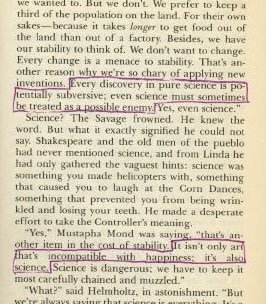
How about this?
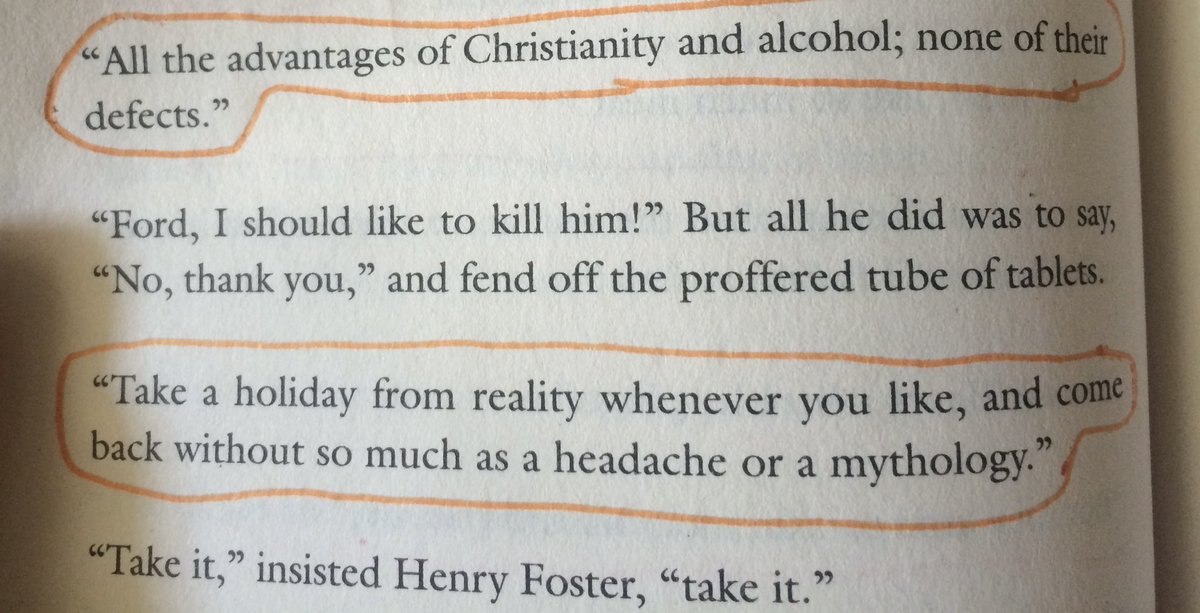
The author discusses it with Mike Wallace in 1958
I was half kidding. I also assumed someone would think of what I did pretty quickly and waiting for the comment to mention what I assumed was obvious.
The timing. I was sure someone else had thought of it.
Columbia professor: I do heroin regularly for 'work-life balance' https://t.co/6aq9cnGfPG pic.twitter.com/3OmmaHKORx
— New York Post (@nypost) February 19, 2021
But no one did. 20+ comments in people discussed the morality or bad sense or libertarian perspectives. Someone even said I’m thinking about doing that. No one said what I thought was obvious. Have you thought of it? Is it obvious to you?
Here’s a clue...recognize it?
How about this?
The author discusses it with Mike Wallace in 1958