

THIS IS ALL SCREEN SHOT OF THE BOOKLET THAT GOES WITH THE VIDEO LINK IS IN THE THREAD


More from For later read





the whole point of Dunks was you could go cop them at VIM whenever you wanted for $65. this shit is like having to enter a raffle to buy milk.
like seriously why not make a ton more of them if they're gonna be so sought-after? they land at outlets? so? nike still makes money off that.
the only reason to keep making them so limited is that they KNOW all that matters is the profit on the flip and if they were readily available FEWER people would want them, not more
the whole system is super broken, but it's just gonna go the way it goes, because at this point it all caters to the secondary market. the only reason Nike can sell Jordan 1s for $200 is because the people buying them can flip them for $500
adjusted for inflation, a $65 AJ1 in 1985 is like $160—and modern-day AJ1s are made from cheaper materials in factories staffed by cheaper workers. they don't HAVE to be $200 retail. but the secondary market nuked the whole concept of what sneakers are "worth"
\U0001f91e ONLINE RAFFLE is available from @bodega for the upcoming "UNLV" Nike Dunk Low Retro. Open until 5 PM ET on 2/16.
— Kicks Deals (@KicksDeals) February 15, 2021
\u27a1\ufe0f\u27a1\ufe0f https://t.co/JxJlyPuJVo pic.twitter.com/zenWOCDg4L
like seriously why not make a ton more of them if they're gonna be so sought-after? they land at outlets? so? nike still makes money off that.
the only reason to keep making them so limited is that they KNOW all that matters is the profit on the flip and if they were readily available FEWER people would want them, not more
the whole system is super broken, but it's just gonna go the way it goes, because at this point it all caters to the secondary market. the only reason Nike can sell Jordan 1s for $200 is because the people buying them can flip them for $500
adjusted for inflation, a $65 AJ1 in 1985 is like $160—and modern-day AJ1s are made from cheaper materials in factories staffed by cheaper workers. they don't HAVE to be $200 retail. but the secondary market nuked the whole concept of what sneakers are "worth"

(1/50)
#Cardano “Understanding Kamali”
#Cardano will be the underpinning of the emergence of Africa.
To grasp the full weight of the SOLUTIONS #Cardano can provide it is pertinent to read “Understanding Africa” as I will draw directly from the PROBLEMS laid out.

(2/50)
Here is a link if you have not already read
(3/50)
What I will attempt to do here, is to create an immersive world for you to be placed in to grasp the weight and size of problems from the ground level and then take a grass-roots approach at solving them using #Cardano and its technology.
(4/50)
As an investor and community member of #Cardano, this should be extremely important to you as you have a stake (pun intended) in this.
“You are paid in direct proportion to the difficulty of the problems you solve” - @elonmusk
(5/50)
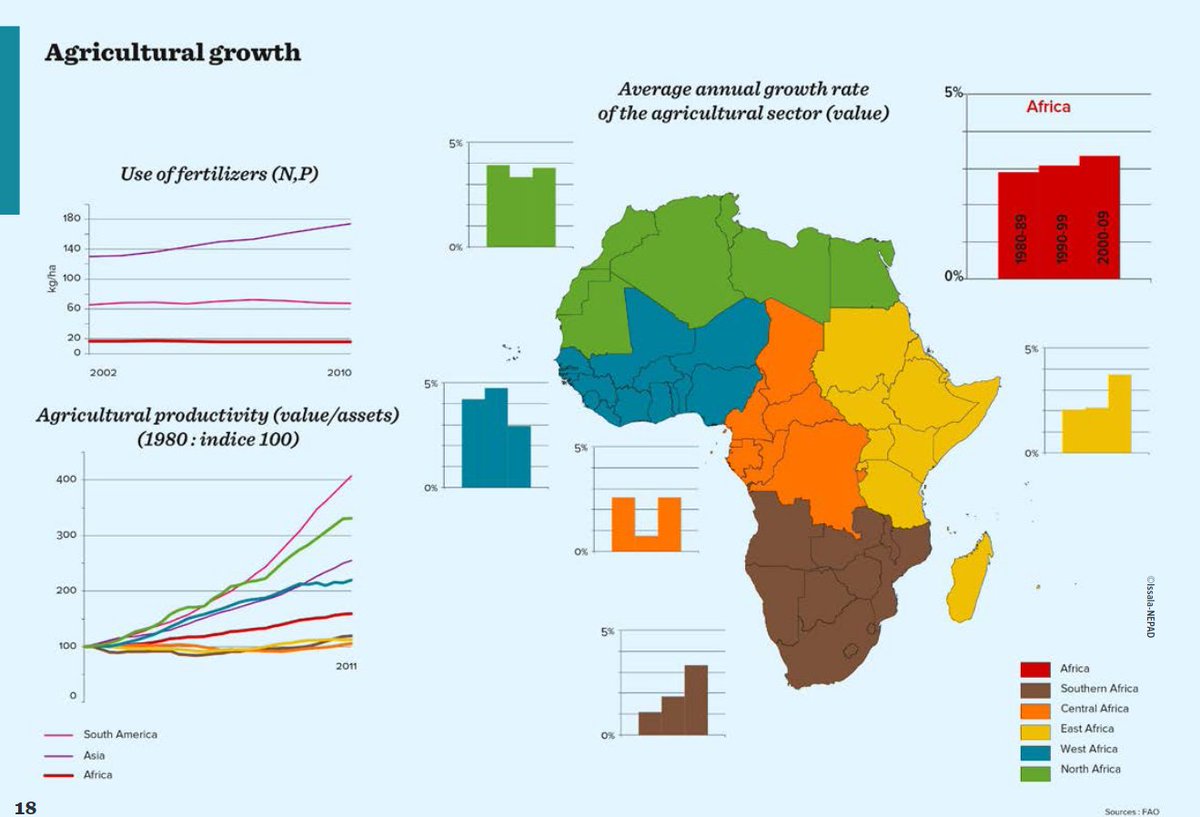
In Africa, agribusiness, more than any other sector, has the potential to reduce poverty and drive economic growth. Agriculture accounts for nearly half of the continent’s gross domestic product and employs 60 percent of the labor force.
#Cardano “Understanding Kamali”
#Cardano will be the underpinning of the emergence of Africa.
To grasp the full weight of the SOLUTIONS #Cardano can provide it is pertinent to read “Understanding Africa” as I will draw directly from the PROBLEMS laid out.
(2/50)
Here is a link if you have not already read
(1/38) #Cardano \u201cUnderstanding Africa\u201d (Part 1 of 2)
— FatCat (@fatcatofcrypto) February 10, 2021
This thread will be split into two parts with the 2nd coming out on Sunday.
Part 1 will layout the pervasive PROBLEMS Africa faces whereas Part 2 will apply direct technologies @InputOutputHK can implement as SOLUTIONS. pic.twitter.com/n3I91bnddq
(3/50)
What I will attempt to do here, is to create an immersive world for you to be placed in to grasp the weight and size of problems from the ground level and then take a grass-roots approach at solving them using #Cardano and its technology.
(4/50)
As an investor and community member of #Cardano, this should be extremely important to you as you have a stake (pun intended) in this.
“You are paid in direct proportion to the difficulty of the problems you solve” - @elonmusk
(5/50)
In Africa, agribusiness, more than any other sector, has the potential to reduce poverty and drive economic growth. Agriculture accounts for nearly half of the continent’s gross domestic product and employs 60 percent of the labor force.
You May Also Like






This is NONSENSE. The people who take photos with their books on instagram are known to be voracious readers who graciously take time to review books and recommend them to their followers. Part of their medium is to take elaborate, beautiful photos of books. Die mad, Guardian.
THEY DO READ THEM, YOU JUDGY, RACOON-PICKED TRASH BIN

If you come for Bookstagram, i will fight you.
In appreciation, here are some of my favourite bookstagrams of my books: (photos by lit_nerd37, mybookacademy, bookswrotemystory, and scorpio_books)

Beautifully read: why bookselfies are all over Instagram https://t.co/pBQA3JY0xm
— Guardian Books (@GuardianBooks) October 30, 2018
THEY DO READ THEM, YOU JUDGY, RACOON-PICKED TRASH BIN
If you come for Bookstagram, i will fight you.
In appreciation, here are some of my favourite bookstagrams of my books: (photos by lit_nerd37, mybookacademy, bookswrotemystory, and scorpio_books)