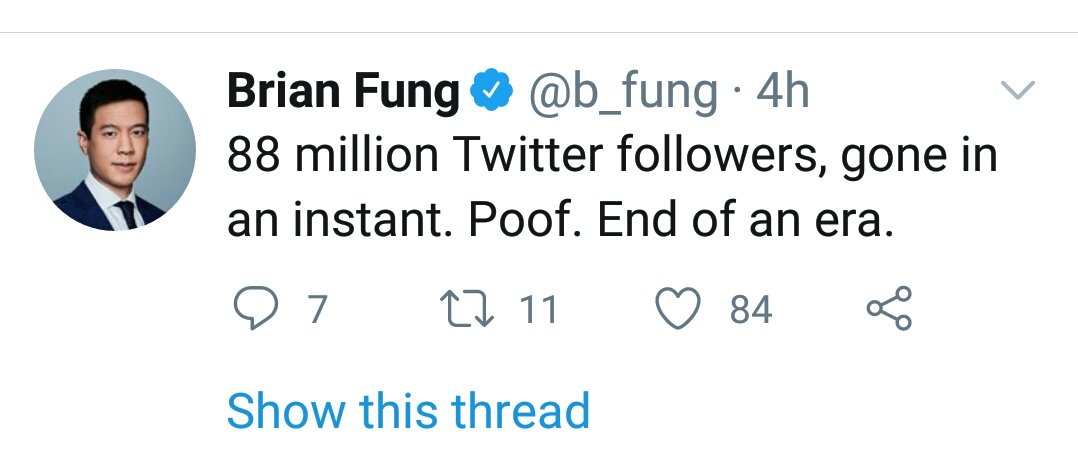
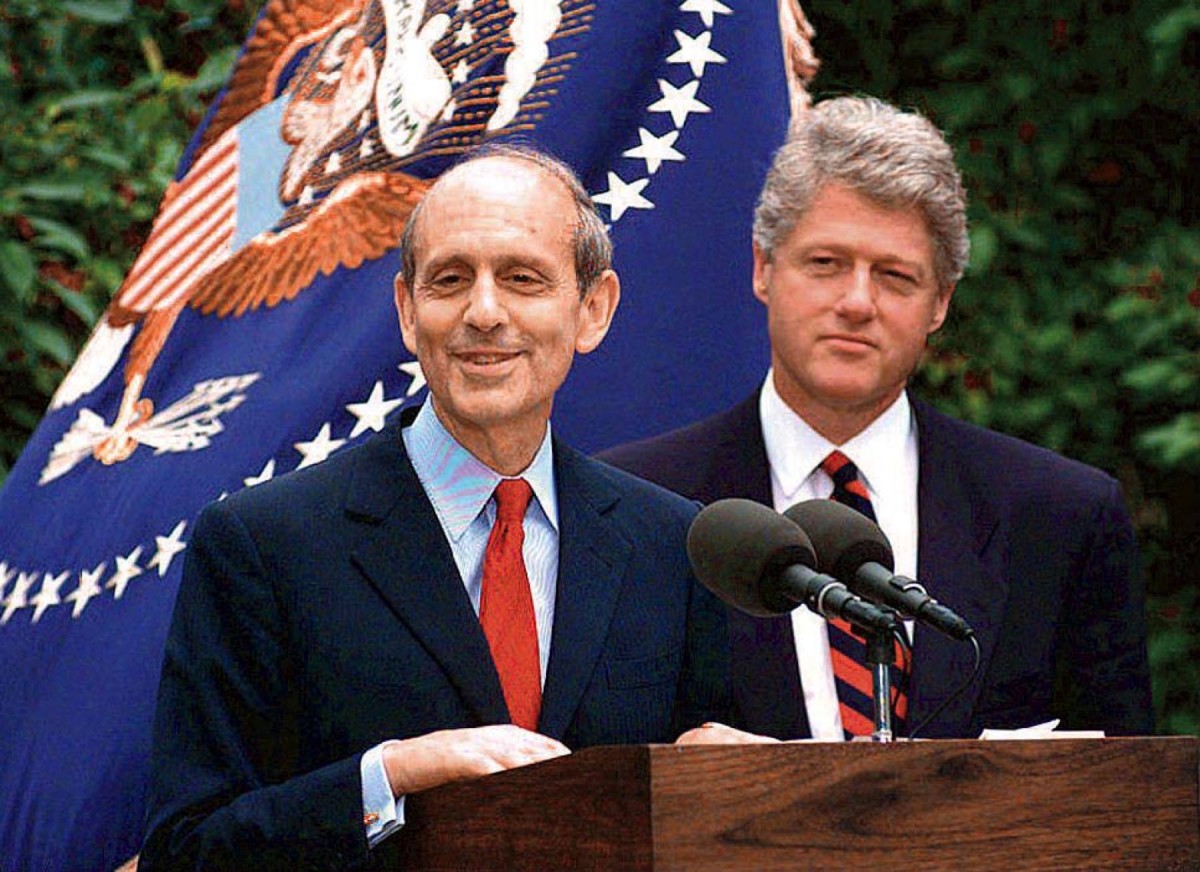
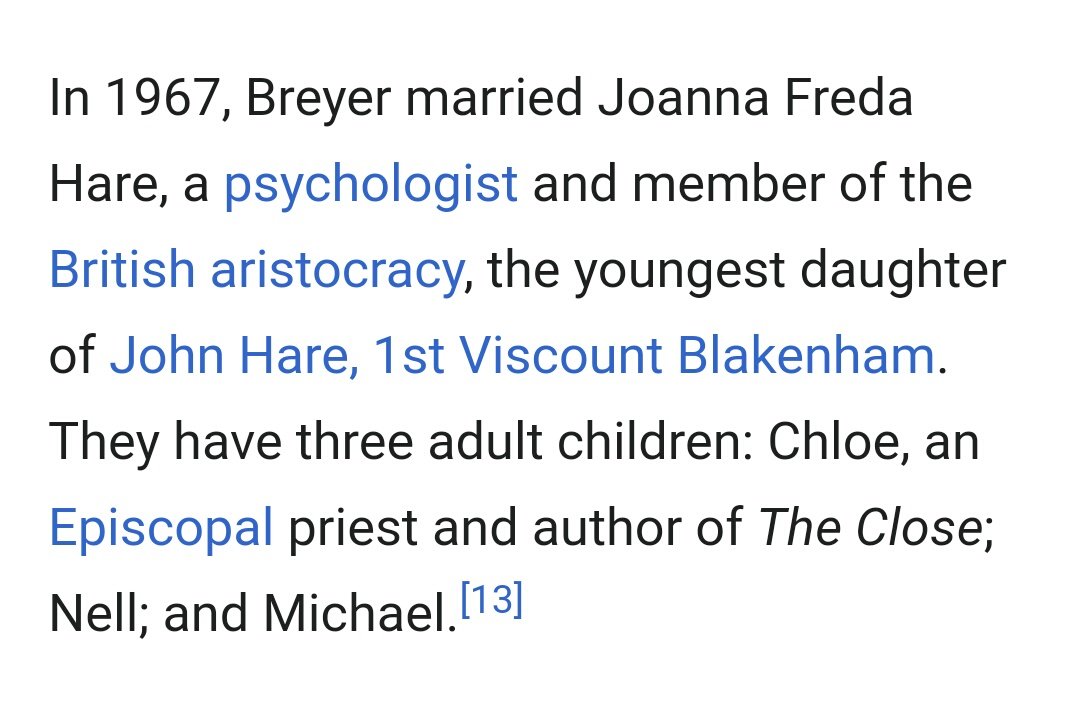
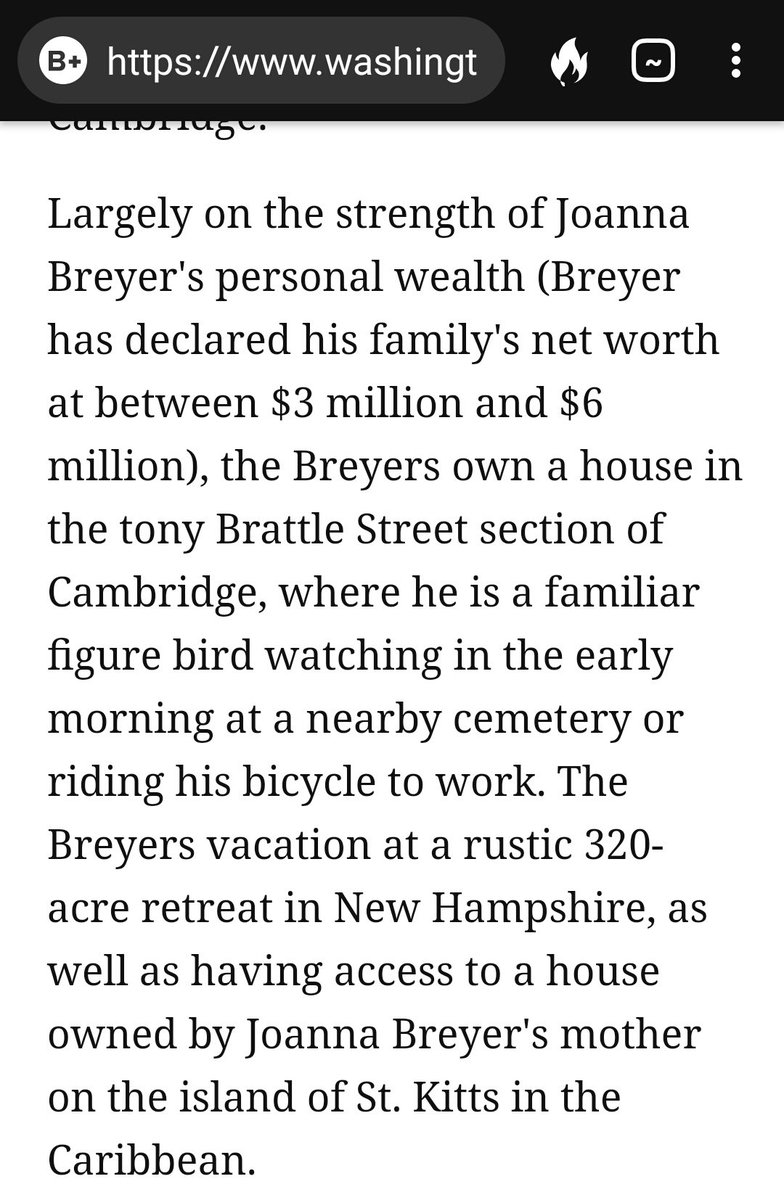
1. Brian Fung works for CNN. I will share with you some of his recent tweets and his family. ((thread))
More from Blue Canaries
Austin, Texas:
Connecting the Dots
On Dec 15, I created a thread which showed that the City of Austin did in fact have a contract w Solarwinds which was procured through Insight Public Sector. SolarWinds hack linked toRussian group — APT29 aka Cozy
Connecting the Dots
On Dec 15, I created a thread which showed that the City of Austin did in fact have a contract w Solarwinds which was procured through Insight Public Sector. SolarWinds hack linked toRussian group — APT29 aka Cozy
1. CITY of AUSTIN :
— Blue Canaries (@CanariesBlue) December 15, 2020
You've been HACKED!
In Apr. 2019, the Austin City Council approved a contract w Insight Public Sector., a procurement company, in order to indirectly hire SolarWinds. pic.twitter.com/2v9cGgkr0F
More from For later read

How I created content in 2020
A thread...
Back in Aug 2016, I started creating content to share my experiences as an entrepreneur.
Over 3 years I had put out 1,200+ hours of content - posting every week without
Little did I know that something I started almost 4 years back would give my life an entirely new direction.
At the end of 2019, my biggest platform was LinkedIn with ~700K followers.
In Jan 2020, I decided to build a team that would help me with the content.
I ran a month long recruitment drive to hire a team of interns.
It comprised 4 detailed rounds - starting with my loved 20 questions, then an assignment, then a WhatsApp video round and finally F2F.
Through 1,200+ applications, I finally selected 6 profiles, starting March.
I am a firm believer in @peterthiel's one task, one person philosophy
So the team was structured such that everyone was responsible for ONLY one task
1. Content ideas
2. Videography
3. Video editing
4. LinkedIn (+TikTok) distribution
5. FB+IG distribution
6. YouTube distribution
A thread...
Back in Aug 2016, I started creating content to share my experiences as an entrepreneur.
Over 3 years I had put out 1,200+ hours of content - posting every week without
August 2016.
— Ankur Warikoo (@warikoo) October 2, 2020
It has been 3 months since LinkedIn had launched its video feature.
And I had been waiting for it to be activated on my profile.
A thread...
Little did I know that something I started almost 4 years back would give my life an entirely new direction.
At the end of 2019, my biggest platform was LinkedIn with ~700K followers.
In Jan 2020, I decided to build a team that would help me with the content.
I ran a month long recruitment drive to hire a team of interns.
It comprised 4 detailed rounds - starting with my loved 20 questions, then an assignment, then a WhatsApp video round and finally F2F.
Through 1,200+ applications, I finally selected 6 profiles, starting March.
I am a firm believer in @peterthiel's one task, one person philosophy
So the team was structured such that everyone was responsible for ONLY one task
1. Content ideas
2. Videography
3. Video editing
4. LinkedIn (+TikTok) distribution
5. FB+IG distribution
6. YouTube distribution