
Part of the classic examples of how we as humans always depict these Celestial Beings through our works of art.
(PART 3) Angels - Izingelosi | Izithunywa of the 1st Sphere 🕯
[A Smallanyana Thread]
Part of the classic examples of how we as humans always depict these Celestial Beings through our works of art.
Let's Begin 📖
Also known as the Elders, they are a class of Celestial Beings mentioned by Paul the Apostle in Colossians 1:16, and they are also mentioned in the Book of Revelations as the 24 Elders.
They are the living symbols of God's justice and authority, symbolised as Thrones.
The Ophanim are referenced as Wheels seen in Ezekiel's vision of the Chariot in Ezekiel 1:15 - 21.
Also refer to Elijah's ascension.
"When they moved, the others moved; When they stopped, the others stopped; and when they rose from the Earth, the Wheels rose along with them; for the Spirit of the Living Creatures (The Cherubim) was in the Wheels."
According to Biblical description of these Celestial Beings, they have 4 faces:
One of a Man
An Ox
A Lion
And an Eagle
Have 4 Conjoined wings covered with eyes (Although Revelations 4:8 describes them with 6 wings like the Seraphim), a lion's body, and feet of oxen.
Exodus 25:17-22, 2 Chronicles 3:7-14, Ezekiel 10:12-14, Ezekiel 28:14-16, and Kings 6:23-28
They are literally translated as "Burning Ones". The word Seraph (singular) is normally a synonym for Serpents when used in the Hebrew Bible. The same Serpent that had to be carved so the Children of Israel could be saved from the Curse of Snakes in the wilderness.
On Earth they are directly linked to the Levite Ministry. Personally this brings so much grief to my heart because of how recklessly that ministry is handled.
A Levite is a Jewish male descended patrilineally from the Tribe of Levi, the third of son of Jacob and Leah.
- Singing Psalms in the Temple
- Performing construction and maintenance of the Temple
- Serving as guards
- Serve as teachers and judges
- Maintaining cities of refuge in Biblical times
More from For later read


Humans inherently like the act of solidarity. We are social beings. We like to huddle up and be together.
They used this against us.
They convinced us that it was an act of solidarity to flatten the curve, to wear a mask for others, to take the vaccines for others,
and to reach #covidzero for others. They convinced us that this was for the greater good of society.
In reality, this couldn't be further away from the truth. They have divided us and broken the core structure of our society. They have dehumanized us with their masks.
They set us against each other into clans on opposite sides of a spectrum. They have turned us into aggressive beings fighting for our survival. Some of us fear harm from the virus, others fear harm from the vaccine, and yet others fear harm from the attack on our civilization.
We are all on a flight or fight mode. We are all operating under the influence of fear. We must collect ourselves and reflect on what has happened over the last year.
How is this for the greater good of society?
They used a tactical warfare strategy against us.
'Divide and conquer'.
We fell for it.
Now we must become aware of it and fight back.
We must reunite. We must find true solidarity to save our world. To free ourselves. To regain our autonomy.
They used this against us.
They convinced us that it was an act of solidarity to flatten the curve, to wear a mask for others, to take the vaccines for others,
If there was ever a time in our lifetime to be non-partisan and for citizens of all walks of life globally to unite behind the basic fundamentals of humanity, freedoms, liberties, human rights, sovereignty, autonomy, dignity, empathy and compassion: it is now. https://t.co/Fa3ieEq51x
— Kulvinder Kaur MD (@dockaurG) January 9, 2021
and to reach #covidzero for others. They convinced us that this was for the greater good of society.
In reality, this couldn't be further away from the truth. They have divided us and broken the core structure of our society. They have dehumanized us with their masks.
They set us against each other into clans on opposite sides of a spectrum. They have turned us into aggressive beings fighting for our survival. Some of us fear harm from the virus, others fear harm from the vaccine, and yet others fear harm from the attack on our civilization.
We are all on a flight or fight mode. We are all operating under the influence of fear. We must collect ourselves and reflect on what has happened over the last year.
How is this for the greater good of society?
They used a tactical warfare strategy against us.
'Divide and conquer'.
We fell for it.
Now we must become aware of it and fight back.
We must reunite. We must find true solidarity to save our world. To free ourselves. To regain our autonomy.

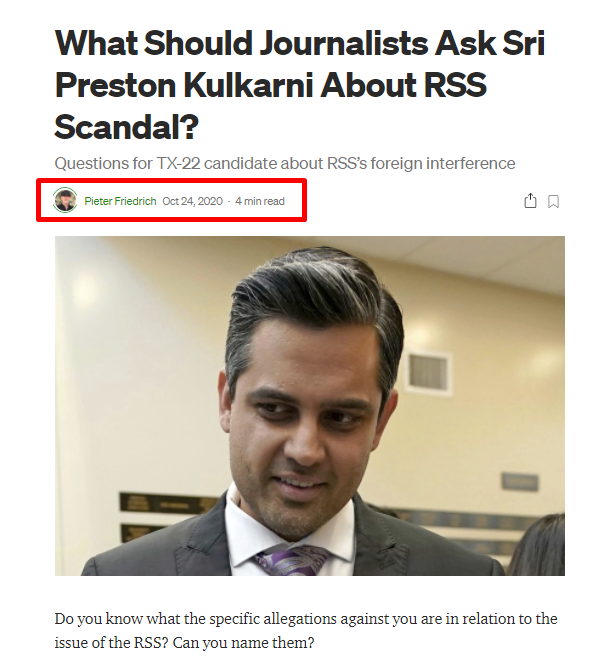
A name has caught the radar of agencies investigating #GretaToolkit- FRIEDRICH PIETER. Delhi Police expressed shock over the appearance of Pieter's name as "Who to Follow" in g-doc as he is under cops' scanner since 2006 for his Anti-India activities. Some shocking details..
1/9
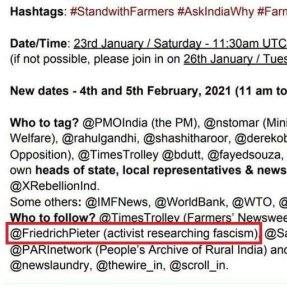
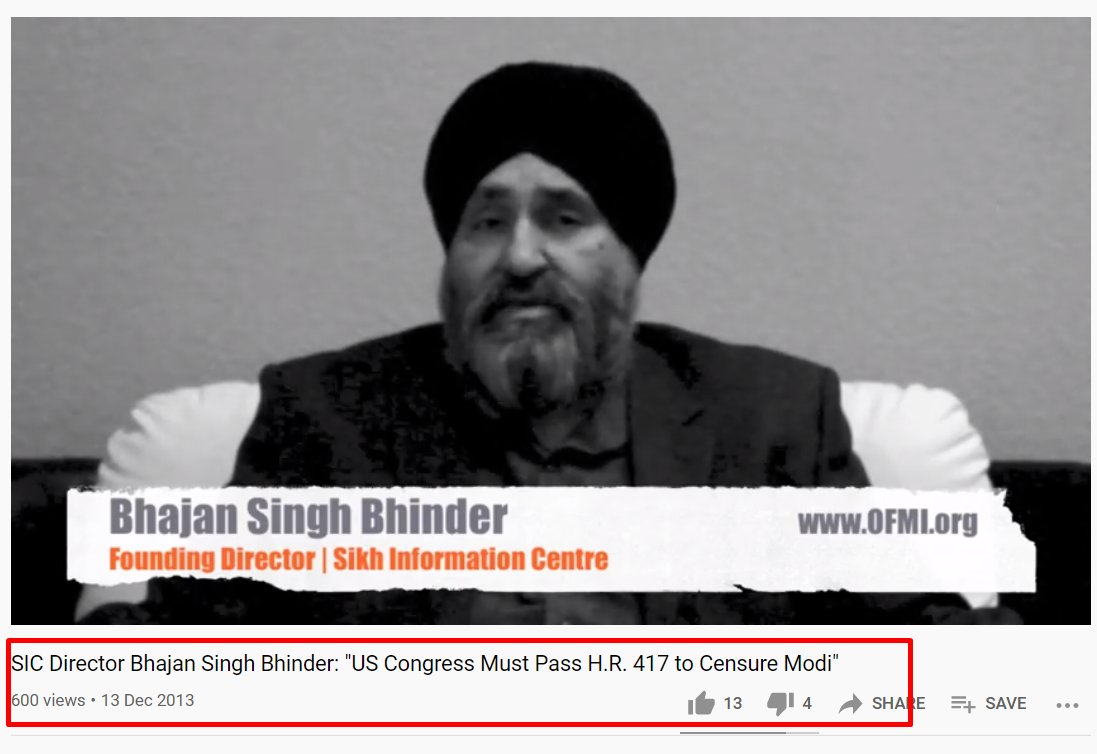
Pieter is close associate (read hired by) Bhajan Singh Bhindar, founder of OFMI (Org for Minorities of India) that considers itself an anti-Gandhi 'crusader' & is Pro-Khalistan. They also campaigned to free Bhullar (convicted Khalistani terr0r!st) & lobby against Modi in US.
2/9
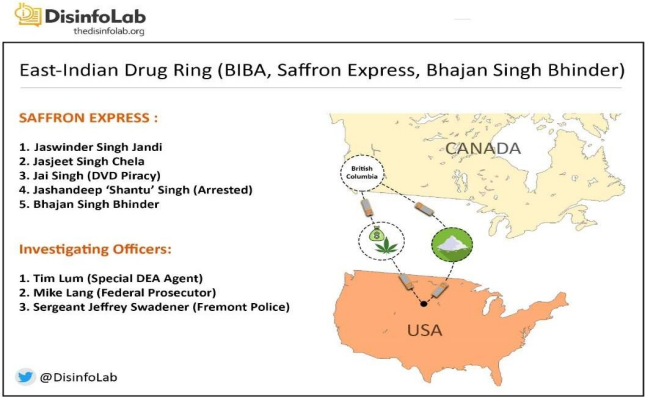
Bhinder has alleged connection with ISI & had records of owning inter-state drugs cartel & DVD piracy for terr0r funding. They also took control Fremont Gurudwara, US back in 2003 for millions of donation. Details of this 'Info-War' by @DisinfoLab
https://t.co/oIDFSoaDX2
3/9
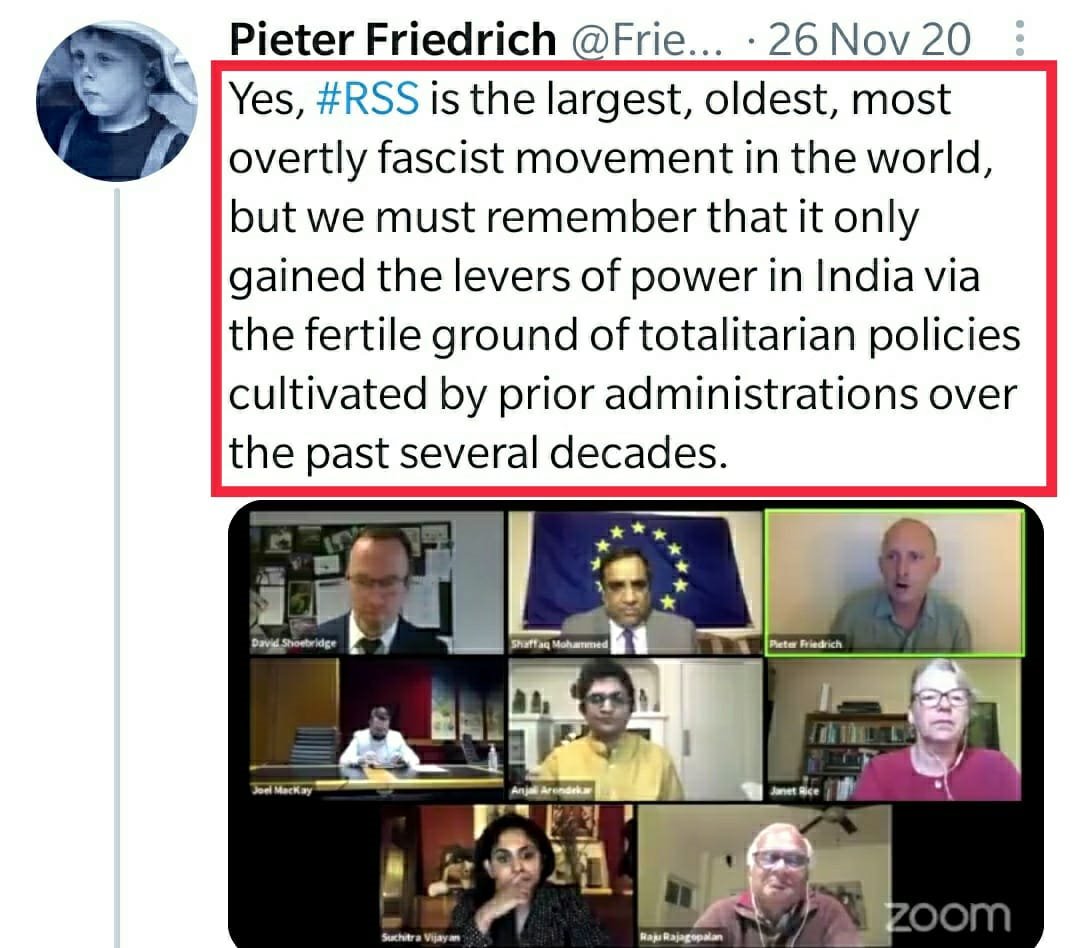
Back to Pieter. Take a glance at his work. His TL is filled with anti-BJP/RSS/Modi propaganda. From his speeches to articles, everything have few keywords in common- RSS/Fascism/gen0c!de/k!ll!ing/Kashmir/Hindutva, as if running a non-stop unrest in India is his bread & butter
4/9
He picks every topic with an extreme narrative that potentially hurts integrity of nation, be it Kashmir,CAA,1984 & with his recent projects- Farmer protest & campaigning heavily against Sri Kulkarni. Despite all, Kulkarni appointed as Chief of Ext Affairs at Biden admin.
5/9
1/9
Pieter is close associate (read hired by) Bhajan Singh Bhindar, founder of OFMI (Org for Minorities of India) that considers itself an anti-Gandhi 'crusader' & is Pro-Khalistan. They also campaigned to free Bhullar (convicted Khalistani terr0r!st) & lobby against Modi in US.
2/9
Bhinder has alleged connection with ISI & had records of owning inter-state drugs cartel & DVD piracy for terr0r funding. They also took control Fremont Gurudwara, US back in 2003 for millions of donation. Details of this 'Info-War' by @DisinfoLab
https://t.co/oIDFSoaDX2
3/9
Back to Pieter. Take a glance at his work. His TL is filled with anti-BJP/RSS/Modi propaganda. From his speeches to articles, everything have few keywords in common- RSS/Fascism/gen0c!de/k!ll!ing/Kashmir/Hindutva, as if running a non-stop unrest in India is his bread & butter
4/9
He picks every topic with an extreme narrative that potentially hurts integrity of nation, be it Kashmir,CAA,1984 & with his recent projects- Farmer protest & campaigning heavily against Sri Kulkarni. Despite all, Kulkarni appointed as Chief of Ext Affairs at Biden admin.
5/9

Daily Bookmarks to GAVNet 02/12/2021
Quantum causal loops
https://t.co/emX8OxKPl0
#loops #quantum
Large-scale commodity farming accelerating climate change in the Amazon
https://t.co/v3gA7OTP9E
#ClimateChange #forest #farm
Collapsed glaciers increase Third Pole uncertainties: Downstream lakes may merge within a decade
https://t.co/huAma56KeB
#glacier #lakes #ClimateChange
From trash to treasure: Silicon waste finds new use in Li-ion batteries
https://t.co/TkxKFDQMC6
#batteries #treasure #silicon #trash
Quantum causal loops
https://t.co/emX8OxKPl0
#loops #quantum
Large-scale commodity farming accelerating climate change in the Amazon
https://t.co/v3gA7OTP9E
#ClimateChange #forest #farm
Collapsed glaciers increase Third Pole uncertainties: Downstream lakes may merge within a decade
https://t.co/huAma56KeB
#glacier #lakes #ClimateChange
From trash to treasure: Silicon waste finds new use in Li-ion batteries
https://t.co/TkxKFDQMC6
#batteries #treasure #silicon #trash

You May Also Like

And here they are...
THE WINNERS OF THE 24 HOUR STARTUP CHALLENGE
Remember, this money is just fun. If you launched a product (or even attempted a launch) - you did something worth MUCH more than $1,000.
#24hrstartup
The winners 👇
#10
Lattes For Change - Skip a latte and save a life.
https://t.co/M75RAirZzs
@frantzfries built a platform where you can see how skipping your morning latte could do for the world.
A great product for a great cause.
Congrats Chris on winning $250!

#9
Instaland - Create amazing landing pages for your followers.
https://t.co/5KkveJTAsy
A team project! @bpmct and @BaileyPumfleet built a tool for social media influencers to create simple "swipe up" landing pages for followers.
Really impressive for 24 hours. Congrats!

#8
SayHenlo - Chat without distractions
https://t.co/og0B7gmkW6
Built by @DaltonEdwards, it's a platform for combatting conversation overload. This product was also coded exclusively from an iPad 😲
Dalton is a beast. I'm so excited he placed in the top 10.

#7
CoderStory - Learn to code from developers across the globe!
https://t.co/86Ay6nF4AY
Built by @jesswallaceuk, the project is focused on highlighting the experience of developers and people learning to code.
I wish this existed when I learned to code! Congrats on $250!!

THE WINNERS OF THE 24 HOUR STARTUP CHALLENGE
Remember, this money is just fun. If you launched a product (or even attempted a launch) - you did something worth MUCH more than $1,000.
#24hrstartup
The winners 👇
#10
Lattes For Change - Skip a latte and save a life.
https://t.co/M75RAirZzs
@frantzfries built a platform where you can see how skipping your morning latte could do for the world.
A great product for a great cause.
Congrats Chris on winning $250!
#9
Instaland - Create amazing landing pages for your followers.
https://t.co/5KkveJTAsy
A team project! @bpmct and @BaileyPumfleet built a tool for social media influencers to create simple "swipe up" landing pages for followers.
Really impressive for 24 hours. Congrats!
#8
SayHenlo - Chat without distractions
https://t.co/og0B7gmkW6
Built by @DaltonEdwards, it's a platform for combatting conversation overload. This product was also coded exclusively from an iPad 😲
Dalton is a beast. I'm so excited he placed in the top 10.
#7
CoderStory - Learn to code from developers across the globe!
https://t.co/86Ay6nF4AY
Built by @jesswallaceuk, the project is focused on highlighting the experience of developers and people learning to code.
I wish this existed when I learned to code! Congrats on $250!!


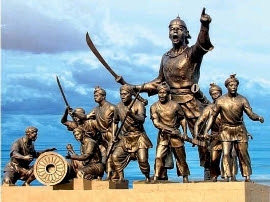


#ஆதித்தியஹ்ருதயம் ஸ்தோத்திரம்
இது சூரிய குலத்தில் உதித்த இராமபிரானுக்கு தமிழ் முனிவர் அகத்தியர் உபதேசித்ததாக வால்மீகி இராமாயணத்தில் வருகிறது. ஆதித்ய ஹ்ருதயத்தைத் தினமும் ஓதினால் பெரும் பயன் பெறலாம் என மகான்களும் ஞானிகளும் காலம் காலமாகக் கூறி வருகின்றனர். ராம-ராவண யுத்தத்தை
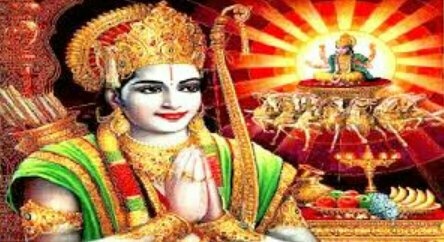
தேவர்களுடன் சேர்ந்து பார்க்க வந்திருந்த அகத்தியர், அப்போது போரினால் களைத்து, கவலையுடன் காணப்பட்ட ராமபிரானை அணுகி, மனிதர்களிலேயே சிறந்தவனான ராமா போரில் எந்த மந்திரத்தைப் பாராயணம் செய்தால் எல்லா பகைவர்களையும் வெல்ல முடியுமோ அந்த ரகசிய மந்திரத்தை, வேதத்தில் சொல்லப்பட்டுள்ளதை உனக்கு
நான் உபதேசிக்கிறேன், கேள் என்று கூறி உபதேசித்தார். முதல் இரு சுலோகங்கள் சூழ்நிலையை விவரிக்கின்றன. மூன்றாவது சுலோகம் அகத்தியர் இராமபிரானை விளித்துக் கூறுவதாக அமைந்திருக்கிறது. நான்காவது சுலோகம் முதல் முப்பதாம் சுலோகம் வரை ஆதித்ய ஹ்ருதயம் என்னும் நூல். முப்பத்தி ஒன்றாம் சுலோகம்
இந்தத் துதியால் மகிழ்ந்த சூரியன் இராமனை வாழ்த்துவதைக் கூறுவதாக அமைந்திருக்கிறது.
ஐந்தாவது ஸ்லோகம்:
ஸர்வ மங்கள் மாங்கல்யம் ஸர்வ பாப ப்ரநாசனம்
சிந்தா சோக ப்ரசமனம் ஆயுர் வர்த்தனம் உத்தமம்
பொருள்: இந்த அதித்ய ஹ்ருதயம் என்ற துதி மங்களங்களில் சிறந்தது, பாவங்களையும் கவலைகளையும்
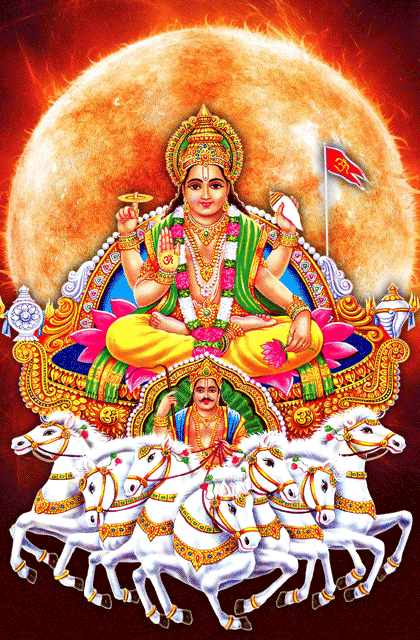
குழப்பங்களையும் நீக்குவது, வாழ்நாளை நீட்டிப்பது, மிகவும் சிறந்தது. இதயத்தில் வசிக்கும் பகவானுடைய அனுக்ரகத்தை அளிப்பதாகும்.
முழு ஸ்லோக லிங்க் பொருளுடன் இங்கே உள்ளது https://t.co/Q3qm1TfPmk
சூரியன் உலக இயக்கத்திற்கு மிக முக்கியமானவர். சூரிய சக்தியால்தான் ஜீவராசிகள், பயிர்கள்
இது சூரிய குலத்தில் உதித்த இராமபிரானுக்கு தமிழ் முனிவர் அகத்தியர் உபதேசித்ததாக வால்மீகி இராமாயணத்தில் வருகிறது. ஆதித்ய ஹ்ருதயத்தைத் தினமும் ஓதினால் பெரும் பயன் பெறலாம் என மகான்களும் ஞானிகளும் காலம் காலமாகக் கூறி வருகின்றனர். ராம-ராவண யுத்தத்தை
தேவர்களுடன் சேர்ந்து பார்க்க வந்திருந்த அகத்தியர், அப்போது போரினால் களைத்து, கவலையுடன் காணப்பட்ட ராமபிரானை அணுகி, மனிதர்களிலேயே சிறந்தவனான ராமா போரில் எந்த மந்திரத்தைப் பாராயணம் செய்தால் எல்லா பகைவர்களையும் வெல்ல முடியுமோ அந்த ரகசிய மந்திரத்தை, வேதத்தில் சொல்லப்பட்டுள்ளதை உனக்கு
நான் உபதேசிக்கிறேன், கேள் என்று கூறி உபதேசித்தார். முதல் இரு சுலோகங்கள் சூழ்நிலையை விவரிக்கின்றன. மூன்றாவது சுலோகம் அகத்தியர் இராமபிரானை விளித்துக் கூறுவதாக அமைந்திருக்கிறது. நான்காவது சுலோகம் முதல் முப்பதாம் சுலோகம் வரை ஆதித்ய ஹ்ருதயம் என்னும் நூல். முப்பத்தி ஒன்றாம் சுலோகம்
இந்தத் துதியால் மகிழ்ந்த சூரியன் இராமனை வாழ்த்துவதைக் கூறுவதாக அமைந்திருக்கிறது.
ஐந்தாவது ஸ்லோகம்:
ஸர்வ மங்கள் மாங்கல்யம் ஸர்வ பாப ப்ரநாசனம்
சிந்தா சோக ப்ரசமனம் ஆயுர் வர்த்தனம் உத்தமம்
பொருள்: இந்த அதித்ய ஹ்ருதயம் என்ற துதி மங்களங்களில் சிறந்தது, பாவங்களையும் கவலைகளையும்
குழப்பங்களையும் நீக்குவது, வாழ்நாளை நீட்டிப்பது, மிகவும் சிறந்தது. இதயத்தில் வசிக்கும் பகவானுடைய அனுக்ரகத்தை அளிப்பதாகும்.
முழு ஸ்லோக லிங்க் பொருளுடன் இங்கே உள்ளது https://t.co/Q3qm1TfPmk
சூரியன் உலக இயக்கத்திற்கு மிக முக்கியமானவர். சூரிய சக்தியால்தான் ஜீவராசிகள், பயிர்கள்

Master Thread of all my threads!
Hello!! 👋
• I have curated some of the best tweets from the best traders we know of.
• Making one master thread and will keep posting all my threads under this.
• Go through this for super learning/value totally free of cost! 😃
1. 7 FREE OPTION TRADING COURSES FOR
2. THE ABSOLUTE BEST 15 SCANNERS EXPERTS ARE USING
Got these scanners from the following accounts:
1. @Pathik_Trader
2. @sanjufunda
3. @sanstocktrader
4. @SouravSenguptaI
5. @Rishikesh_ADX
3. 12 TRADING SETUPS which experts are using.
These setups I found from the following 4 accounts:
1. @Pathik_Trader
2. @sourabhsiso19
3. @ITRADE191
4.
4. Curated tweets on HOW TO SELL STRADDLES.
Everything covered in this thread.
1. Management
2. How to initiate
3. When to exit straddles
4. Examples
5. Videos on
Hello!! 👋
• I have curated some of the best tweets from the best traders we know of.
• Making one master thread and will keep posting all my threads under this.
• Go through this for super learning/value totally free of cost! 😃
1. 7 FREE OPTION TRADING COURSES FOR
A THREAD:
— Aditya Todmal (@AdityaTodmal) November 28, 2020
7 FREE OPTION TRADING COURSES FOR BEGINNERS.
Been getting lot of dm's from people telling me they want to learn option trading and need some recommendations.
Here I'm listing the resources every beginner should go through to shorten their learning curve.
(1/10)
2. THE ABSOLUTE BEST 15 SCANNERS EXPERTS ARE USING
Got these scanners from the following accounts:
1. @Pathik_Trader
2. @sanjufunda
3. @sanstocktrader
4. @SouravSenguptaI
5. @Rishikesh_ADX
The absolute best 15 scanners which experts are using.
— Aditya Todmal (@AdityaTodmal) January 29, 2021
Got these scanners from the following accounts:
1. @Pathik_Trader
2. @sanjufunda
3. @sanstocktrader
4. @SouravSenguptaI
5. @Rishikesh_ADX
Share for the benefit of everyone.
3. 12 TRADING SETUPS which experts are using.
These setups I found from the following 4 accounts:
1. @Pathik_Trader
2. @sourabhsiso19
3. @ITRADE191
4.
12 TRADING SETUPS which experts are using.
— Aditya Todmal (@AdityaTodmal) February 7, 2021
These setups I found from the following 4 accounts:
1. @Pathik_Trader
2. @sourabhsiso19
3. @ITRADE191
4. @DillikiBiili
Share for the benefit of everyone.
4. Curated tweets on HOW TO SELL STRADDLES.
Everything covered in this thread.
1. Management
2. How to initiate
3. When to exit straddles
4. Examples
5. Videos on
Curated tweets on How to Sell Straddles
— Aditya Todmal (@AdityaTodmal) February 21, 2021
Everything covered in this thread.
1. Management
2. How to initiate
3. When to exit straddles
4. Examples
5. Videos on Straddles
Share if you find this knowledgeable for the benefit of others.