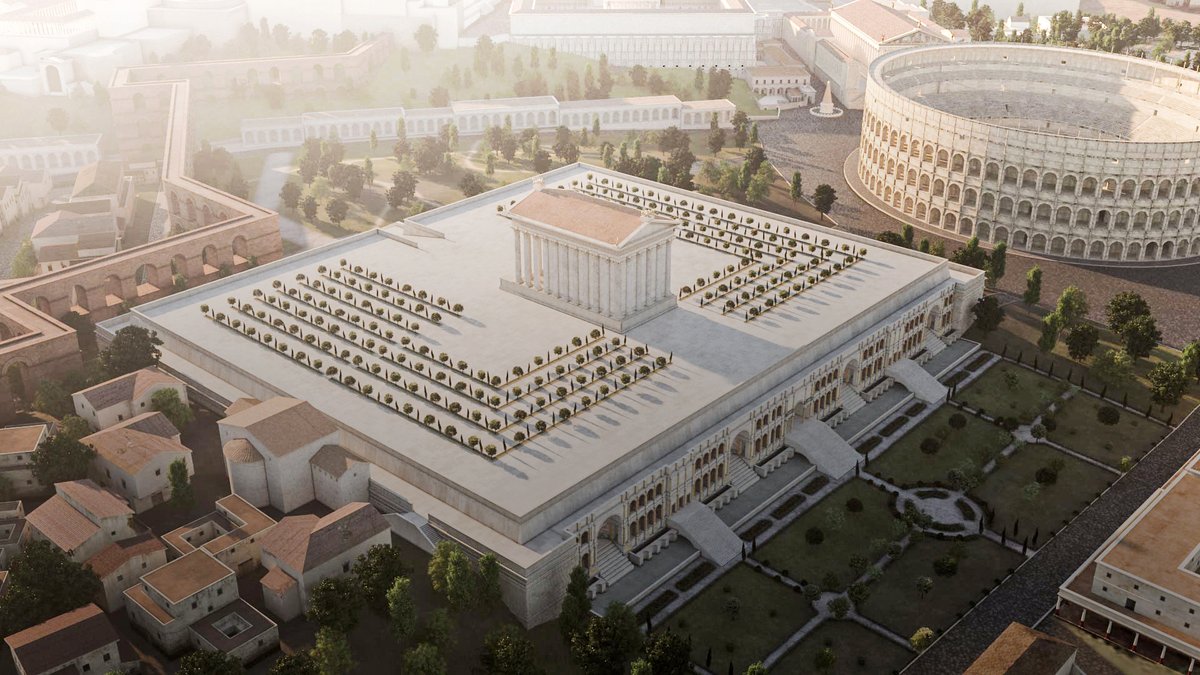
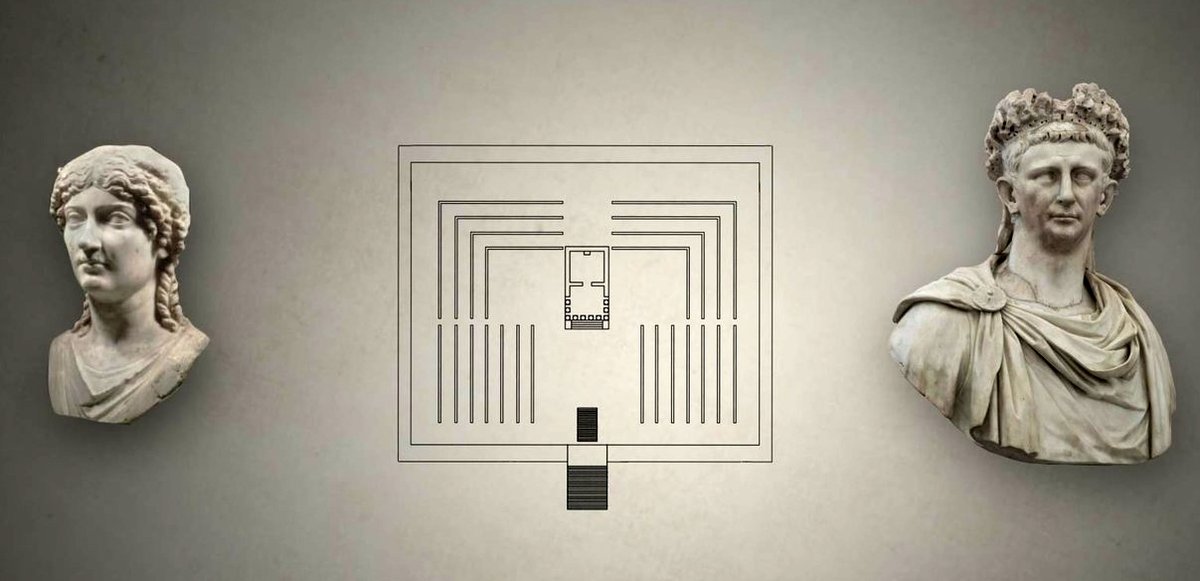
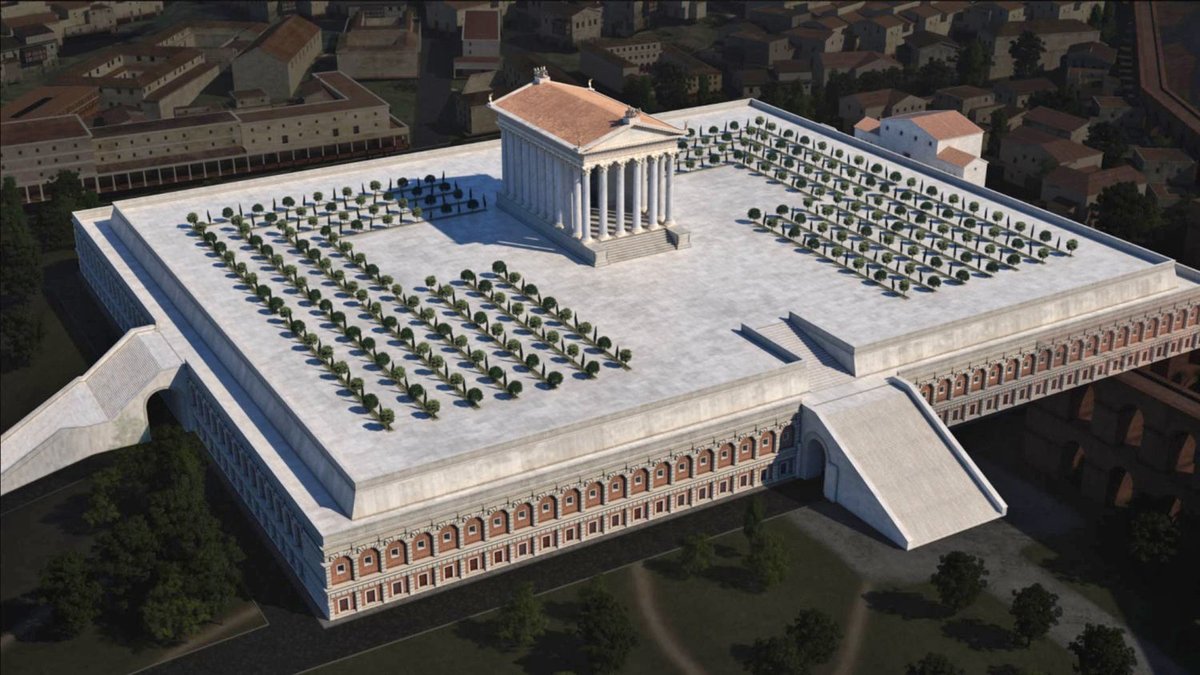
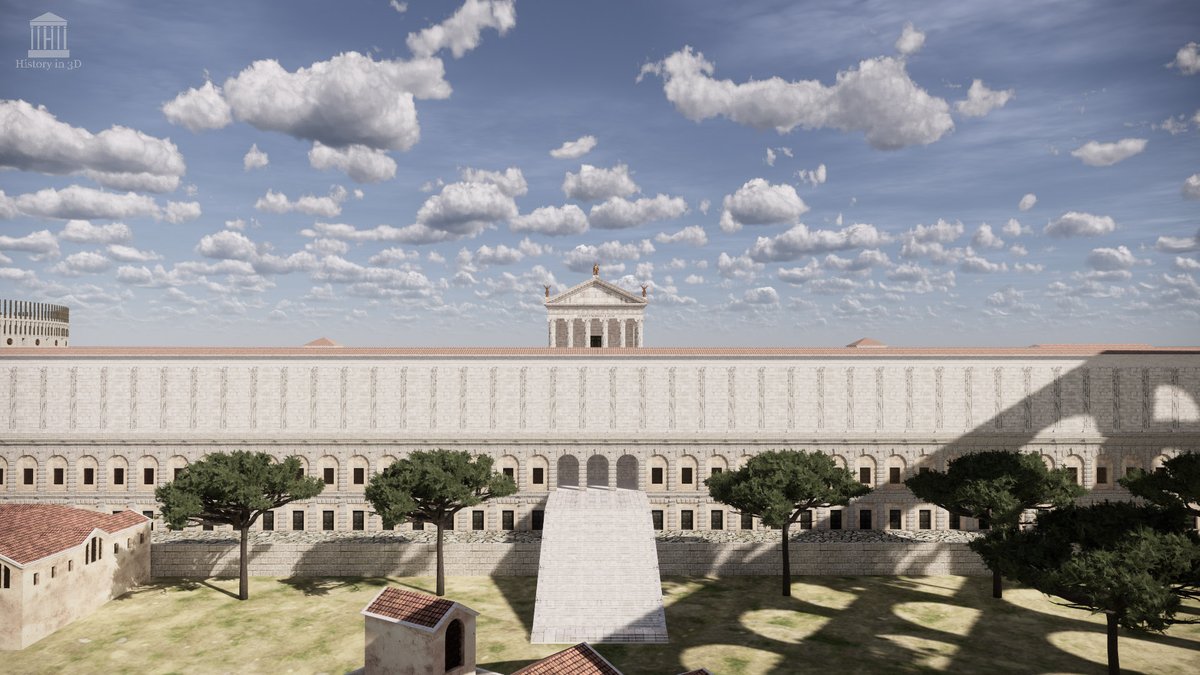
Gematria for the Intergalactic StarGate 😇 https://t.co/vrs3Mj1BAp

InTeRGaLaCTic \U0001f4a5 GaTe\U0001f4a5.........................................................\U0001f4a5
— SPACEX (@SPACEX25587506) January 1, 2021
\U0001f4a5............................................................\U0001f4a5.............\U0001f4a5... ...... .........\u267e pic.twitter.com/XiwyHnoYBt


More from 🌹⚜️ ⚔️ 𝒮𝒽𝑒𝓀𝒽𝒾𝓃𝒶𝒽 ⚔️ ⚜️ 🌹
When is the last time you heard a President speak this way.
Divine being of light, I will not have one word spoken against this man. And if you do, you are dead to me.
That's it.
Sorry. Not sorry.
❤️😇🙏✨
Gematria 2952 ... =11 7 = 18

https://t.co/aG1zzDoCad

https://t.co/ZazQksLbWE

https://t.co/CUXFxxKQDy

Divine being of light, I will not have one word spoken against this man. And if you do, you are dead to me.
That's it.
Sorry. Not sorry.
❤️😇🙏✨
I just want to stop the world from killing itself!
— Donald J. Trump (@realDonaldTrump) December 11, 2020
Gematria 2952 ... =11 7 = 18
https://t.co/aG1zzDoCad
https://t.co/ZazQksLbWE
https://t.co/CUXFxxKQDy

Wow beautiful Gematria decode for us all! 🥰 👇
He is!!

Trust the plan!!

https://t.co/8TW43LNdJo

https://t.co/Ee6Iddislv

Divine!! pic.twitter.com/85eQjQsBMG
— \U0001f339\u269c\ufe0f \u2694\ufe0f \U0001d4ae\U0001d4bd\U0001d452\U0001d4c0\U0001d4bd\U0001d4be\U0001d4c3\U0001d4b6\U0001d4bd \u2694\ufe0f \u269c\ufe0f \U0001f339 (@PetahJane) January 2, 2021
He is!!
Trust the plan!!
https://t.co/8TW43LNdJo
https://t.co/Ee6Iddislv
Gematria decode.... on the message below
There\u2019s a lotta pain coming my friend
— \U0001f339\u269c\ufe0f \u2694\ufe0f\U0001d4ae\U0001d4bd\U0001d452\U0001d4c0\U0001d4bd\U0001d4be\U0001d4c3\U0001d4b6\U0001d4bd \u2694\ufe0f \u269c\ufe0f \U0001f339 (@PetahJane) November 29, 2020
Ts 3:32 29.11.2920
33 22 9 11 22
33 22<911>22
\U0001f446 seen this pattern 3 times now
33 > Christ
22 > Balance
911 > Jesus birthday
22 > Balance
The message here: Christ will return and when he does, the balance lost is restored \U0001f64f\U0001f3fb\u2764\ufe0f

BECOME COMFORTABLE with the words I DON'T KNOW!!
I say this on my tours, we 'know' very little. In fact, we know nothing. I don't know is honest!! It's humble, and its real.
In Egypt there's too much to know, so 'we don't know' is the truest statement there is. https://t.co/IajqsQGdJ8

https://t.co/jXtMo6tFMK

https://t.co/6d9OC6NhPi

https://t.co/KxfexudiGL

https://t.co/tvi7MusmEd

I say this on my tours, we 'know' very little. In fact, we know nothing. I don't know is honest!! It's humble, and its real.
In Egypt there's too much to know, so 'we don't know' is the truest statement there is. https://t.co/IajqsQGdJ8
Another reminder to relax and trust the journey. Become comfortable saying "I don't know."
— \U0001f1fa\U0001f1f8I Support Our Military & Law Enforcement\U0001f1fa\U0001f1f8 (@TheWiseOwl_AZ) December 11, 2020
https://t.co/jXtMo6tFMK
https://t.co/6d9OC6NhPi
https://t.co/KxfexudiGL
https://t.co/tvi7MusmEd
More from For later read


1. The death of Silicon Valley, a thread
How did Silicon Valley die? It was killed by the internet. I will explain.
Yesterday, my friend IRL asked me "Where are good old days when techies were
2. In the "good old days" Silicon Valley was about understanding technology. Silicon, to be precise. These were people who had to understand quantum mechanics, who had to build the near-miraculous devices that we now take for granted, and they had to work
3. Now, I love libertarians, and I share much of their political philosophy. But you have to be socially naive to believe that it has a chance in a real society. In those days, Silicon Valley was not a real society. It was populated by people who understood quantum mechanics
4. Then came the microcomputer revolution. It was created by people who understood how to build computers. One borderline case was Steve Jobs. People claimed that Jobs was surrounded by a "reality distortion field" - that's how good he was at understanding people, not things
5. Still, the heroes of Silicon Valley were the engineers. The people who knew how to build things. Steve Jobs, for all his understanding of people, also had quite a good understanding of technology. He had a libertarian vibe, and so did Silicon Valley
How did Silicon Valley die? It was killed by the internet. I will explain.
Yesterday, my friend IRL asked me "Where are good old days when techies were
Where are good old days when techies were libertarians.
— Cranky (@rushingdima) January 9, 2021
2. In the "good old days" Silicon Valley was about understanding technology. Silicon, to be precise. These were people who had to understand quantum mechanics, who had to build the near-miraculous devices that we now take for granted, and they had to work
3. Now, I love libertarians, and I share much of their political philosophy. But you have to be socially naive to believe that it has a chance in a real society. In those days, Silicon Valley was not a real society. It was populated by people who understood quantum mechanics
4. Then came the microcomputer revolution. It was created by people who understood how to build computers. One borderline case was Steve Jobs. People claimed that Jobs was surrounded by a "reality distortion field" - that's how good he was at understanding people, not things
5. Still, the heroes of Silicon Valley were the engineers. The people who knew how to build things. Steve Jobs, for all his understanding of people, also had quite a good understanding of technology. He had a libertarian vibe, and so did Silicon Valley


You May Also Like





I just finished Eric Adler's The Battle of the Classics, and wanted to say something about Joel Christiansen's review linked below. I am not sure what motivates the review (I speculate a bit below), but it gives a very misleading impression of the book. 1/x
The meat of the criticism is that the history Adler gives is insufficiently critical. Adler describes a few figures who had a great influence on how the modern US university was formed. It's certainly critical: it focuses on the social Darwinism of these figures. 2/x
Other insinuations and suggestions in the review seem wildly off the mark, distorted, or inappropriate-- for example, that the book is clickbaity (it is scholarly) or conservative (hardly) or connected to the events at the Capitol (give me a break). 3/x
The core question: in what sense is classics inherently racist? Classics is old. On Adler's account, it begins in ancient Rome and is revived in the Renaissance. Slavery (Christiansen's primary concern) is also very old. Let's say classics is an education for slaveowners. 4/x
It's worth remembering that literacy itself is elite throughout most of this history. Literacy is, then, also the education of slaveowners. We can honor oral and musical traditions without denying that literacy is, generally, good. 5/x
As someone\u2019s who\u2019s read the book, this review strikes me as tremendously unfair. It mostly faults Adler for not writing the book the reviewer wishes he had! https://t.co/pqpt5Ziivj
— Teresa M. Bejan (@tmbejan) January 12, 2021
The meat of the criticism is that the history Adler gives is insufficiently critical. Adler describes a few figures who had a great influence on how the modern US university was formed. It's certainly critical: it focuses on the social Darwinism of these figures. 2/x
Other insinuations and suggestions in the review seem wildly off the mark, distorted, or inappropriate-- for example, that the book is clickbaity (it is scholarly) or conservative (hardly) or connected to the events at the Capitol (give me a break). 3/x
The core question: in what sense is classics inherently racist? Classics is old. On Adler's account, it begins in ancient Rome and is revived in the Renaissance. Slavery (Christiansen's primary concern) is also very old. Let's say classics is an education for slaveowners. 4/x
It's worth remembering that literacy itself is elite throughout most of this history. Literacy is, then, also the education of slaveowners. We can honor oral and musical traditions without denying that literacy is, generally, good. 5/x