
Every single public defender. Every single day.
Raise your hand if you\u2019ve lost a case despite having the law, facts, quality lawyering, and justice on your side.
— Jon Feinberg (@JonFeinberg) February 13, 2021
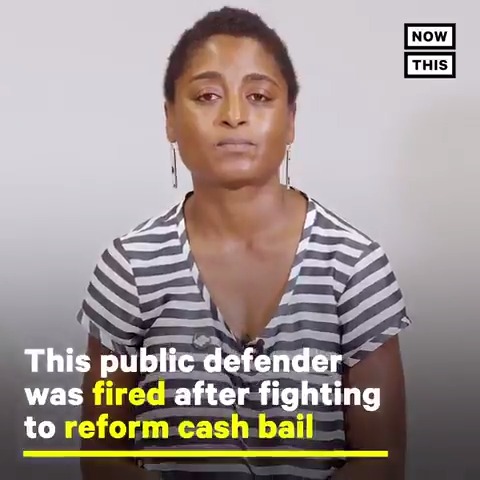
THREAD: It is with sadness that I tell you about Preston Chaney, who died in the Houston jail of COVID. He was trapped there for 3.5 months because he couldn't pay $100 after being accused of stealing lawn equipment and frozen meat. His story is important. (1)
— Alec Karakatsanis (@equalityAlec) February 6, 2021
More from For later read


You May Also Like




My top 10 tweets of the year
A thread 👇
https://t.co/xj4js6shhy
https://t.co/b81zoW6u1d
https://t.co/1147it02zs
https://t.co/A7XCU5fC2m
A thread 👇
https://t.co/xj4js6shhy
Entrepreneur\u2019s mind.
— James Clear (@JamesClear) August 22, 2020
Athlete\u2019s body.
Artist\u2019s soul.
https://t.co/b81zoW6u1d
When you choose who to follow on Twitter, you are choosing your future thoughts.
— James Clear (@JamesClear) October 3, 2020
https://t.co/1147it02zs
Working on a problem reduces the fear of it.
— James Clear (@JamesClear) August 30, 2020
It\u2019s hard to fear a problem when you are making progress on it\u2014even if progress is imperfect and slow.
Action relieves anxiety.
https://t.co/A7XCU5fC2m
We often avoid taking action because we think "I need to learn more," but the best way to learn is often by taking action.
— James Clear (@JamesClear) September 23, 2020