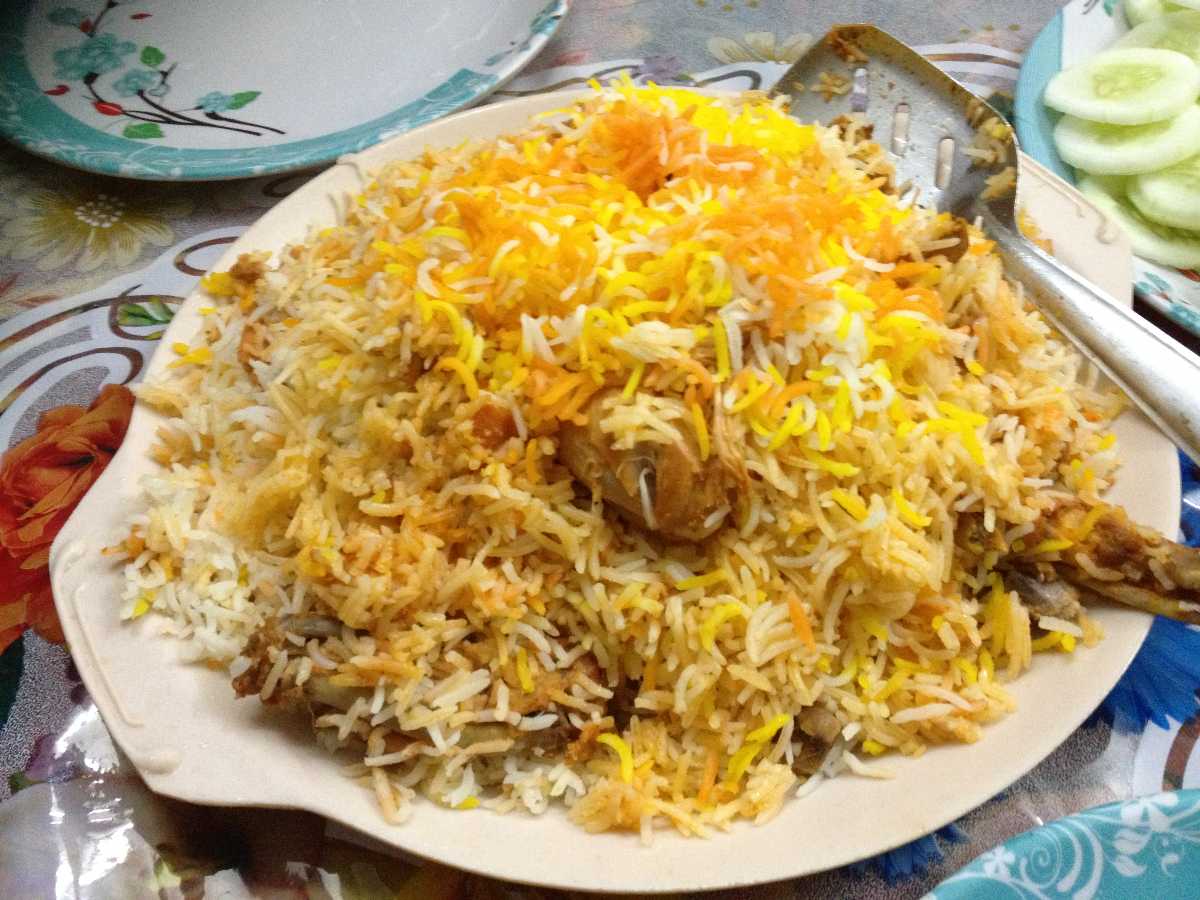
If you go to the store for the mass distributed stuff, the copy pasted churned brand, whatever it is, will never compare to homemade bread.
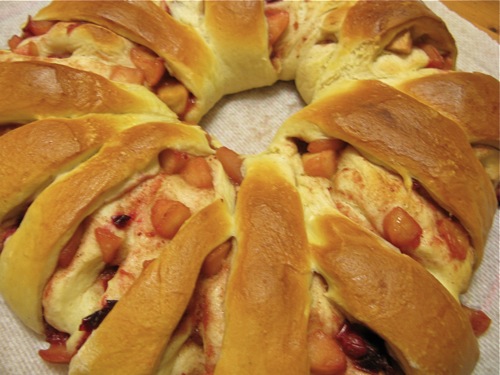
Today I made garlic bread.
You add flour, water, salt, and most importantly, yeast. When baking bread, you have to let the dough rise.
No reasonable intervention will significantly increase the speed the dough rises for really good bread, possibly the best bread in the world.
If you go to the store for the mass distributed stuff, the copy pasted churned brand, whatever it is, will never compare to homemade bread.
If you go to a bakery, it’s better, but never as good as the manual kneading you can do for yourself for what you want.
But world-class bread does have shared constants of quality you can get only from the best.
“Garlic bread” gives me flexibility to experiment with some wild ingredients, knowing it’s always going to be delicious, just in different ways.
But regardless, the vastly plentiful, worldly takes on garlic bread as a result have a decentralized deliciousness I can never get over.
But fundamental constants led to why those ingredients combos came to be. I respect them.
You absolutely must add yeast, a unicellular fungi from eons of networking, and absolutely must allow that yeast enough time for your dough to rise. It’s necessary.
The collective consensus and consciousness ingrained in human evolution craves the yeast, the mushroom network of legacies past. My bread rises, superior to impatient plebs.
Because as long as it’s garlic bread with yeast made with the fundamental ingredients, it will converge to something good.
More from Food
.@TheGreenZoneDC still serves some of the most interesting cocktails in D.C. To get them delivered, you have to purchase one food item. That's how I continued to fall in love with their muhammara (red pepper, walnut, and breadcrumb dip with pomegranate). https://t.co/22lf4iRjib
.@SUSHITARO_DC shelled out for great to-go packaging worthy of what's inside. Like this tuna-only chirashi (tekka chirashi). https://t.co/U51mtcFWIn
.@BombayClubDC is becoming one of D.C.'s longest tenured restaurants. When you're really hungry and craving Indian, try their dinner tiffin with tandoori salmon, lasooni palak, dal makhani, lemon cashew rice, and naan. The lentils are so rich and smoky. https://t.co/r6GxIW64sJ
Whenever we celebrated a special occasion with a pair of friends in the backyard, we ordered a paella feast for four from @jaleo. Comes w/ a paella of choice, gazpacho, salad, bread, tortilla Española, and flan. You can keep the paella pan! https://t.co/LTnSBUi4nN
6TH ANNUAL
BULL CITY FOODRAISER
FINAL METRICS THREAD
**********
Going to fill this thread with the updated final numbers
Prior threads are here –
➡️ Foodraiser history thread: https://t.co/Hz0jxFrswF
➡️ Initial 6th Annual data thread: https://t.co/XkK4oWE9iT
➡️ 6th Annual results photos + video thread:
We have a few new people here since our December 2019 event, so let's start things off with some background \U0001f62c
— T. Greg "'Constitutional Lawyer'" Doucette (@greg_doucette) December 4, 2020
You'll recall that we had to buy a sh*tload of grocery bags that were not included in our initial data thread
And then had to buy another sh*tload the next day 🤦♂️
Those paper bag runs added $386.94 to the expenditures ($193.47 x 2)
That put the grand total spent at $55,426.68:
➡️ $10 for cashier's check
➡️ $55,029.74 for food
➡️ $386.94 for bags
The Bag Fund donations exceeded what we needed though, so we capped 2020's #'s at actual expenditures and will hold the rest for 2021 (more on that down-thread)
Counting the new donors who contributed to The Bag Fund, and de-duplicating the folks who'd already donated to the main fundraiser, we ended up with 825 total donors
A delivery with dry ice at the start of our staycation offered us a start with Spooky Manhattans.
First up: a Rigatoni Pasta Bake that originated as a batch of Pasta Puttanesca and quickly escalated. (Pairing: Ca'Rozzeria Chianti Classico Riserva)
Next came a wonderful Turkish fish stew with capers and olives. (Pairing: Rhinegeist Truth IPA -- trust me.)
https://t.co/Miyn9PXrHR
Up next: Waffle tots with sausage and arugula, topped with a fried egg.
Xmas day brought us this wonderful lamb stew with a Guinness base. (Know the pic's not 'gram worthy, but hey...)
Paired with Gargantua Pantagruel Syrah.
https://t.co/u0irJKwRtI
You May Also Like
Like company moats, your personal moat should be a competitive advantage that is not only durable—it should also compound over time.
Characteristics of a personal moat below:
I'm increasingly interested in the idea of "personal moats" in the context of careers.
— Erik Torenberg (@eriktorenberg) November 22, 2018
Moats should be:
- Hard to learn and hard to do (but perhaps easier for you)
- Skills that are rare and valuable
- Legible
- Compounding over time
- Unique to your own talents & interests https://t.co/bB3k1YcH5b
2/ Like a company moat, you want to build career capital while you sleep.
As Andrew Chen noted:
People talk about \u201cpassive income\u201d a lot but not about \u201cpassive social capital\u201d or \u201cpassive networking\u201d or \u201cpassive knowledge gaining\u201d but that\u2019s what you can architect if you have a thing and it grows over time without intensive constant effort to sustain it
— Andrew Chen (@andrewchen) November 22, 2018
3/ You don’t want to build a competitive advantage that is fleeting or that will get commoditized
Things that might get commoditized over time (some longer than
Things that look like moats but likely aren\u2019t or may fade:
— Erik Torenberg (@eriktorenberg) November 22, 2018
- Proprietary networks
- Being something other than one of the best at any tournament style-game
- Many "awards"
- Twitter followers or general reach without "respect"
- Anything that depends on information asymmetry https://t.co/abjxesVIh9
4/ Before the arrival of recorded music, what used to be scarce was the actual music itself — required an in-person artist.
After recorded music, the music itself became abundant and what became scarce was curation, distribution, and self space.
5/ Similarly, in careers, what used to be (more) scarce were things like ideas, money, and exclusive relationships.
In the internet economy, what has become scarce are things like specific knowledge, rare & valuable skills, and great reputations.