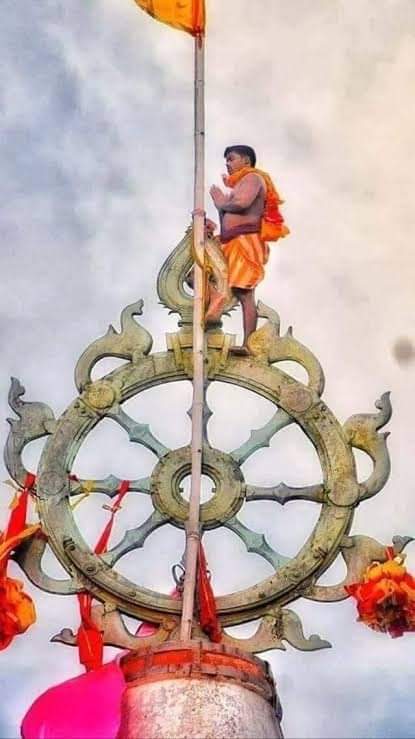
The Farm Law Protests mask the Blatant Inequality of Rural Punjab where Dalit farm labour derisively known as seeri are oppressed.
If these poor labour demand any pay increase, they are boycotted by landlords often with collusion of district administration.
In fact, over time, this has become a time-tested political strategy in rural Punjab and such boycotts could potentially last for years.
At the heart of it, the issue is purely socioeconomic but has become irreversibly political and religious now.
More from Farmer protest

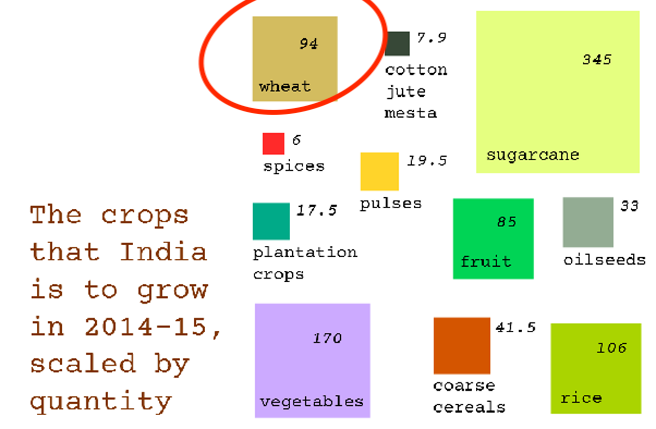
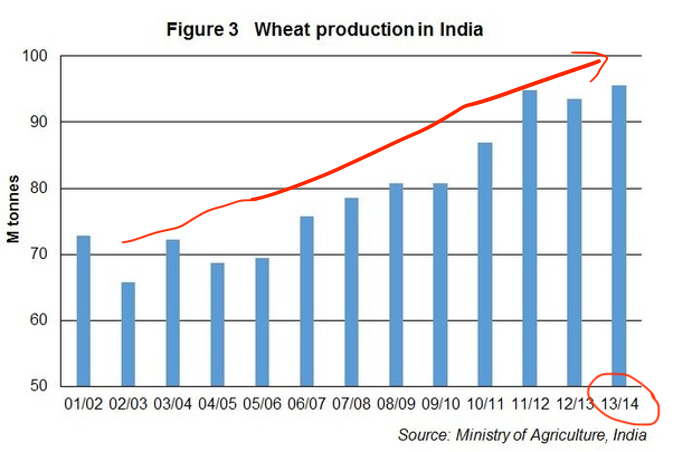
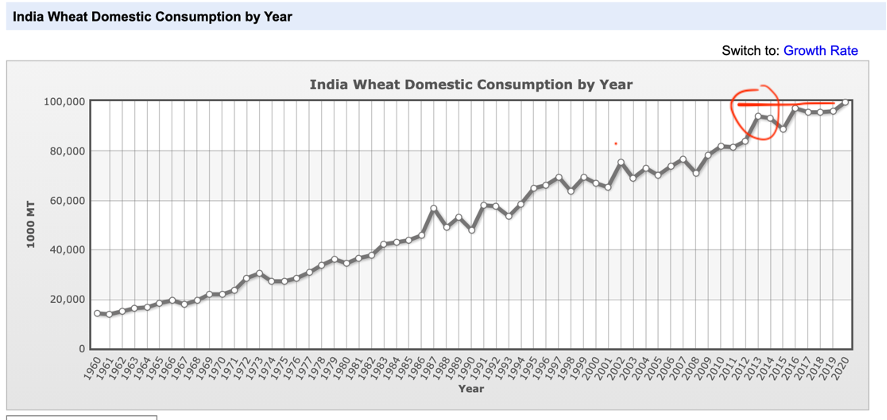


MyGov has released an excellent booklet "Putting Farmers First" which not only covers in detail the current #FarmLaws2020 but also lays out in structured summarized format the work done by the Modi government in the last 6 years.
Some snippets.
On the current #FarmLaws2020, there is much debate as to what may or may not happen.
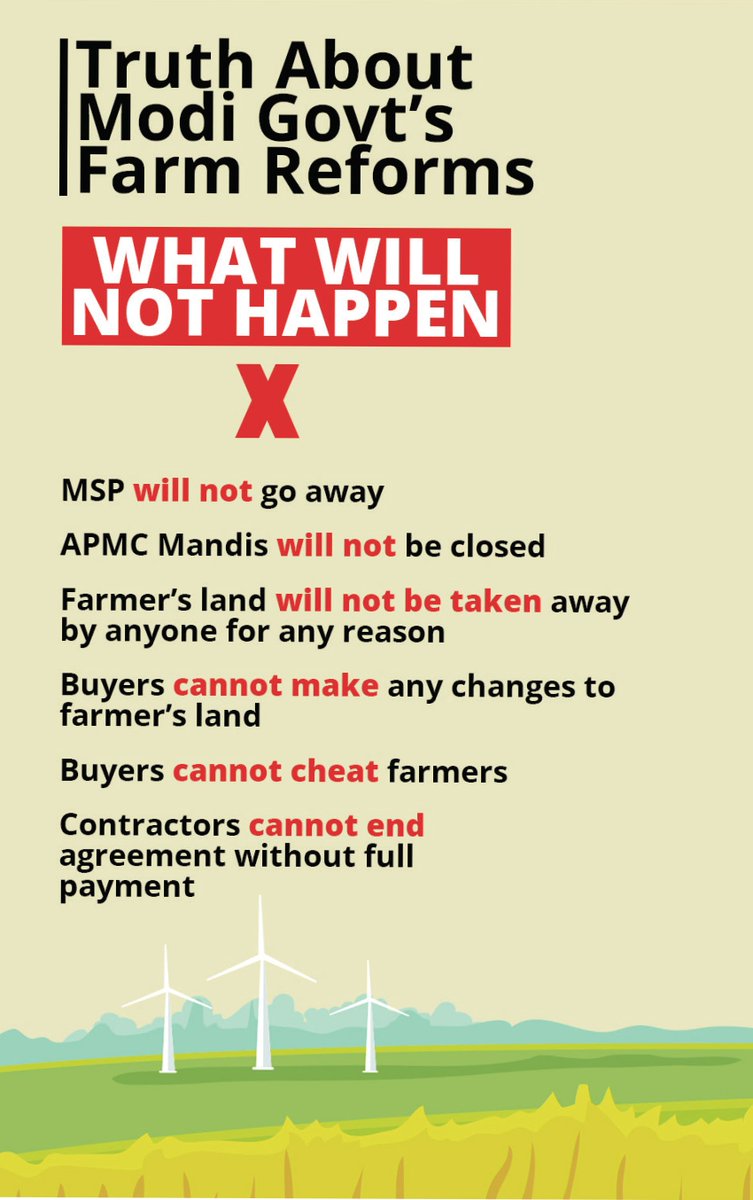
WHAT WILL NOT HAPPEN
MSP will not go away; APMC Mandis will not close; Farmers land cannot be taken way
WHAT WILL HAPPEN
Farmers can sell in Mandis & outside; More income; More jobs. 2/10
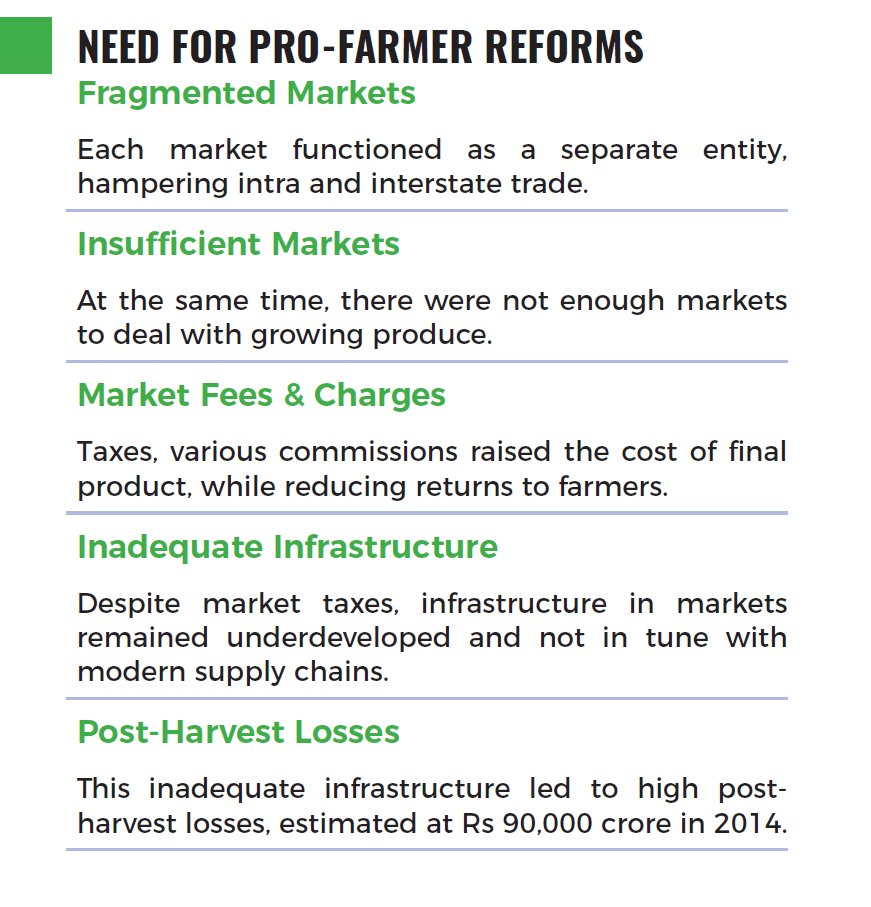
So what was the need for #FarmLaws2020 reforms when as per Left groups all was well?
1) Fragmented markets
2) Insufficient markets
3) Inadequate Infra
4) Inadequate credit
While rest of the economy was opening up, farmers were restricted. Result - Huge Income Disparity. 3/10
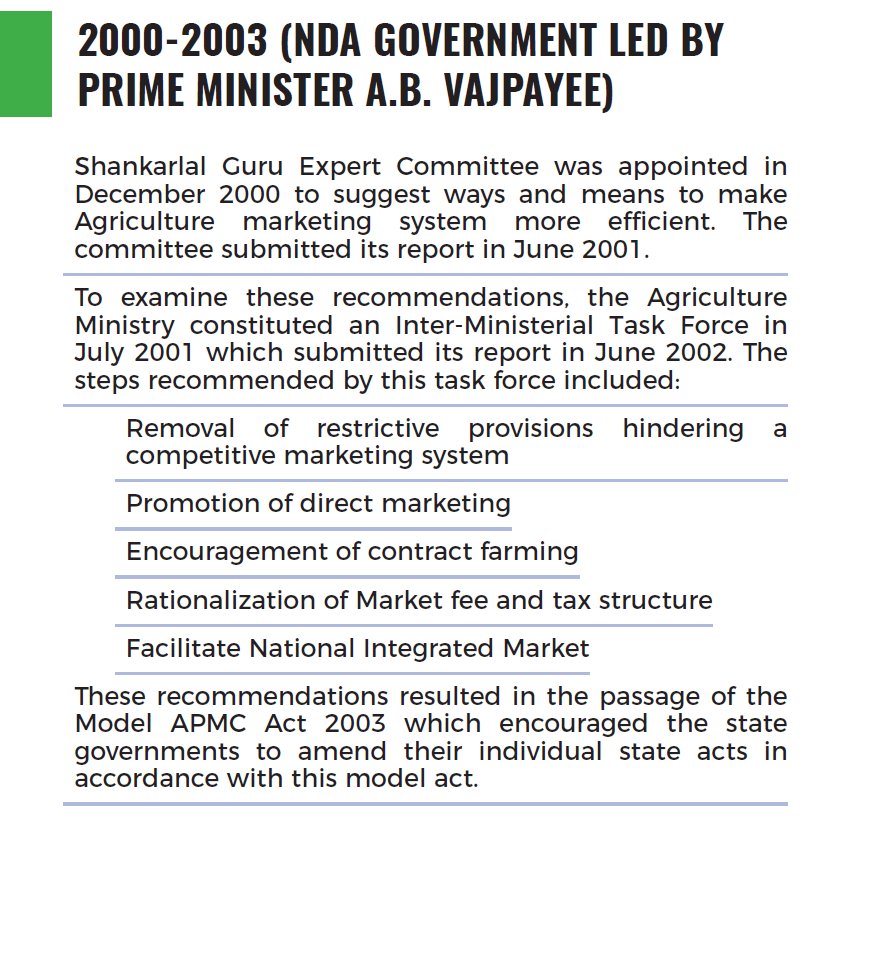
What about the charge that there has not been adequate consultation before #FarmLaws2020 were passed?
THE TRUTH: Two decades of consultation. Farm Reforms are perhaps the only policy reforms where there has been consensus movement in SAME DIRECTION by multiple governments. 4/10
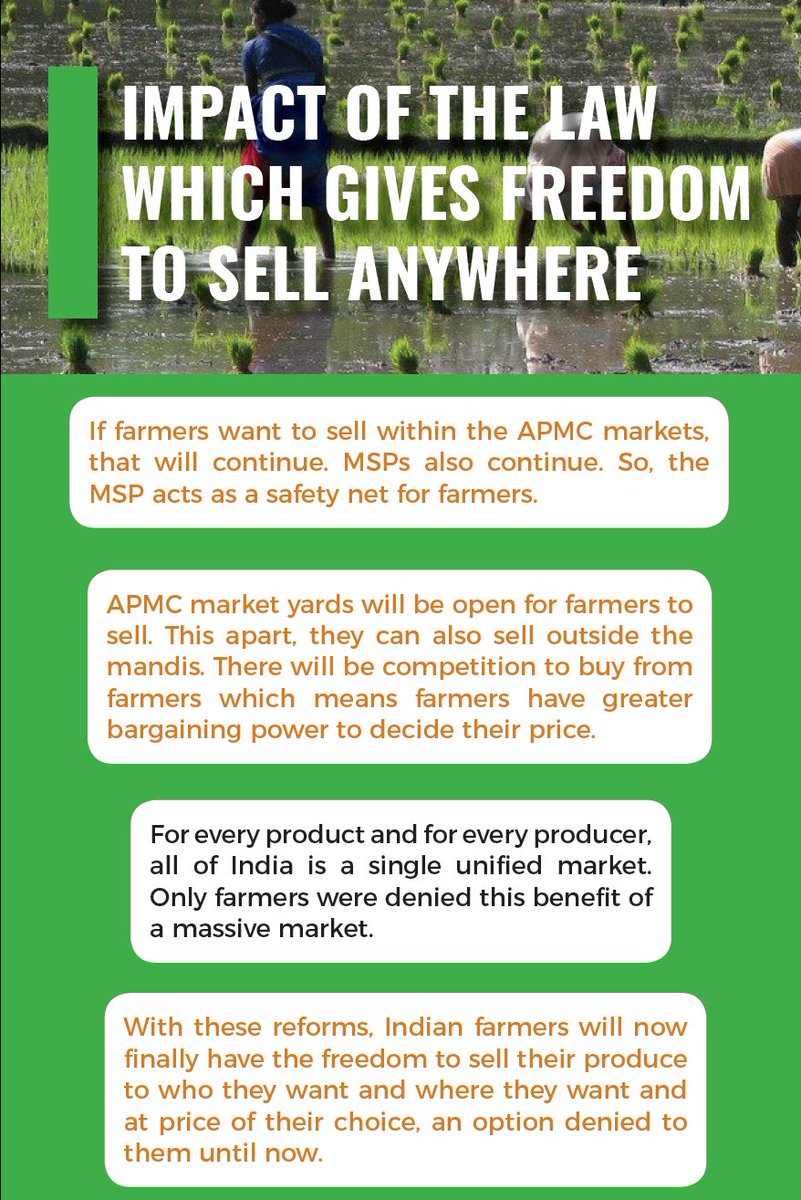
So what are the benefits of the law that allows the farmers to sell in APMC Mandis as at present but also, and importantly, anywhere outside?
1) Better price discovery for farmer
2) Converts present buyers market to sellers (farmer) market
3) Better logistics in rural areas
5/10
Some snippets.
Take a quick look into pro farmer measures of the government under the leadership of hon\u2019ble PM Shri @narendramodi since 2014 & the recent agricultural reforms that will help double farmers\u2019 income. https://t.co/6QgkerSfj8 #Aatmanirbharkrishi #FarmersFirst pic.twitter.com/FQN6L12Gdp
— MyGovIndia (@mygovindia) December 8, 2020
On the current #FarmLaws2020, there is much debate as to what may or may not happen.
WHAT WILL NOT HAPPEN
MSP will not go away; APMC Mandis will not close; Farmers land cannot be taken way
WHAT WILL HAPPEN
Farmers can sell in Mandis & outside; More income; More jobs. 2/10
So what was the need for #FarmLaws2020 reforms when as per Left groups all was well?
1) Fragmented markets
2) Insufficient markets
3) Inadequate Infra
4) Inadequate credit
While rest of the economy was opening up, farmers were restricted. Result - Huge Income Disparity. 3/10
What about the charge that there has not been adequate consultation before #FarmLaws2020 were passed?
THE TRUTH: Two decades of consultation. Farm Reforms are perhaps the only policy reforms where there has been consensus movement in SAME DIRECTION by multiple governments. 4/10
So what are the benefits of the law that allows the farmers to sell in APMC Mandis as at present but also, and importantly, anywhere outside?
1) Better price discovery for farmer
2) Converts present buyers market to sellers (farmer) market
3) Better logistics in rural areas
5/10


You May Also Like

Following @BAUDEGS I have experienced hateful and propagandist tweets time after time. I have been shocked that an academic community would be so reckless with their publications. So I did some research.
The question is:
Is this an official account for Bahcesehir Uni (Bau)?

Bahcesehir Uni, BAU has an official website https://t.co/ztzX6uj34V which links to their social media, leading to their Twitter account @Bahcesehir
BAU’s official Twitter account

BAU has many departments, which all have separate accounts. Nowhere among them did I find @BAUDEGS
@BAUOrganization @ApplyBAU @adayBAU @BAUAlumniCenter @bahcesehirfbe @baufens @CyprusBau @bauiisbf @bauglobal @bahcesehirebe @BAUintBatumi @BAUiletisim @BAUSaglik @bauebf @TIPBAU
Nowhere among them was @BAUDEGS to find

The question is:
Is this an official account for Bahcesehir Uni (Bau)?
Bahcesehir Uni, BAU has an official website https://t.co/ztzX6uj34V which links to their social media, leading to their Twitter account @Bahcesehir
BAU’s official Twitter account
BAU has many departments, which all have separate accounts. Nowhere among them did I find @BAUDEGS
@BAUOrganization @ApplyBAU @adayBAU @BAUAlumniCenter @bahcesehirfbe @baufens @CyprusBau @bauiisbf @bauglobal @bahcesehirebe @BAUintBatumi @BAUiletisim @BAUSaglik @bauebf @TIPBAU
Nowhere among them was @BAUDEGS to find