
says yet again that “Schools are safe”, because children are at low risk of serious disease.
With current v high disease prevalence (maybe 1 in 20 or 30 in #London ,#1in50 elsewhere) MORE children will catch #coronavirus & MORE children will become very ill. 1/8🧵
#Teachers & #earlyyears staff in JAN 21 STILL have virtually no #PPE. There will be many over 50s & others who are CV/CEV. This is not good. 3/8
I’ll keep showing this 👇because Gvmt keep ignoring it.
And the lack of adequate & appropriate #PPE puts all staff in these settings AND their families at increased risk.
This is not good. 4/8
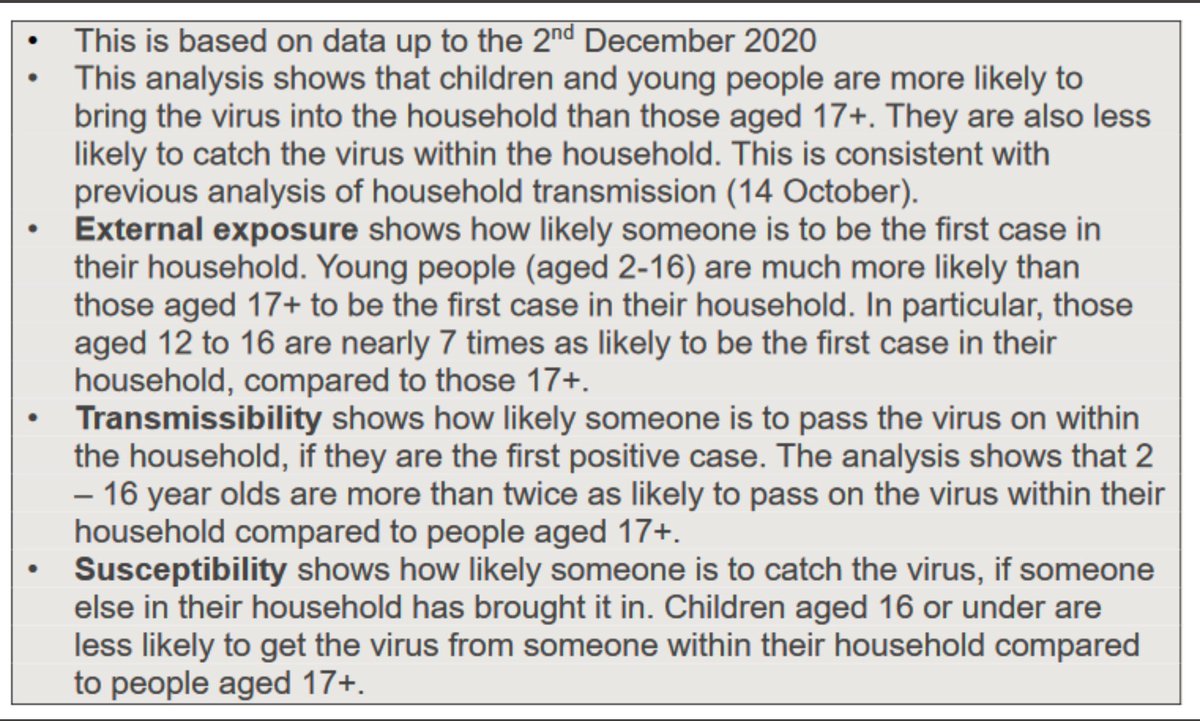
NOTHING OR NO ONE ELSE.
In the midst of a deadly pandemic this is as bizarre as it is callous & ignorant. 5/8
SCHOOLS ARE NOT SAFE because they’re full of ppl mixing indoors.
#COVIDisAirborne
It is not rocket science!
Only children who HAVE to be there should be. Numbers should be very low.
Staff CAN wear 😷s. Children CAN wear 😷s.6/8
This is not a rehearsal, EVERY DAY of so many interactions will cause more illness & death.7/8
#marr #SophieRidge @GavinWilliamson @NickGibbUK @annelongfield @amanda_spielman @NAHTnews @NASUWT @tes @MaryBoustedNEU @cyclingkev @NEUnion @adamhamdy @NewcastleCC @nick_forbes @RidgeOnSunday
More from Education




I held back from commenting overnight to chew it over, but I am still saddened by comments during a presentation I attended yesterday by Prof @trishgreenhalgh & @CIHR_IMHA.
The topic was “LongCovid, Myalgic Encephalomyelitis & More”.
I quote from memory.
1/n
#MECFS #LongCovid
The bulk of Prof @Trishgreenhalgh’s presentation was on the importance of recognising LongCovid patient’s symptoms, and pathways for patients which recognised their condition as real. So far so good.
She was asked about “Post Exertional Malaise”... 2/n
PEM has been reported by many patients, and is the hallmark symptom of ME/CFS, leading many to query whether LongCovid and ME/CFS are similar or have overlapping mechanisms.
@Trishgreenhalgh acknowledged the new @NiceComms advice for LongCovid was planned to complement... 3/n
the ME/CFS guidelines, acknowledging some similarities.
Then it all went wrong.
@TrishGreenhalgh noted the changes to the @NiceComms guidance for ME/CFS, removing support for Graded Exercise Therapy / Cognitive Behavioural Therapy. She noted there is a big debate about this. 4/n
That is correct: The BMJ published Prof Lynne Turner Stokes’ column criticising the change (Prof Turner-Stokes is a key proponent of GET/CBT, and I suspect is known to Prof @TrishGreenhalgh).
https://t.co/0enH8TFPoe
However Prof Greenhalgh then went off-piste.
5/n
The topic was “LongCovid, Myalgic Encephalomyelitis & More”.
I quote from memory.
1/n
#MECFS #LongCovid
Have you registered for IMHA's next webinar on Long-COVID? Guest speaker Professor Trisha Greenhalgh.
— CIHR-IMHA Community (@CIHR_IMHA) January 12, 2021
When? Tomorrow: *Jan 13th.* 12pm ET
A few spots are left, but going fast!
Registration required: https://t.co/T4PbWNA35Y@KarimKhan_IMHA @CIHR_IRSC @trishgreenhalgh pic.twitter.com/xlWKi4QKF1
The bulk of Prof @Trishgreenhalgh’s presentation was on the importance of recognising LongCovid patient’s symptoms, and pathways for patients which recognised their condition as real. So far so good.
She was asked about “Post Exertional Malaise”... 2/n
PEM has been reported by many patients, and is the hallmark symptom of ME/CFS, leading many to query whether LongCovid and ME/CFS are similar or have overlapping mechanisms.
@Trishgreenhalgh acknowledged the new @NiceComms advice for LongCovid was planned to complement... 3/n
the ME/CFS guidelines, acknowledging some similarities.
Then it all went wrong.
@TrishGreenhalgh noted the changes to the @NiceComms guidance for ME/CFS, removing support for Graded Exercise Therapy / Cognitive Behavioural Therapy. She noted there is a big debate about this. 4/n
That is correct: The BMJ published Prof Lynne Turner Stokes’ column criticising the change (Prof Turner-Stokes is a key proponent of GET/CBT, and I suspect is known to Prof @TrishGreenhalgh).
https://t.co/0enH8TFPoe
However Prof Greenhalgh then went off-piste.
5/n

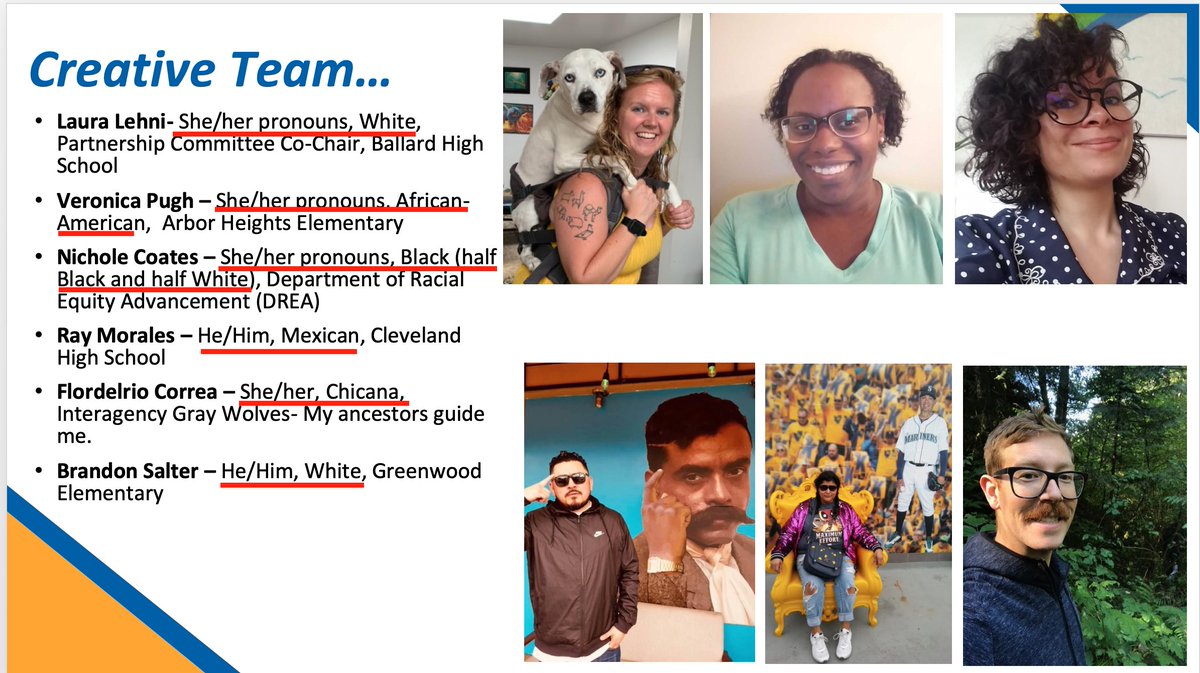
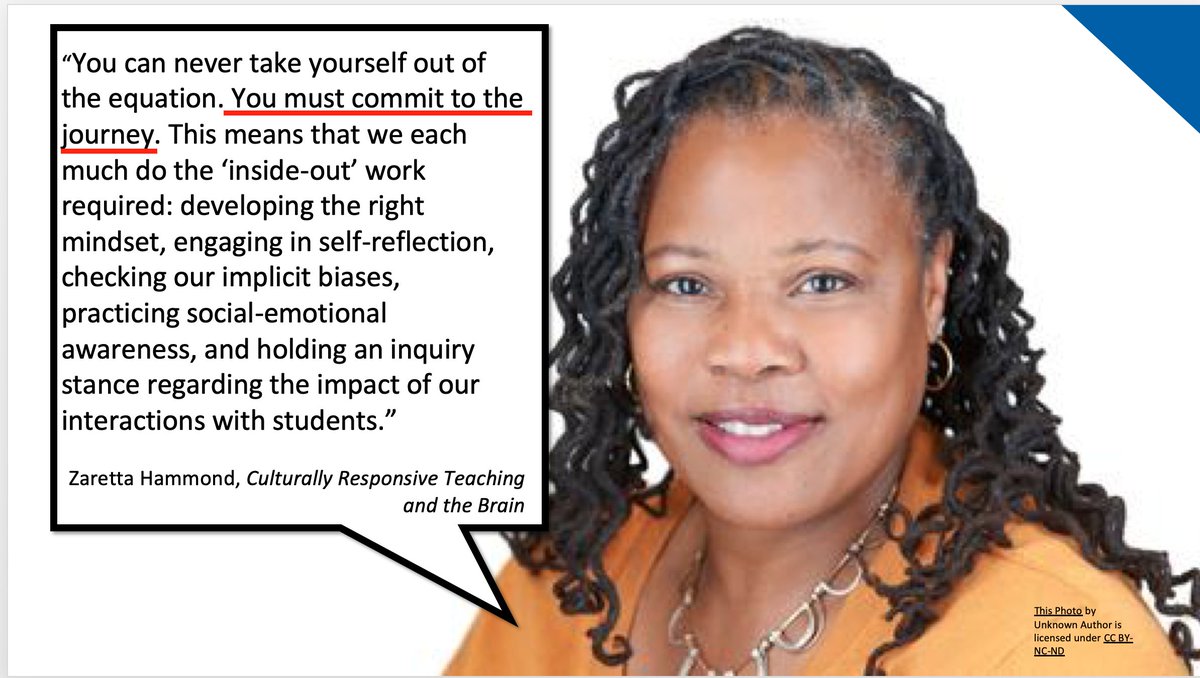
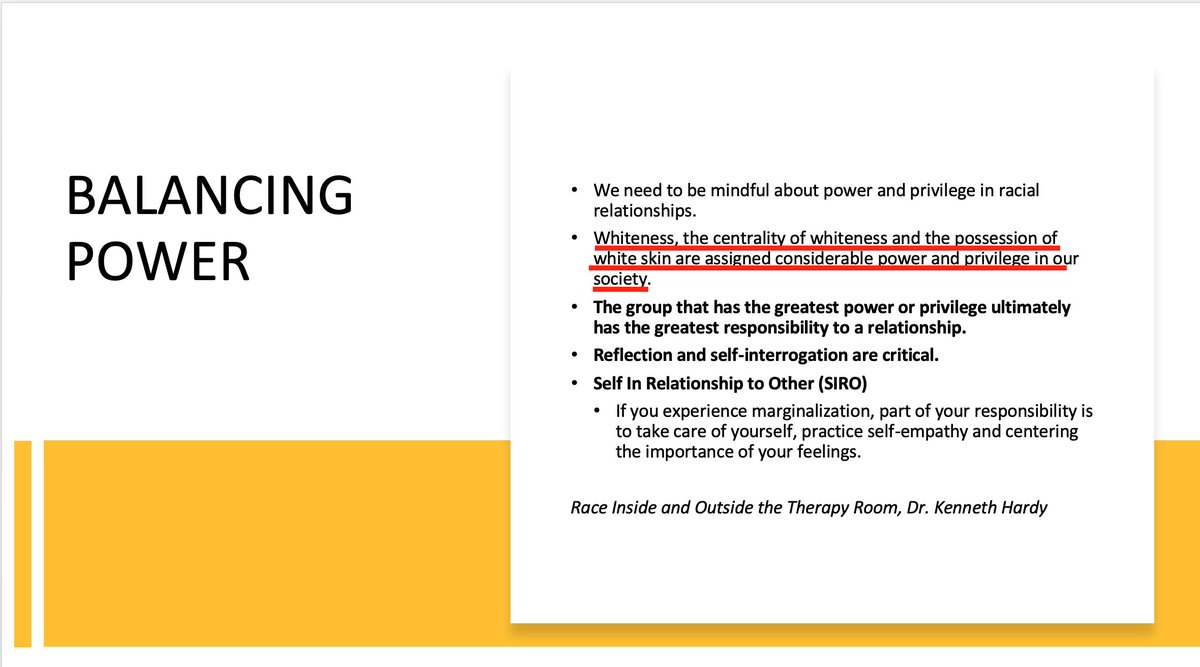
This is the steady stream of propaganda that's going to be hitting us daily, selling "deprogramming" and "re-education" as normal and reasonable, attempting to convince us that the Biden-Harris side is the good-guy side, admittedly 'backed by corporate billionaires'.
Don\u2019t know who this dude is but he broke that shit DOWN!! Listen especially the ones that need to hear it!! pic.twitter.com/gSZno2yaRh
— Leslie Jones \U0001f98b (@Lesdoggg) January 17, 2021

Time for some thoughts on schools given the revised SickKids document and the fact that ON decided to leave most schools closed. ON is not the only jurisdiction to do so, but important to note that many jurisdictions would not have done so -even with higher incidence rates.
As outlined in the tweet by @NishaOttawa yesterday, the situation is complex, and not a simple right or wrong https://t.co/DO0v3j9wzr. And no one needs to list all the potential risks and downsides of prolonged school closures.
On the other hand: while school closures do not directly protect our most vulnerable in long-term care at all, one cannot deny that any factor potentially increasing community transmission may have an indirect effect on the risk to these institutions, and on healthcare.
The question is: to what extend do schools contribute to transmission, and how to balance this against the risk of prolonged school closures. The leaked data from yesterday shows a mixed picture -schools are neither unicorns (ie COVID free) nor infernos.
Assuming this data is largely correct -while waiting for an official publication of the data, it shows first and foremost the known high case numbers at Thorncliff, while other schools had been doing very well -are safe- reiterating the impact of socioeconomics on the COVID risk.
A group of Ontario experts led by SickKids has updated its guidance for school operation during the COVID-19 pandemic. The living document, COVID-19: Updated Guidance for School Operation During the Pandemic, can be read here: https://t.co/rotLqDqkQh pic.twitter.com/q7kVezAPoG
— SickKids_TheHospital (@SickKidsNews) January 21, 2021
As outlined in the tweet by @NishaOttawa yesterday, the situation is complex, and not a simple right or wrong https://t.co/DO0v3j9wzr. And no one needs to list all the potential risks and downsides of prolonged school closures.
1/It's the eve of provincial announcements on schools reopening for in-person instruction.
— Nisha Thampi (@NishaOttawa) January 20, 2021
Households are under stress and experts are divided on whether schools are unicorns or infernos.
Everyone wants to do right by kids, who have borne so much throughout this pandemic.
On the other hand: while school closures do not directly protect our most vulnerable in long-term care at all, one cannot deny that any factor potentially increasing community transmission may have an indirect effect on the risk to these institutions, and on healthcare.
The question is: to what extend do schools contribute to transmission, and how to balance this against the risk of prolonged school closures. The leaked data from yesterday shows a mixed picture -schools are neither unicorns (ie COVID free) nor infernos.
Assuming this data is largely correct -while waiting for an official publication of the data, it shows first and foremost the known high case numbers at Thorncliff, while other schools had been doing very well -are safe- reiterating the impact of socioeconomics on the COVID risk.
You May Also Like







Great article from @AsheSchow. I lived thru the 'Satanic Panic' of the 1980's/early 1990's asking myself "Has eveyrbody lost their GODDAMN MINDS?!"
The 3 big things that made the 1980's/early 1990's surreal for me.
1) Satanic Panic - satanism in the day cares ahhhh!
2) "Repressed memory" syndrome
3) Facilitated Communication [FC]
All 3 led to massive abuse.
"Therapists" -and I use the term to describe these quacks loosely - would hypnotize people & convince they they were 'reliving' past memories of Mom & Dad killing babies in Satanic rituals in the basement while they were growing up.
Other 'therapists' would badger kids until they invented stories about watching alligators eat babies dropped into a lake from a hot air balloon. Kids would deny anything happened for hours until the therapist 'broke through' and 'found' the 'truth'.
FC was a movement that started with the claim severely handicapped individuals were able to 'type' legible sentences & communicate if a 'helper' guided their hands over a keyboard.
For three years I have wanted to write an article on moral panics. I have collected anecdotes and similarities between today\u2019s moral panic and those of the past - particularly the Satanic Panic of the 80s.
— Ashe Schow (@AsheSchow) September 29, 2018
This is my finished product: https://t.co/otcM1uuUDk
The 3 big things that made the 1980's/early 1990's surreal for me.
1) Satanic Panic - satanism in the day cares ahhhh!
2) "Repressed memory" syndrome
3) Facilitated Communication [FC]
All 3 led to massive abuse.
"Therapists" -and I use the term to describe these quacks loosely - would hypnotize people & convince they they were 'reliving' past memories of Mom & Dad killing babies in Satanic rituals in the basement while they were growing up.
Other 'therapists' would badger kids until they invented stories about watching alligators eat babies dropped into a lake from a hot air balloon. Kids would deny anything happened for hours until the therapist 'broke through' and 'found' the 'truth'.
FC was a movement that started with the claim severely handicapped individuals were able to 'type' legible sentences & communicate if a 'helper' guided their hands over a keyboard.
