‘.. a group of UK academics who work with children and adolescents. … concerned about the lack of focus on the needs of this age group … in policy making during the pandemic. We provide scientific evidence that might help to redress this imbalance.’
1/ Updated thread. The impact of lockdown on children/adolescents 2021. Or, why we need to keep schools open.

‘.. a group of UK academics who work with children and adolescents. … concerned about the lack of focus on the needs of this age group … in policy making during the pandemic. We provide scientific evidence that might help to redress this imbalance.’
https://t.co/ljAGD72fol
Conclusion: ‘The consequences of a large gap in schooling are waiting to be documented and these effects will occupy social services and mental health specialists for many years to come.’
https://t.co/WDSSlXC2LT
Concluding: Ensure safeguarding, bereavement, & mental health needs are promptly identified & evidence-based provision is made available to those who need it
https://t.co/UCXeBgqt5Z
‘Regional & local multi-agency planning to support the mental health of those known to be vulnerable & to maximise capacity to meet increased need over the next few years.’
https://t.co/qbRUnJmzad
‘Loneliness is associated with later depression and anxiety, up to 9 years later.’
https://t.co/j7DKZmwYDV
Importantly I noted ‘Suicide is the leading cause of death in England in 5-19 year olds and many more young people will die from suicide and road traffic accidents than Covid-19 this year’
‘… we can choose to put the needs and rights of children first – we can choose a different path.’
https://t.co/44nWfvLol6
https://t.co/Bk0yFH2e4h
We must ask ourselves whether future actions will in fact, ‘help, or at least, do no harm... safeguarding young people is everyone’s responsibility.’
https://t.co/20uX1RLcP0
‘Self-harm has been rising in recent years, alongside anxiety & depression. A real worry is that the pandemic & the measures taken to curb the spread of COVID-19 will exacerbate &entrench these trends.’
'Mental health research is underfunded. The current emphasis on COVID-19 research is likely to widen that inequality. Funders need to explicitly address this...to protect young people ...'
https://t.co/lIa30X8ctg
'More support needs to be readily available for those struggling with their mental health ...'
https://t.co/H0mFuipkzl
End.
More from Education


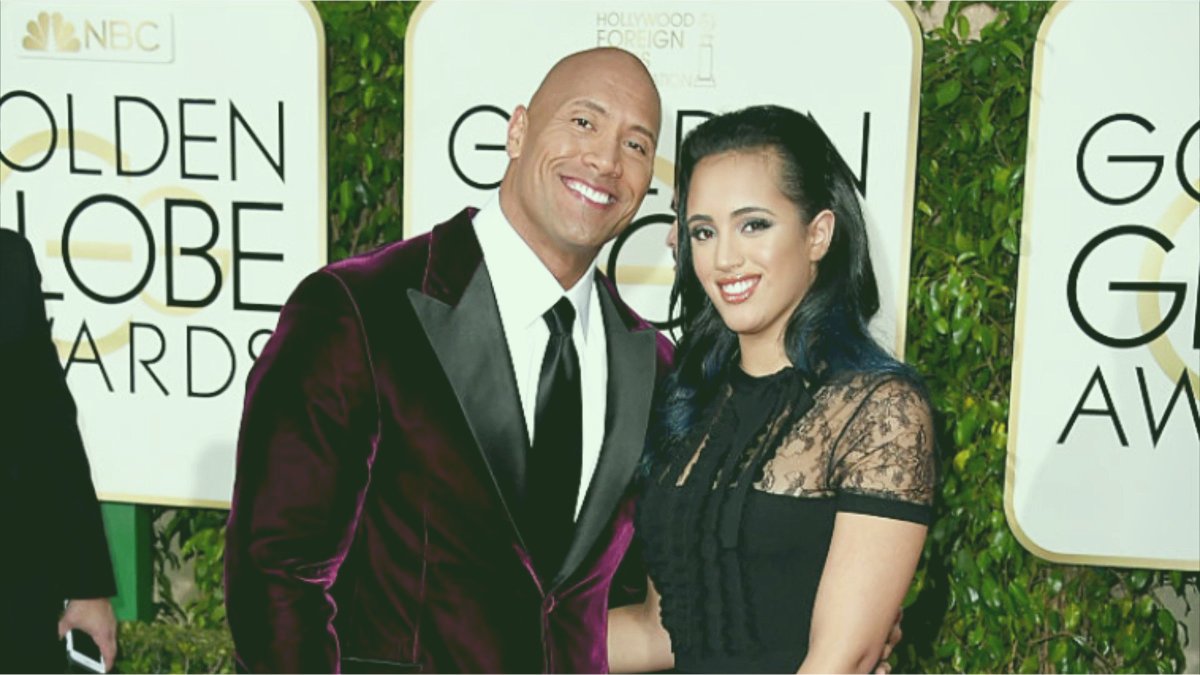
Trending news of The Rock's daughter Simone Johnson's announcing her new Stage Name is breaking our Versus tool because "Wrestling Name" isn't in our database!
Here's the most useful #Factualist comparison pages #Thread 🧵
What is the difference between “pseudonym” and “stage name?”
Pseudonym means “a fictitious name (more literally, a false name), as those used by writers and movie stars,” while stage name is “the pseudonym of an entertainer.”
https://t.co/hT5XPkTepy #english #wiki #wikidiff
People also found this comparison helpful:
Alias #versus Stage Name: What’s the difference?
Alias means “another name; an assumed name,” while stage name means “the pseudonym of an entertainer.”
https://t.co/Kf7uVKekMd #Etymology #words
Another common #question:
What is the difference between “alias” and “pseudonym?”
As nouns alias means “another name; an assumed name,” while pseudonym means “a fictitious name (more literally, a false name), as those used by writers and movie
Here is a very basic #comparison: "Name versus Stage Name"
As #nouns, the difference is that name means “any nounal word or phrase which indicates a particular person, place, class, or thing,” but stage name means “the pseudonym of an
Here's the most useful #Factualist comparison pages #Thread 🧵
What is the difference between “pseudonym” and “stage name?”
Pseudonym means “a fictitious name (more literally, a false name), as those used by writers and movie stars,” while stage name is “the pseudonym of an entertainer.”
https://t.co/hT5XPkTepy #english #wiki #wikidiff
People also found this comparison helpful:
Alias #versus Stage Name: What’s the difference?
Alias means “another name; an assumed name,” while stage name means “the pseudonym of an entertainer.”
https://t.co/Kf7uVKekMd #Etymology #words
Another common #question:
What is the difference between “alias” and “pseudonym?”
As nouns alias means “another name; an assumed name,” while pseudonym means “a fictitious name (more literally, a false name), as those used by writers and movie
Here is a very basic #comparison: "Name versus Stage Name"
As #nouns, the difference is that name means “any nounal word or phrase which indicates a particular person, place, class, or thing,” but stage name means “the pseudonym of an



You May Also Like

On the occasion of youtube 20k and Twitter 70k members
A small tribute/gift to members
Screeners
technical screeners - intraday and positional both
before proceeding - i have helped you , can i ask you so that it can help someone else too
thank you
positional one
run - find #stock - draw chart - find levels
1- Stocks closing daily 2% up from 5 days
https://t.co/gTZrYY3Nht
2- Weekly breakout
https://t.co/1f4ahEolYB
3- Breakouts in short term
https://t.co/BI4h0CdgO2
4- Bullish from last 5
intraday screeners
5- 15 minute Stock Breakouts
https://t.co/9eAo82iuNv
6- Intraday Buying seen in the past 15 minutes
https://t.co/XqAJKhLB5G
7- Stocks trading near day's high on 5 min chart with volume BO intraday
https://t.co/flHmm6QXmo
Thank you
A small tribute/gift to members
Screeners
technical screeners - intraday and positional both
before proceeding - i have helped you , can i ask you so that it can help someone else too
thank you
positional one
run - find #stock - draw chart - find levels
1- Stocks closing daily 2% up from 5 days
https://t.co/gTZrYY3Nht
2- Weekly breakout
https://t.co/1f4ahEolYB
3- Breakouts in short term
https://t.co/BI4h0CdgO2
4- Bullish from last 5
intraday screeners
5- 15 minute Stock Breakouts
https://t.co/9eAo82iuNv
6- Intraday Buying seen in the past 15 minutes
https://t.co/XqAJKhLB5G
7- Stocks trading near day's high on 5 min chart with volume BO intraday
https://t.co/flHmm6QXmo
Thank you