The best way to know if people like your product is NOT:
- Have a lot of emails in the waiting list
- Become #1 on PH
- Become #1 of HN or Reddit
- Have people that saing "I'll pay"
- Have a lot of free users
The best way to know if they're actually pay for it.
200+ This has a high potential.
100+: This has a potential.
50+: Some people need it.
10+: People almost don't need it.
0+: People don't need it.
And obviously, you should have a lot of traffic like 3-5k+.

Ask credit card upfront:
- Visitor to trial: 0.75% - 1%
- Trial to paid: 40% - 60%
Do not ask credit card upfront:
- Visitor to trial: 5%+
- Trial to paid: 8% - 20%
https://t.co/iyUSmsrFfH by @lukaszmtw and @PawelMag
First 24h stat:
- Visitos: 9,221
- Sales: 575
- Convertion rate from visitor to sale: 6.23%
More from Startups


.@zapier built a $140M ARR business on $1.4M in VC that has become the logic layer of the no-code industry.
But it has the potential to be something even bigger: the Netflix of productivity.
Our report and a thread 👉
We believe @seqouia and @steadfast got a good deal buying into Zapier at $5B.
We value Zapier at $7B based on:
- 30-50% YoY growth over the next five years
- Zapier’s monopoly status in the solopreneur/SMB market
- 30-40% YoY growth of no-code TAM
No-code is huge and growing, but as @edavidpeterson has written, no-code is about more than tools: it’s about a philosophy that emphasizes interoperability and customizing your software to your needs.
https://t.co/UJY6BRtXwl
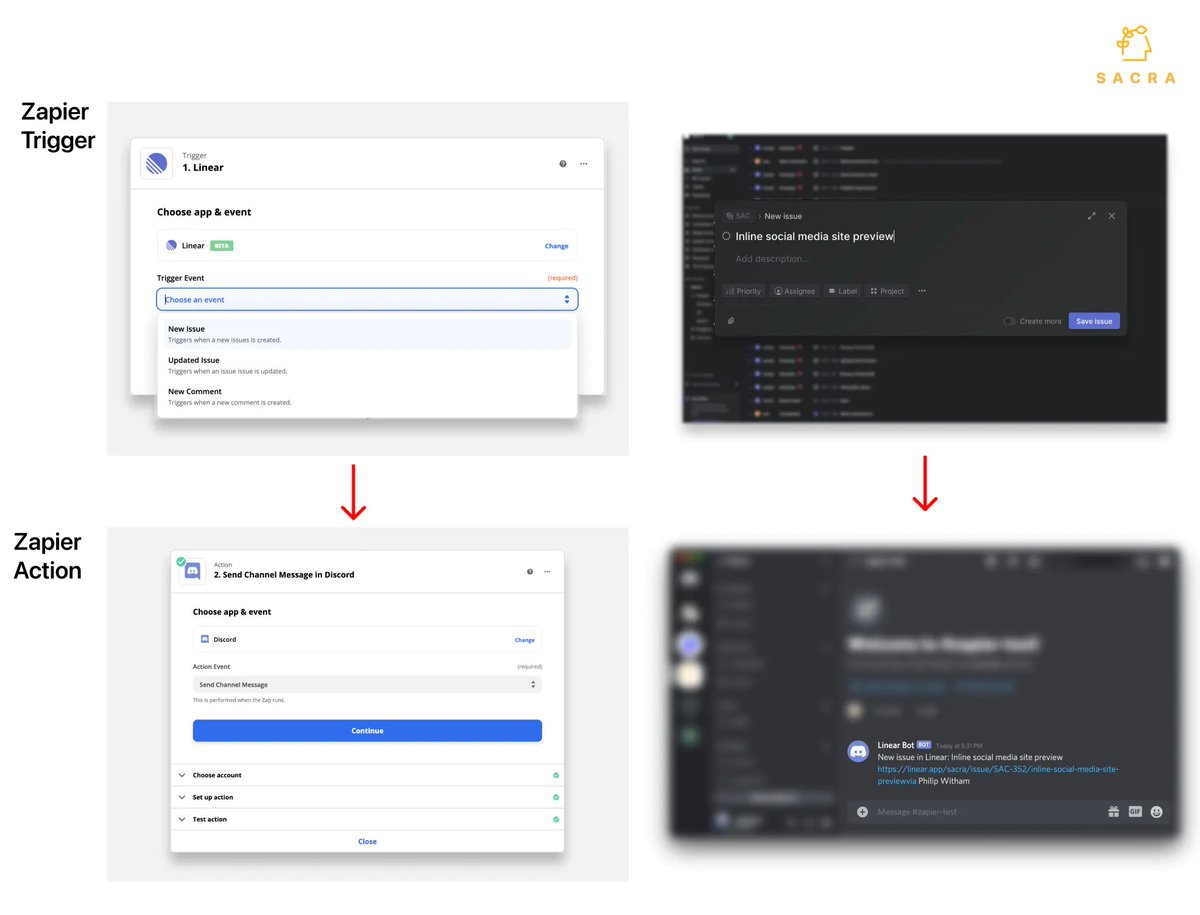
.@zapier enabled interoperability by building a solution to one of the intractable problems in SaaS: APIs that don’t talk to each other.
The product took off and hit $100M ARR in just 9 years, comparable to companies that have raised 100x as much money.
https://t.co/0Thk42eRpJ
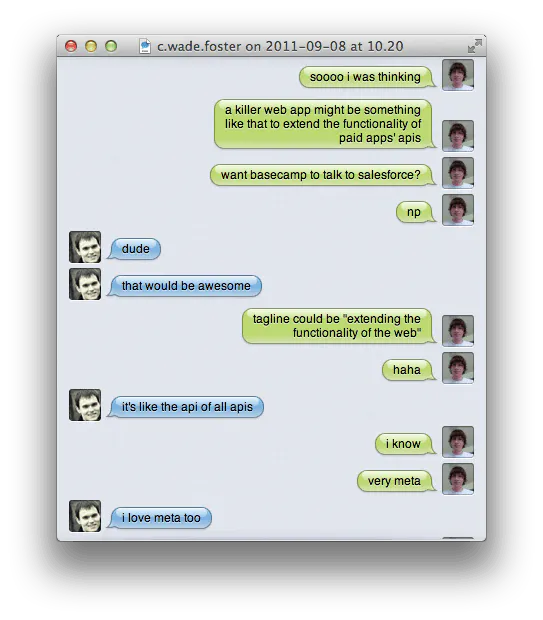
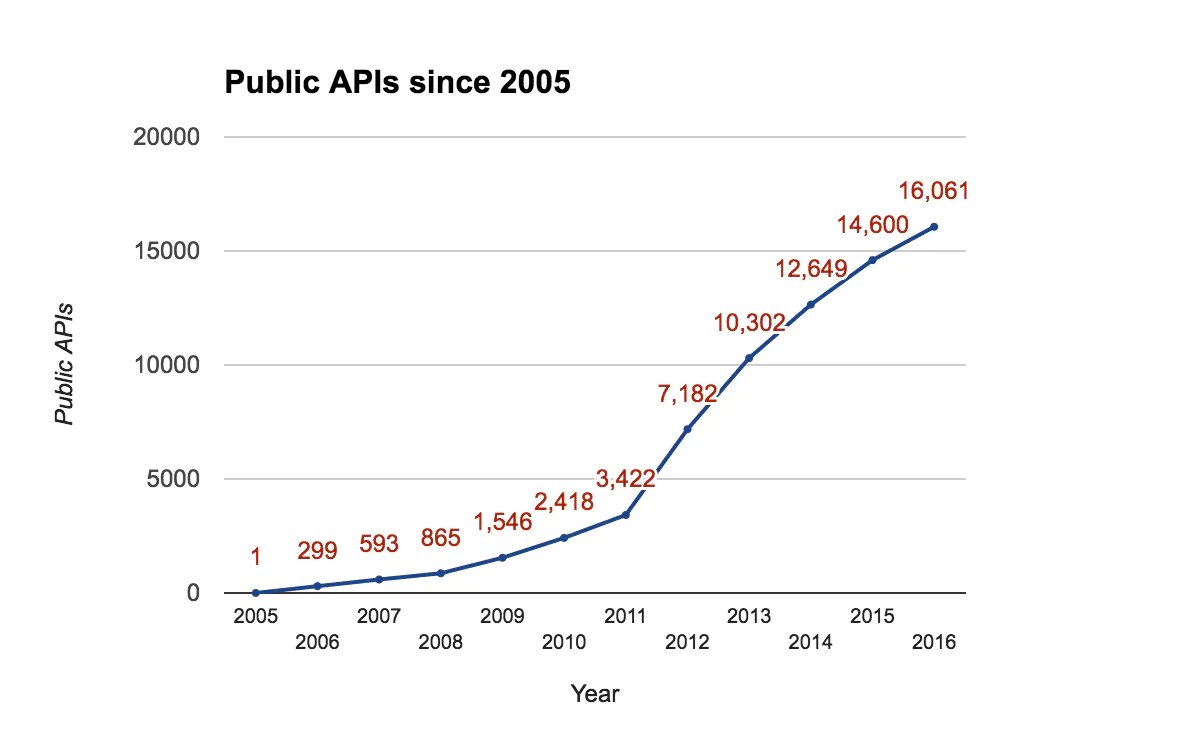
Zapier was riding an explosion in APIs that started the same year they were founded—2011.
Suddenly, every SaaS business wanted to offer its users extensibility, but not spend time figuring out what integrations to build or building them.
That’s where Zapier came in handy.
But it has the potential to be something even bigger: the Netflix of productivity.
Our report and a thread 👉
We believe @seqouia and @steadfast got a good deal buying into Zapier at $5B.
We value Zapier at $7B based on:
- 30-50% YoY growth over the next five years
- Zapier’s monopoly status in the solopreneur/SMB market
- 30-40% YoY growth of no-code TAM
No-code is huge and growing, but as @edavidpeterson has written, no-code is about more than tools: it’s about a philosophy that emphasizes interoperability and customizing your software to your needs.
https://t.co/UJY6BRtXwl
Trying this on for size\u2026
— David Peterson (@edavidpeterson) January 14, 2021
\u201cNo code\u201d isn\u2019t a coherent category. It\u2019s a design philosophy.
But tools built with this philosophy in mind will be the biggest winners of the next decade.
Let me explain what I mean by way of analogy.
.@zapier enabled interoperability by building a solution to one of the intractable problems in SaaS: APIs that don’t talk to each other.
The product took off and hit $100M ARR in just 9 years, comparable to companies that have raised 100x as much money.
https://t.co/0Thk42eRpJ
Ever notice that Zapier is doing $100m+ and has no direct competition? Found their niche and crushed it \U0001f44c
— Tyler Tringas (@tylertringas) November 7, 2019
Zapier was riding an explosion in APIs that started the same year they were founded—2011.
Suddenly, every SaaS business wanted to offer its users extensibility, but not spend time figuring out what integrations to build or building them.
That’s where Zapier came in handy.